Otoplasty in Bellevue
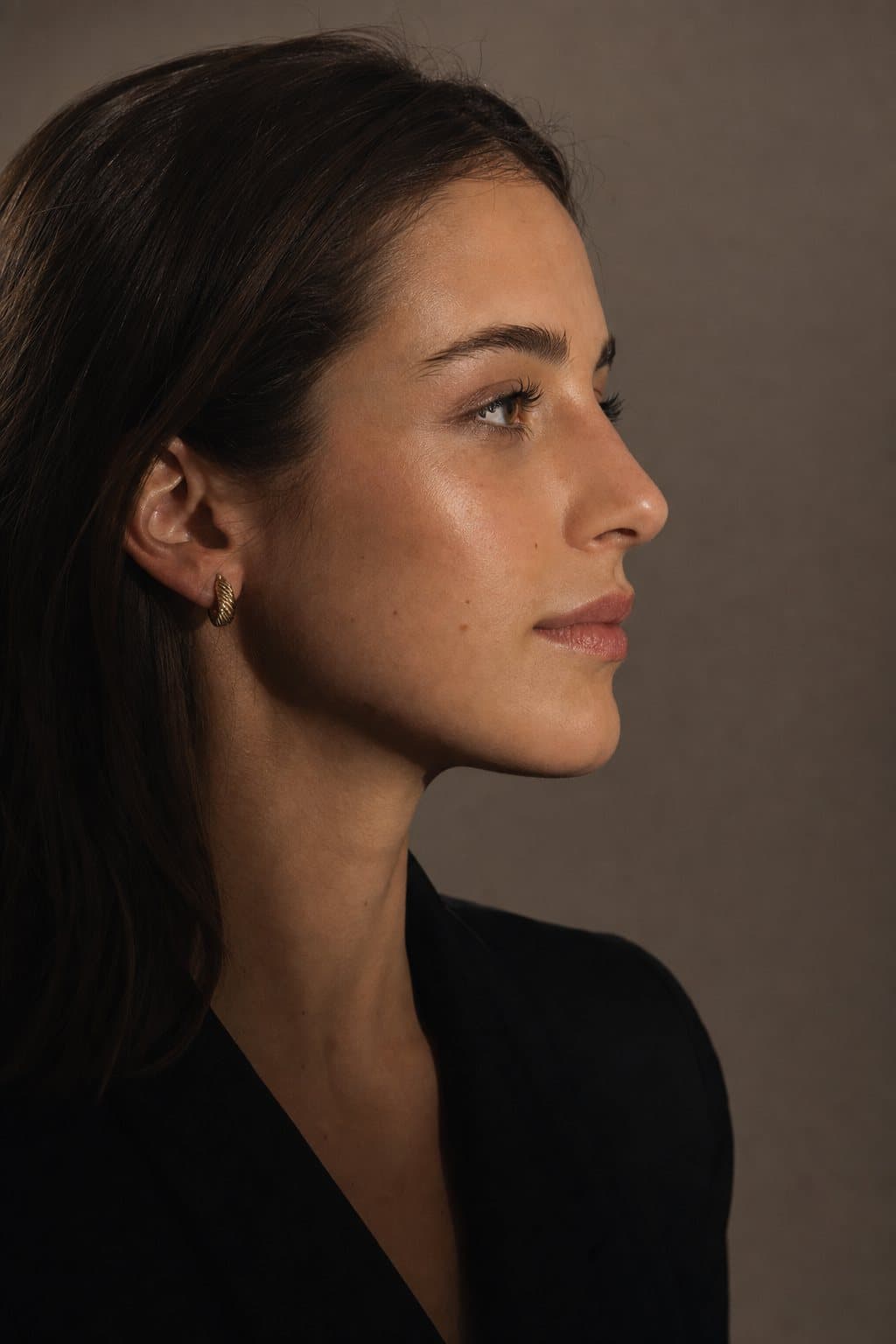
Otoplasty reshapes or repositions prominent ears, for children and adults alike. The goal is ears that no longer draw attention, so the face can.
For children, timing matters: ear cartilage is essentially developed by age five to six, which allows correction before school age — before the teasing years, with cartilage still soft enough to shape beautifully.
Dr. Day's craniofacial and pediatric fellowship training makes ear surgery a genuine subspecialty here rather than an occasional procedure.


Your surgeon
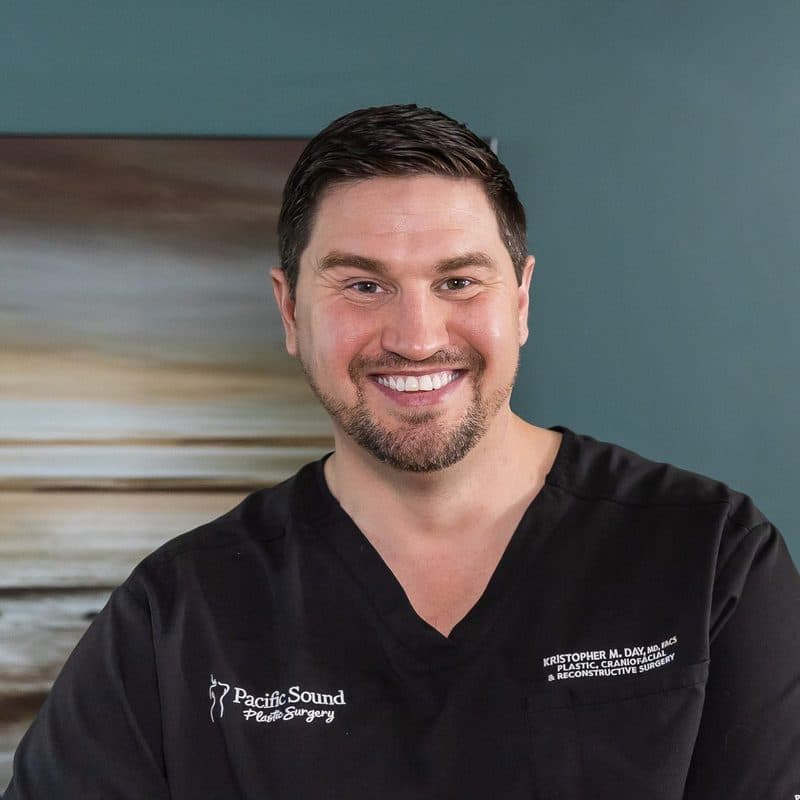
Dr. Kristopher Day is certified by the American Board of Plastic Surgery and the American Board of Surgery, fellowship-trained in craniofacial surgery, and a member of the American Society of Maxillofacial Surgeons.
Meet Dr. DayOtoplasty
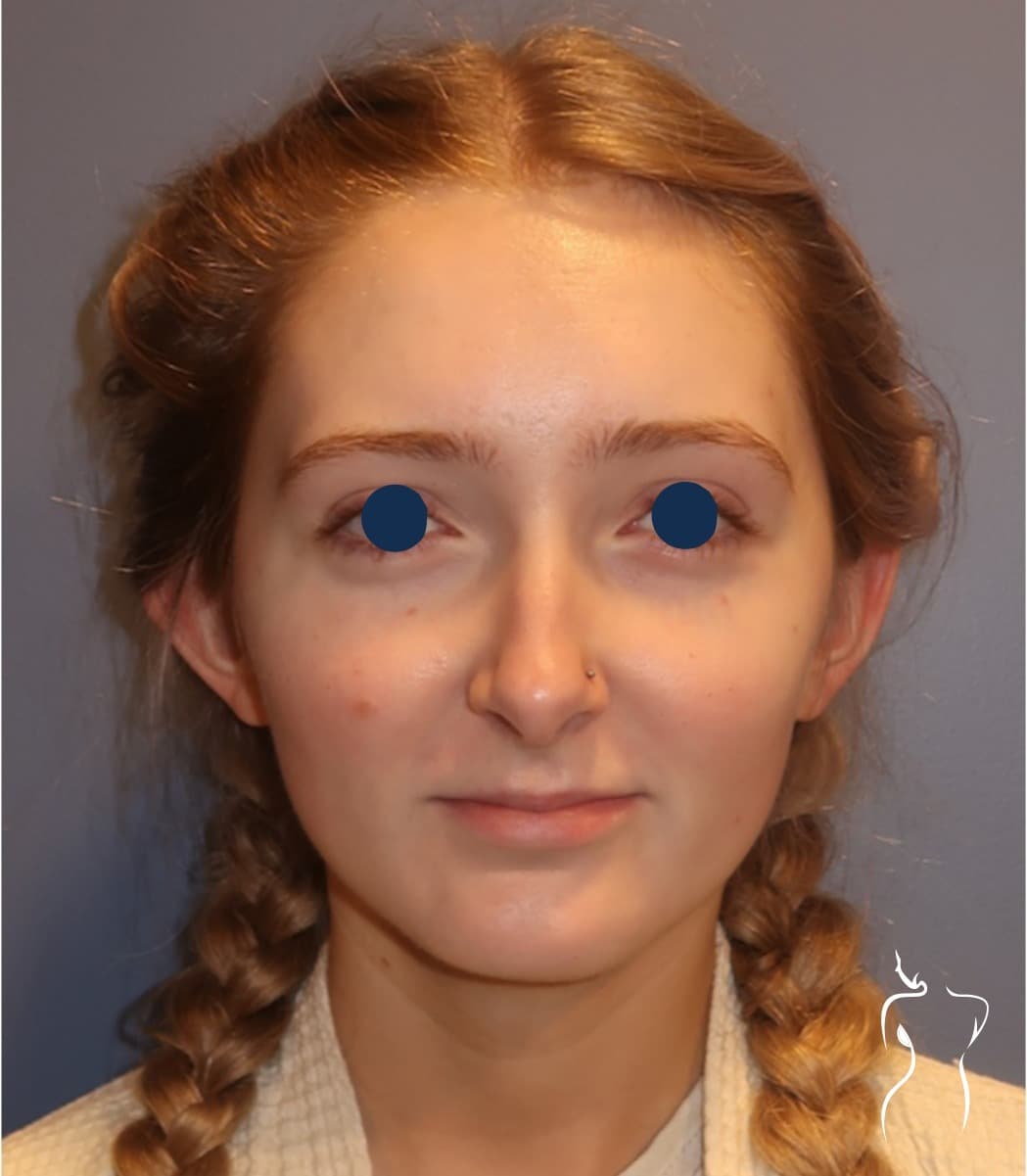
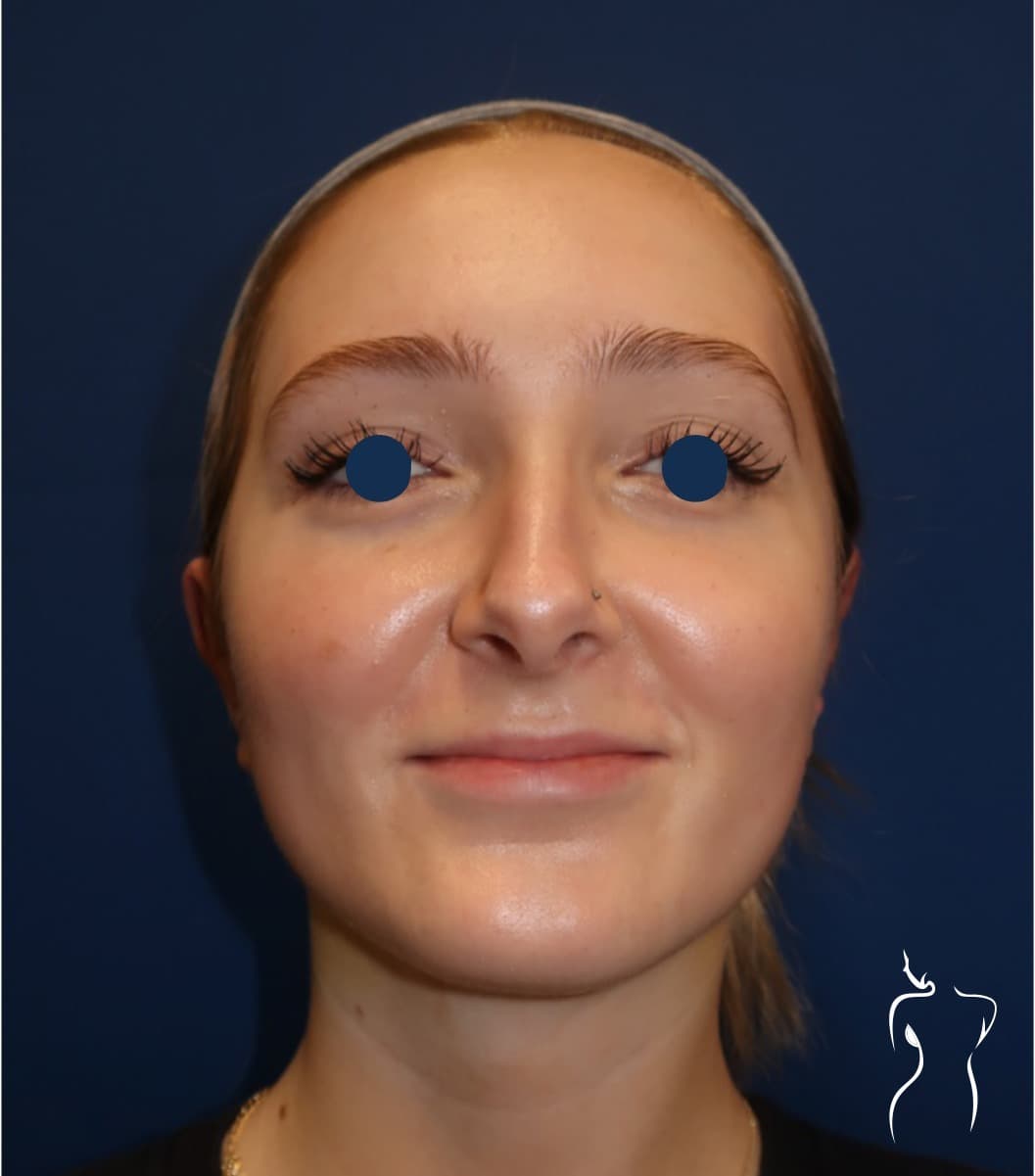
Results vary from person to person. The right comparison starts with your anatomy and your goals, in consultation.
See results like these in person. Plan a consultation with Dr. Day.
The operation
Every consultation — and every operation — is with Dr. Day.
The ear is not a simple flap of cartilage. The helix, antihelix, concha, tragus, and lobule each have to be assessed and set in proportion to one another, because correcting projection while ignoring the folds produces an ear that is closer to the head and still looks wrong. Most prominent ears come down to two things: an antihelical fold that never formed properly, and a concha that is too deep.
Incisions hide in the crease behind the ear. The cartilage is reshaped, folded, and repositioned, then secured with permanent sutures that hold the new contour while it heals. Both ears are treated in one session when both need correction, so they match and age as a pair.
Surgery runs about two to three hours as an outpatient procedure. Adults typically choose local anesthesia with sedation; children have general anesthesia, with a pediatric-trained surgeon and anesthesia team. Everyone goes home the same day in a soft bandage or headband that protects the repair and limits swelling.
What otoplasty corrects
Prominence is the common reason people come in. It is not the only thing the operation addresses, and several of these are correctable in the same session.
Prominent ears
The ear sits too far from the head, usually because the antihelical fold is underdeveloped, the conchal bowl is too deep, or both. Recreating the fold and setting the bowl back is the core of the operation.
Asymmetry
One ear projects further, sits lower, or is shaped differently from the other. Each side is planned independently, since matching them is the entire point.
Earlobe size or shape
Lobes that are large, stretched, or torn — from age, heavy earrings, or gauges — can be reduced and reshaped, whether or not the rest of the ear is being changed.
Trauma or prior surgery
Deformity from injury or from an earlier otoplasty that did not hold. Revision work is more demanding than a first operation, because the cartilage has already been cut and scarred.
Is it right for you (or your child)
Prominent, asymmetric, or misfolded ears that bother the person wearing them are the honest indication. For children, the pre-kindergarten window combines developed cartilage with a fresh social start, and ear prominence is a common target for teasing.
One point worth stating plainly: nothing non-surgical changes this. Injectables and topical treatments do not reposition cartilage. If prominent ears are what bother you, surgery is the only route, which is different from most cosmetic concerns.
Adults are candidates at any age. There is no upper limit, and a good share of patients here are correcting something they have thought about since childhood.
Congenital or post-traumatic deformity may qualify for partial insurance coverage; purely cosmetic correction does not, and the office gives you a straight answer for your case before anything is scheduled.
Recovery
A protective dressing is worn for the first several days, then gives way to a lighter headband worn as directed while the cartilage sets. Expect mild to moderate discomfort, manageable with the medication prescribed, plus swelling and bruising through the first week.
Walking and light activity start the day after surgery. School or desk work resumes in about a week. Children generally recover faster and more comfortably than their parents expect.
Weeks two through four are a graded return to exertion: gym, running, and lifting more than twenty pounds, built up rather than resumed all at once. Contact sports wait for the four-to-six-week clearance, since a direct blow before the cartilage has settled can undo the correction.
The corrected shape is stable within a few months, once the cartilage has healed in its new position. There is no maintenance and nothing to repeat.
How the weeks before and after surgery fit together is covered in the practice's recovery guide.
Plan a consultation with Dr. Day.
Patient Voices
Individual results vary. Quotes are verbatim excerpts from reviews published by patients.
“Dr. Day and his team provided expert individualized care from the initial consultation through post-op check ups.”
“He takes the time to understand your aspirations, vision, and goals, ensuring that your desired outcomes are at the forefront of his care.”
“Dr. Day's knowledge, compassion, and attention to detail made all the difference in my recovery process.”
Questions, answered
The rest belong in a conversation. Consultations are unhurried by design.
What is the right age for a child's otoplasty?
From about age five, once the cartilage is essentially developed. Correcting before school age is a deliberate kindness: the cartilage shapes well, and the child starts school without the feature that invites teasing.
Do adults have otoplasty?
Regularly. The operation is the same in principle, usually under local anesthesia with sedation, and it is never too late to correct something that has bothered you for decades.
Will there be visible scars?
The incisions sit in the natural crease behind the ear, where even a short haircut hides them.
Will the correction hold?
In most cases it holds for good. The reshaped cartilage is secured with non-absorbable sutures and stays in its new form once healed, with no maintenance and nothing to repeat. A small number of ears relax slightly over the first months, which is why contact sports wait for clearance.
Is otoplasty covered by insurance?
Congenital and post-traumatic deformities may qualify; cosmetic correction does not. The office confirms your situation before anything is scheduled.
Why choose a craniofacial-trained surgeon for ears?
General plastic surgery training touches on otoplasty; craniofacial and pediatric fellowship training makes the ear's cartilage framework a subspecialty. That depth shows in the naturalness of the fold.
What can otoplasty correct besides prominent ears?
Asymmetry between the two sides, an antihelical fold that never formed, a conchal bowl that is too deep, earlobes that are large, stretched, or torn, and deformity from injury or from an earlier ear operation. Several of these are addressed in the same session.
What anesthesia is used?
It depends on age and complexity. Adults are usually comfortable with local anesthesia and sedation. Children have general anesthesia, with a pediatric-trained anesthesia team. The recommendation for your case is made at consultation, not on the day.
Are both ears operated on at the same time?
When both need correction, yes, in one session. Matching the two is the goal, and that is far easier to judge with both ears on the table at once.
When can I get back to sports?
Light activity starts the day after surgery and exertion builds through weeks two to four, including lifting over twenty pounds. Contact sports wait until the four-to-six-week clearance, because a direct hit before the cartilage has settled can undo the correction.
How much does otoplasty cost in Bellevue?
Otoplasty starts from $7,500, with the total quoted in a written breakdown at consultation. CareCredit and Alphaeon financing are available.
Financing Options