Rhinoplasty in Bellevue
Rhinoplasty is judged in millimeters, and the nose sits at the center of the face where every millimeter shows. It rewards the deepest structural training a facial surgeon can have.
Dr. Day is the only fellowship-trained craniofacial plastic surgeon based in Bellevue, and rhinoplasty is where that training earns its keep: bone, cartilage, and breathing anatomy planned together, in three dimensions, before the operation begins.
Cosmetic and functional work combine in one procedure — a deviated septum and a dorsal hump can be corrected in the same operation, under one anesthesia.



Your surgeon
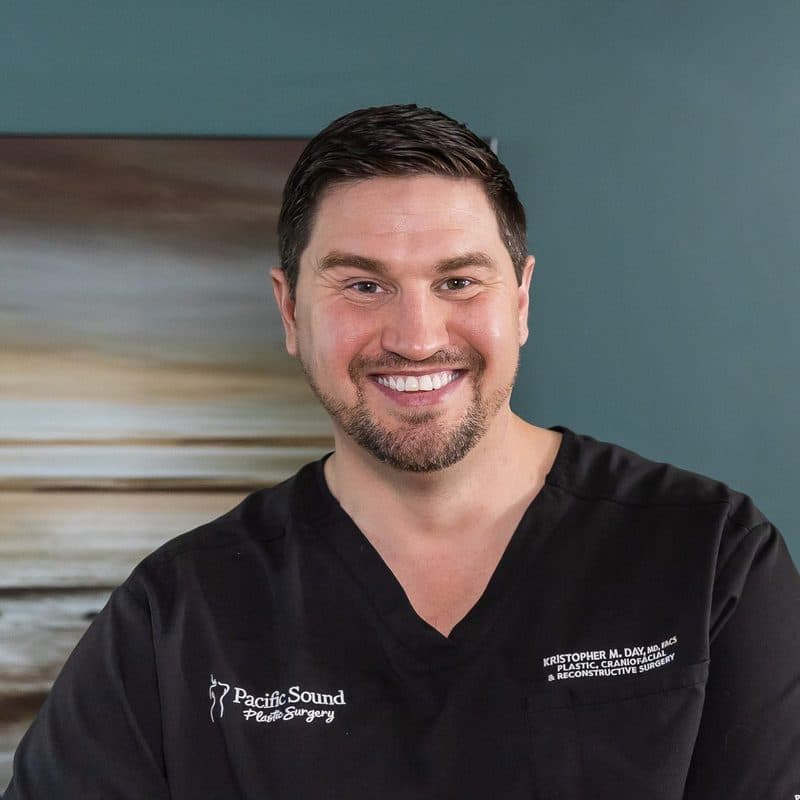
Dr. Kristopher Day is certified by the American Board of Plastic Surgery and the American Board of Surgery, fellowship-trained in craniofacial surgery, and a member of the American Society of Maxillofacial Surgeons.
Meet Dr. DayRhinoplasty
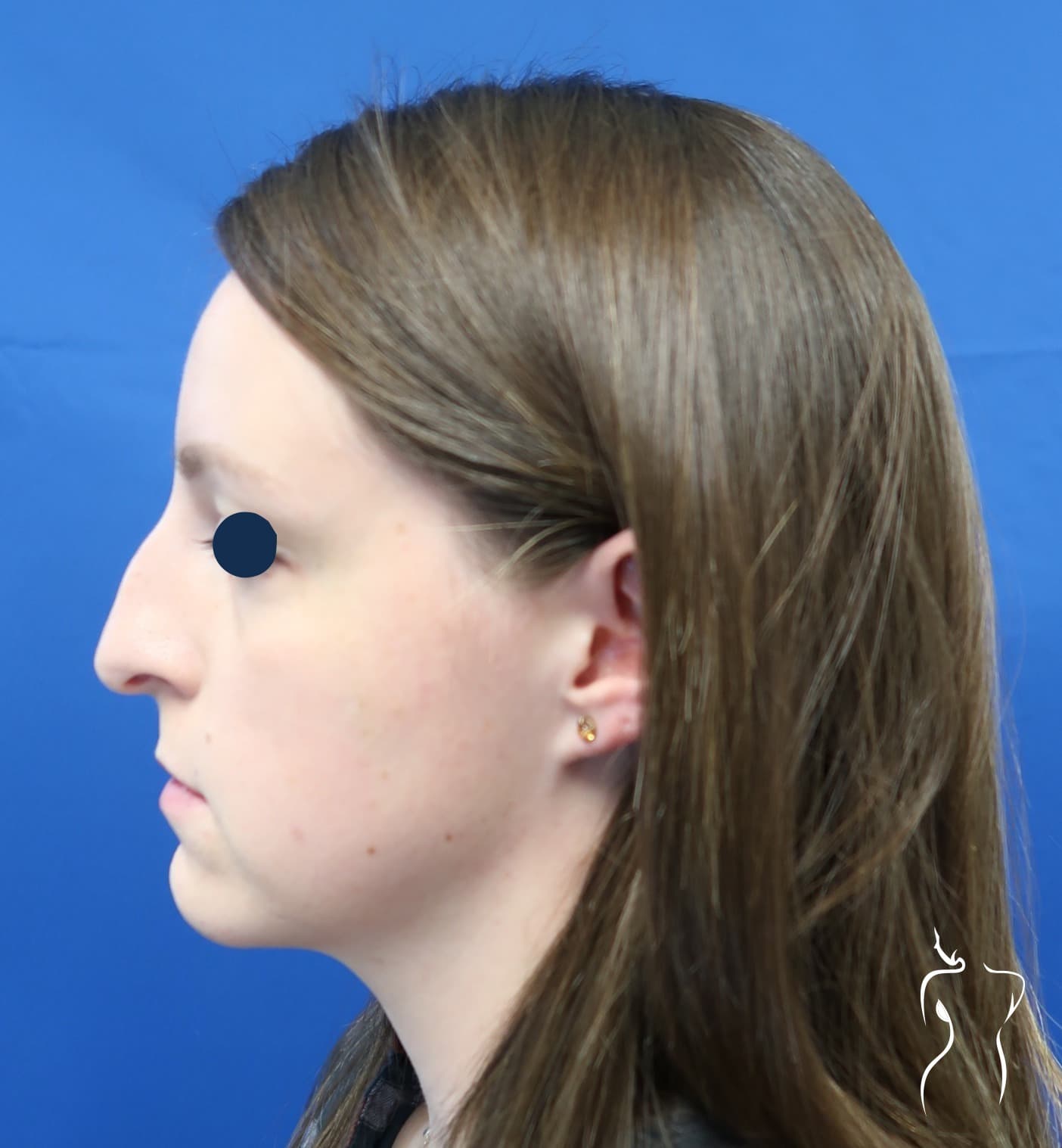
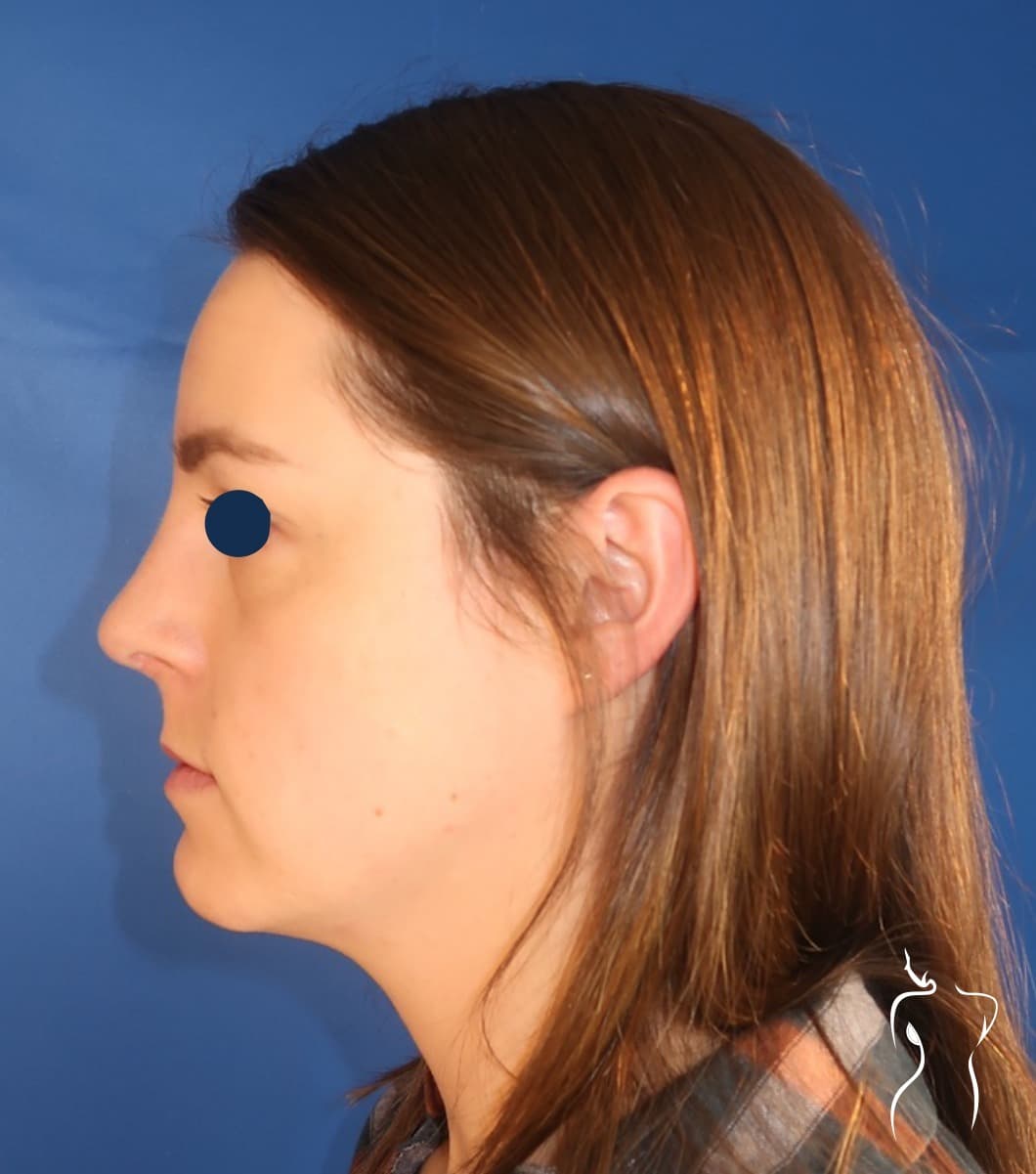
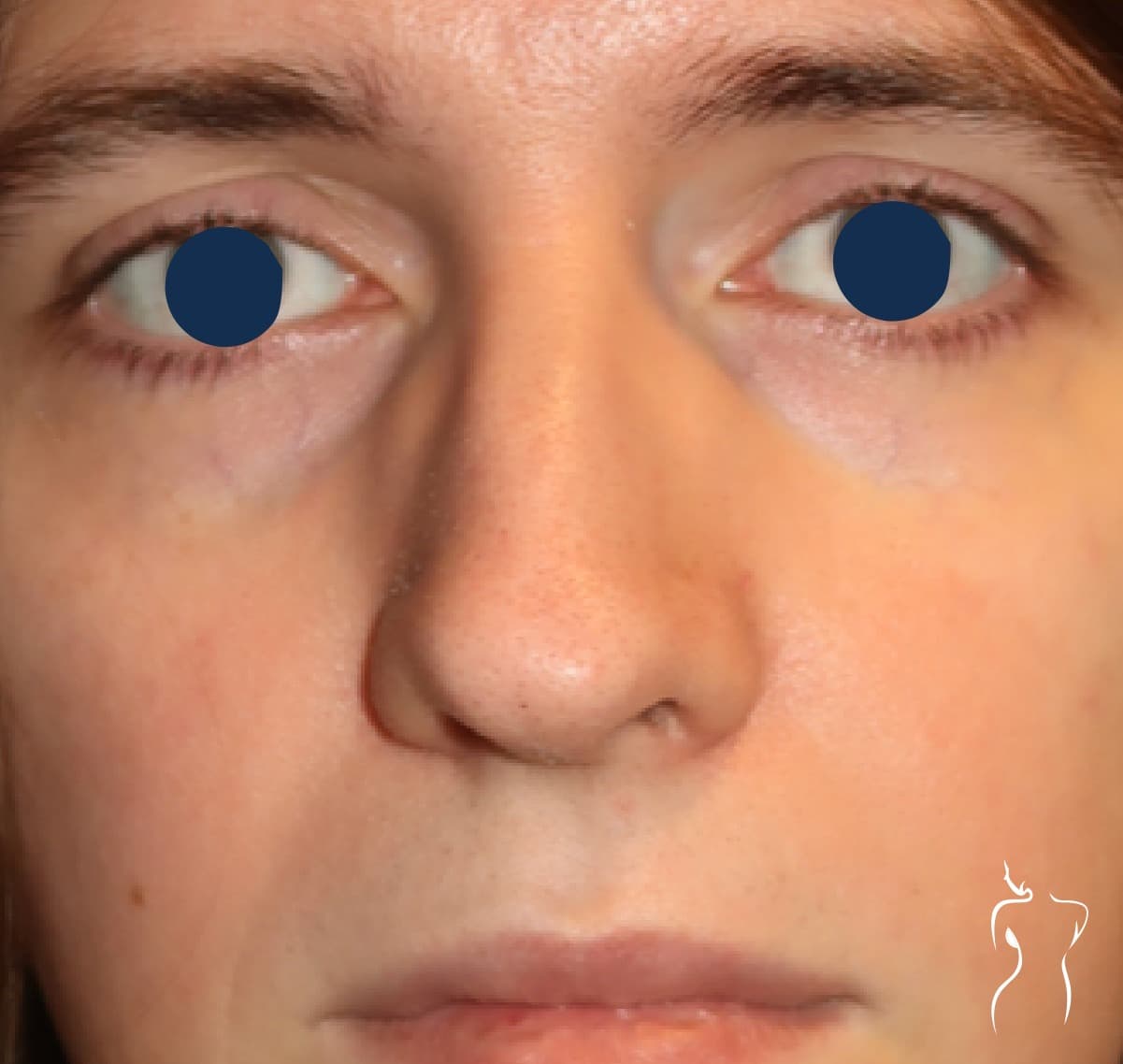
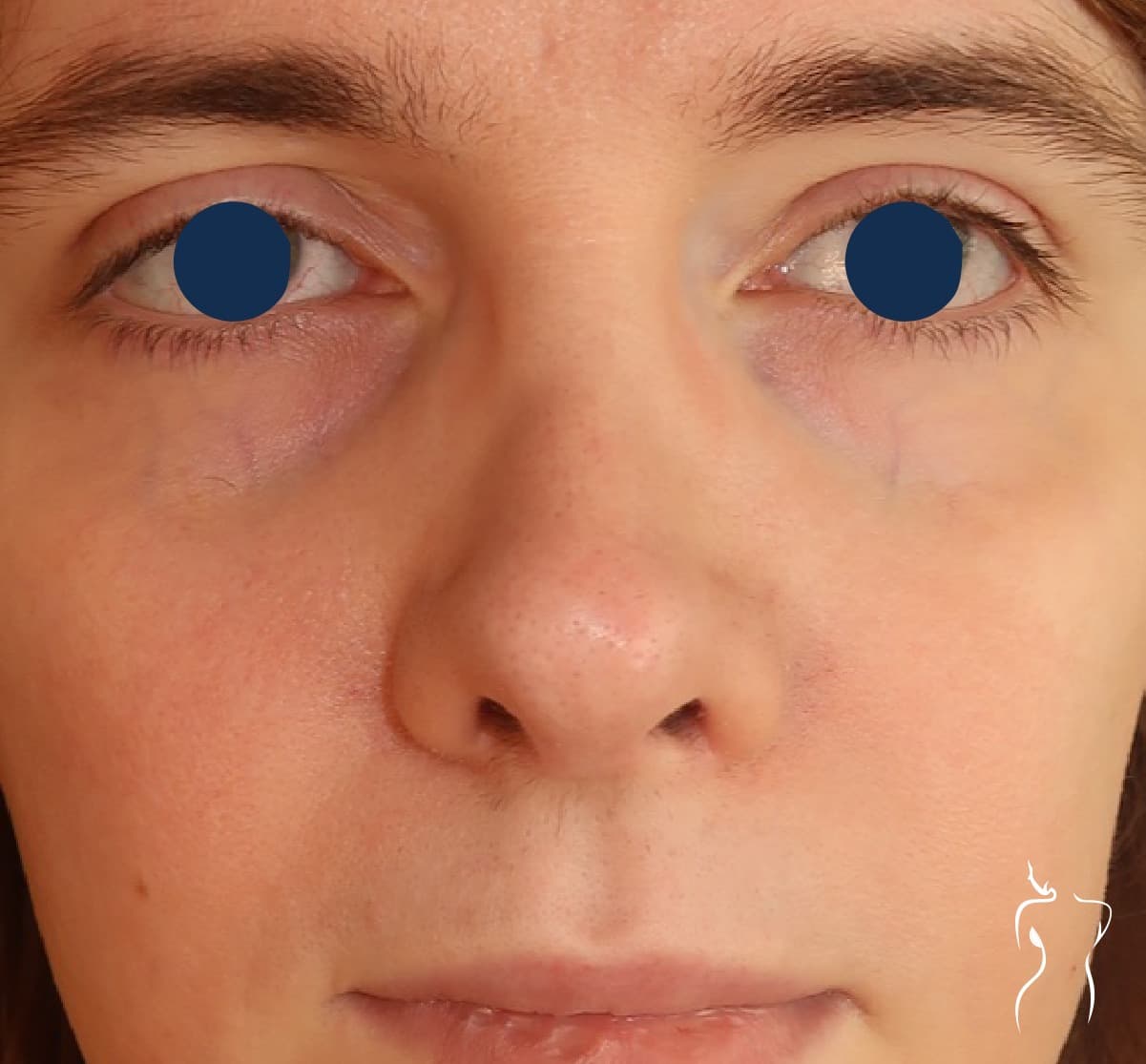
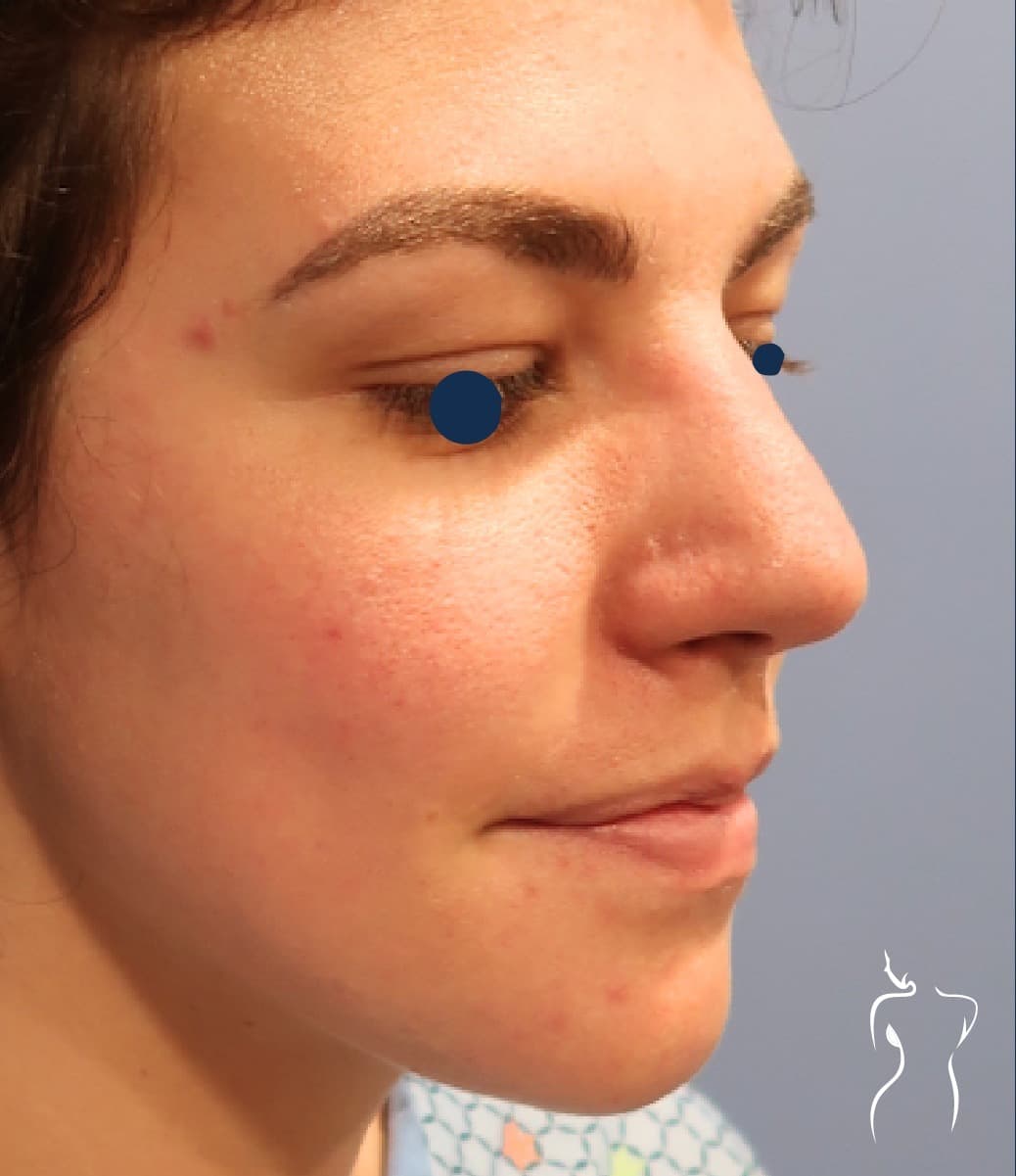
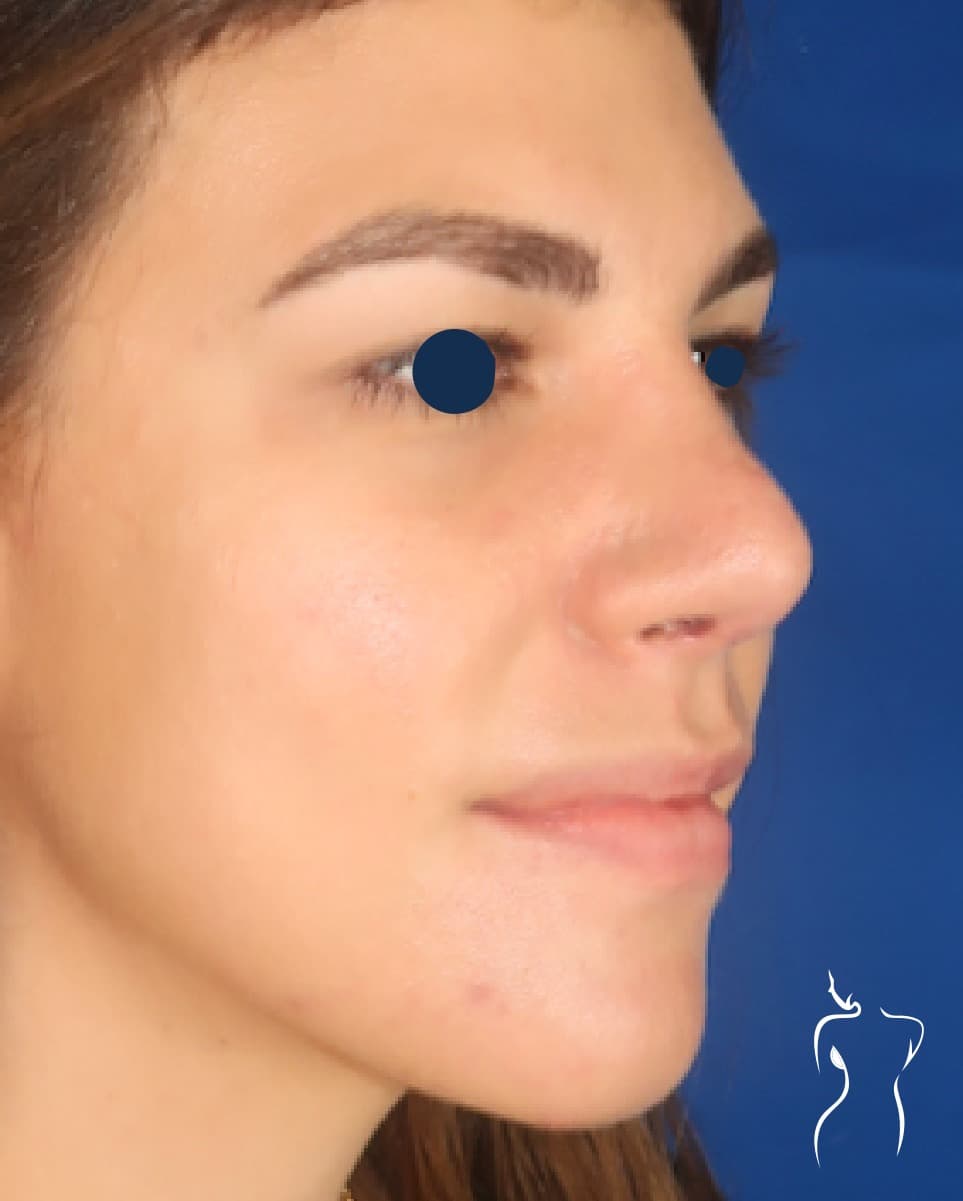
Rhinoplasty & Chin Implant
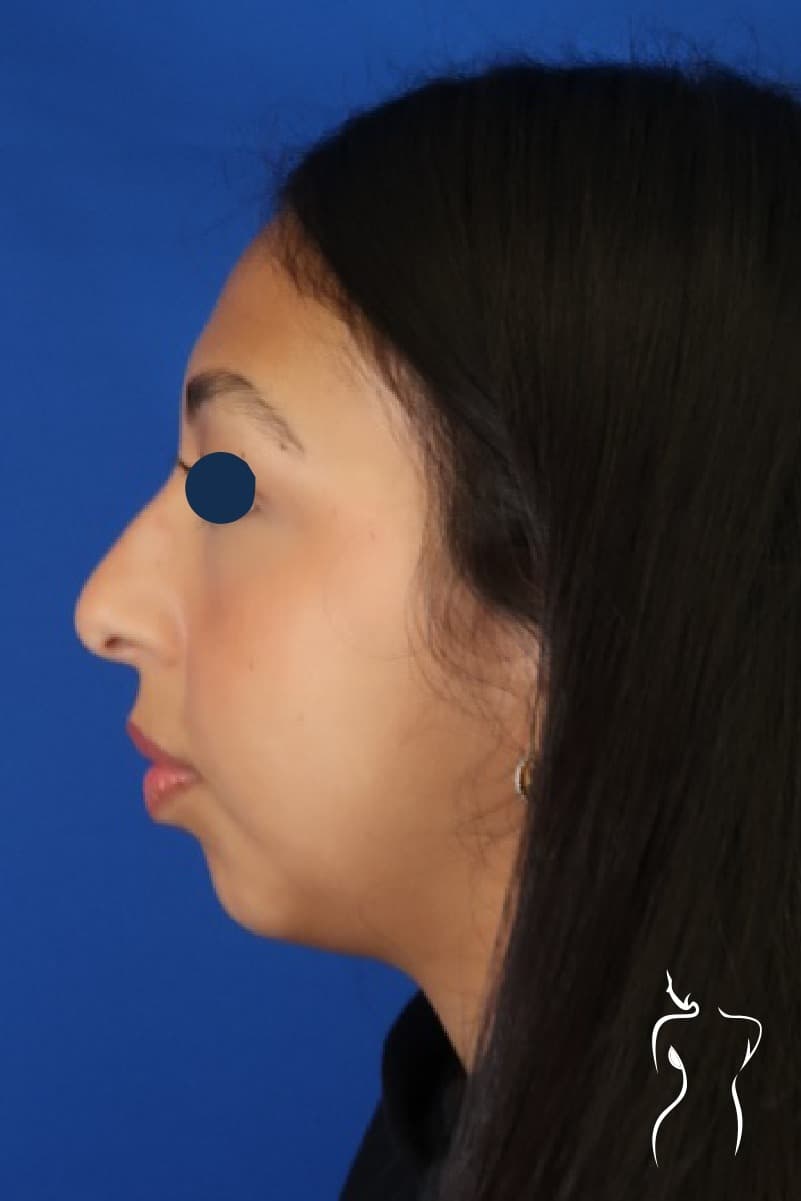
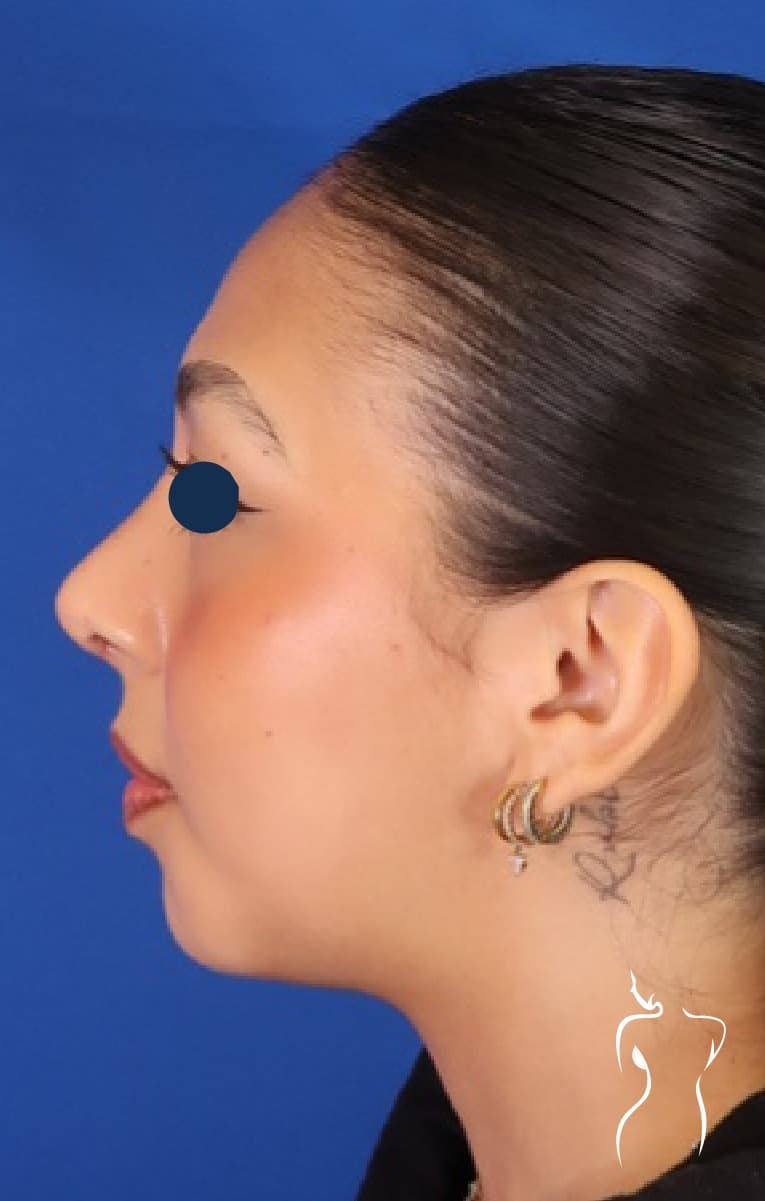
Results vary from person to person. The right comparison starts with your anatomy and your goals, in consultation.
See results like these in person. Plan a consultation with Dr. Day.
The operation
Every consultation — and every operation — is with Dr. Day.
Open rhinoplasty, through a small incision at the columella, gives full access for complex structural and tip work; closed rhinoplasty keeps every incision internal for more limited refinements. The choice is anatomical, decided by what your nose needs.
Planning happens before the operating room. The consultation examines nasal anatomy, facial proportion, and how you actually breathe, with three-dimensional imaging where it helps you see what is being proposed. The nose is bone, cartilage, and soft tissue behaving as one structure, so a change to any of the three moves the others — which is precisely why it gets planned in three dimensions rather than sketched on a photograph.
Functional work — septoplasty and turbinate reduction for obstructed breathing — folds into the same operation when indicated, and the functional portion may be eligible for insurance, with the office assisting pre-authorization.
The surgical package is itemized plainly: surgeon, facility, anesthesia by a board-certified anesthesiologist or CRNA, a long-acting local anesthetic for enhanced recovery, cosmetic-surgery insurance coverage, and scar care are all stated in your written quote.
Is it right for you
Candidates are in good health, done with facial growth — typically mid-to-late teens at the earliest — and clear about what bothers them. Goal imaging at consultation makes the conversation concrete.
The design intent is a nose that suits your face rather than announcing itself. If the honest answer is that surgery would change less than you hope, you will hear that before anything is scheduled.
One distinction worth drawing early: filler can camouflage a small irregularity without surgery, and the practice offers that as a separate medical-spa treatment. It is temporary, it adds volume rather than removing it, and it does nothing for breathing. Where the goal is structural — a hump reduced, a tip refined, a septum straightened — surgery is the tool that does it, and it is worth knowing which conversation you are actually in.
Recovery
The splint comes off around the end of week two, and most patients are socially presentable then. Desk work resumes in week one; exertion builds from week two at half effort, with contact sports waiting for clearance at four to six weeks.
Roughly three-quarters of the swelling resolves by three months; the final refinement, especially at the tip, takes twelve to eighteen months. That timeline is normal and worth knowing on day one.
How the weeks before and after surgery fit together is covered in the practice's recovery guide.
Plan a consultation with Dr. Day.
Patient Voices
Individual results vary. Quotes are verbatim excerpts from reviews published by patients.
“Dr. Day did a great job with my rhinoplasty. Surgery went well, the results are great, and recovery was very manageable. I look forward to working with him again!”
“I was in a search for a plastic surgeon in seattle for rhinoplasty revision. … Dr Day met with me right away, listened to my story with empathy, provided solutions and explained his processes.”
Questions, answered
The rest belong in a conversation. Consultations are unhurried by design.
Open or closed rhinoplasty?
Open gives complete access for structural and tip work through a small columella incision that heals inconspicuously; closed keeps incisions internal and suits more limited changes. The decision is anatomical, made from your exam and goals.
Can breathing problems be fixed at the same time?
Yes. Septoplasty and turbinate reduction combine with cosmetic rhinoplasty in one operation, and the functional portion may be partially covered by insurance. The office assists with pre-authorization.
Why does craniofacial training matter for rhinoplasty?
Rhinoplasty is bone-and-cartilage surgery on the most visible structure of the face. Craniofacial fellowship training is subspecialty study of exactly that skeleton, and it is the deepest preparation a rhinoplasty surgeon can bring.
How long until I see the final result?
You look presentable at two weeks and good at three months, but the tip refines for twelve to eighteen months. Judging the result too early sells the operation short.
Will the result look natural?
The goal is a nose that enhances your face rather than announcing itself. Planning in three dimensions against your whole profile is how that stays true.
Is rhinoplasty permanent?
Yes — the structural changes last. Aging continues gently, but the reshaped framework does not revert.
How much does rhinoplasty cost in Bellevue?
Rhinoplasty starts from $11,500, itemized in writing: surgeon, facility, anesthesia, enhanced-recovery medication, and scar care. Functional components may be partially insured, and CareCredit and Alphaeon financing are available.
Financing Options