Mohs Reconstruction in Bellevue
Mohs surgery achieves the highest cure rate of any skin-cancer treatment, and it leaves a defect where the cancer was. Reconstruction is the second half of the treatment: restoring the face after the disease is gone.
The face forgives nothing — it is the most scrutinized surface of the body, and a repair there is judged in millimeters. Dr. Day's craniofacial training exists for exactly this territory.
The practice coordinates directly with your referring Mohs dermatologist, with reconstruction ideally performed the same day or within twenty-four to forty-eight hours of your clearance.


Your surgeon
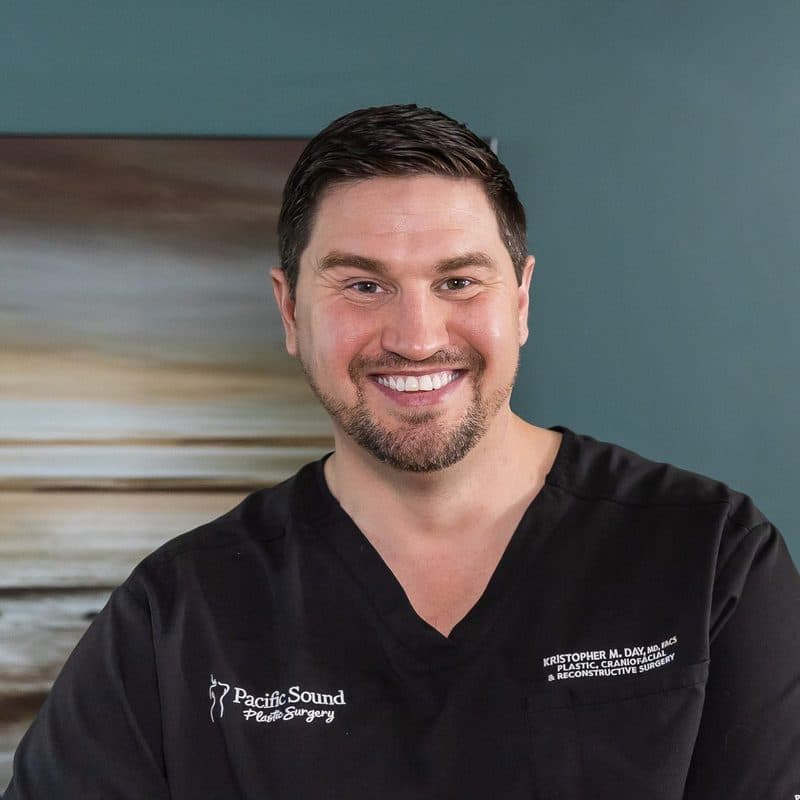
Dr. Kristopher Day is certified by the American Board of Plastic Surgery and the American Board of Surgery, fellowship-trained in craniofacial surgery, and a member of the American Society of Maxillofacial Surgeons.
Meet Dr. DayMohs Reconstruction
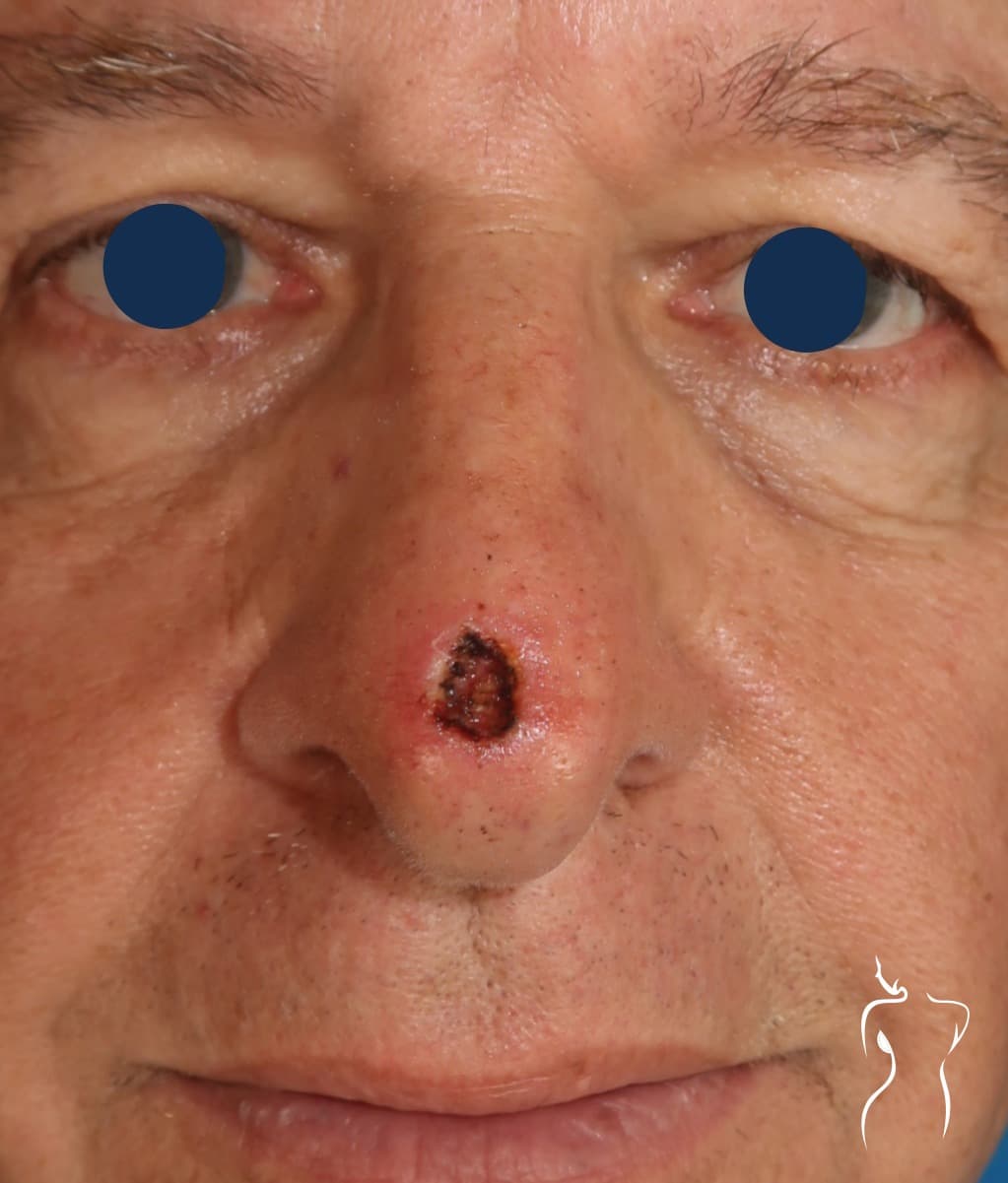
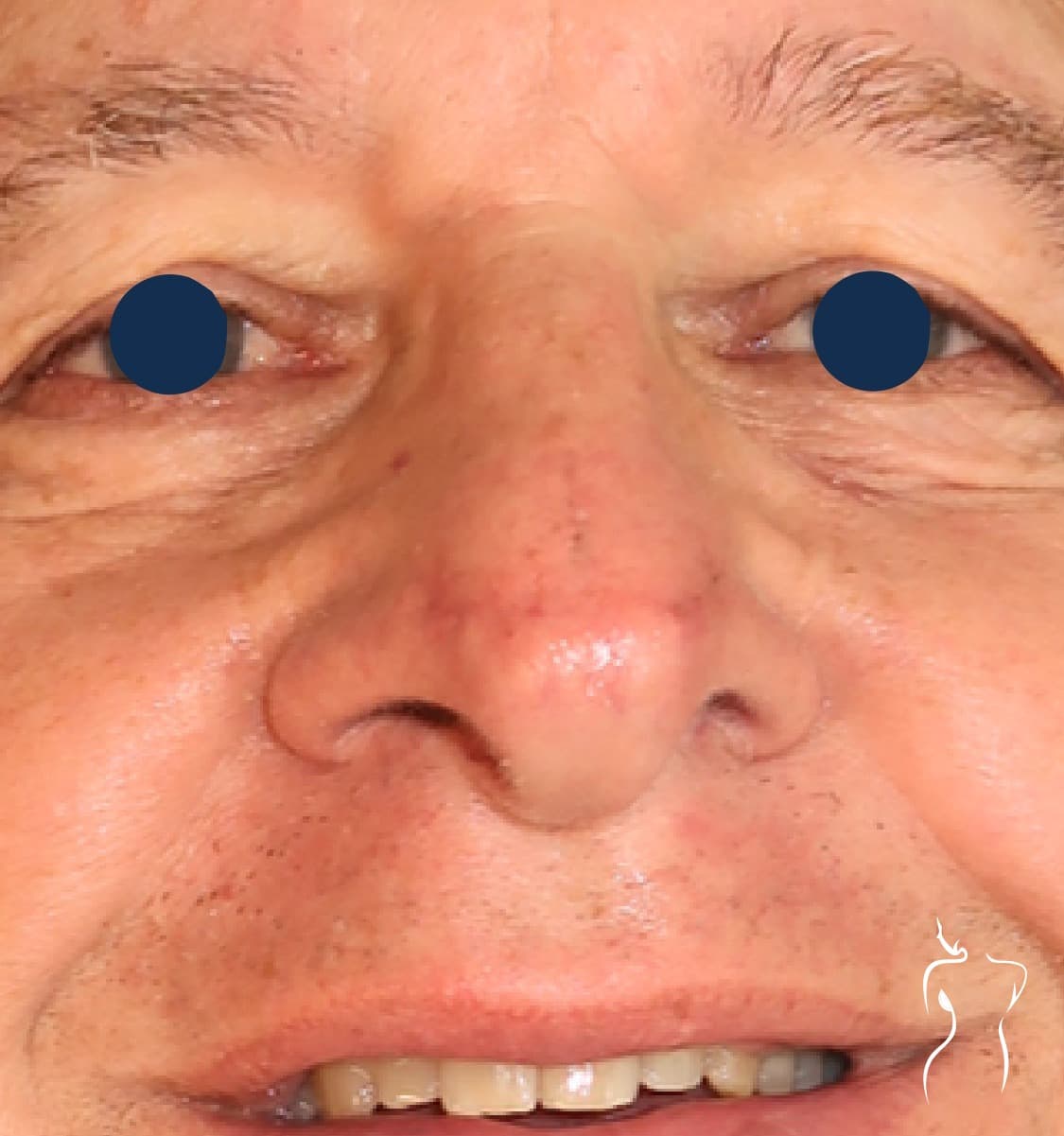
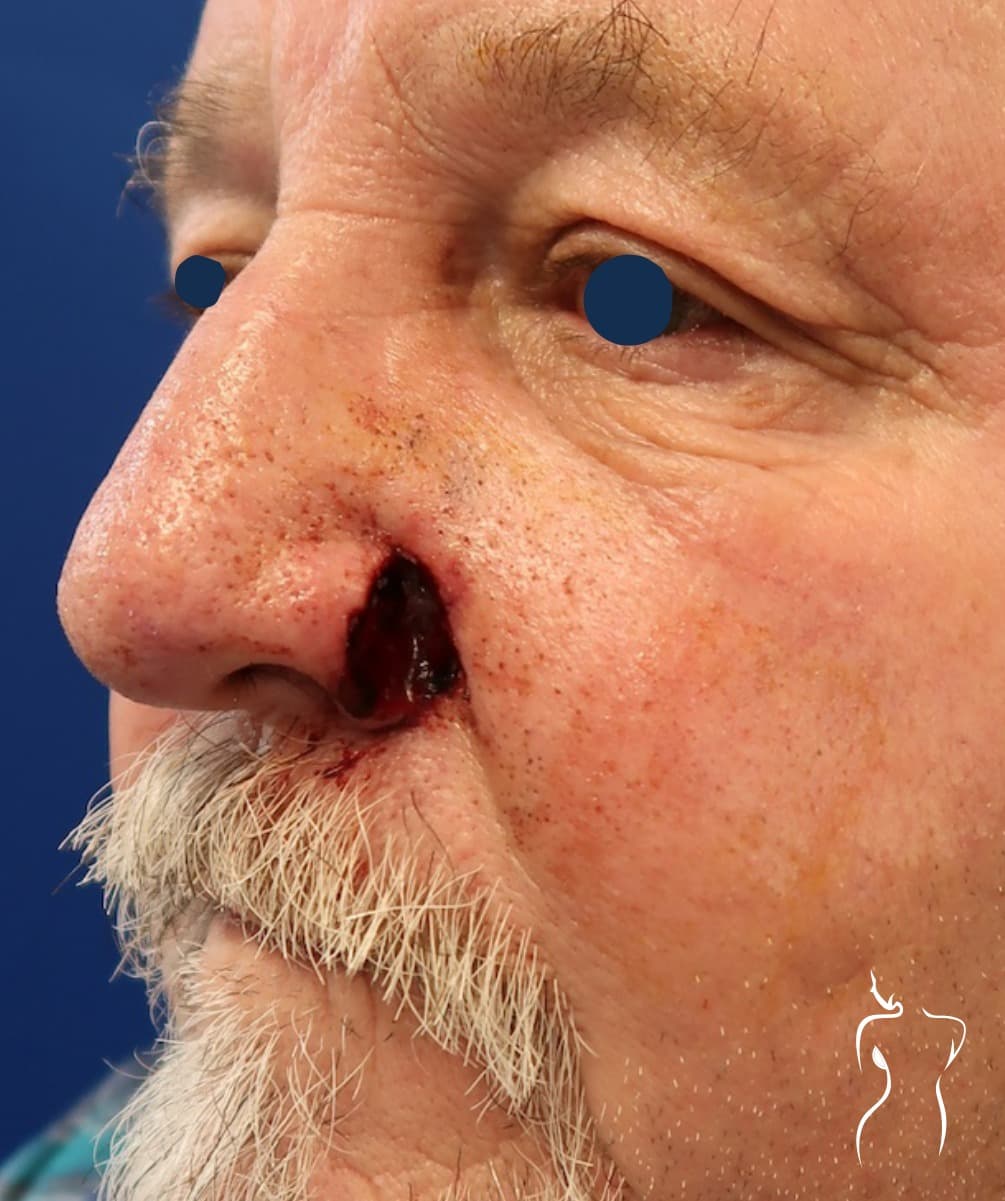
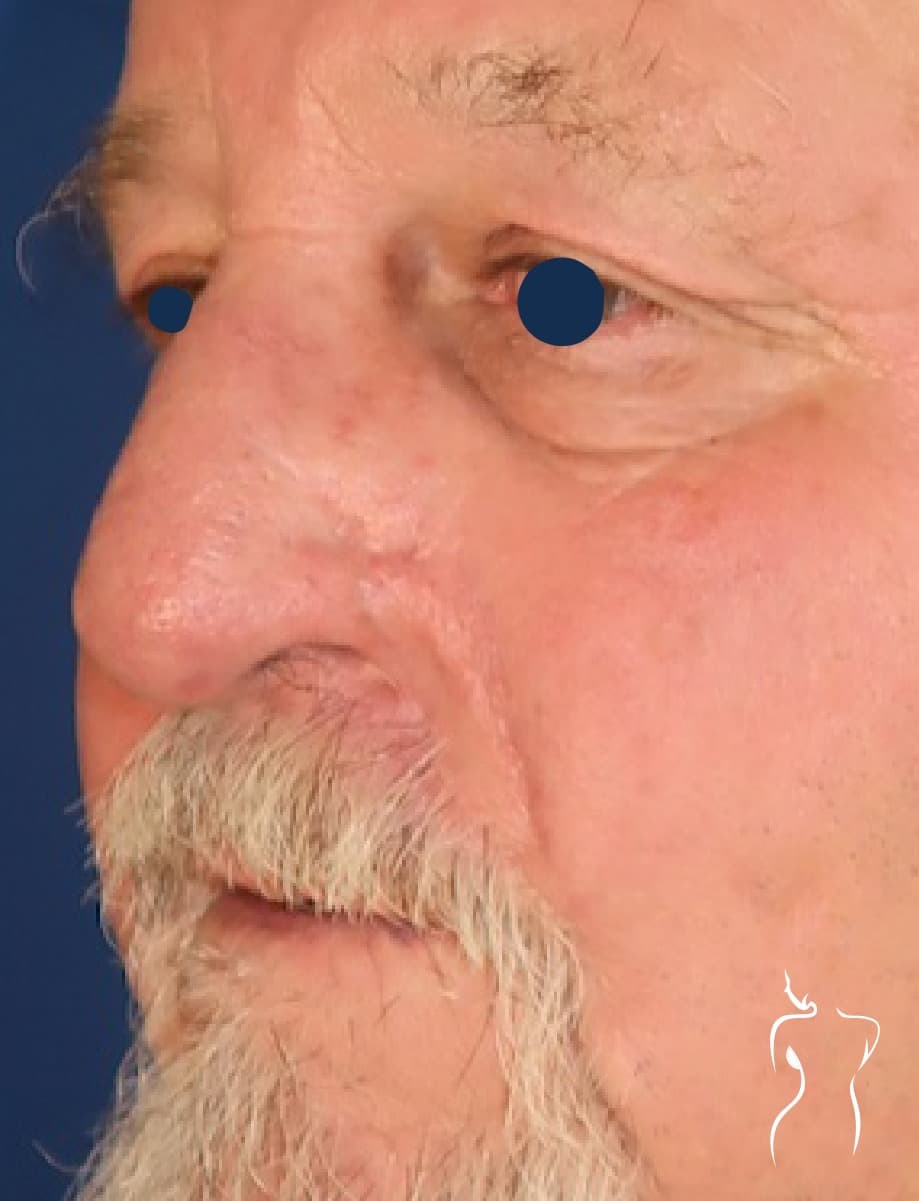
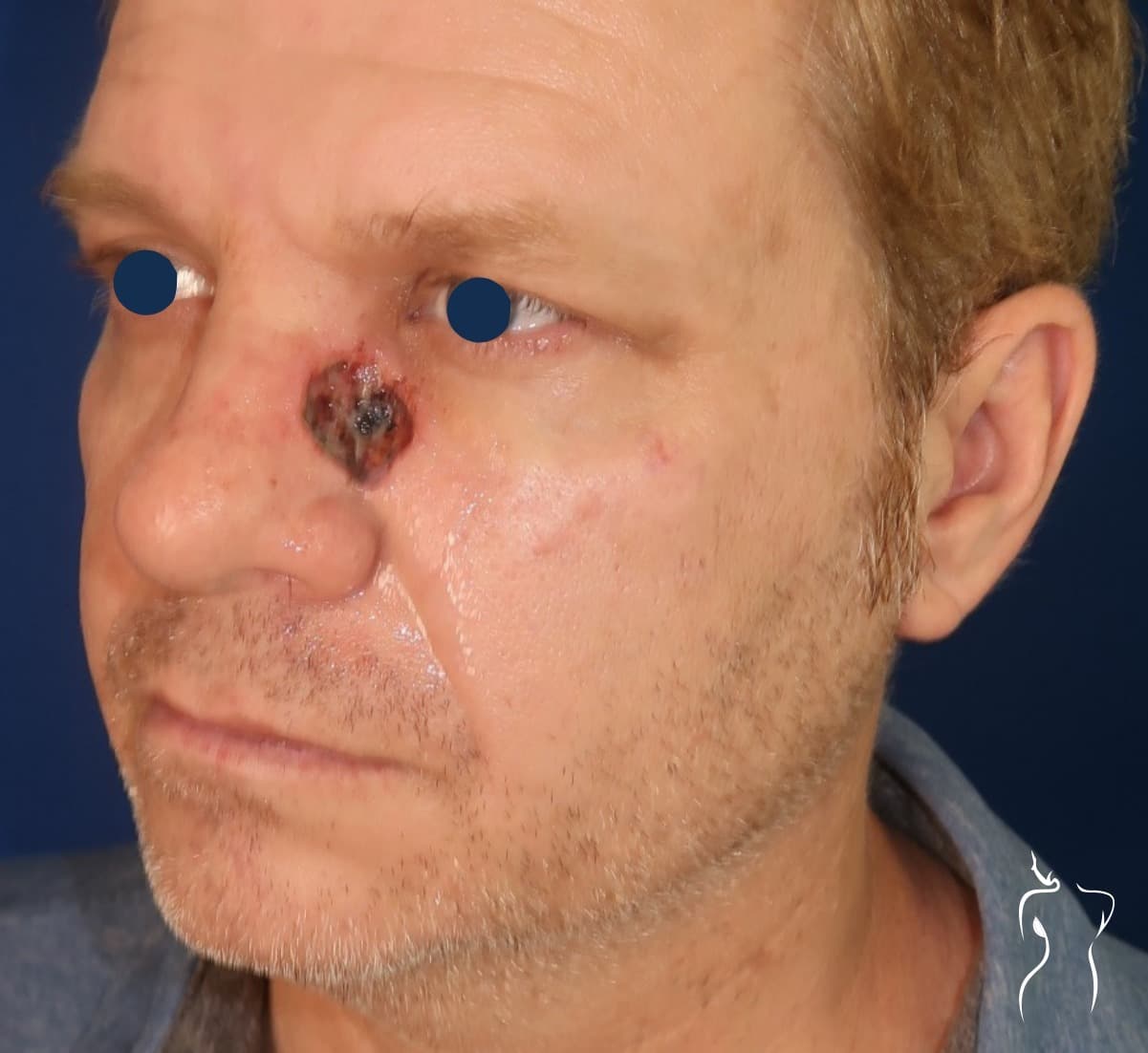
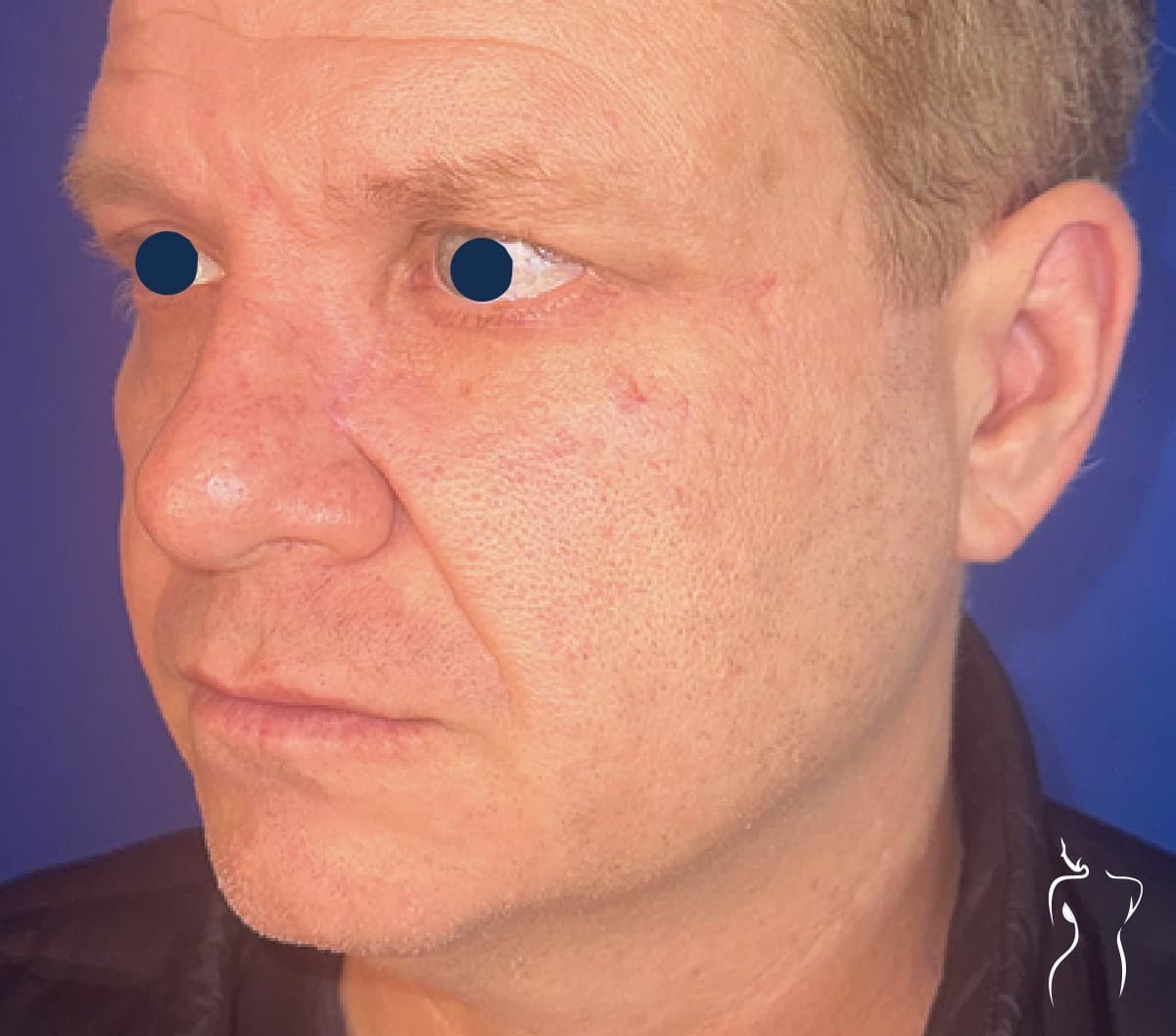
Show all 7 resultsShow fewer
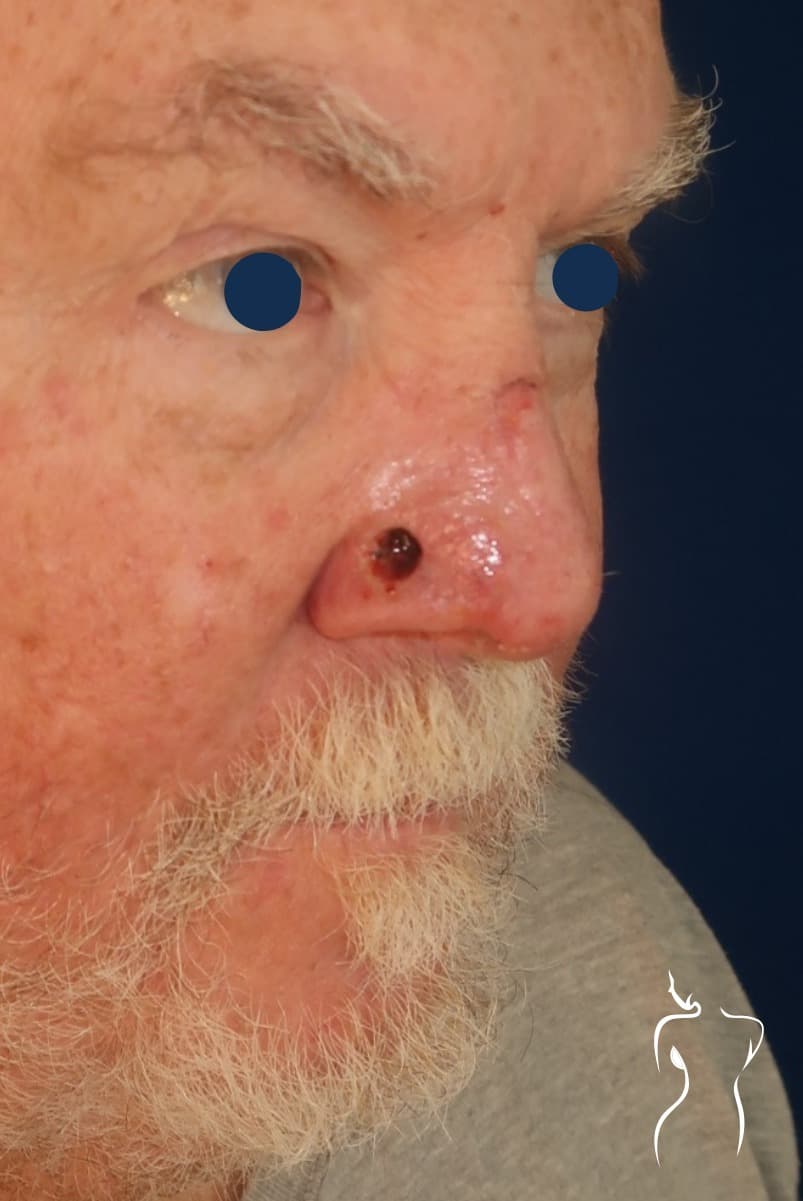
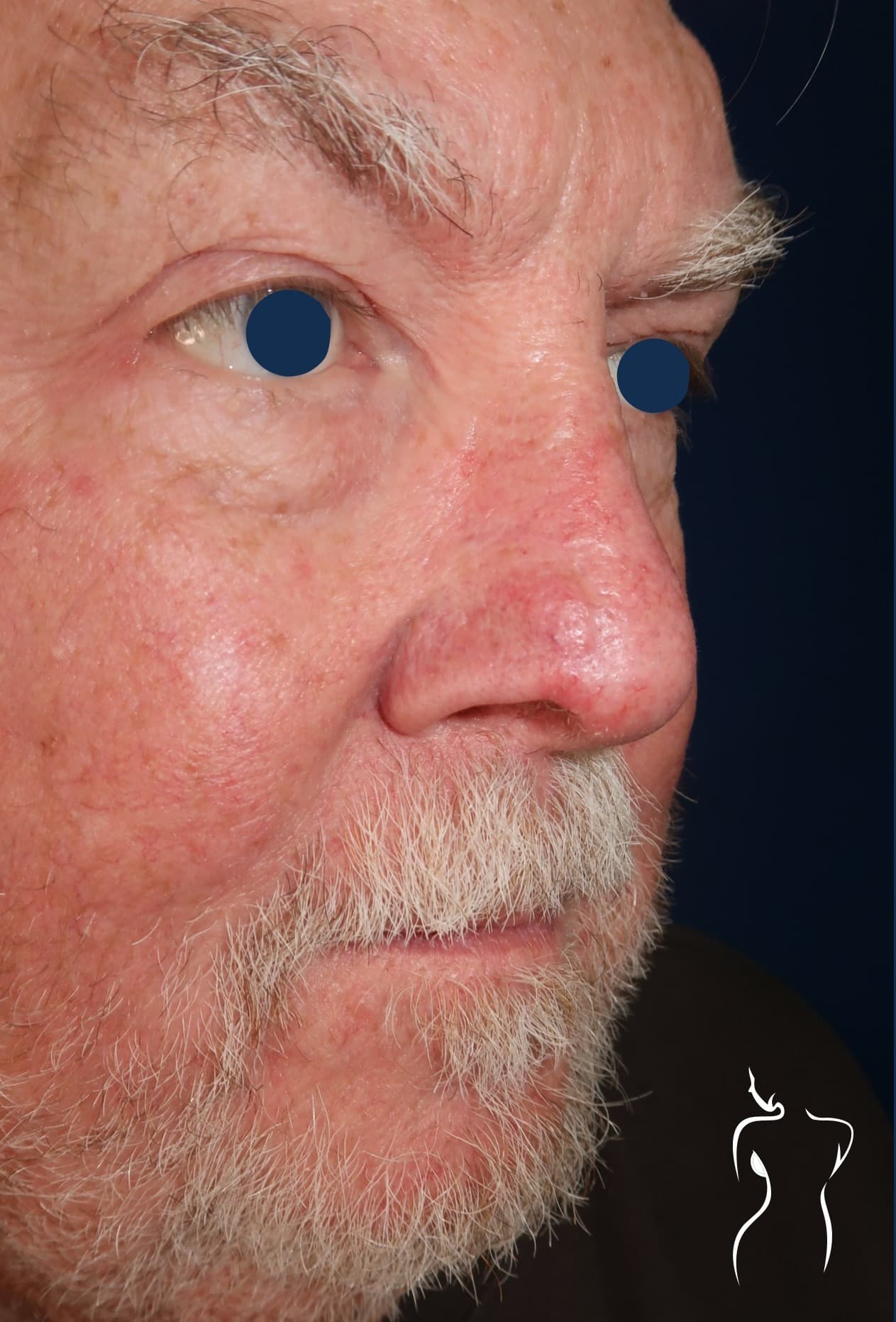
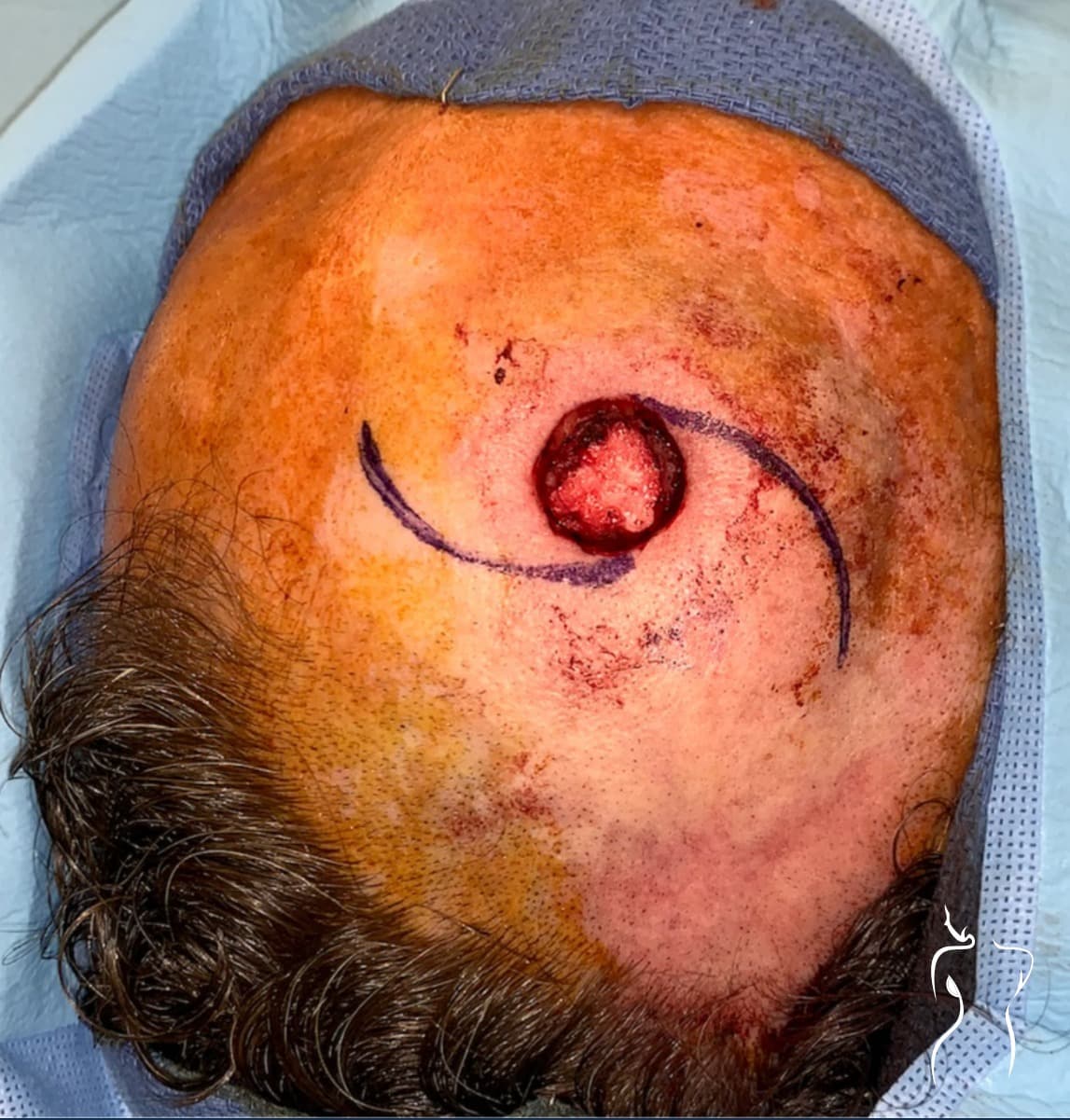
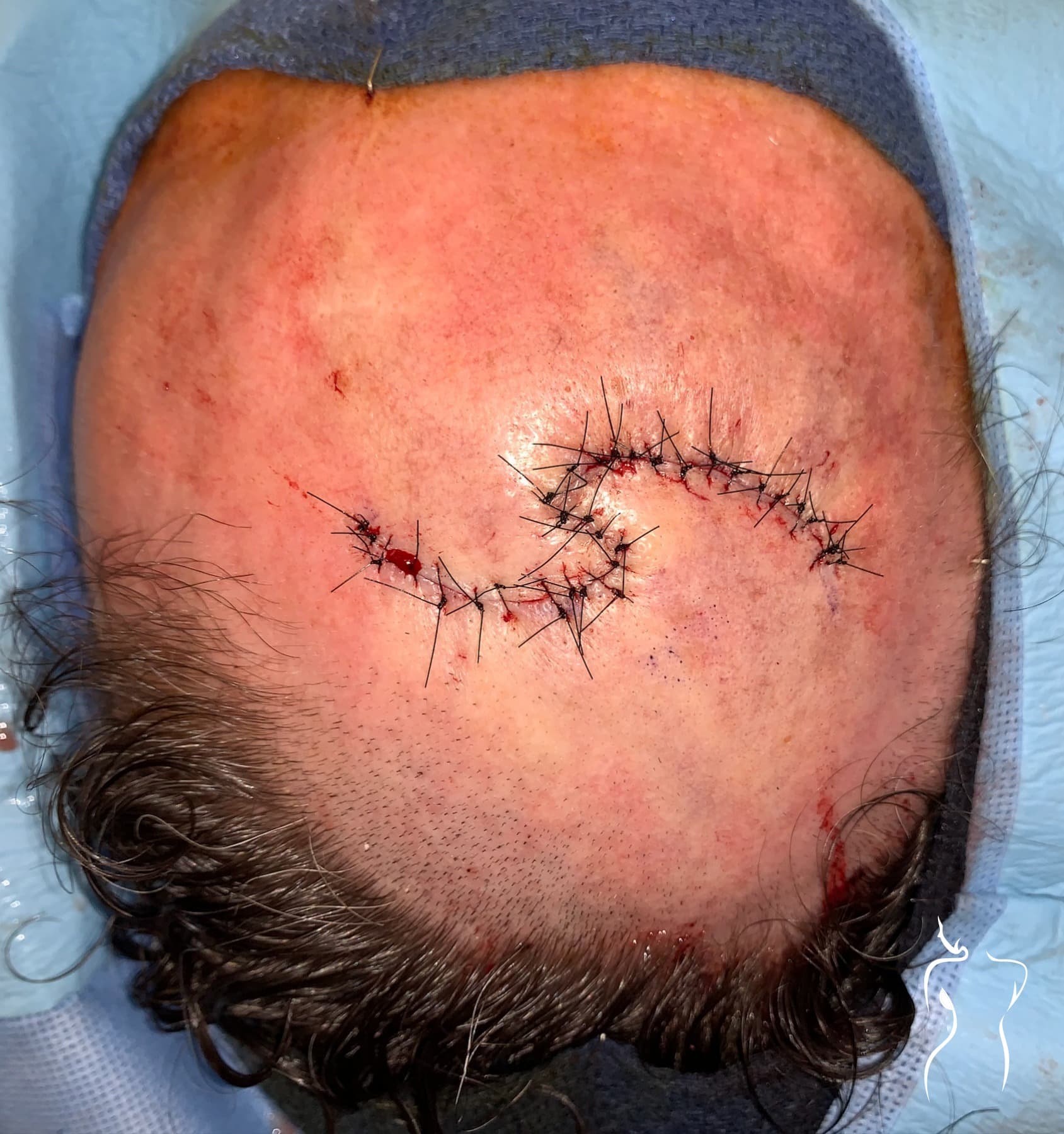
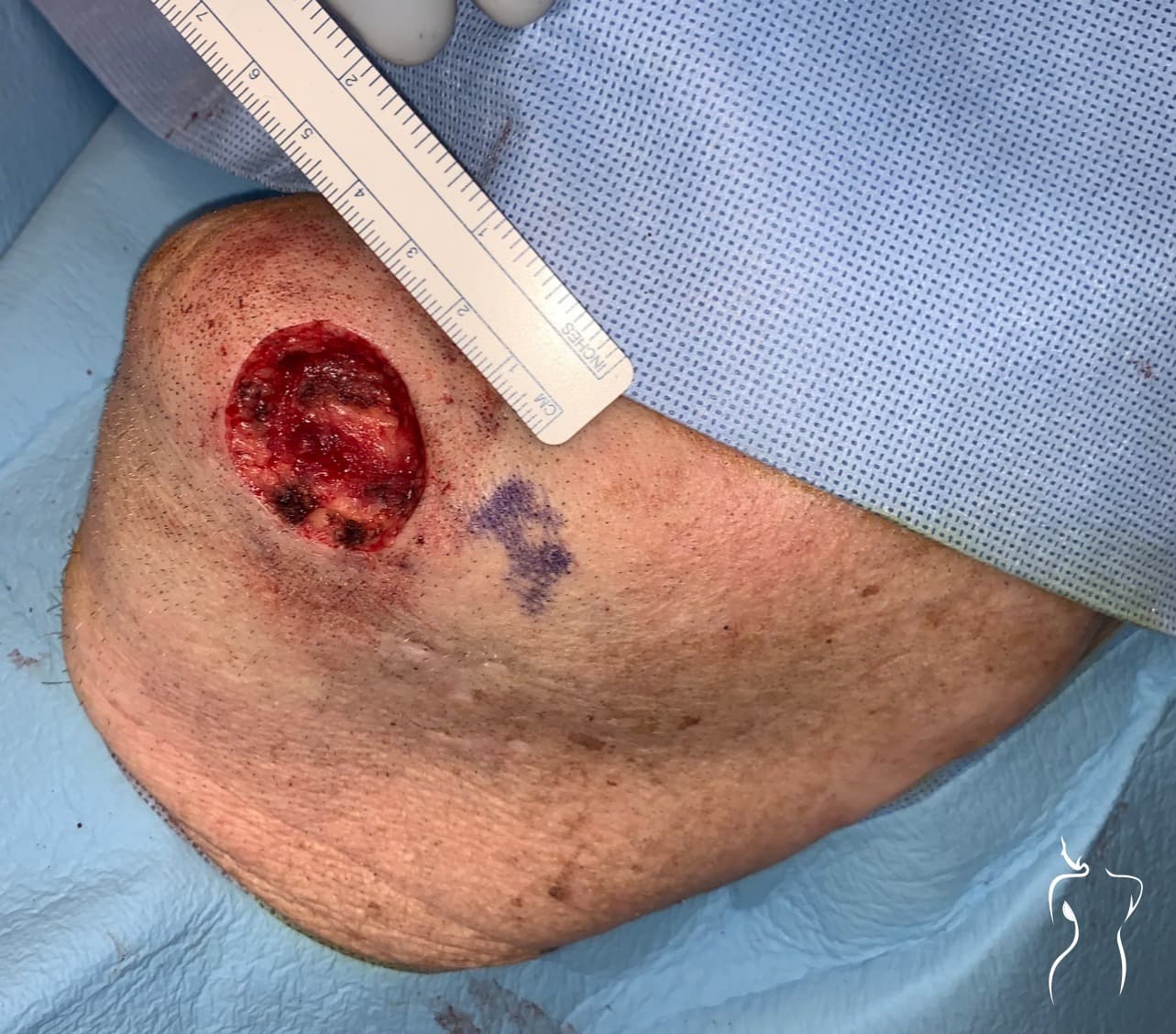
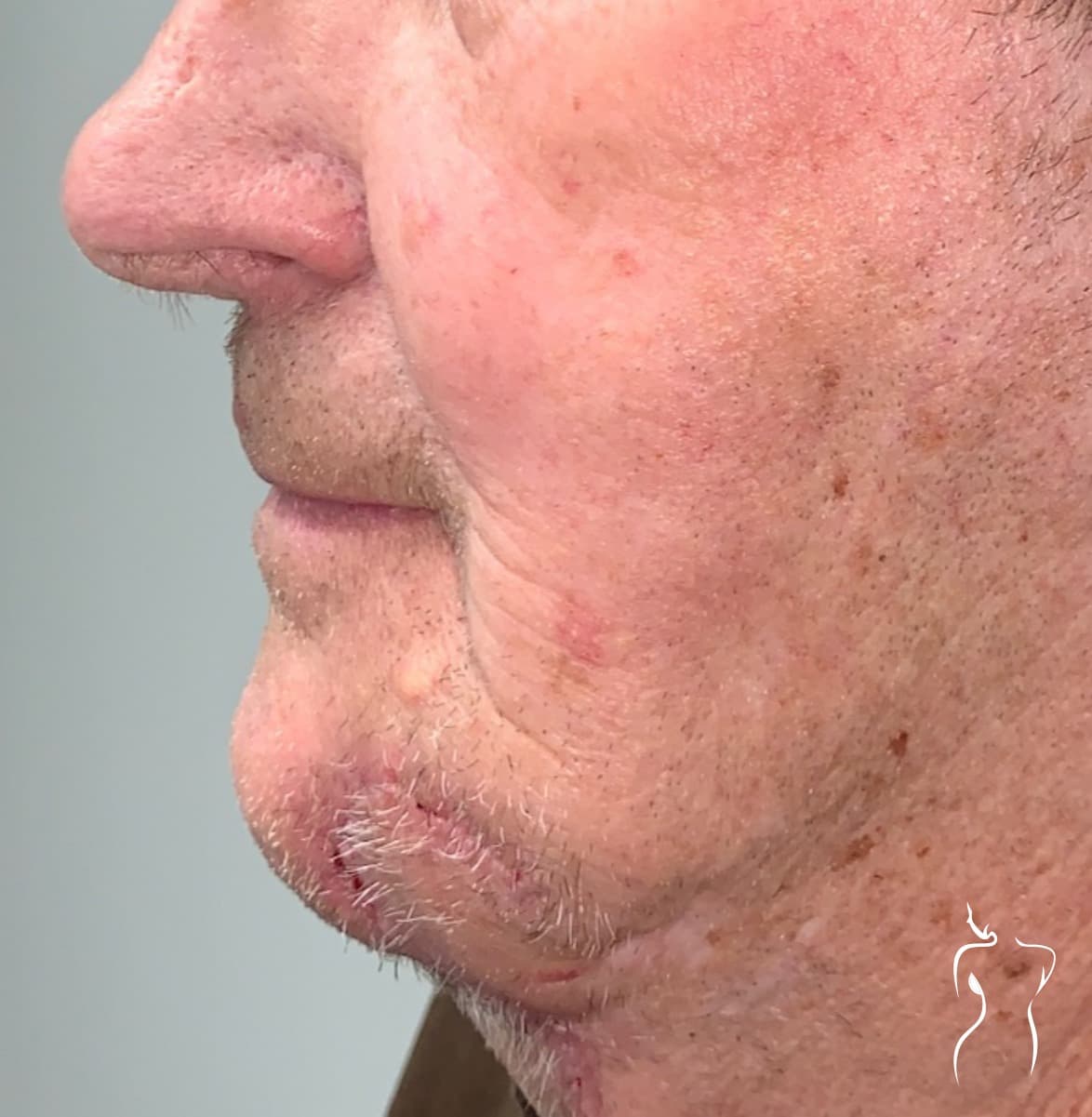
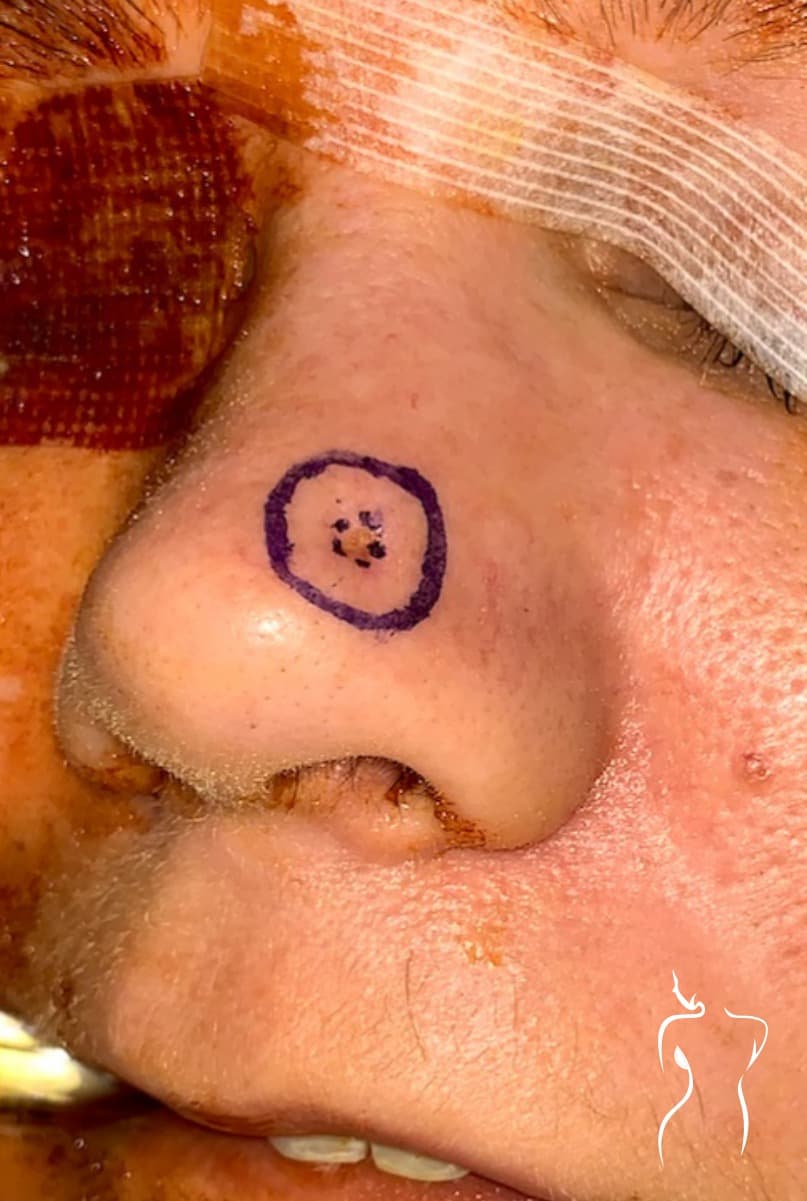
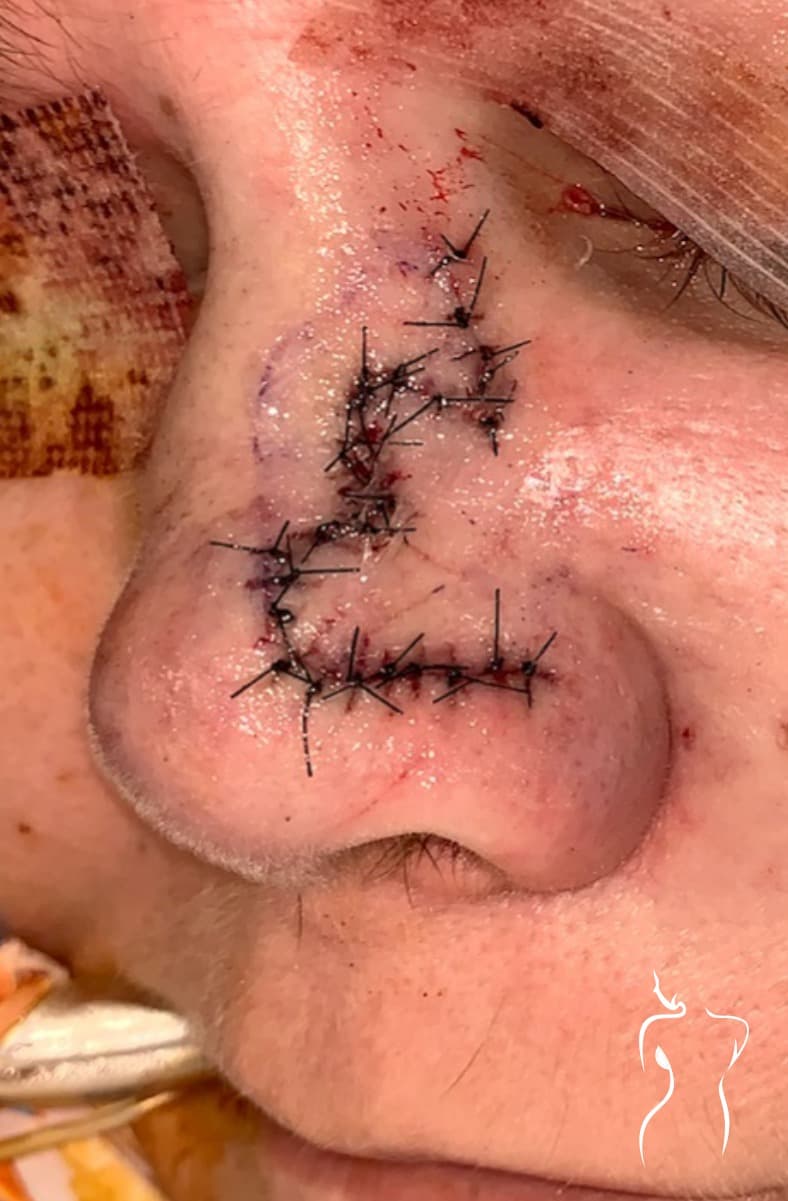
Results vary from person to person. The right comparison starts with your anatomy and your goals, in consultation.
See results like these in person. Plan a consultation with Dr. Day.
How the repair is planned
Every consultation — and every operation — is with Dr. Day.
Mohs works by removing tissue in layers and checking each margin under the microscope before going further. That is what makes it precise, and it is also why the defect is not known in advance: the cancer is cleared first, and what remains is whatever it takes to clear it.
The face is read in aesthetic units, with convexities, concavities, and tension vectors that decide whether a closure settles invisibly or pulls. The defect's size, location, depth, and the mobility of the tissue around it determine the technique. Planning starts before surgery day, with Dr. Day reviewing photographs and the anticipated defect with your Mohs team.
The reason this matters is specific rather than abstract. A closure planned without regard for those tension lines can leave a visible step-off, a lower eyelid pulled down and away from the eye, a notched or asymmetric lip, or a nostril rim drawn out of shape. Those are functional problems as much as cosmetic ones, and they are far easier to avoid than to correct later.
Most reconstructions run thirty minutes to three hours under local anesthesia with optional oral or IV sedation. General anesthesia is reserved for the largest composite defects, usually those involving the eyelid, nose, lip, or ear. Everything is outpatient, and you go home the same day.
The reconstructive menu
The defect chooses the repair. These run roughly from simplest to most involved, and the goal is always the least complex option that will restore the unit properly.
Primary closure
The defect is closed in a line, routed along an existing crease or relaxed skin tension line so the scar reads as something the face already had.
Advancement and rotation flaps
Neighboring skin is released and moved into the defect, bringing matching color, thickness, and texture with it. A graft can never match the way adjacent skin does.
Transposition flaps
Rhomboid and bilobe patterns pivot tissue in from a direction that has laxity to spare, redistributing tension away from anything that would distort — an eyelid margin or a nostril rim.
Interpolated flaps
For deeper nasal defects, a paramedian forehead flap brings tissue down on its own blood supply, often with cartilage grafting to rebuild structural support. It is staged: the pedicle is divided at a brief second procedure a few weeks later.
Full-thickness skin graft
Where no flap can reach, skin is taken from a donor site chosen for its match and laid into the defect. Simpler to perform, and honestly more variable in final color and texture than a flap.
Coordinating with your dermatologist
Most patients arrive referred by their Mohs surgeon, scheduled so reconstruction follows clearance within a day or two — the window in which tissues repair best. If you have a Mohs procedure scheduled, the ideal time to arrange reconstruction is before it.
You can also come directly: the office coordinates with your dermatologist either way, and a referral is not required. A referral does help in one practical respect, which is that it brings your pathology results, defect photographs, and operative notes with it.
Bring your pathology report, any photographs taken during the Mohs procedure, your insurance cards, and a current medication list. Many Mohs surgeons hand patients those photographs specifically so the reconstructive surgeon can see the defect before it is dressed.
Waiting does not disqualify you. Same-day or next-day repair gives the best tissue conditions, but delayed reconstruction is a legitimate plan for patients who need time to arrange things, and revision of a defect that has already healed or closed on its own is ordinary reconstructive work.
Recovery
Initial healing takes one to two weeks depending on the repair; interpolated flaps add a short second stage. Scars fade progressively over six to twelve months, supported with silicone-based scar care such as Biocorneum.
Set expectations honestly on the scar itself: every operation leaves one, and no surgeon can promise you an invisible result. What technique controls is where the scar sits, how tension is distributed across it, and how carefully the layers are closed. Those are the variables that decide whether a mature repair goes unnoticed, and they are worth getting right the first time.
The three aims are plain: a wound that closes and stays closed, facial function preserved, and a scar that becomes hard to find. Cosmetic refinement — dermabrasion or scar revision — can follow once healing matures, and is planned honestly as its own step where it will help. Any purely cosmetic component is billed separately, since insurance covers the reconstruction rather than the refinement.
How the weeks before and after surgery fit together is covered in the practice's recovery guide.
Plan a consultation with Dr. Day.
Patient Voices
Individual results vary. Quotes are verbatim excerpts from reviews published by patients.
“Dr. Day and his team provided expert individualized care from the initial consultation through post-op check ups.”
“He takes the time to understand your aspirations, vision, and goals, ensuring that your desired outcomes are at the forefront of his care.”
“Dr. Day's knowledge, compassion, and attention to detail made all the difference in my recovery process.”
Questions, answered
The rest belong in a conversation. Consultations are unhurried by design.
Do I need a referral?
No, though most patients come coordinated through their Mohs dermatologist. Either way the office manages scheduling with the dermatology team directly.
How soon after Mohs surgery should reconstruction happen?
Ideally the same day or within twenty-four to forty-eight hours of clearance, while the tissue is freshest. That timing is arranged in advance whenever possible.
Will the repair be visible?
The goal is a repair that disappears into the face's natural lines and units. Flaps recruit neighboring skin of matching color and texture, and scars are routed along creases. Most mature repairs go unnoticed in conversation.
Why have a plastic surgeon do the closure?
For small defects in forgiving locations, the Mohs surgeon's closure serves well. For defects on the nose, eyelids, lips, and ears — where function and appearance are least forgiving — reconstruction by aesthetic unit is a craniofacial-trained plastic surgeon's home ground.
Is reconstruction covered by insurance?
Reconstruction after skin cancer is medically indicated and billed to insurance in most cases. Purely cosmetic refinements are quoted separately and honestly, so there are no surprises.
What anesthesia is used?
Local anesthesia, with oral or IV sedation as wanted, covers most reconstructions. General anesthesia is reserved for the largest repairs.
What should I bring to the consultation?
Your pathology report, any photographs taken during the Mohs procedure, your insurance cards, and a list of current medications. Those photographs matter more than patients expect: they show the defect before it was dressed, which is what the reconstructive plan is built on.
How long does the repair take?
Thirty minutes for a small closure, up to two or three hours for a larger defect involving the nose, eyelid, lip, or ear. It is outpatient either way, and you go home the same day.
Can reconstruction still be done if I waited, or if the wound already healed?
Yes. Repair within a day or two of clearance gives the best tissue conditions, but delayed reconstruction is a normal plan, and revising a defect that has already closed on its own is ordinary reconstructive work.
Can cosmetic refinement be combined with the repair?
Sometimes, when the defect sits near an area that would benefit anyway — a brow, an eyelid, a lip. It is discussed openly at consultation, and any cosmetic portion is billed separately from the reconstruction, since insurance covers one and not the other.