Tummy Tuck in Bellevue
A tummy tuck removes excess skin, clears stubborn fat, and repairs separated abdominal muscle — the three layers that diet and exercise cannot reach. The formal name is abdominoplasty.
Liposuction alone treats fat. An abdominoplasty also corrects skin laxity and muscle separation (diastasis recti), which is why it produces a firmer, flatter abdominal wall than any amount of additional training.
Dr. Day plans every abdominoplasty around your anatomy and your goals, whether the starting point is pregnancy, major weight loss, or time.




Your surgeon
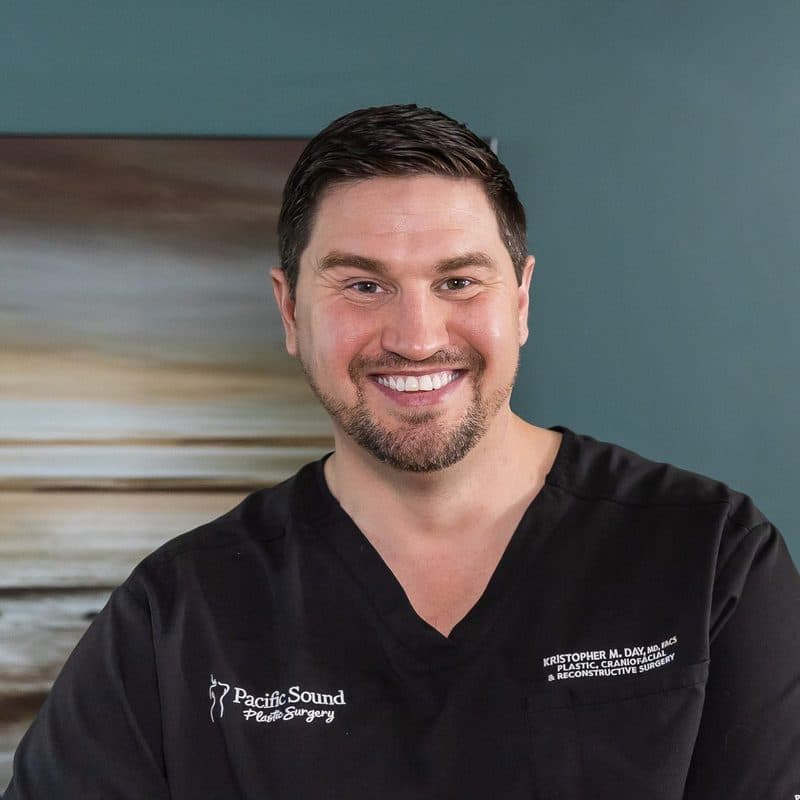
Dr. Kristopher Day is certified by the American Board of Plastic Surgery and the American Board of Surgery, fellowship-trained in craniofacial surgery, and a member of the American Society of Maxillofacial Surgeons.
Meet Dr. DayAbdominoplasty
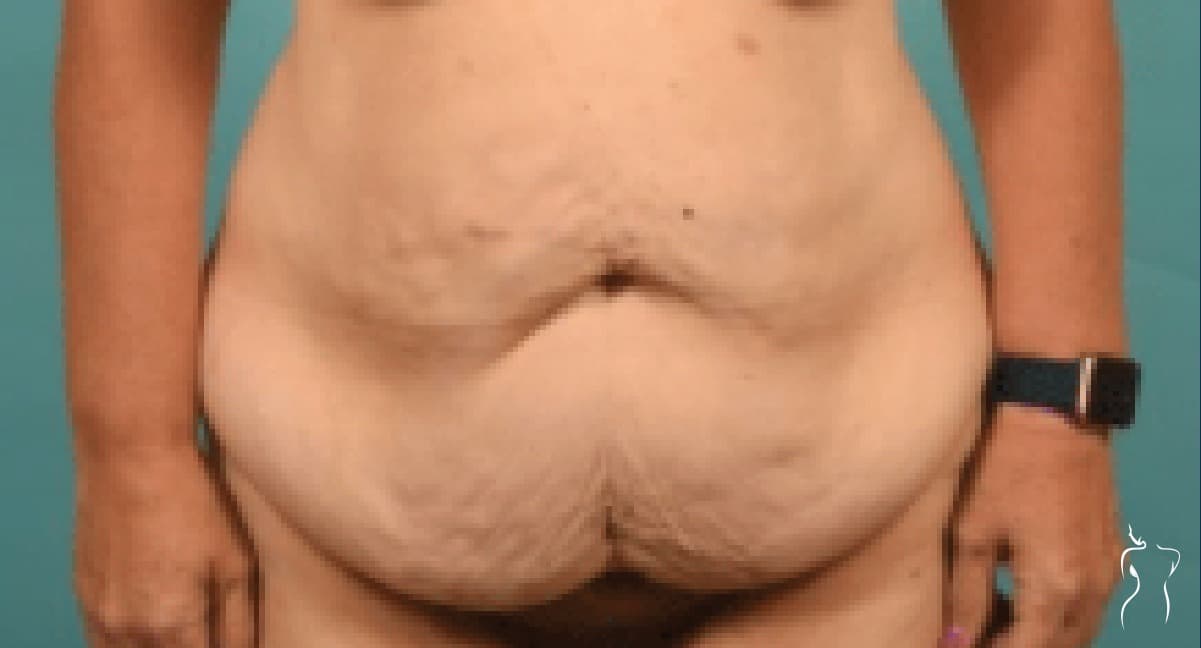
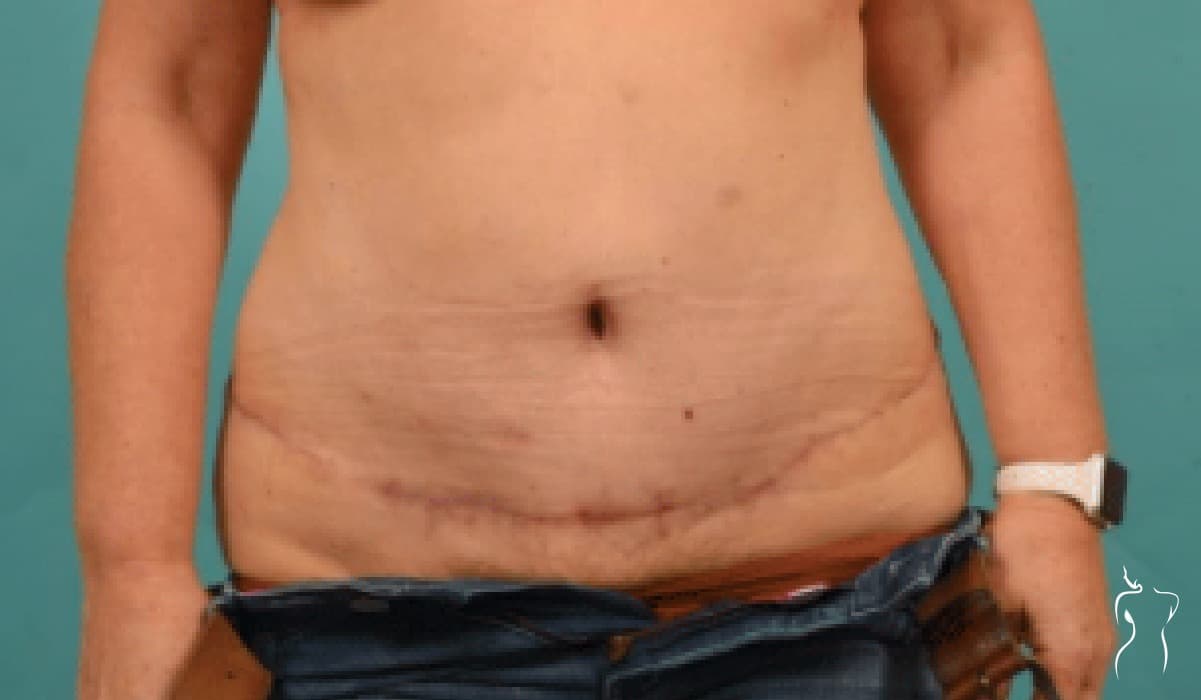
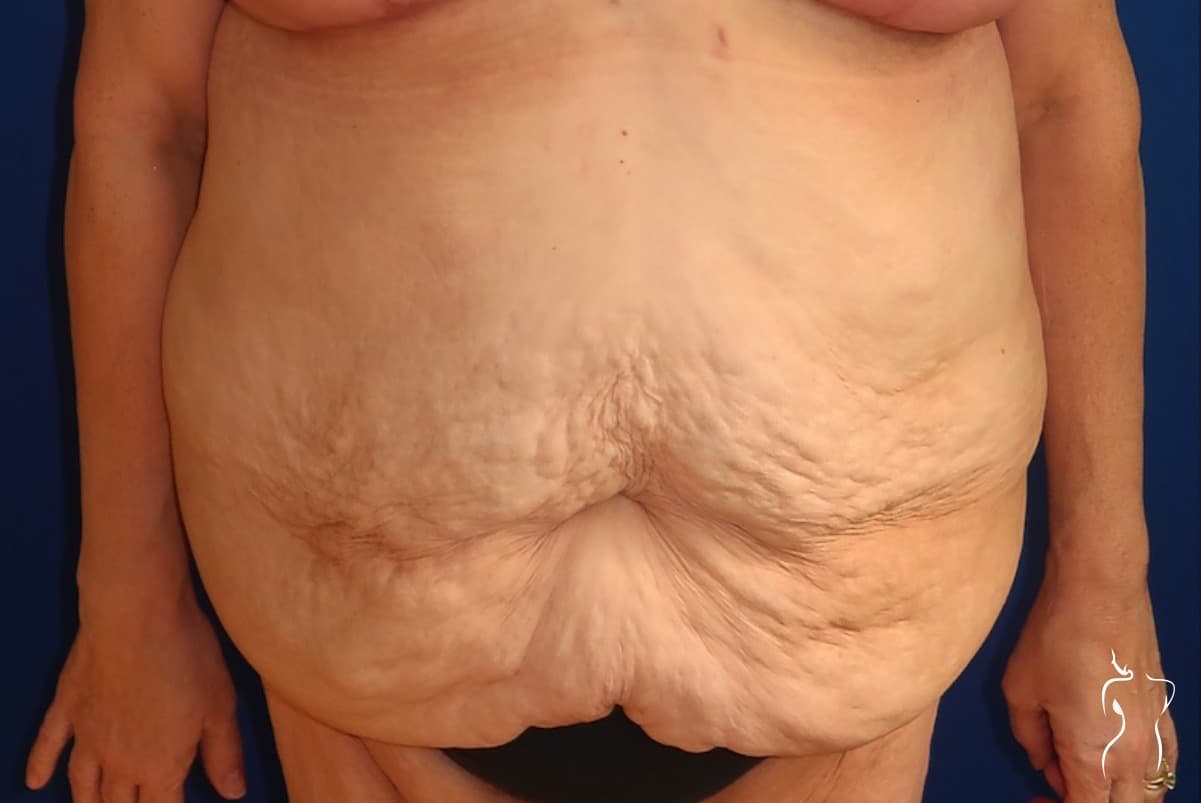
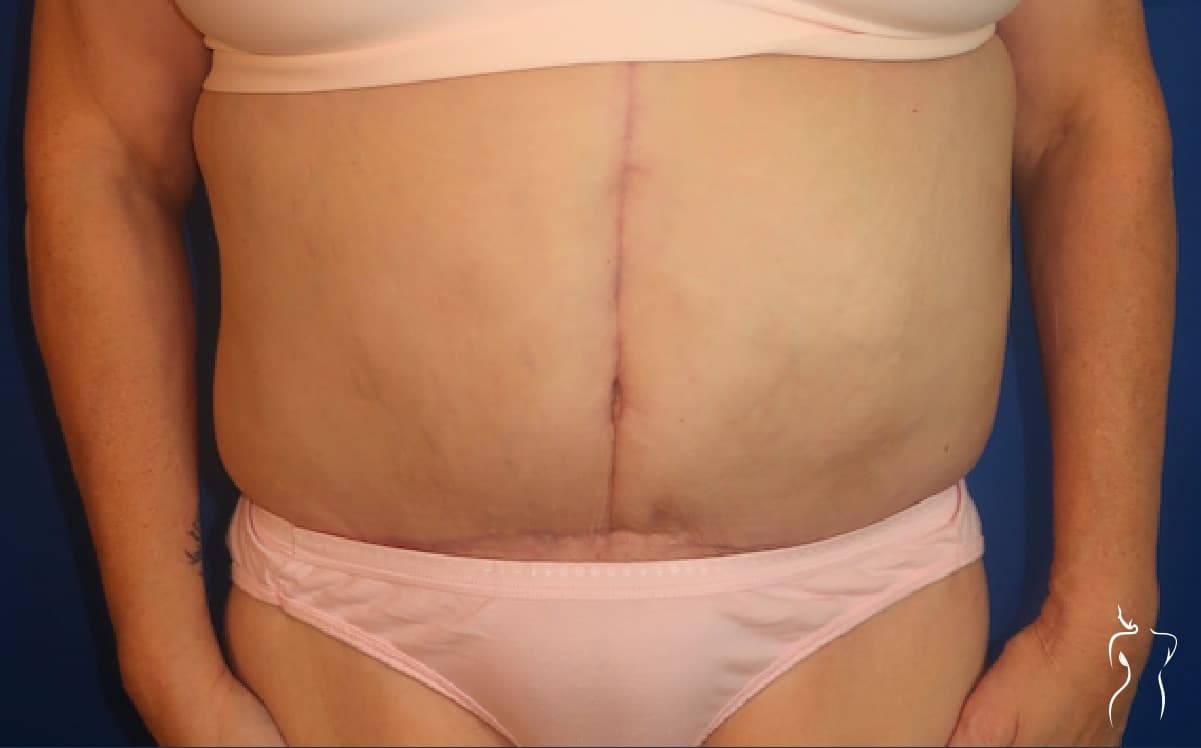
Show all 9 resultsShow fewer
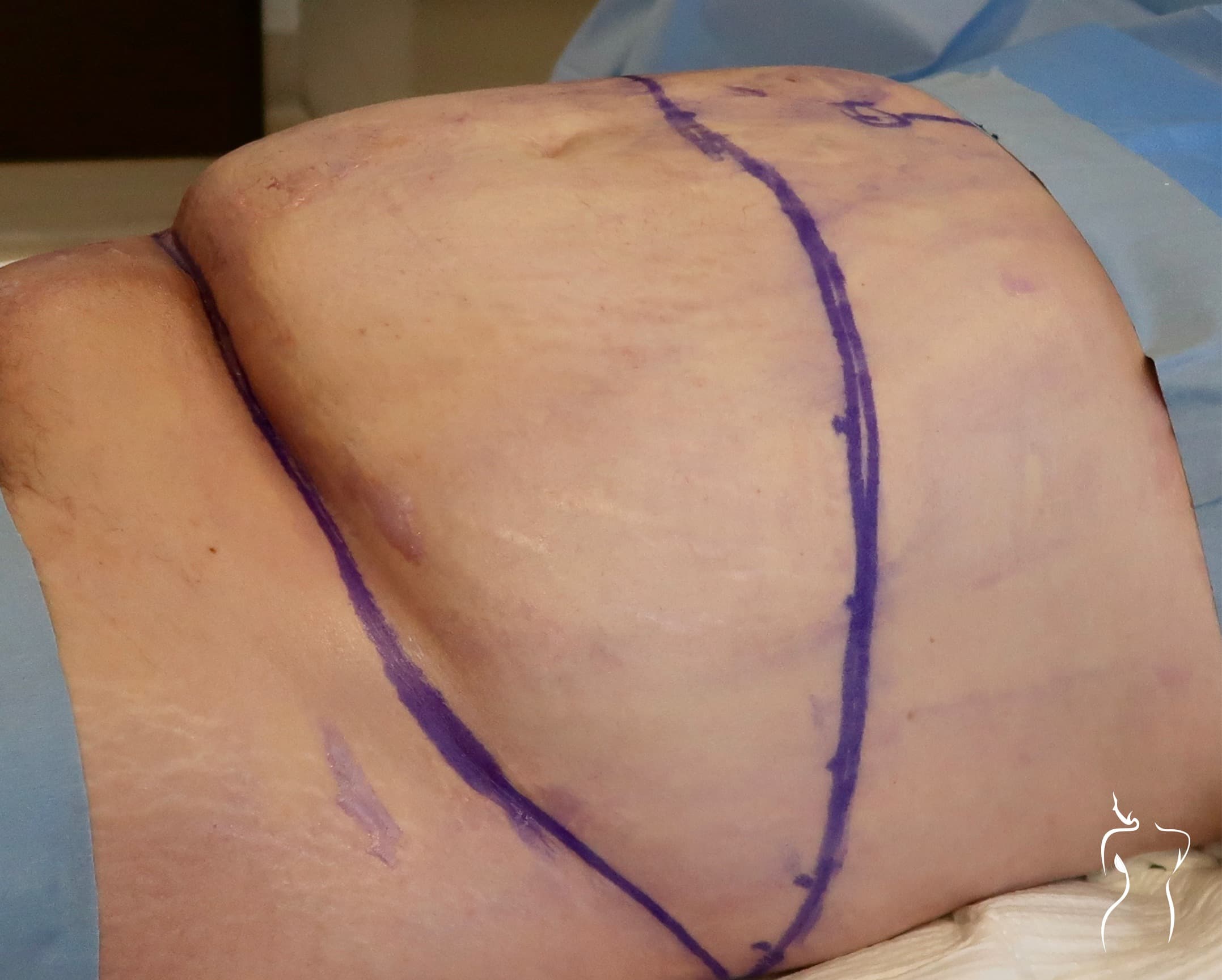
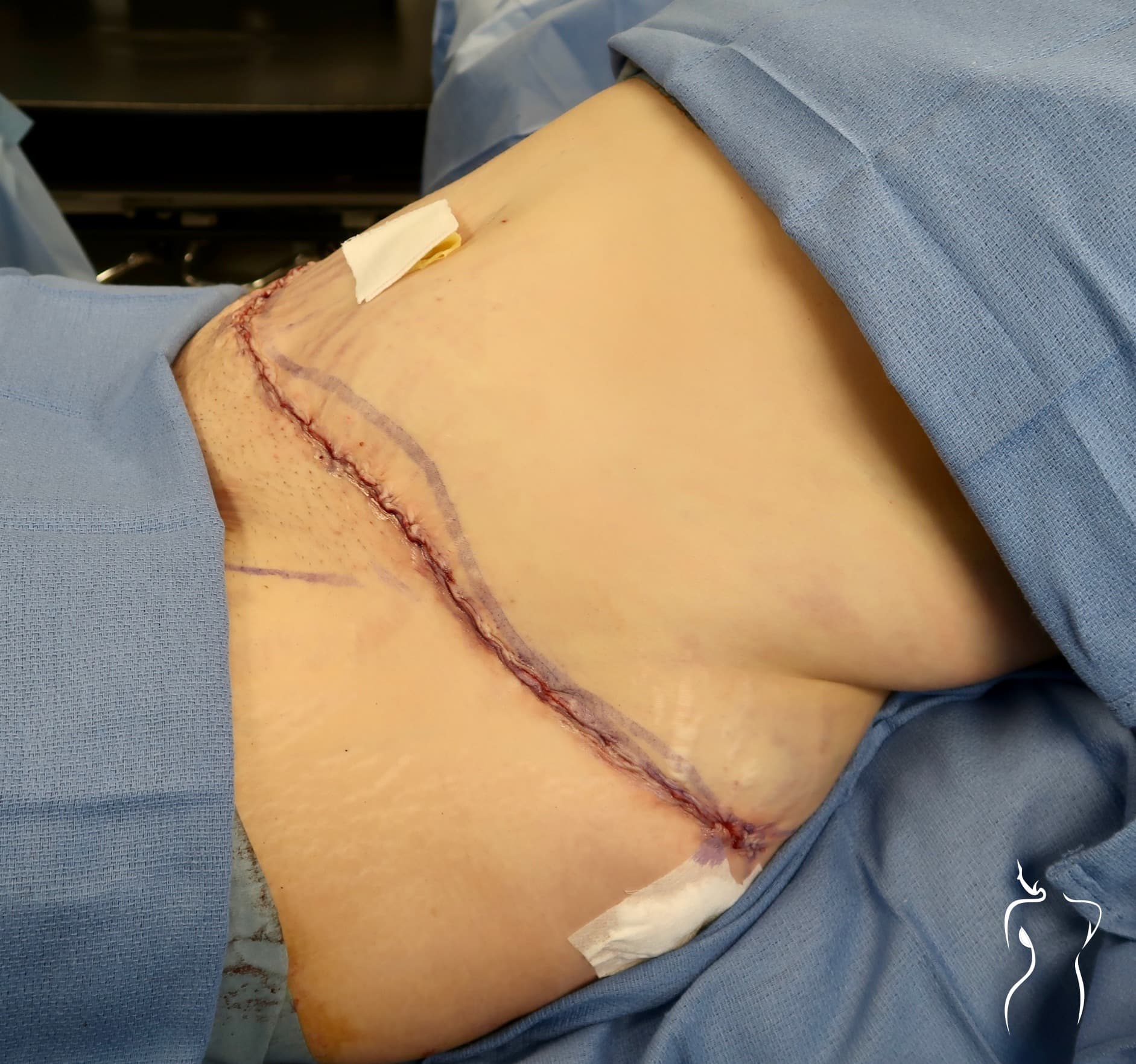
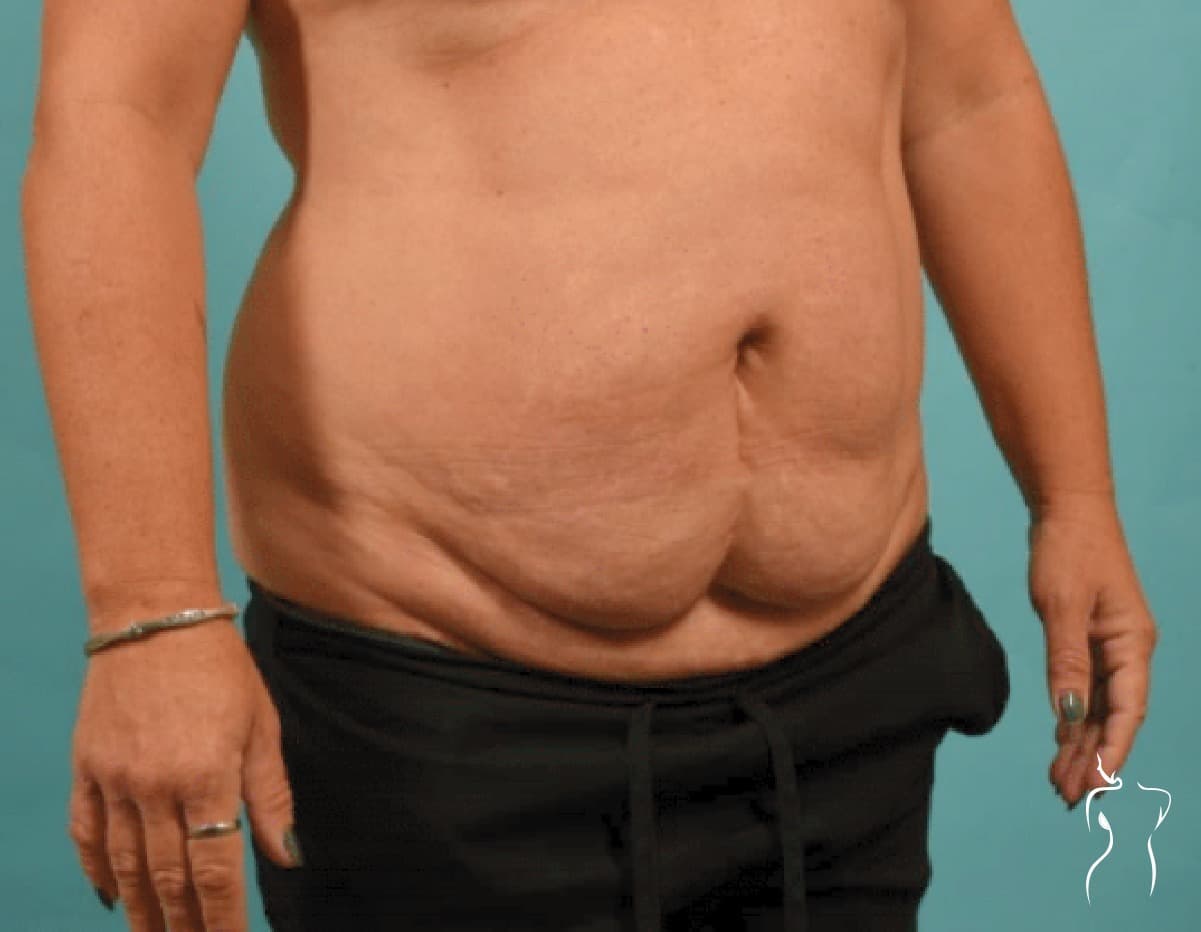
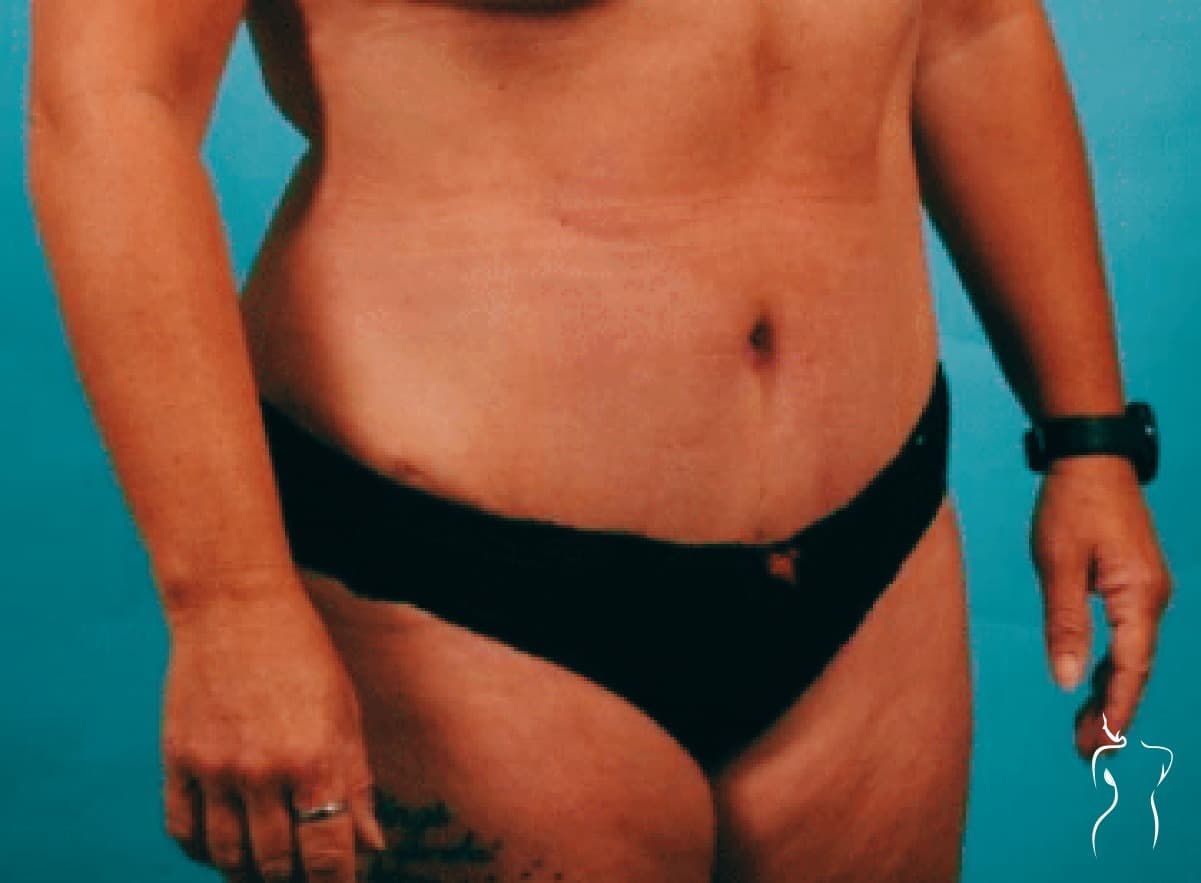
Extended tummy tuck with rectus plication
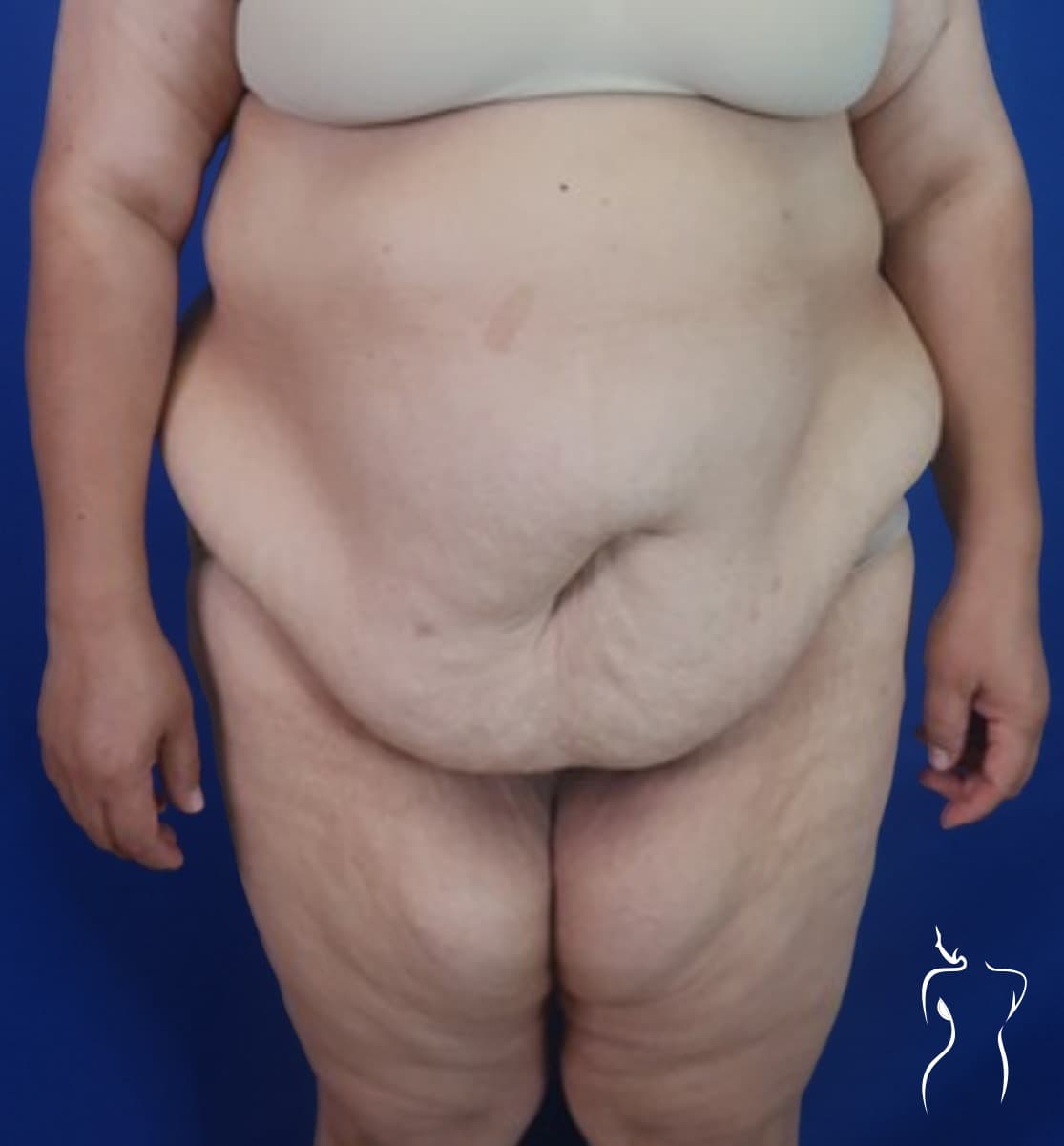
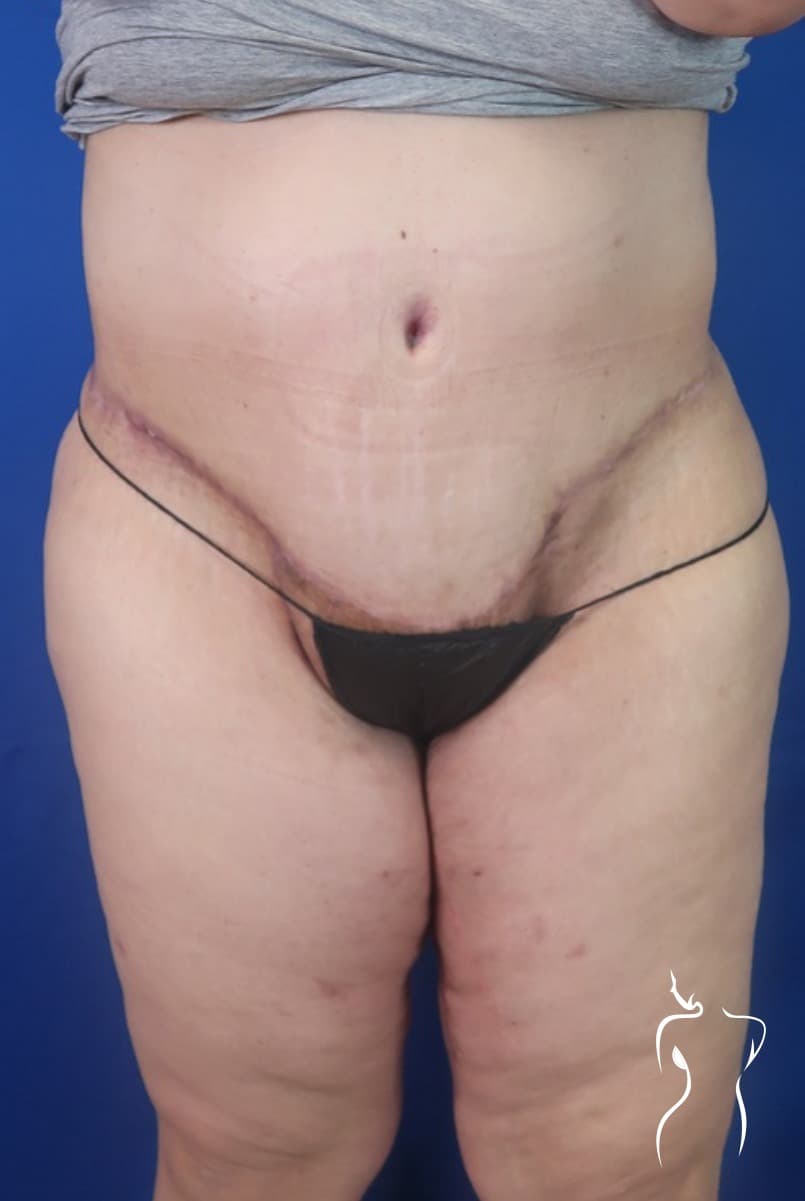
Extended tummy tuck + rectus plication + flank lipo + thigh lift
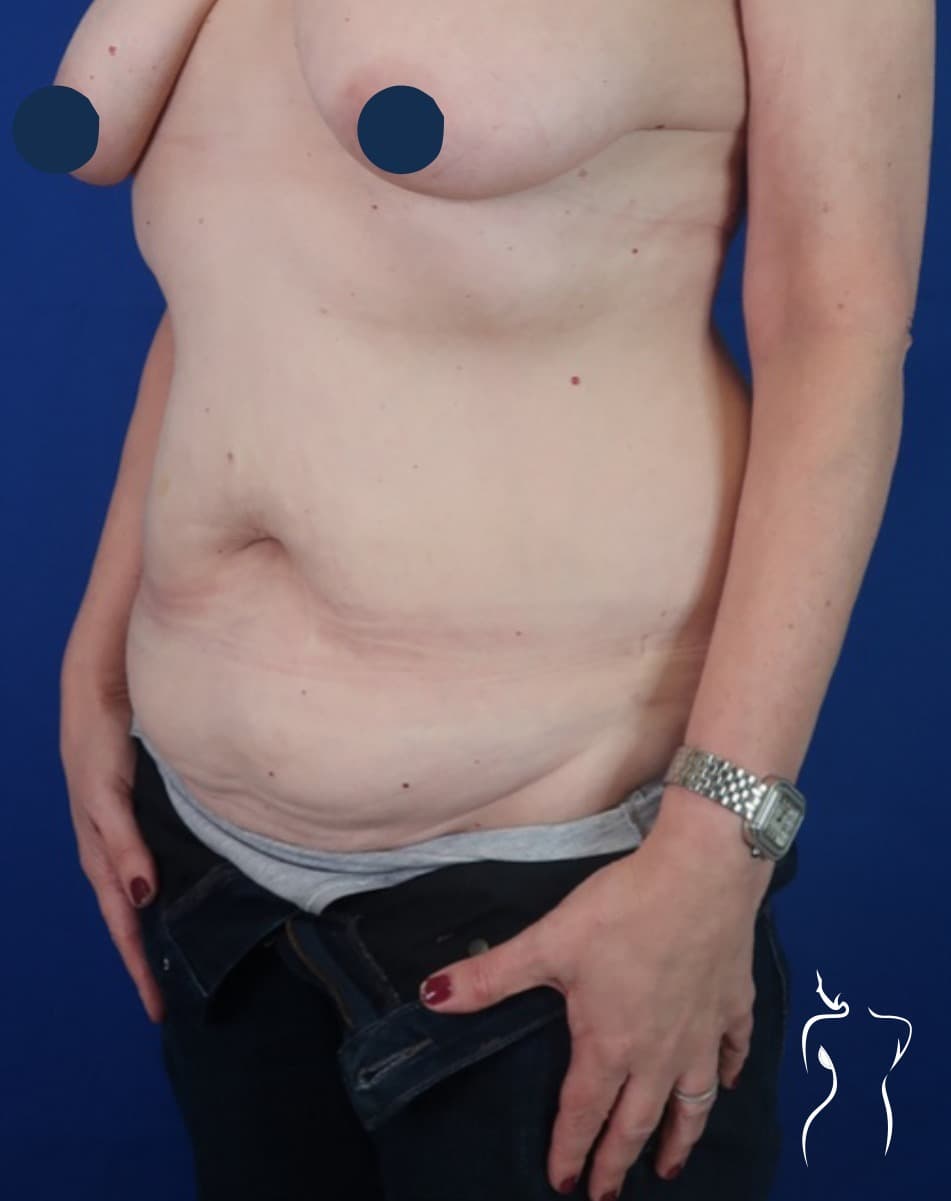
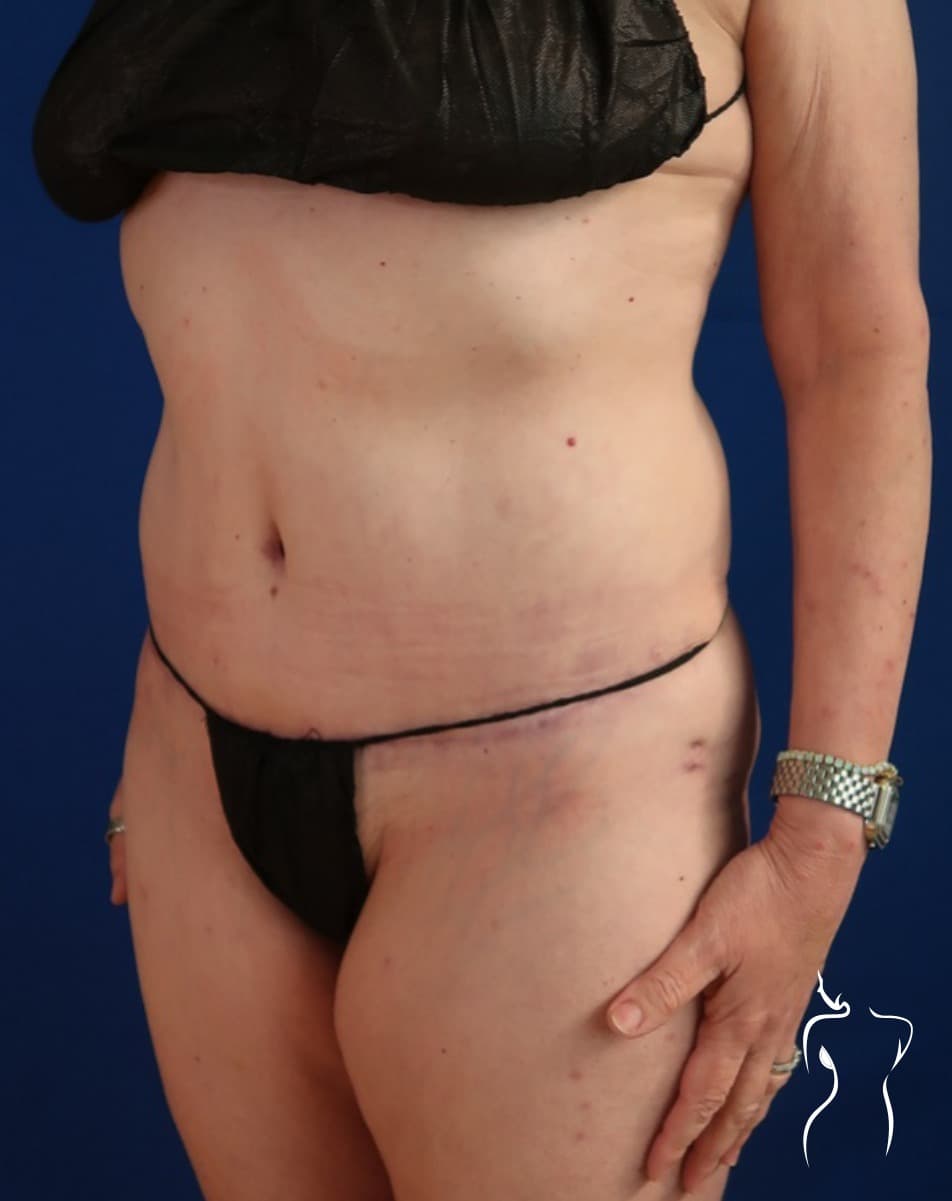
Tummy tuck + rectus plication + 360° trunk lipo
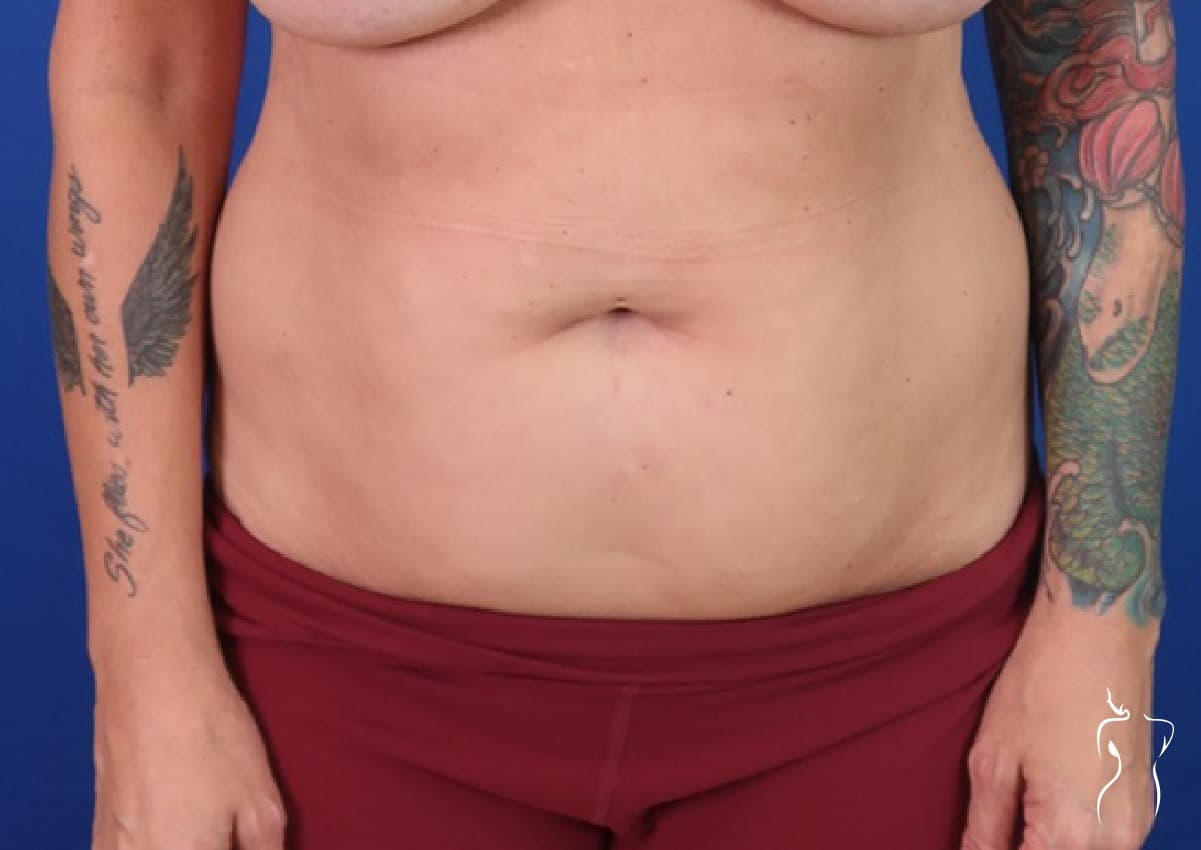
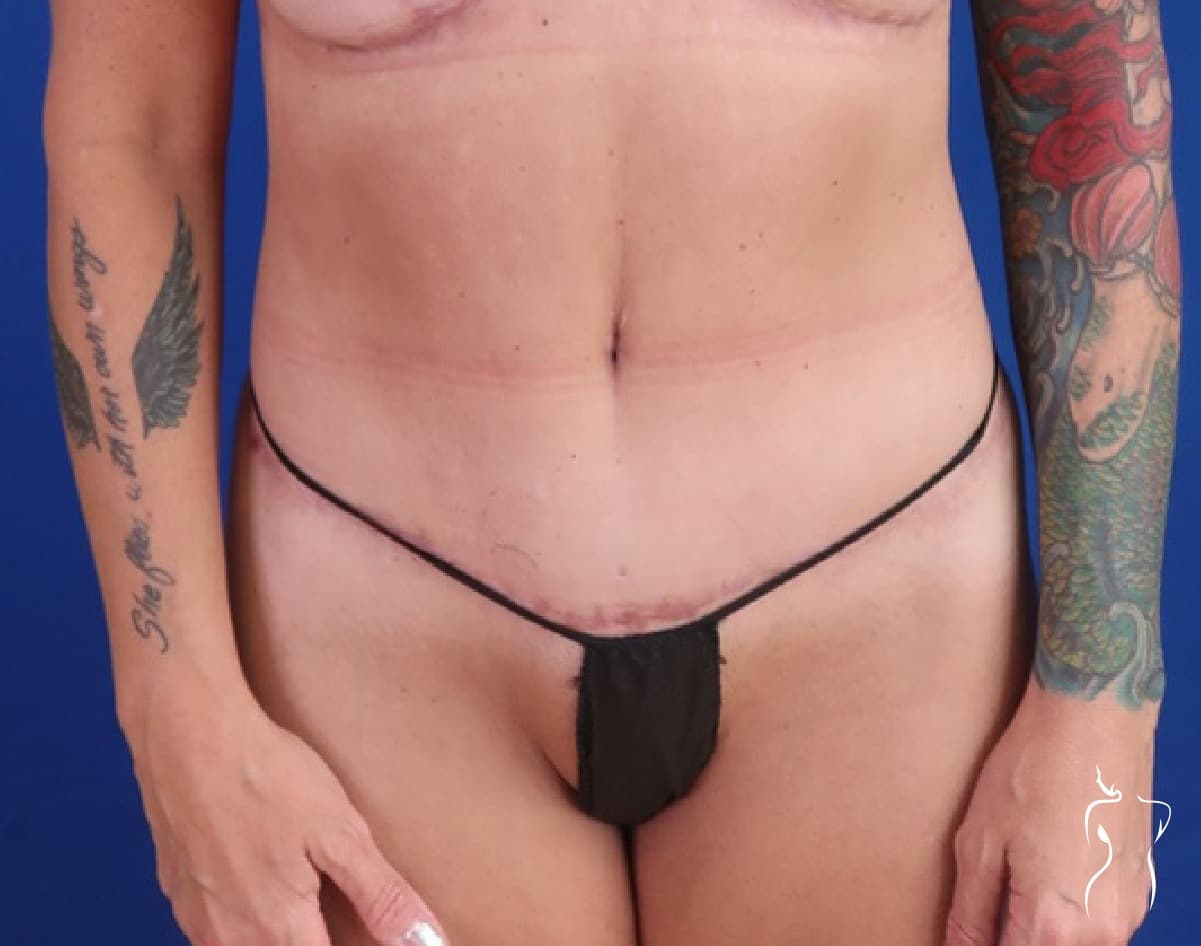
Lipoabdominoplasty + rectus plication + flank contouring
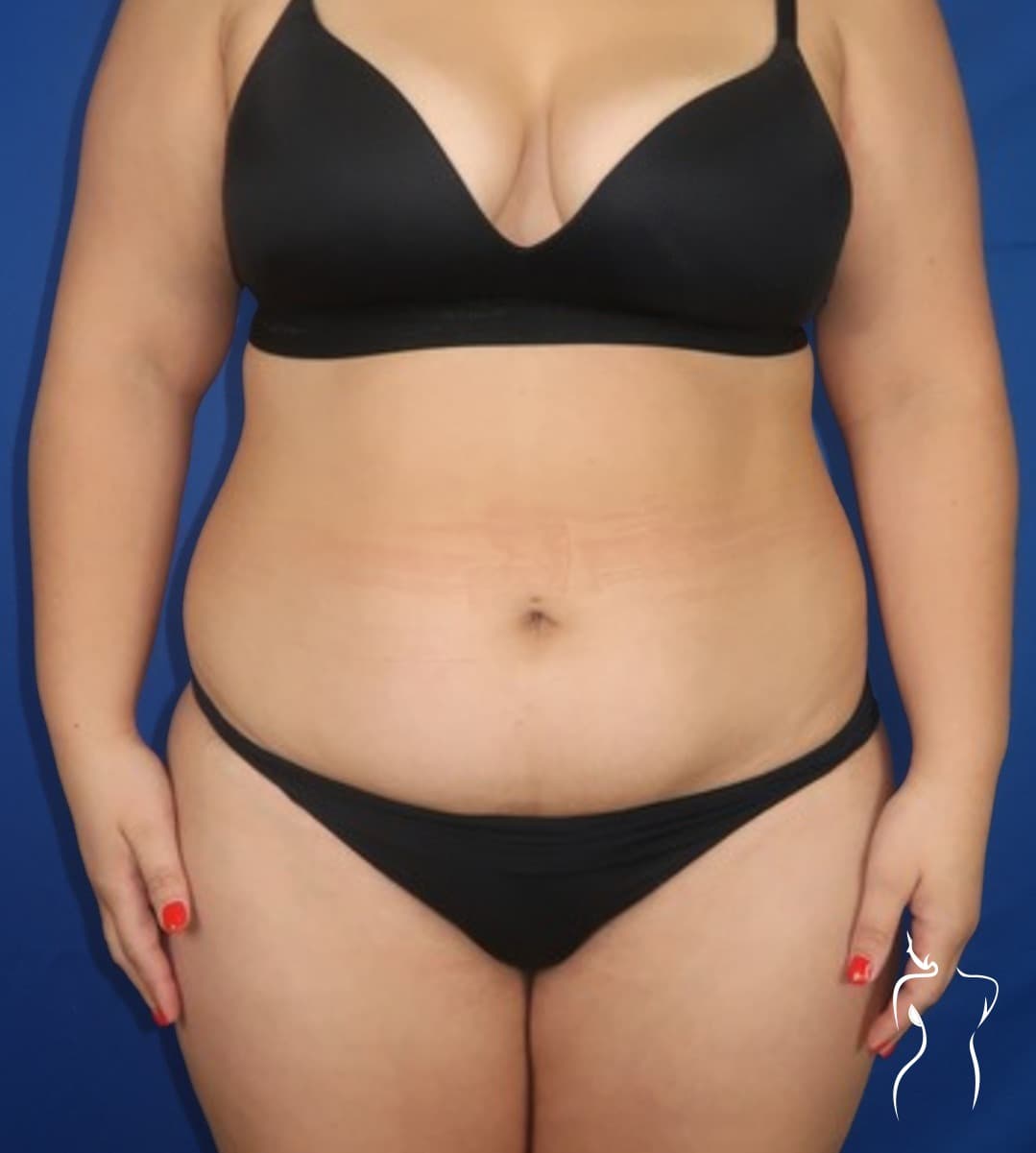
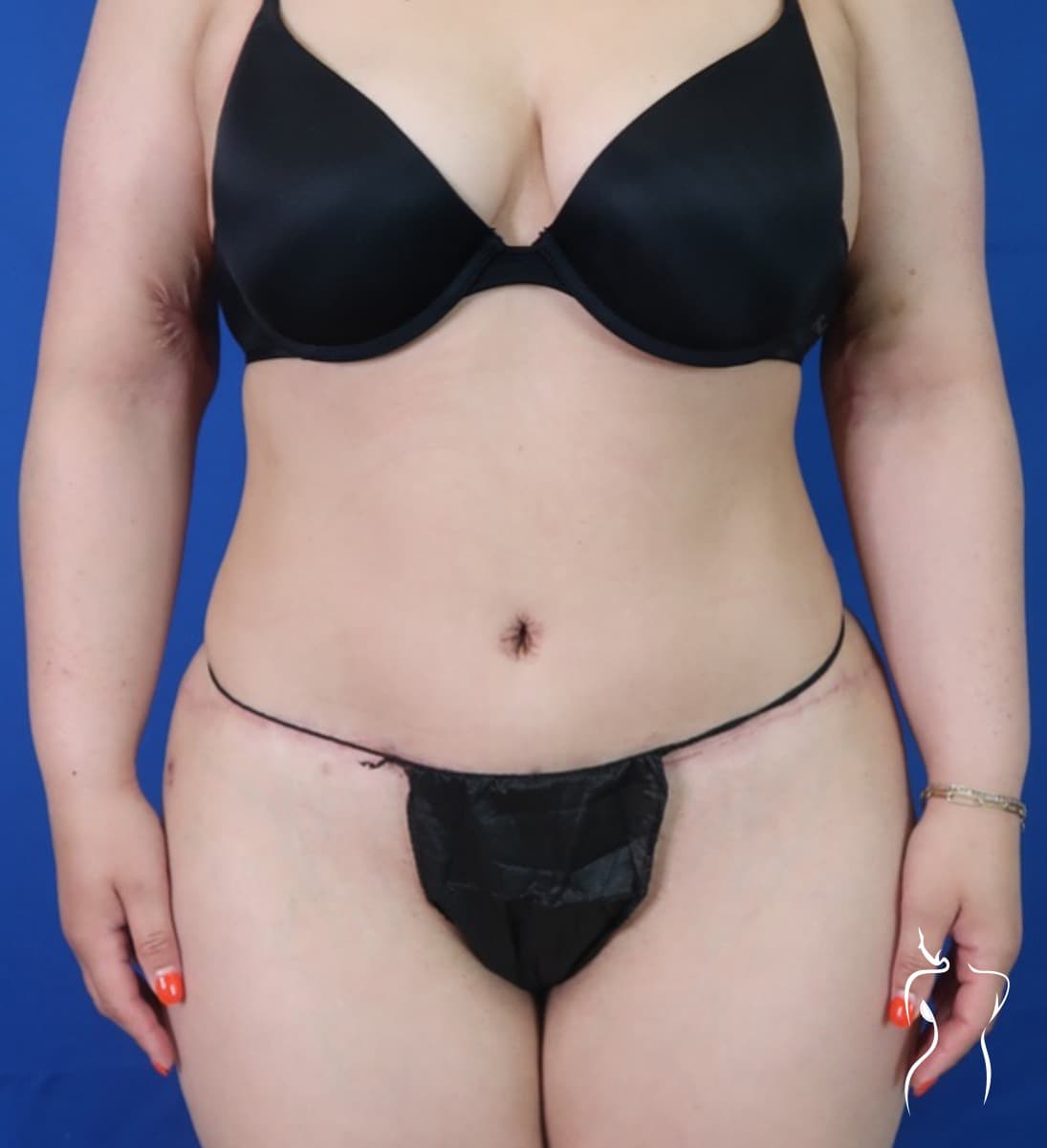
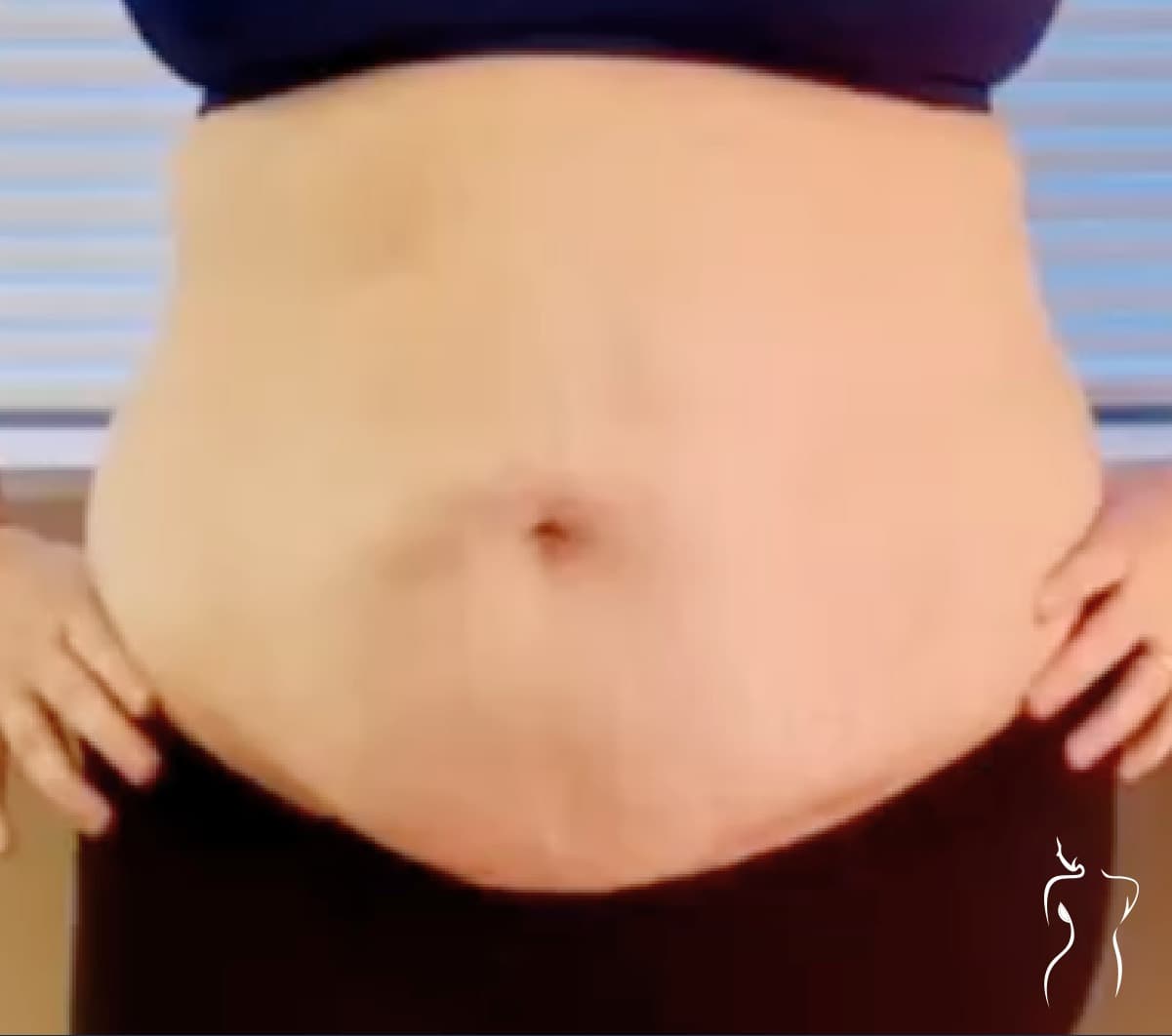
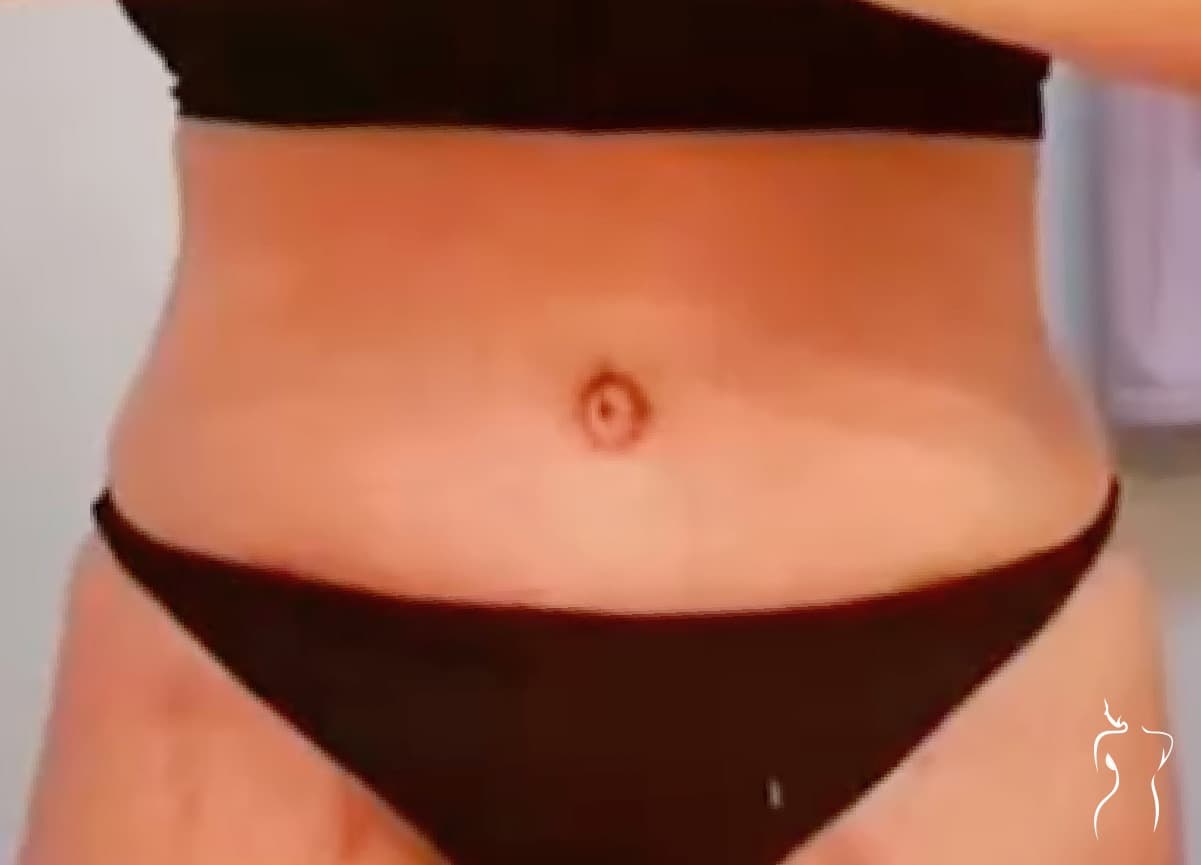
With rectus muscle plication and flank liposuction
Results vary from person to person. The right comparison starts with your anatomy and your goals, in consultation.
See results like these in person. Plan a consultation with Dr. Day.
The operation
Every consultation — and every operation — is with Dr. Day.
The incision sits low and horizontal, hidden within the bikini line. Dr. Day sutures the separated abdominal muscles back together (plication), restoring a firm core, then removes the excess skin. In standard and extended procedures the navel is repositioned so the result reads as natural; liposuction of the flanks is added where it improves the contour.
A TAP (transversus abdominis plane) nerve block with a long-acting local anesthetic is placed during surgery to reduce post-operative discomfort and the need for narcotics.
For qualifying patients — fewer than one in ten — Dr. Day closes with progressive tension sutures instead of drains. Candidacy for the drainless technique depends on your anatomy, the extent of the procedure, and his assessment during surgery. Everyone else has small drains for roughly one to two weeks, which is ordinary rather than a complication.
Surgery runs two to four hours under general anesthesia depending on scope, and you go home the same day with a trusted adult. Preparation matters more here than for most operations: certain medications stop beforehand, smoking stops at least four to six weeks on either side of surgery, and someone needs to be with you at home for the first stretch.
Four approaches
The right operation depends on how much skin needs to move and where it sits. Dr. Day recommends one of four at consultation.
Mini
Removes a limited area of skin below the navel — with the same complete muscle repair as a standard tummy tuck. 'Mini' describes the skin excision, never the muscle work.
Standard
Removes skin across the lower and middle abdomen, repairs the full muscle wall, and repositions the navel.
Extended
Carries the correction around the flanks — a 270-degree abdominoplasty for laxity that continues past the hips.
Fleur-de-Lis
Adds a vertical excision for the significant skin excess that follows massive weight loss.
Is it right for you
The ideal candidate is in good overall health, at or near a stable goal weight, and living with abdominal changes that diet and exercise have not resolved.
Patients who have lost significant weight — through GLP-1 medications, bariatric surgery, or sustained lifestyle change — are among the most common today. After major loss, skin often cannot contract to match the new shape; abdominoplasty addresses exactly what the weight loss cannot. Weight should be stable for about six months before surgery.
A tummy tuck is frequently combined with flank liposuction for 360-degree contouring, and it is the most common component of a Mommy Makeover alongside breast surgery. Dr. Day maps the right combination, and the honest limits of one operation, at consultation.
Recovery
Most patients go home the same day in the care of a trusted adult. A compression garment is worn around the clock for at least three weeks, and up to three months for the best contour. Unless the drainless technique applies, small drains stay in place for one to two weeks.
Walking starts the day after surgery. Desk work typically resumes during the first week, light exercise at half effort in weeks two to four, and full unrestricted activity — including aerobic exercise — by weeks four to six.
You communicate directly with Dr. Day's clinical team throughout recovery, from the first follow-up to the last.
How the weeks before and after surgery fit together is covered in the practice's recovery guide.
Plan a consultation with Dr. Day.
Patient Voices
Individual results vary. Quotes are verbatim excerpts from reviews published by patients.
“I had a tummy tuck, muscle repair and 360 lipo. The healing was beyond rough for me. … His professionalism, compassion and attention to details are what sets him apart from other doctors.”
“I had an extended tummy tuck with muscle repair and lipo to flanks in November of 2021. … He addressed my concerns immediately and helped to keep me on the right track with the wound healing process.”
“I am a cancer survivor and had several scars on my abdomen that I was hoping could be improved. Dr. Day performed a mini-abdominoplasty and did a fantastic job!”
Questions, answered
The rest belong in a conversation. Consultations are unhurried by design.
How much does a tummy tuck cost in Bellevue?
Abdominoplasty at Pacific Sound Plastic Surgery starts from $9,500; the total depends on the type of procedure, whether liposuction is combined, and your anatomy. Your consultation includes a complete written breakdown — surgeon, facility, anesthesia, and follow-up care. Financing is available through CareCredit and Alphaeon Credit.
Financing OptionsWhat is the difference between a mini and a standard tummy tuck?
The extent of skin removed. A mini removes a limited amount below the navel and usually leaves the navel in place; a standard removes skin across the lower and middle abdomen and repositions the navel. Both involve the same complete muscle repair.
What is a drainless tummy tuck, and do I qualify?
A closure technique that uses progressive tension sutures to prevent fluid buildup, so no drainage tubes are needed. Fewer than 10% of patients qualify — it depends on anatomy, the extent of the procedure, and Dr. Day's assessment during surgery.
What is recovery like?
Home the same day, walking the day after, desk work in week one, light exercise from week two, and full activity by weeks four to six. A compression garment is worn for at least three weeks, and drains — if needed — come out within one to two.
Can I have a tummy tuck after losing weight on GLP-1 medication?
Yes — it is one of the most common reasons patients seek abdominoplasty today. The medication cannot address loose skin or muscle separation; surgery can. Your weight should be stable for about six months first, and GLP-1 medication is paused roughly one to two weeks before the procedure.
Are the results permanent?
The skin removed and the muscle repaired do not return. Results last when your weight stays stable; significant gain or a future pregnancy can change them, which is why Dr. Day recommends completing your family first.
Is a tummy tuck covered by insurance?
A cosmetic tummy tuck is not. A panniculectomy — removal of a hanging skin apron that causes functional problems such as chronic rash or difficulty walking — may qualify case by case, and Dr. Day can provide documentation for a prior-authorization request. A panniculectomy is a different operation: it does not reposition the navel, use liposuction, or address the upper abdomen.
Where does Dr. Day operate?
At four accredited facilities: Swedish Medical Center, Virginia Mason Franciscan Health, Carillon Point Surgery Center, and Sound Plastic Surgery Center. Tummy tucks are most often performed at the accredited ambulatory surgical centers, in a private outpatient setting.