Gender-Affirming Surgery in Seattle & Bellevue
Gender-affirming surgery at Pacific Sound Plastic Surgery spans facial, top, and body contouring procedures, for trans and non-binary patients across the Pacific Northwest and beyond. Care here starts with no judgment and no assumptions about your goals.
Top surgery is the most common gender-affirming procedure — in general and in this practice. The facial work draws on Dr. Day's craniofacial fellowship training, subspecialty study of exactly the skeleton that facial gender surgery reshapes. The practice performs facial, top, and body procedures; it does not perform genital surgery.



Your surgeon
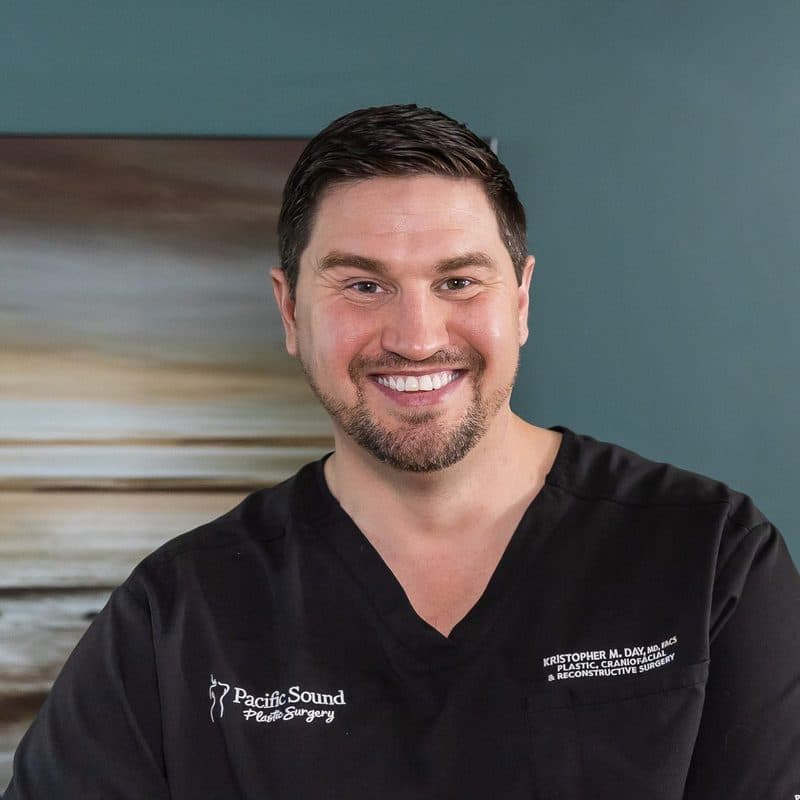
Dr. Kristopher Day is certified by the American Board of Plastic Surgery and the American Board of Surgery, fellowship-trained in craniofacial surgery, and a member of the American Society of Maxillofacial Surgeons.
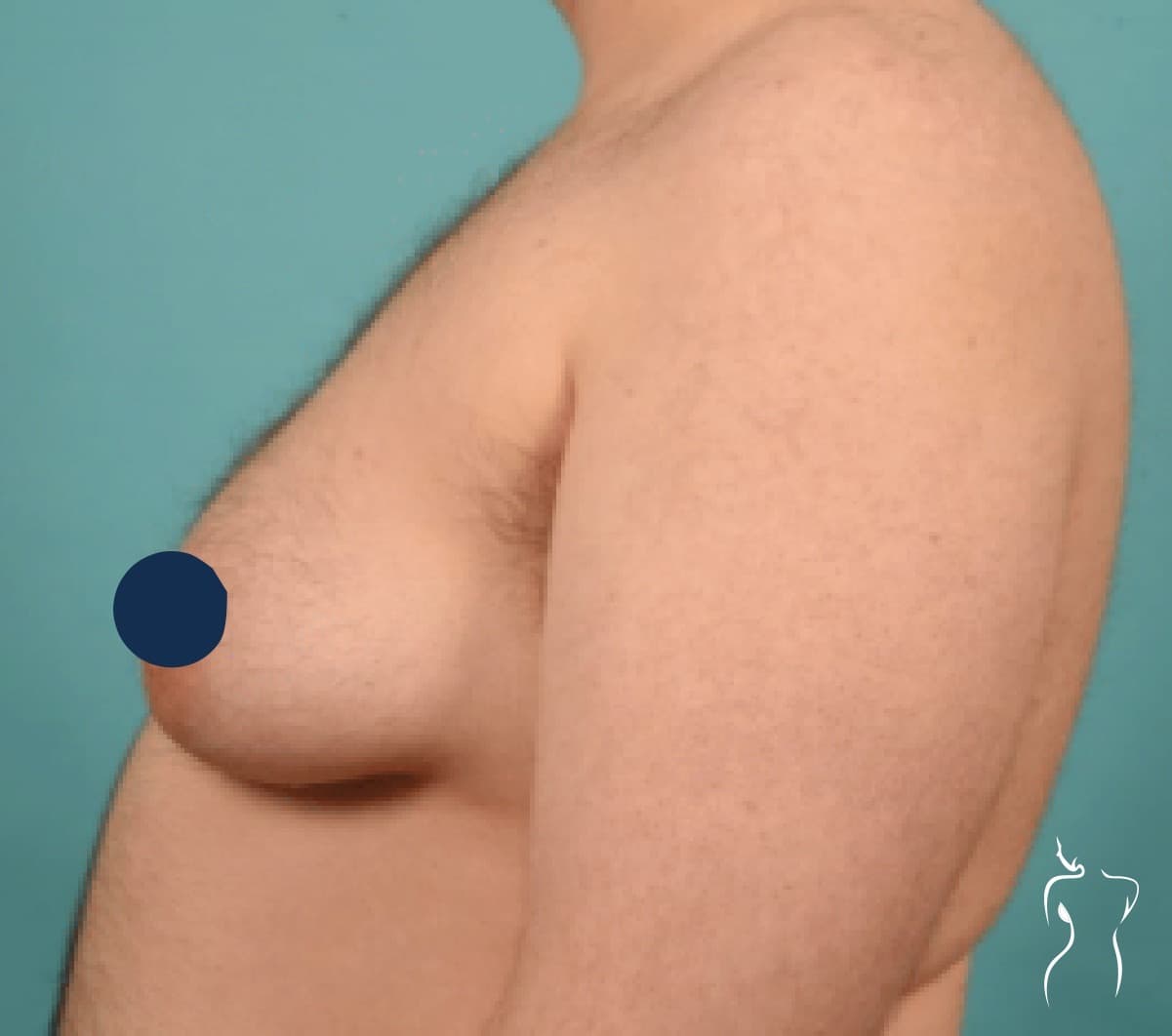
Meet Dr. DayGender-Affirming Top Surgery
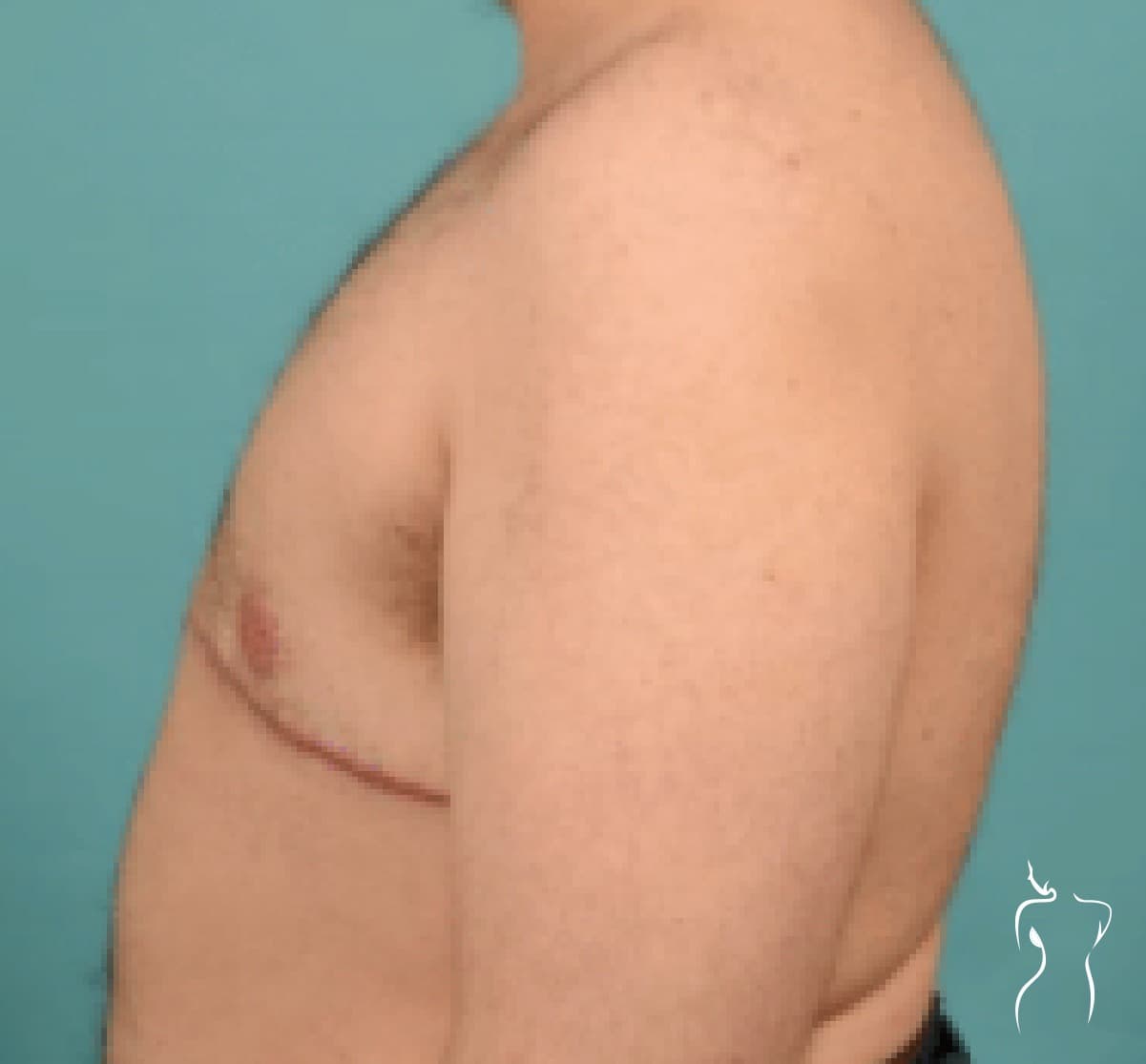
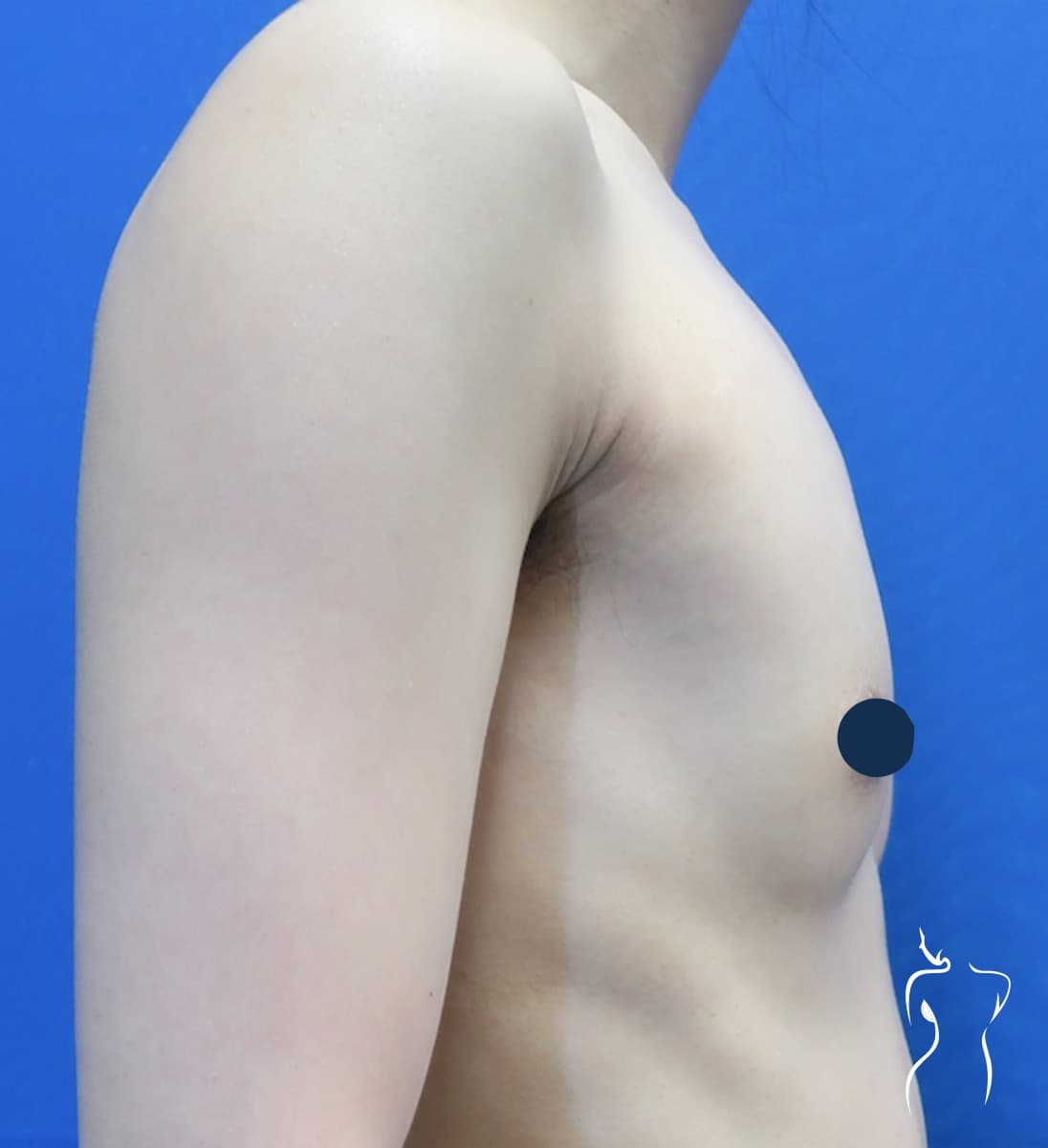
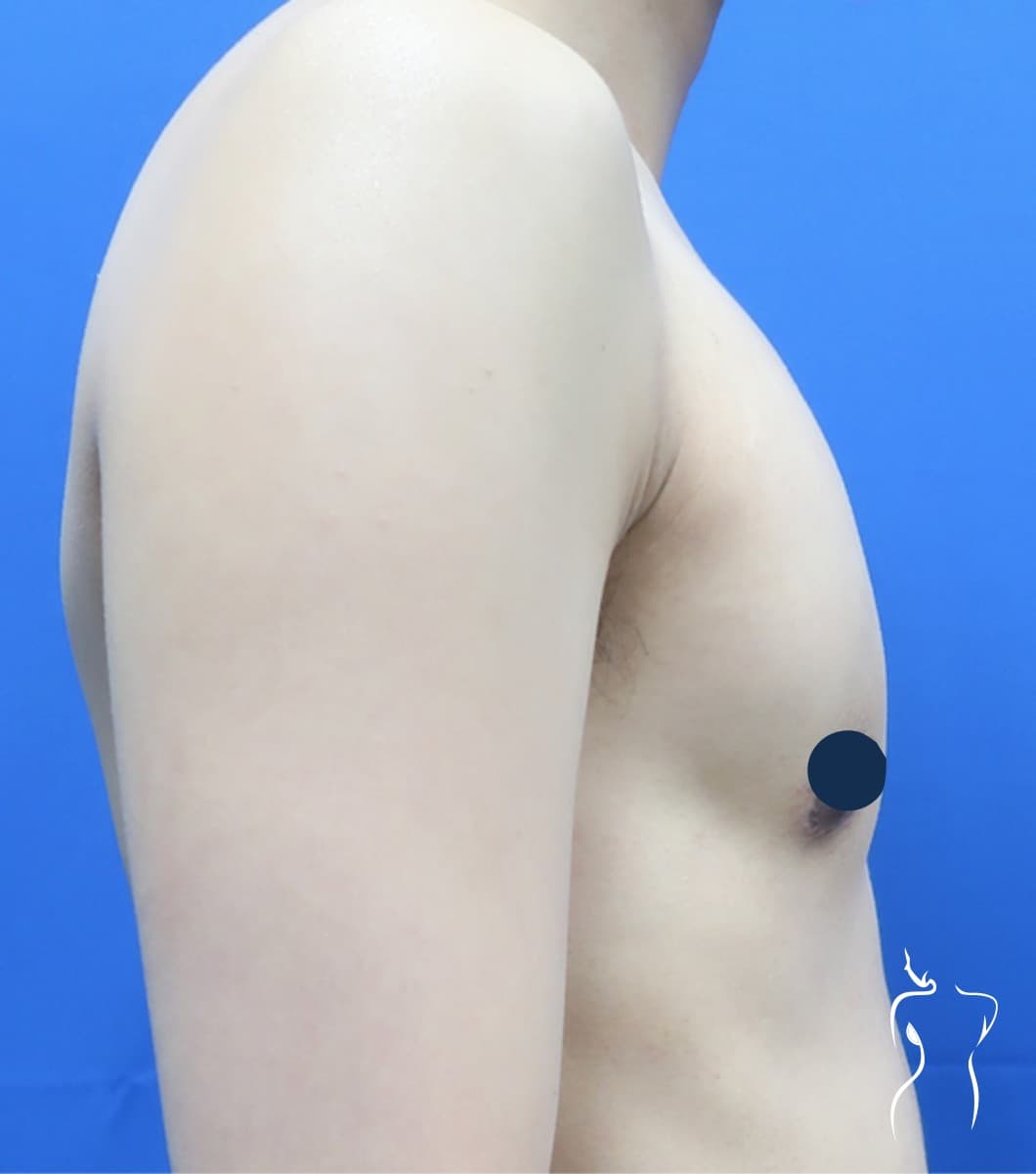
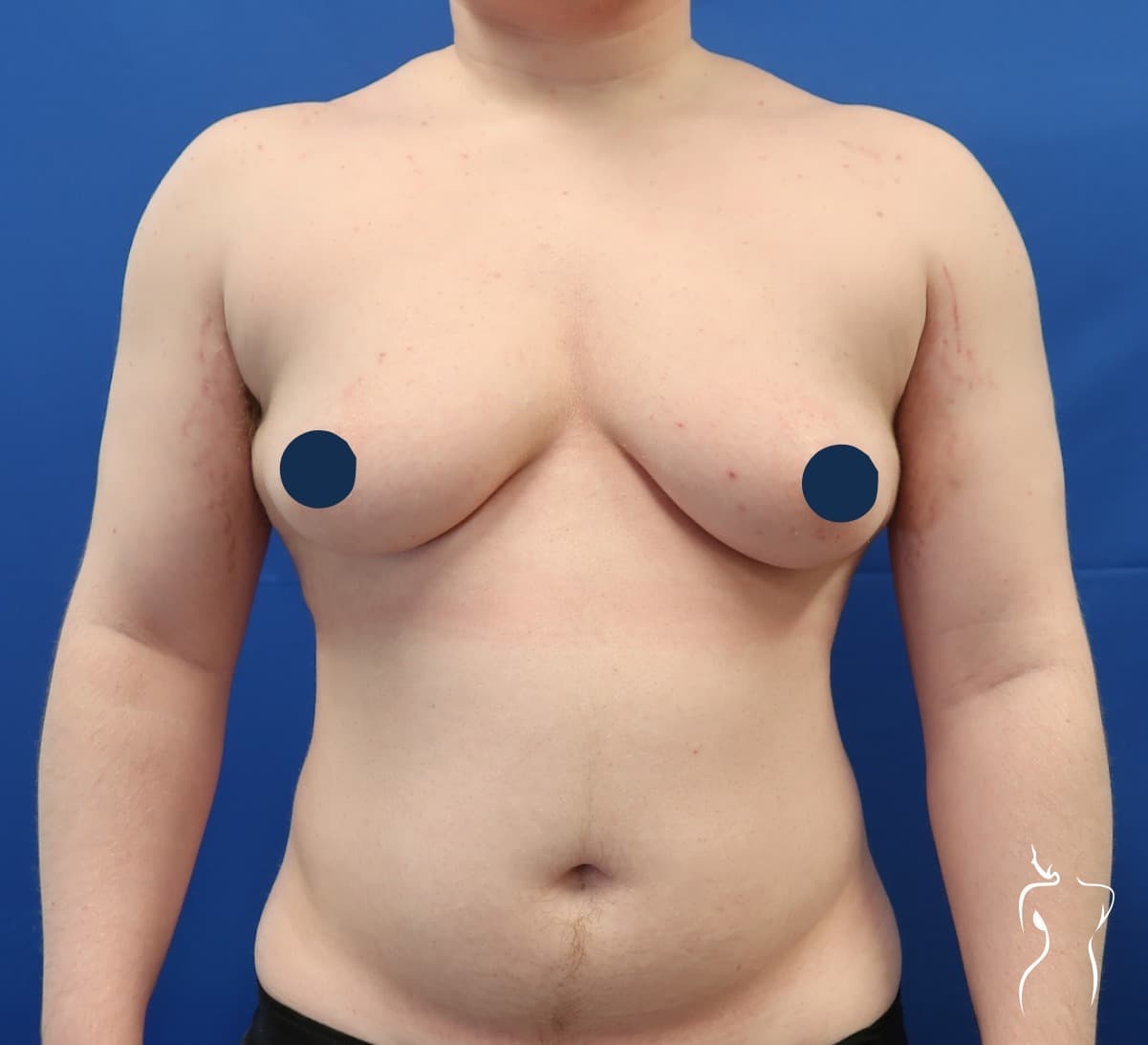
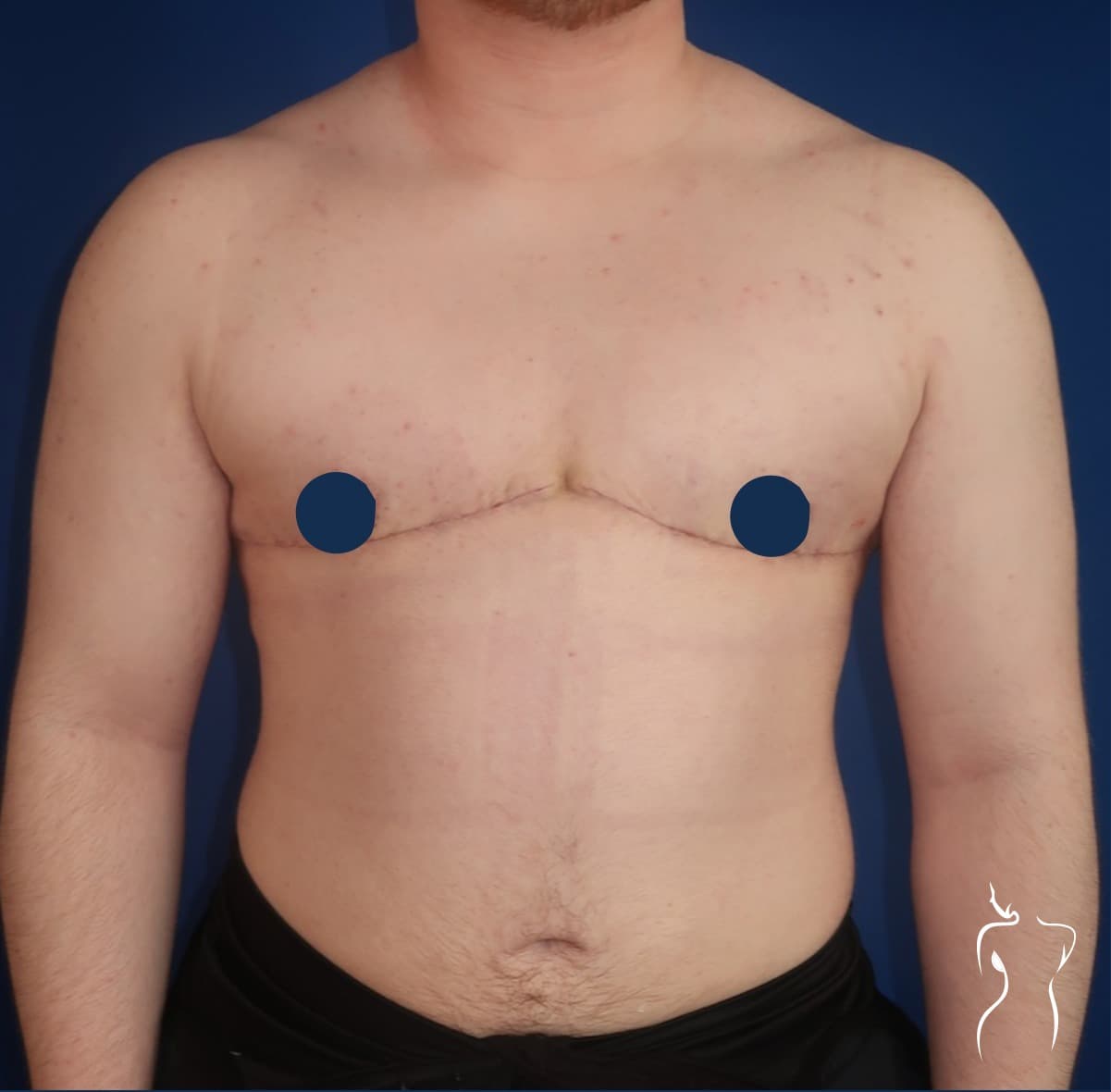
Show all 8 resultsShow fewer
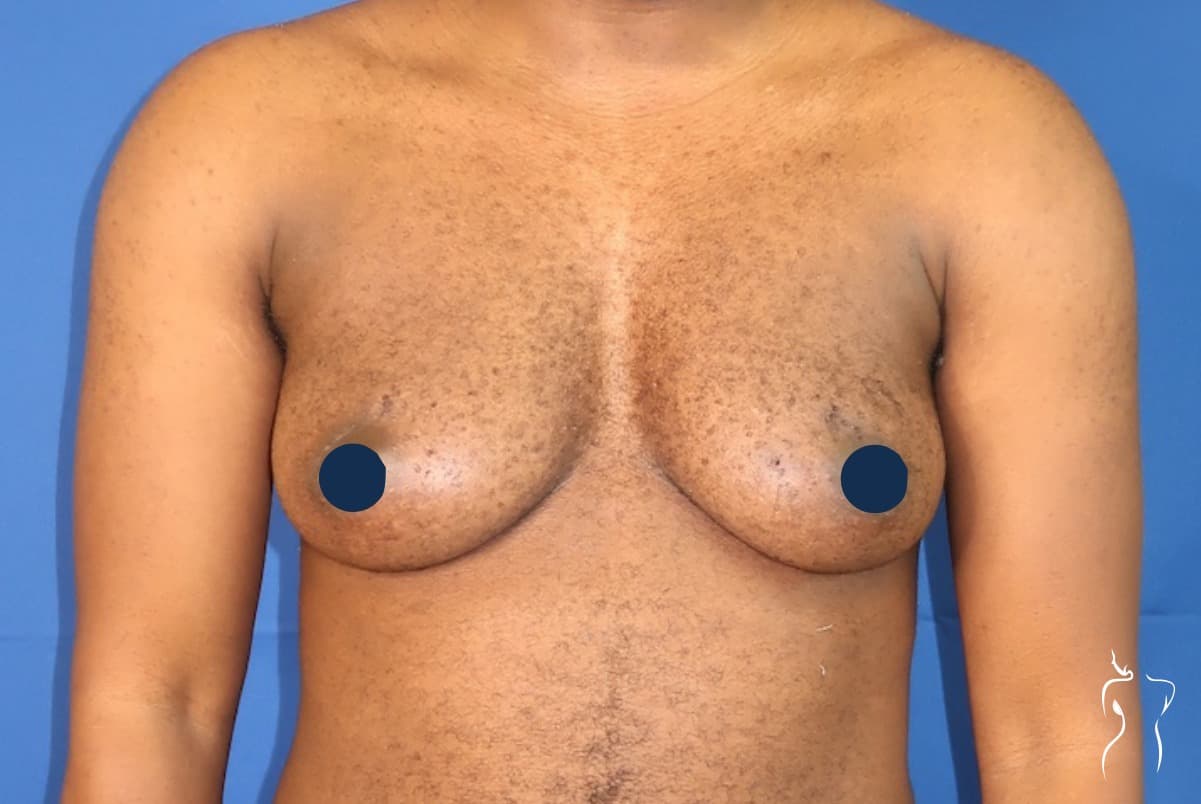
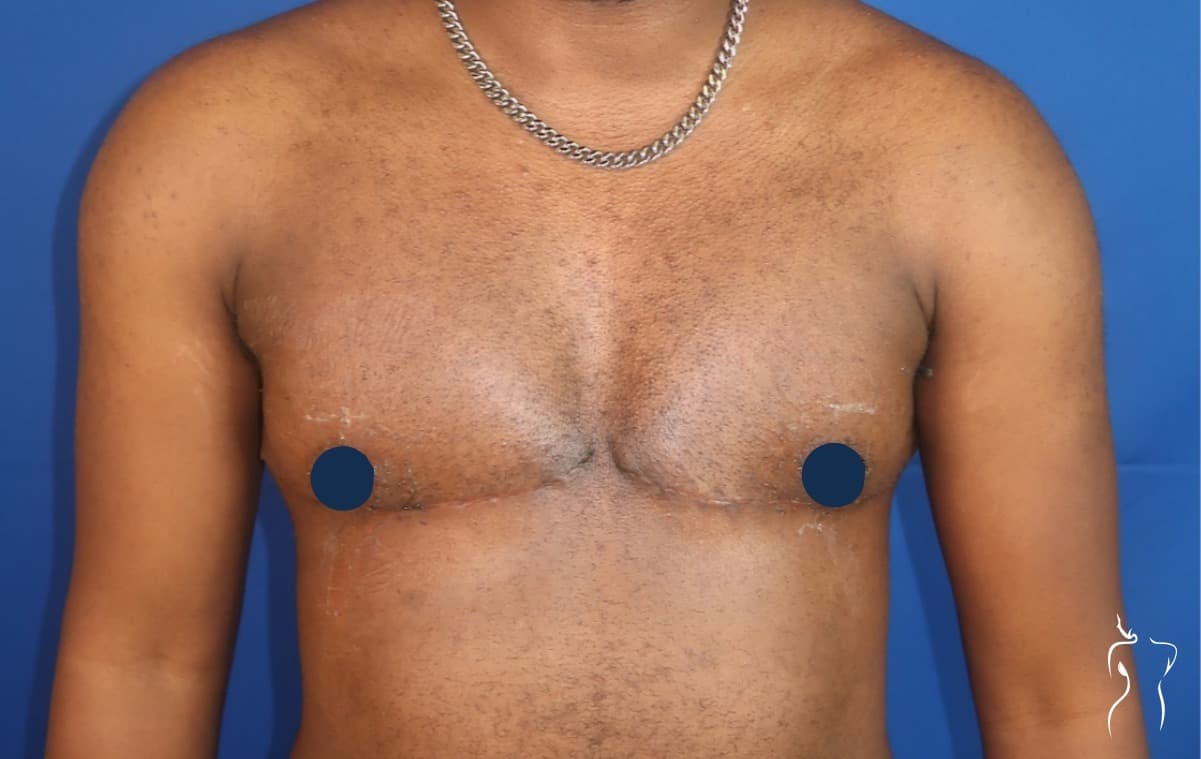
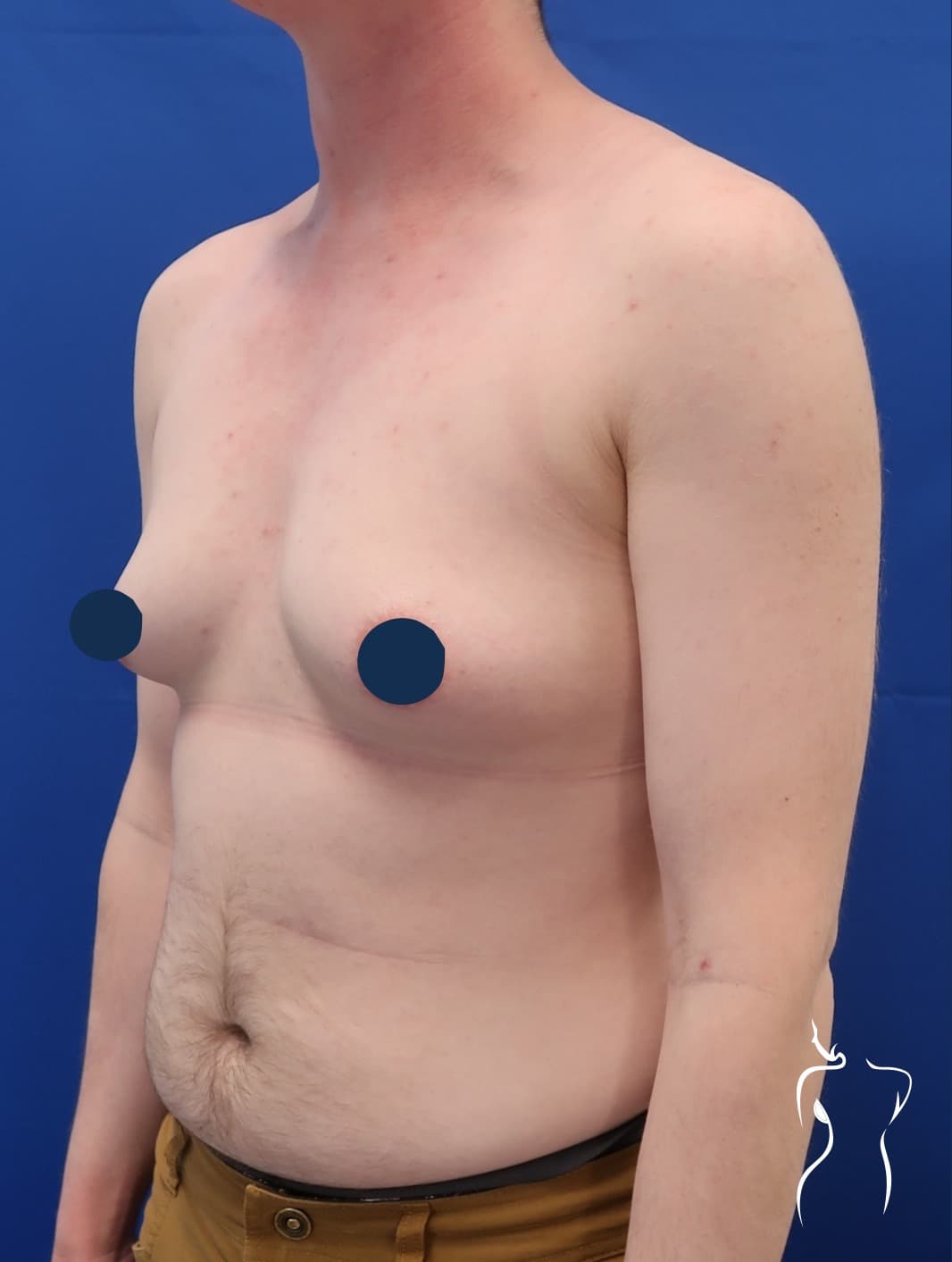
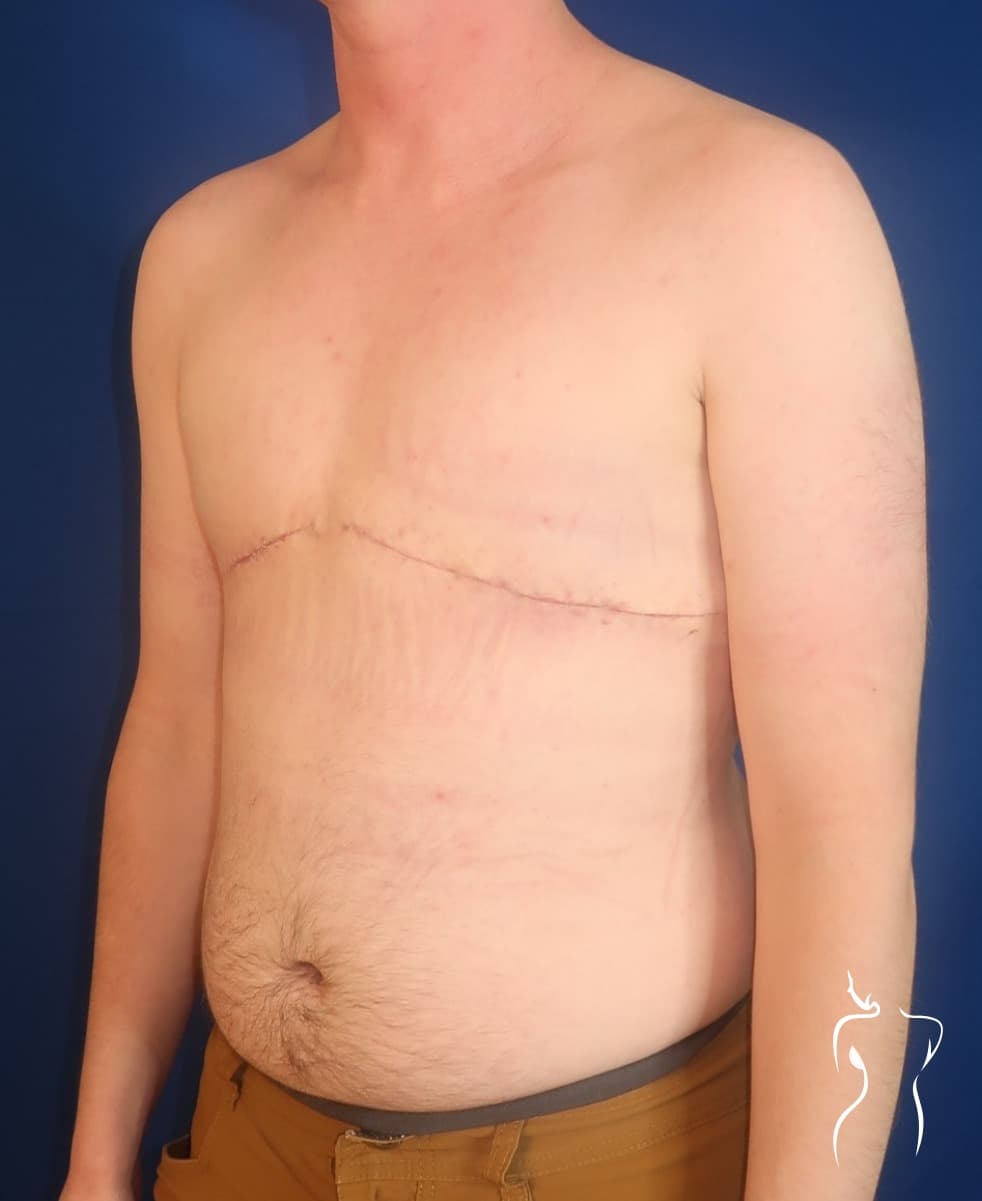
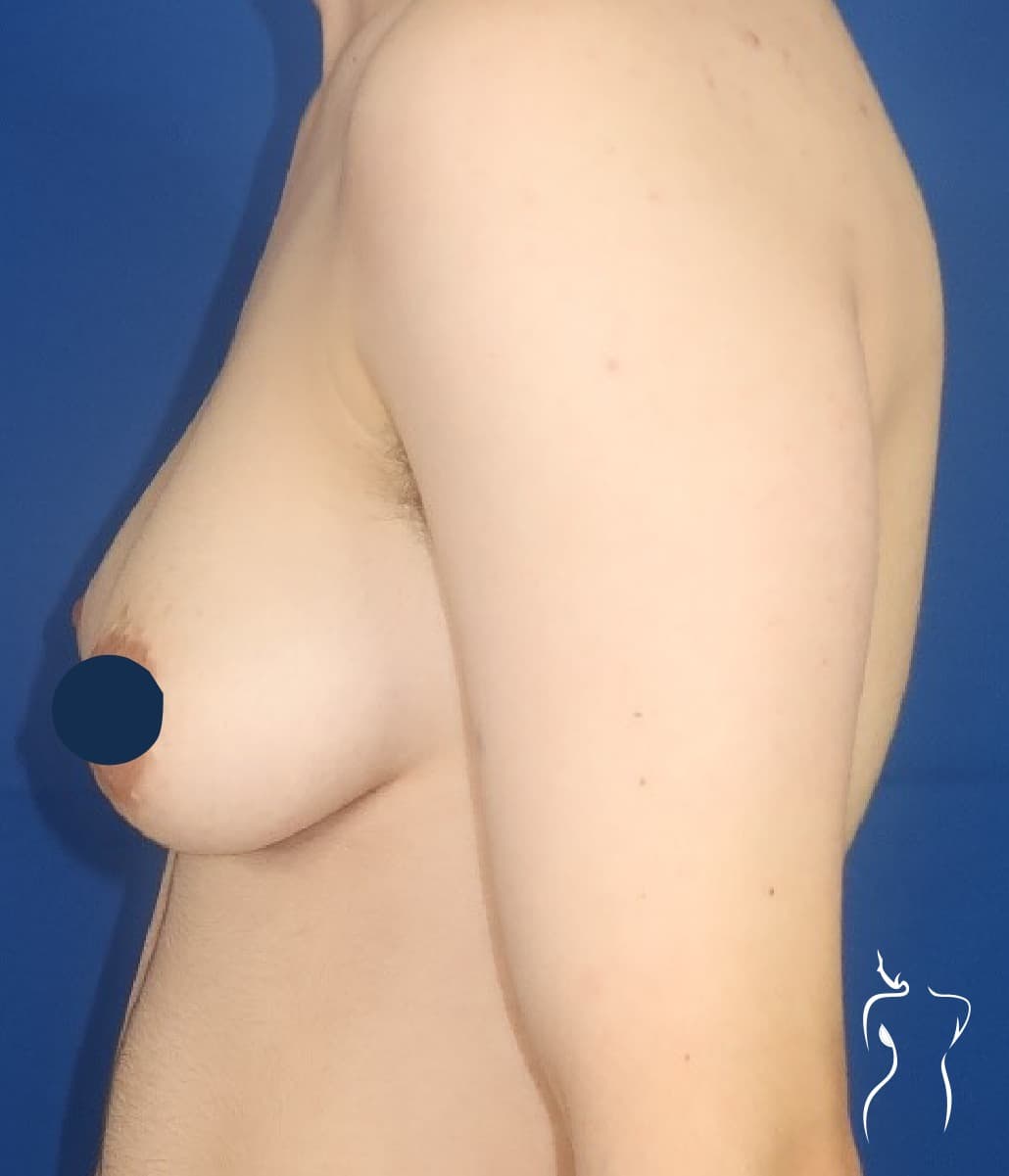
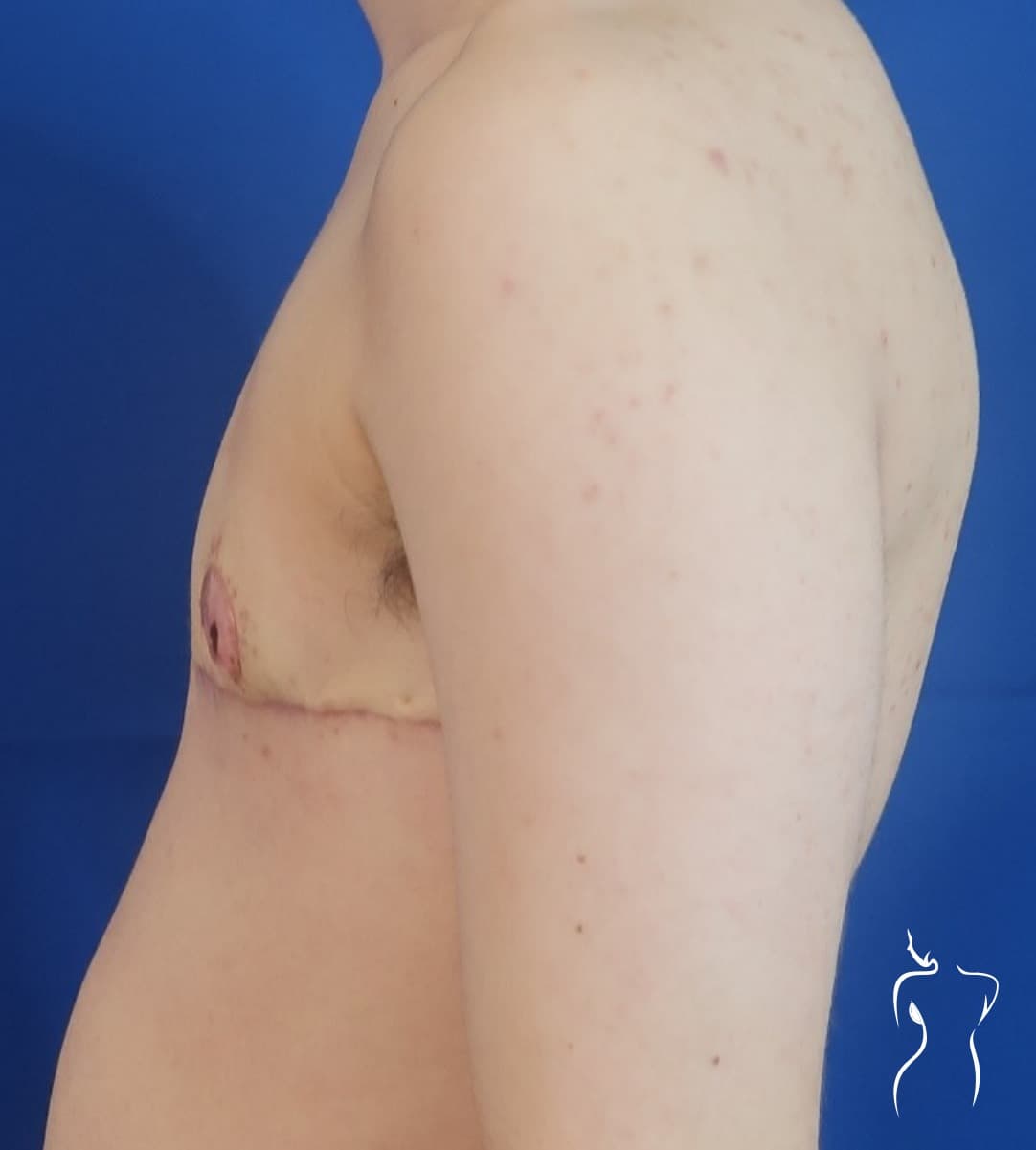
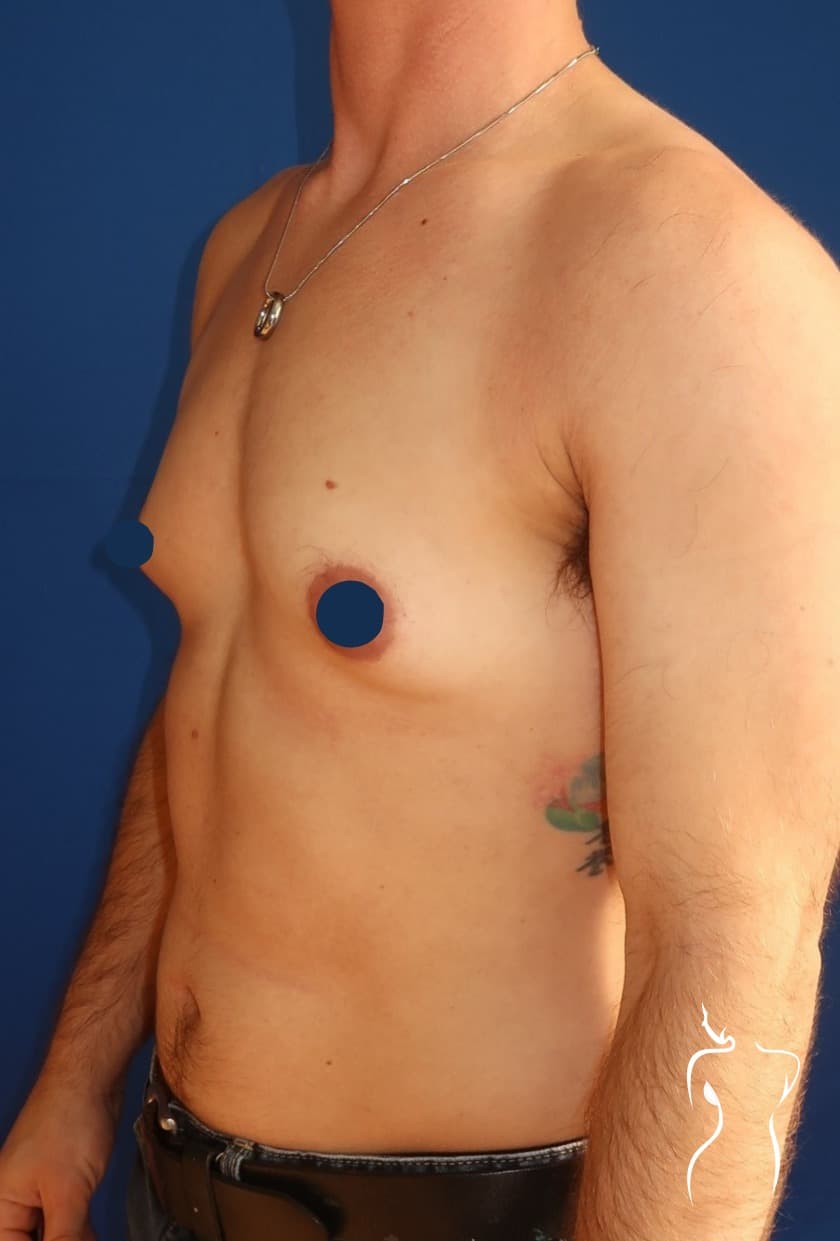
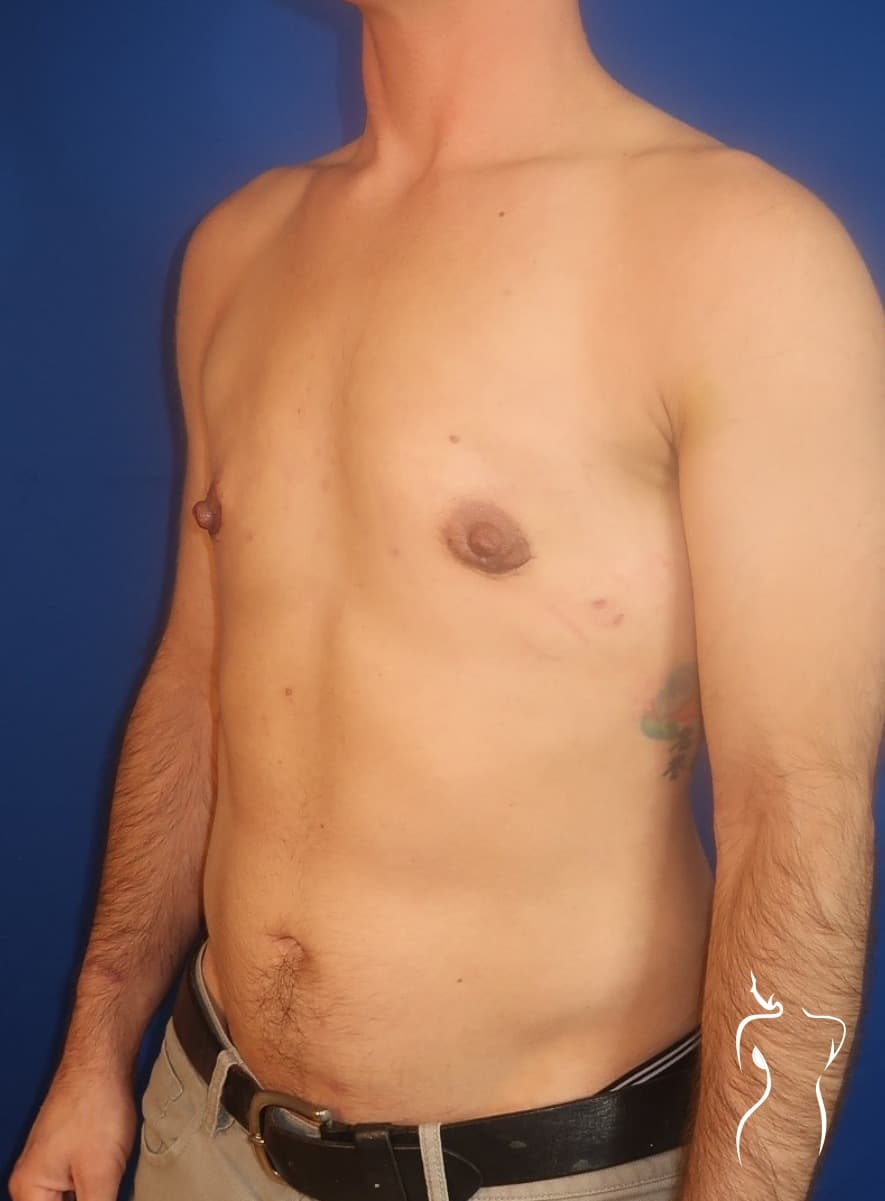
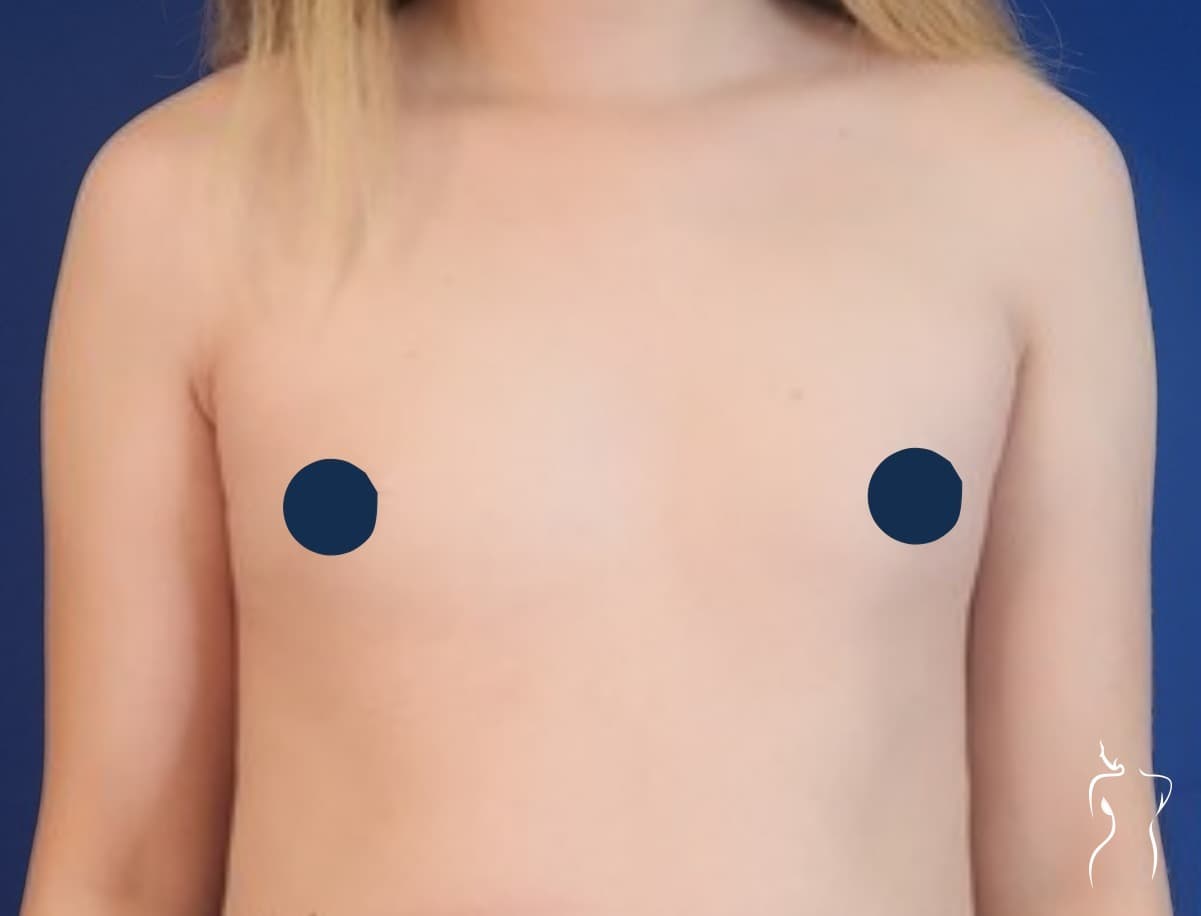
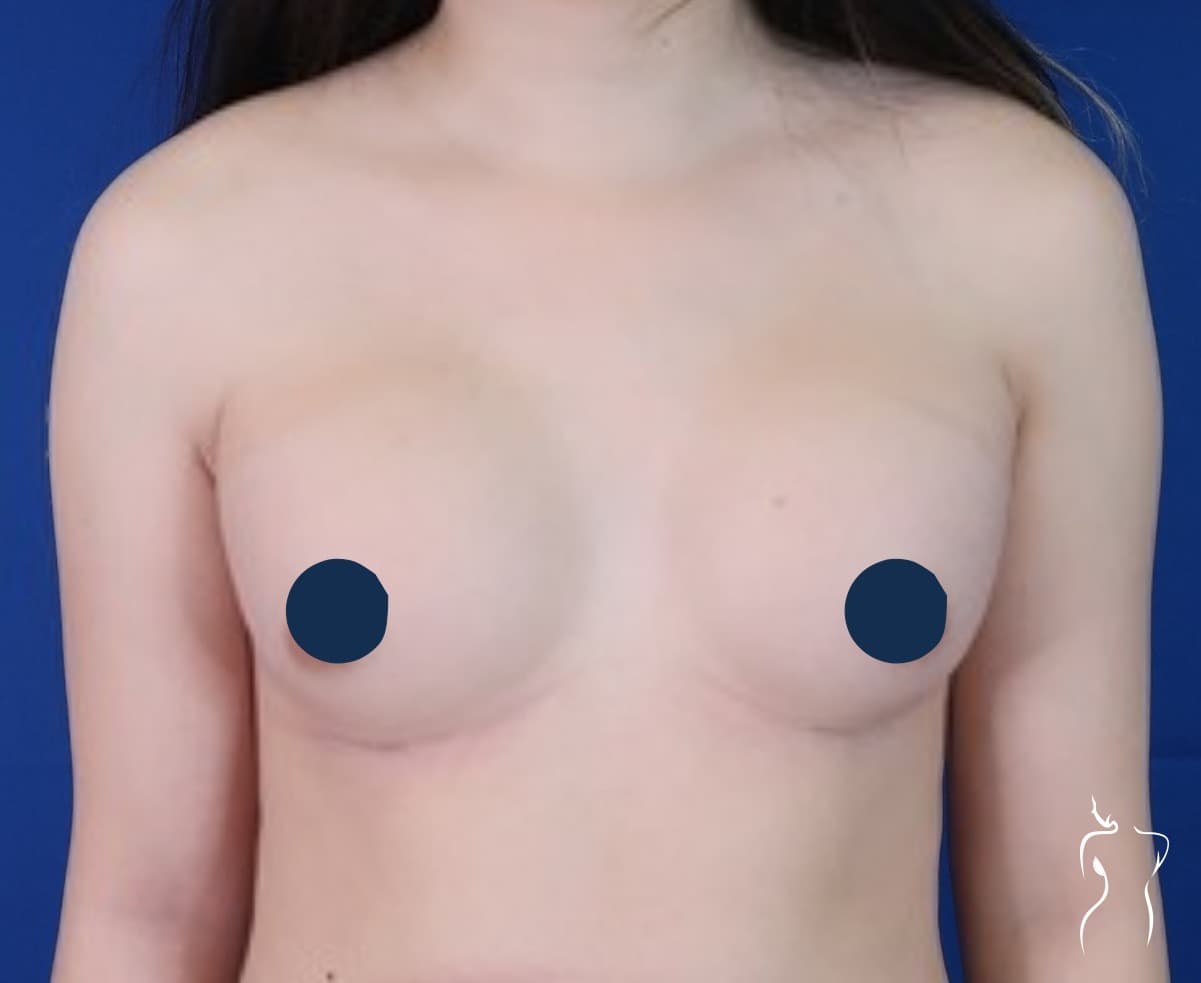
Results vary from person to person. The right comparison starts with your anatomy and your goals, in consultation.
See results like these in person. Plan a consultation with Dr. Day.
The surgical lines
Every consultation — and every operation — is with Dr. Day.
Facial surgery runs in both directions: facial feminization from forehead to jaw, and facial masculinization built on the same craniofacial foundation. Chest surgery covers top surgery in every direction — masculinizing, feminizing, and non-binary plans with no predetermined endpoint. Body contouring completes transitions where it serves the goal.
Sequencing is part of the plan, not an afterthought. Some patients do one operation and stop; others stage several over a year or more, letting each result inform the next and spreading both recovery and cost. Where procedures can safely combine, combining saves a second downtime; where they cannot, saying so is the more useful answer.
WPATH recognizes gender-affirming surgery as medically necessary care within its evidence-based Standards of Care, and this practice's insurance process is built on that foundation.
The directions
Each line has its own page; each plan is individual. The map:
Facial feminization
Forehead and brow setback, hairline advancement, feminizing rhinoplasty, jaw and chin contouring, tracheal shave — bone-level work planned in three dimensions, staged or in one session.
Facial masculinization
Jaw and chin augmentation, brow-bone building, and masculinizing rhinoplasty. Testosterone cannot alter bone; surgery can — which is why facial masculinization keeps coming up after years on hormones.
Top surgery
Masculinizing, feminizing, and non-binary techniques, with the endpoint defined by you — including reduction rather than full flattening, which is the right answer for many non-binary patients.
Body contouring
Silhouette work that aligns the body with the rest of the transition — fat redistributed or removed to change how the waist, hips, and chest wall read together.
Insurance and the WPATH path
Most insurance plans in Washington cover gender-affirming surgery with documentation. The requirement follows the WPATH Standards of Care: one support letter, which most patients obtain from their therapist or primary-care provider — and the practice's coordinator handles the pre-authorization, which typically runs four to six weeks after your surgical consultation.
What the letter needs to do: document gender dysphoria and support the medical necessity of the surgery you are seeking. It can come from a psychologist, a clinical social worker, a psychiatrist, or your primary-care physician. Securing it is yours — the requirement and the timeline get explained here, but the letter itself comes from your own care team, and starting that conversation early is the single best way to shorten the wait.
Pre-authorization can only begin after the surgical consultation, since it depends on the specific plan and procedure codes. That ordering catches people off guard, so it is worth saying plainly.
Hormone therapy is not a requirement of this practice, though some insurers set their own criteria. Wherever you are in transition, the consultation meets you there.
Recovery
Recovery follows the procedure — each line's page maps its own timeline. What stays constant is the arc: walking the same day or the next, desk work often within one to two days, full activity at four to six weeks for most procedures.
You communicate directly with the clinical team throughout, from pre-authorization to the last follow-up.
How the weeks before and after surgery fit together is covered in the practice's recovery guide.
Plan a consultation with Dr. Day.
Patient Voices
Individual results vary. Quotes are verbatim excerpts from reviews published by patients.
“During my consultation, I was able to explore my goals and talk over my concerns until I felt confident moving forward. His office was responsive with my follow-up questions and helped me figure out insurance issues and private pay options.”
“He made my experience incredibly easy and created a safe space to express what I was looking for in my procedure. Definitely would be recommending him to a ton of my friends seeking gender affirming care.”
Questions, answered
The rest belong in a conversation. Consultations are unhurried by design.
What documentation do I need?
One support letter, per the WPATH Standards of Care — most patients obtain it from their therapist or primary-care provider. The practice's coordinator manages the insurance pre-authorization from there, typically a four-to-six-week process.
Will insurance cover my surgery?
For many patients in Washington, yes — substantially or fully, after pre-authorization. Coverage varies by plan and procedure, and the coordinator gives you a specific answer for yours before anything is scheduled.
Do I need to be on hormones first?
Not as a requirement of this practice. Some insurers set hormone criteria for certain procedures, and the consultation sorts out what your plan requires.
I live outside the Seattle area. Can I start remotely?
Consultations are in person at the Bellevue office; virtual consultations are not offered, because surgical planning depends on a physical examination. For traveling patients, the coordinator helps sequence the consultation and surgical visits efficiently.
Where are surgeries performed?
At four accredited facilities: Swedish Medical Center, Virginia Mason Franciscan Health, Carillon Point Surgery Center, and Sound Plastic Surgery Center — matched to the procedure and your insurance.
Why does craniofacial training matter here?
Facial gender surgery is surgery on the facial skeleton, and craniofacial fellowship training is subspecialty study of exactly that skeleton. It is the deepest preparation a surgeon can bring to bone-level facial work.
Should I do everything at once or stage it?
Both are legitimate. One session means one anesthesia and one recovery; staging spreads cost and downtime and lets each result inform the next. Anatomy, goals, and your life decide it together at consultation — and some combinations are safe to do together while others genuinely are not, which you will hear plainly.
Does the practice perform genital surgery?
No. The surgical lines here are facial, chest, and body. For genital procedures you would be referred to a surgeon who specializes in that work.