Top Surgery in Seattle & Bellevue
Top surgery reshapes the chest to match who you are — masculinizing, feminizing, or somewhere of your own definition. There is no single correct result here, only the result that is right for you, and surgical planning begins with listening.
Masculinizing top surgery is aesthetic-first chest surgery: unlike a cancer mastectomy, every decision — contour, scar placement, nipple position, sensation — is made for how the chest will look and feel. Feminizing top surgery builds the chest with implants, fat transfer, or both.
For most patients the practical result is simple: the binder is retired.




Your surgeon
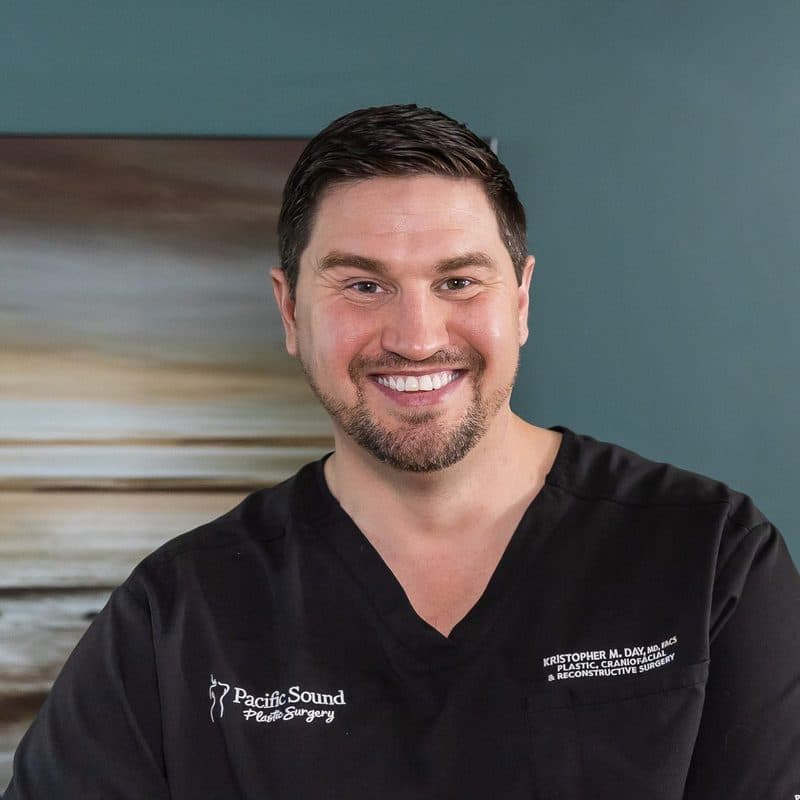
Dr. Kristopher Day is certified by the American Board of Plastic Surgery and the American Board of Surgery, fellowship-trained in craniofacial surgery, and a member of the American Society of Maxillofacial Surgeons.
Meet Dr. DayGender-Affirming Top Surgery
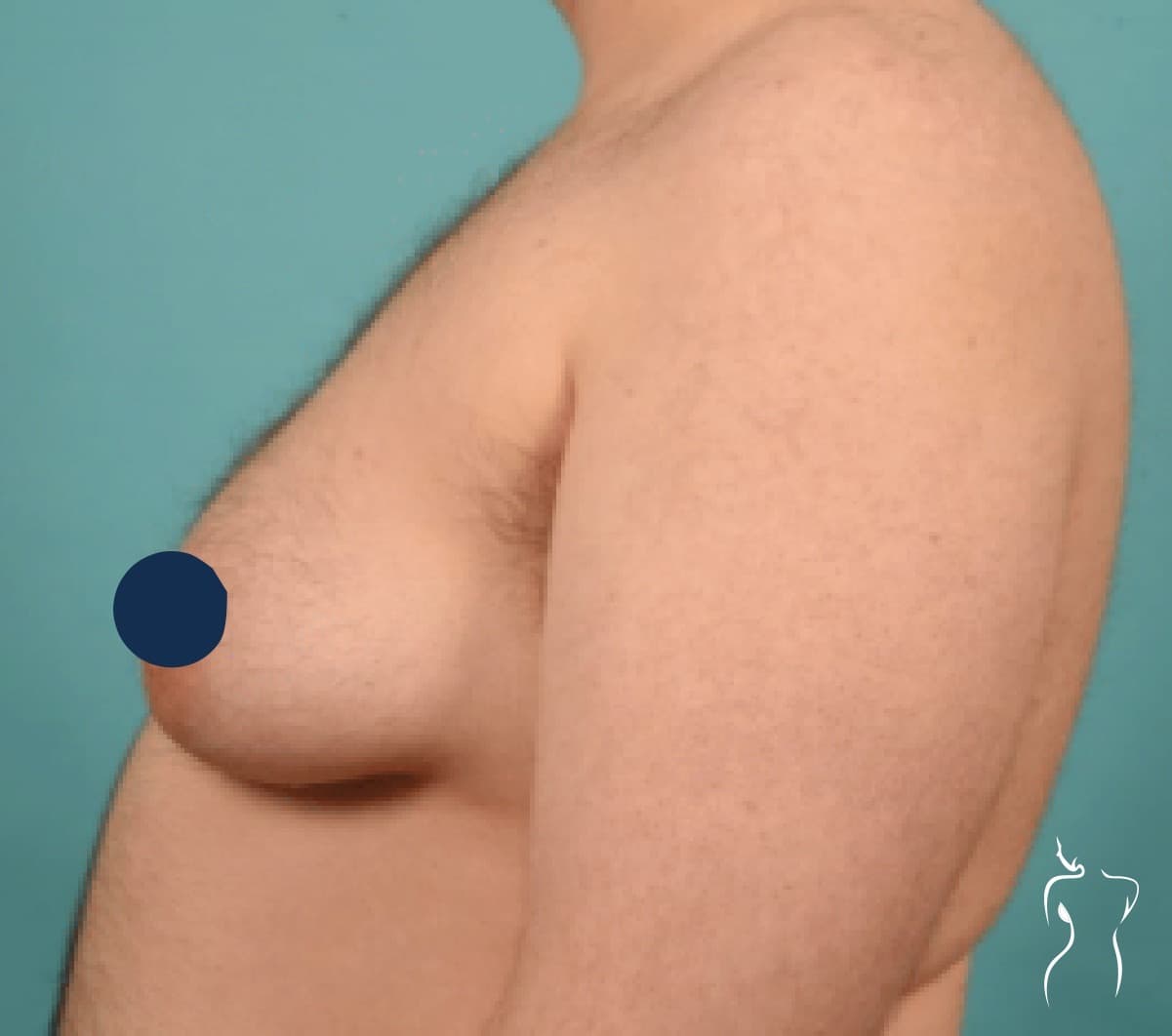
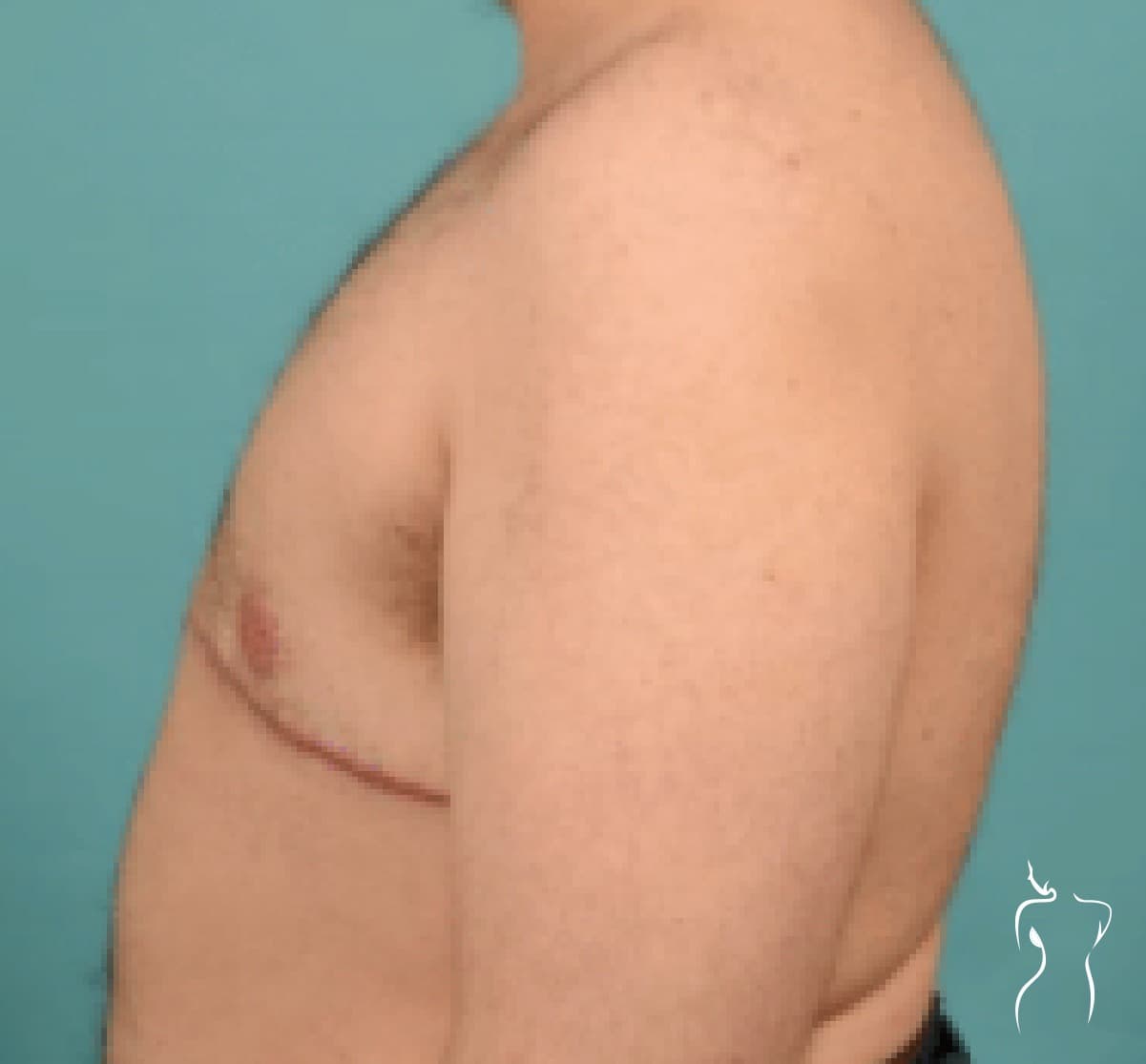
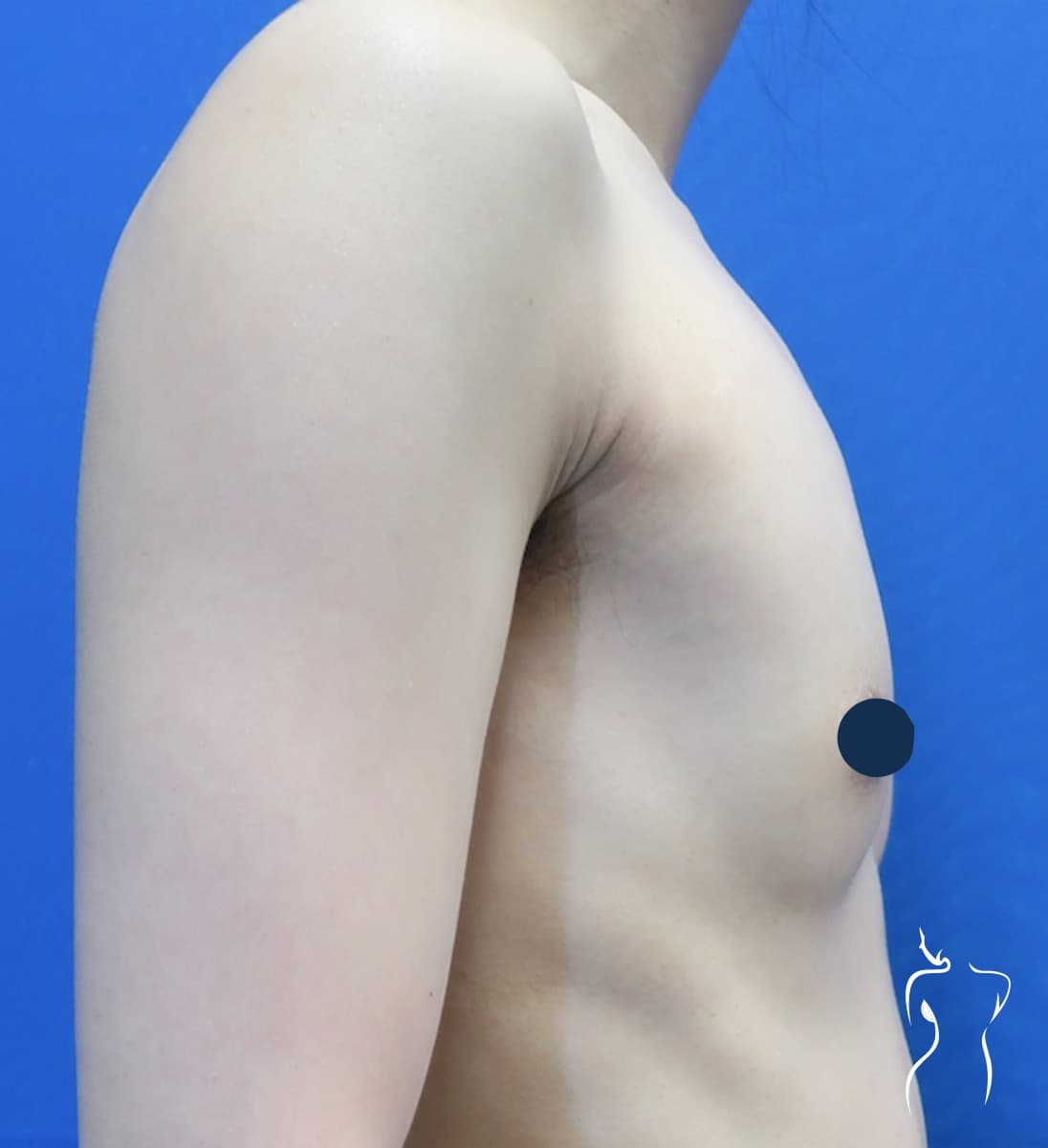
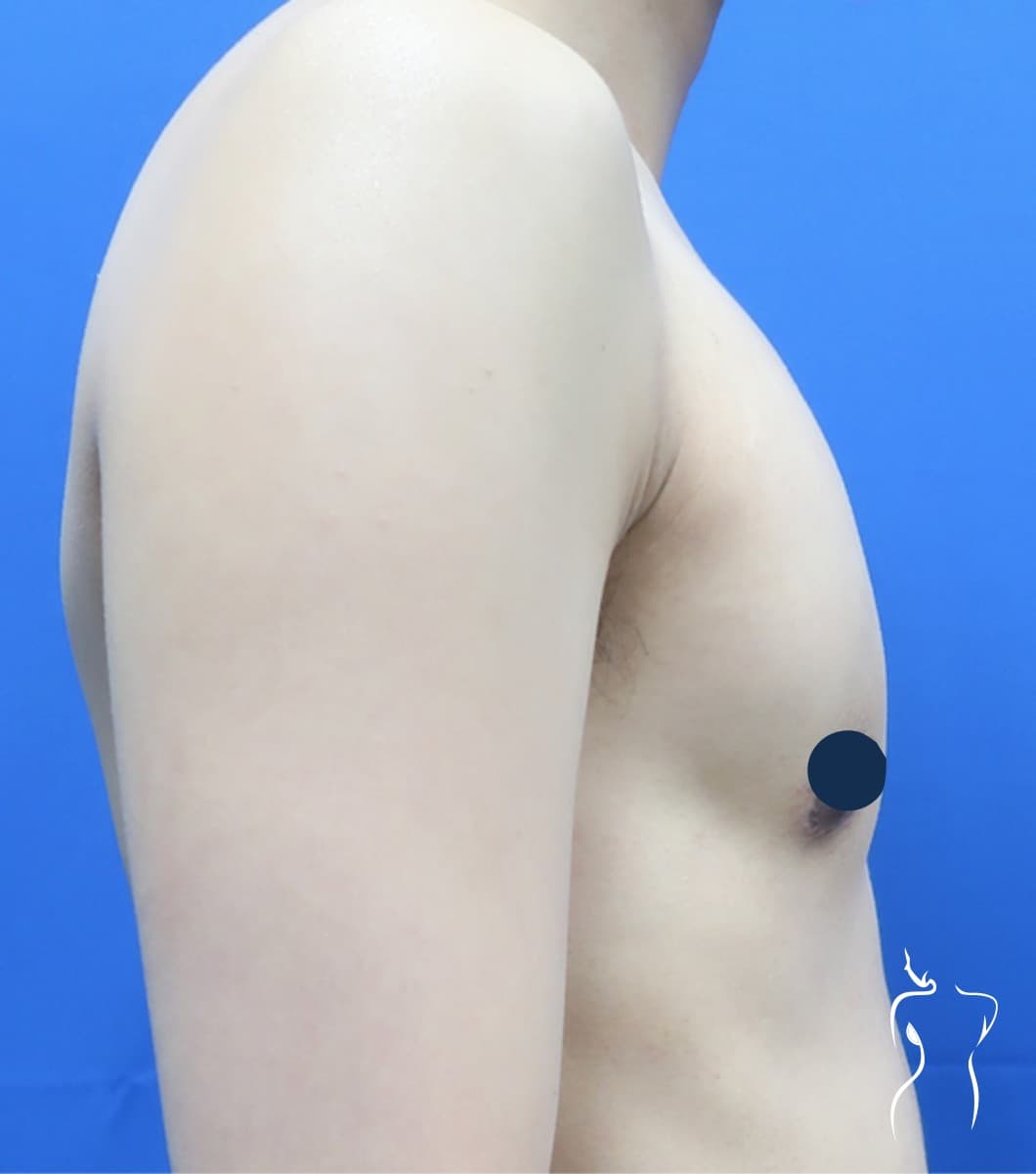
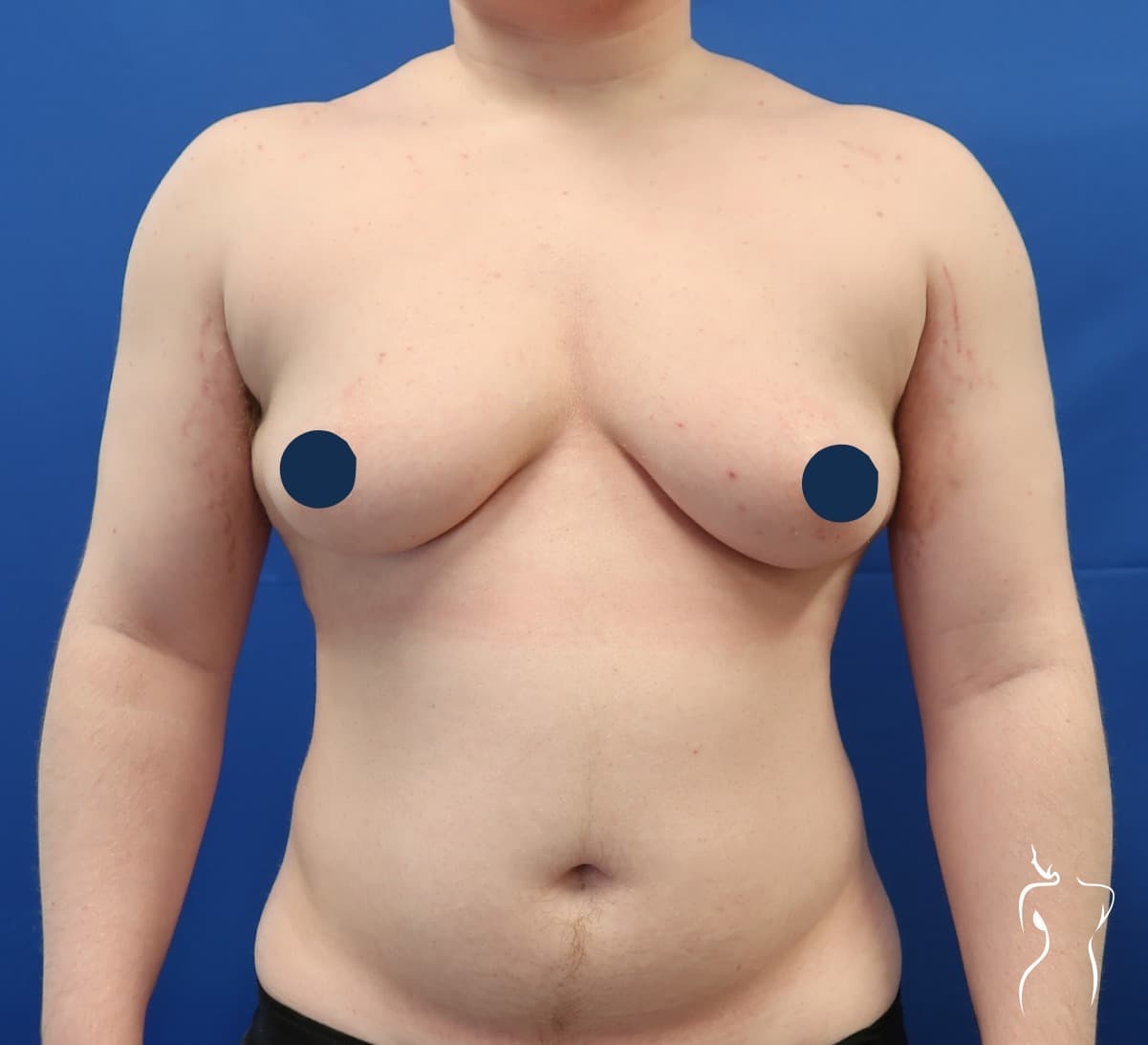
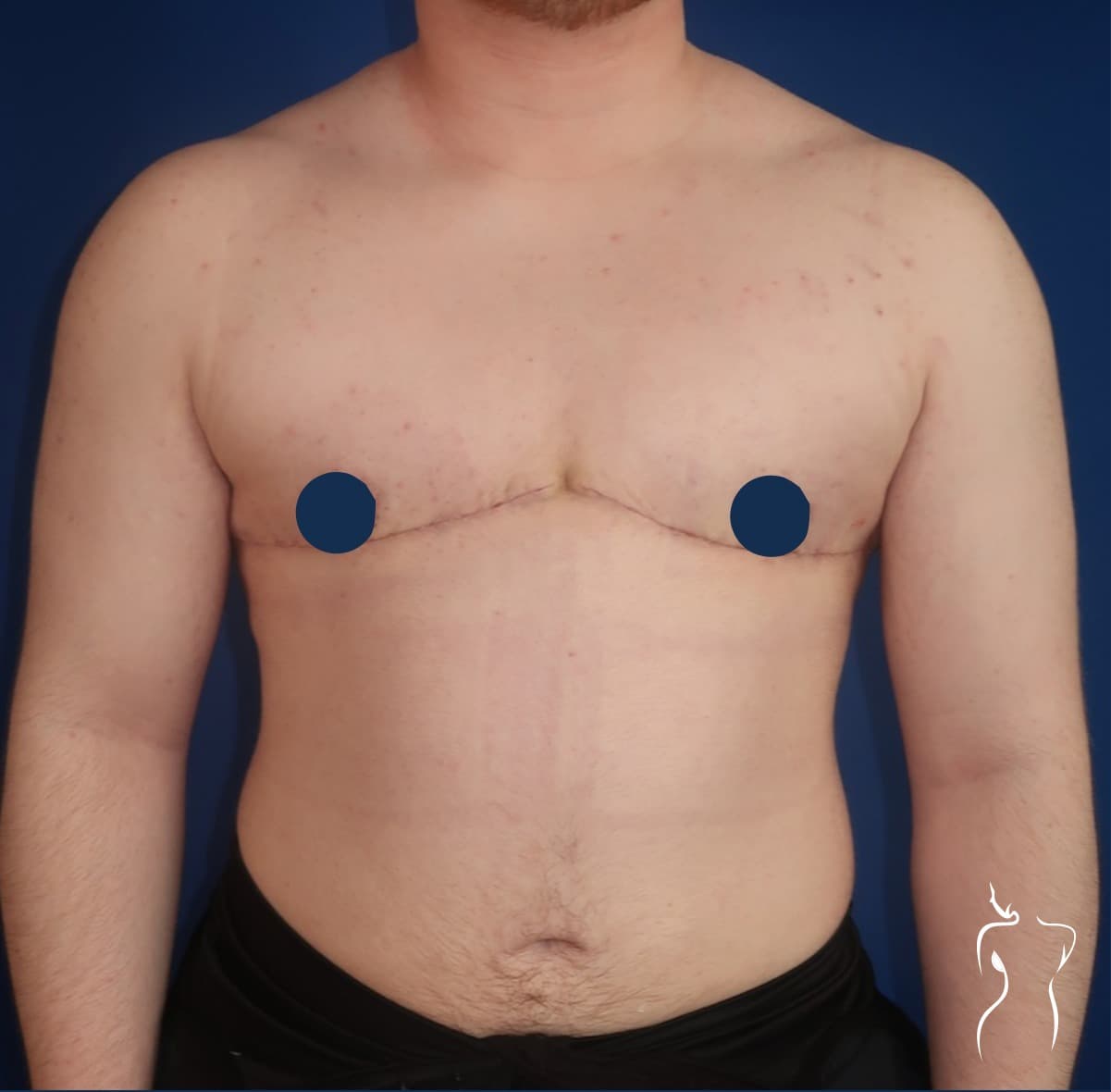
Show all 7 resultsShow fewer
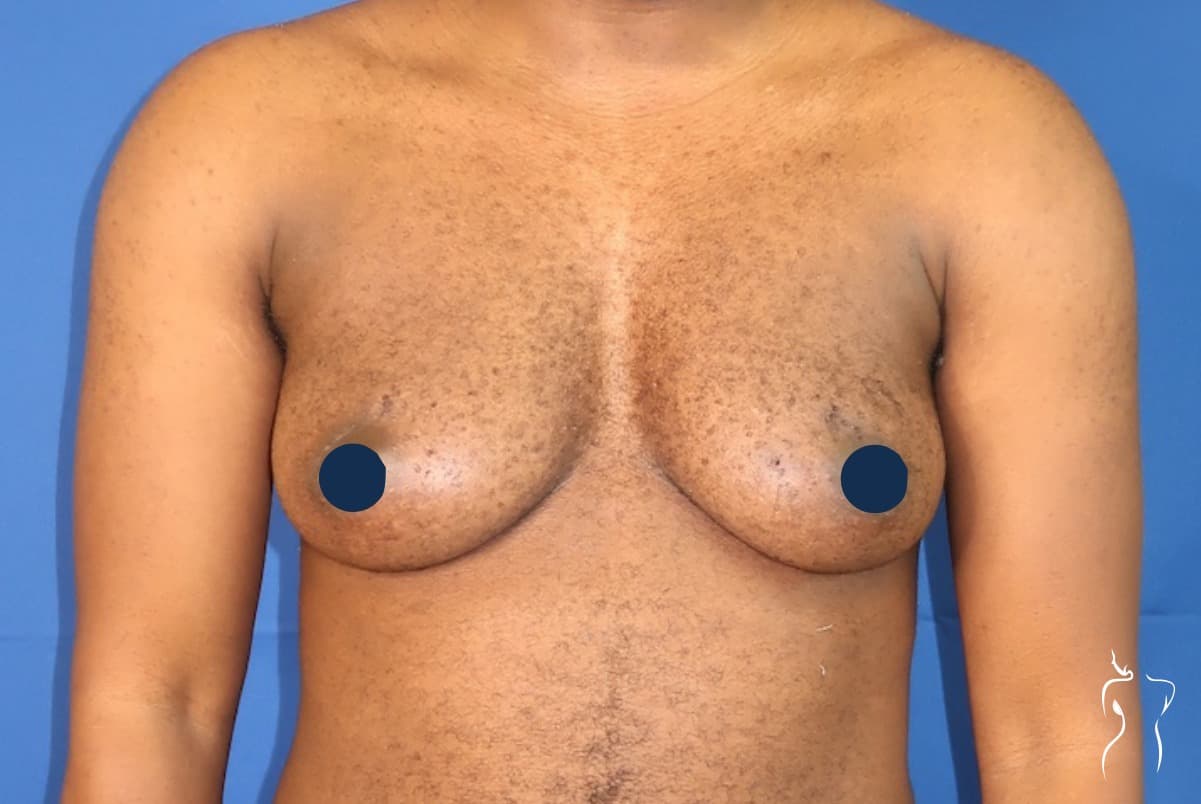
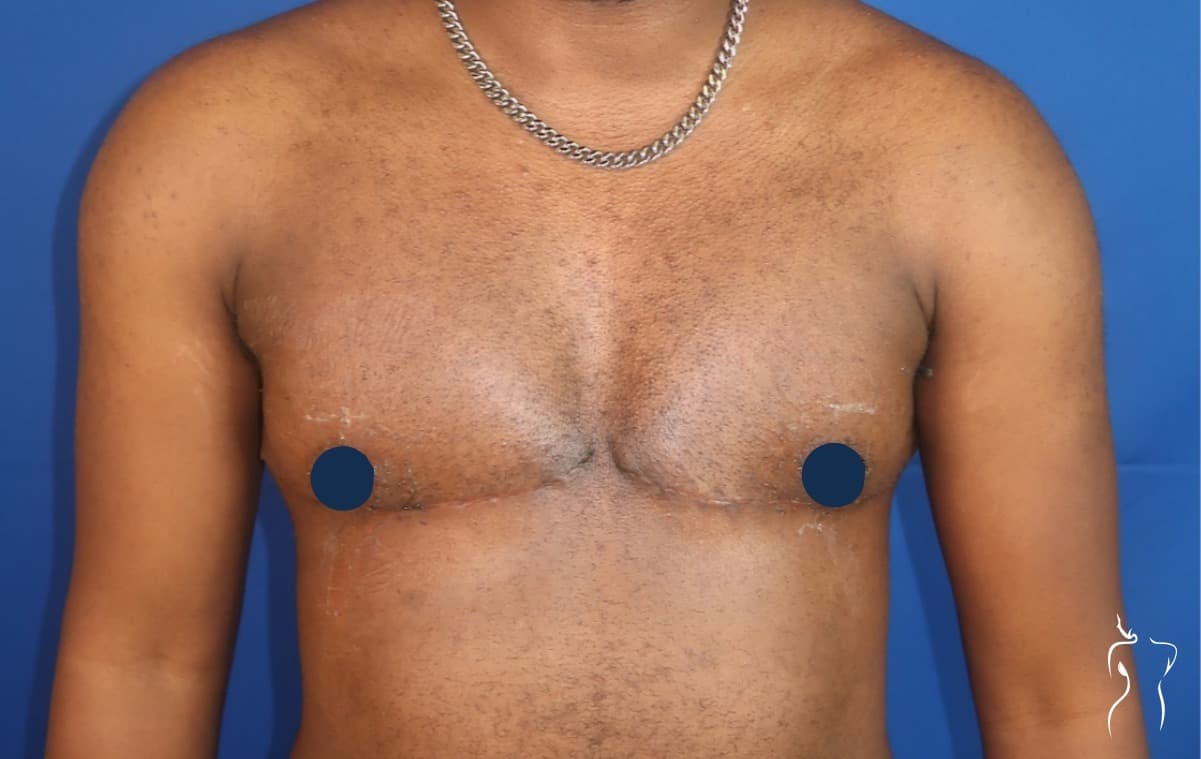
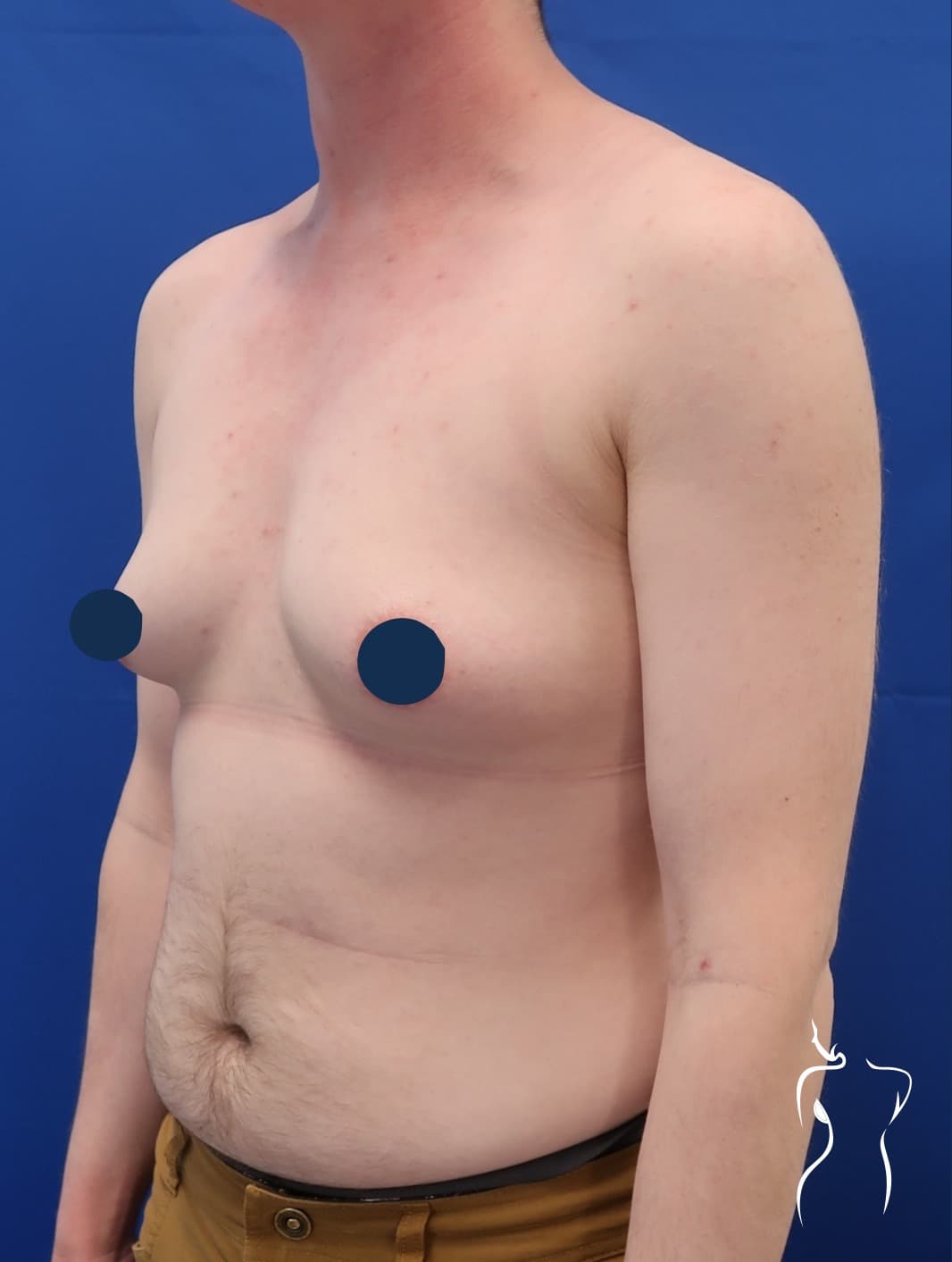
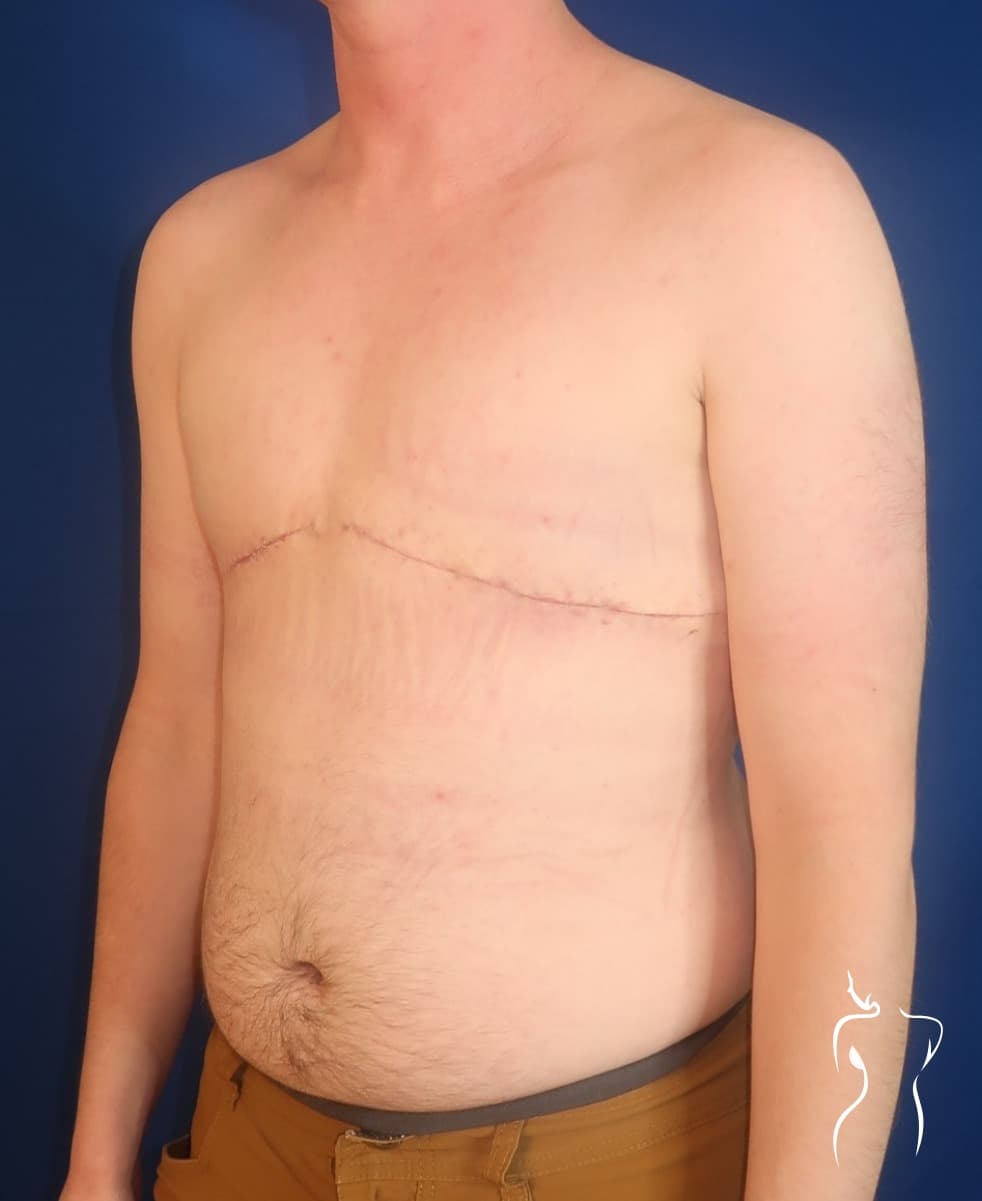
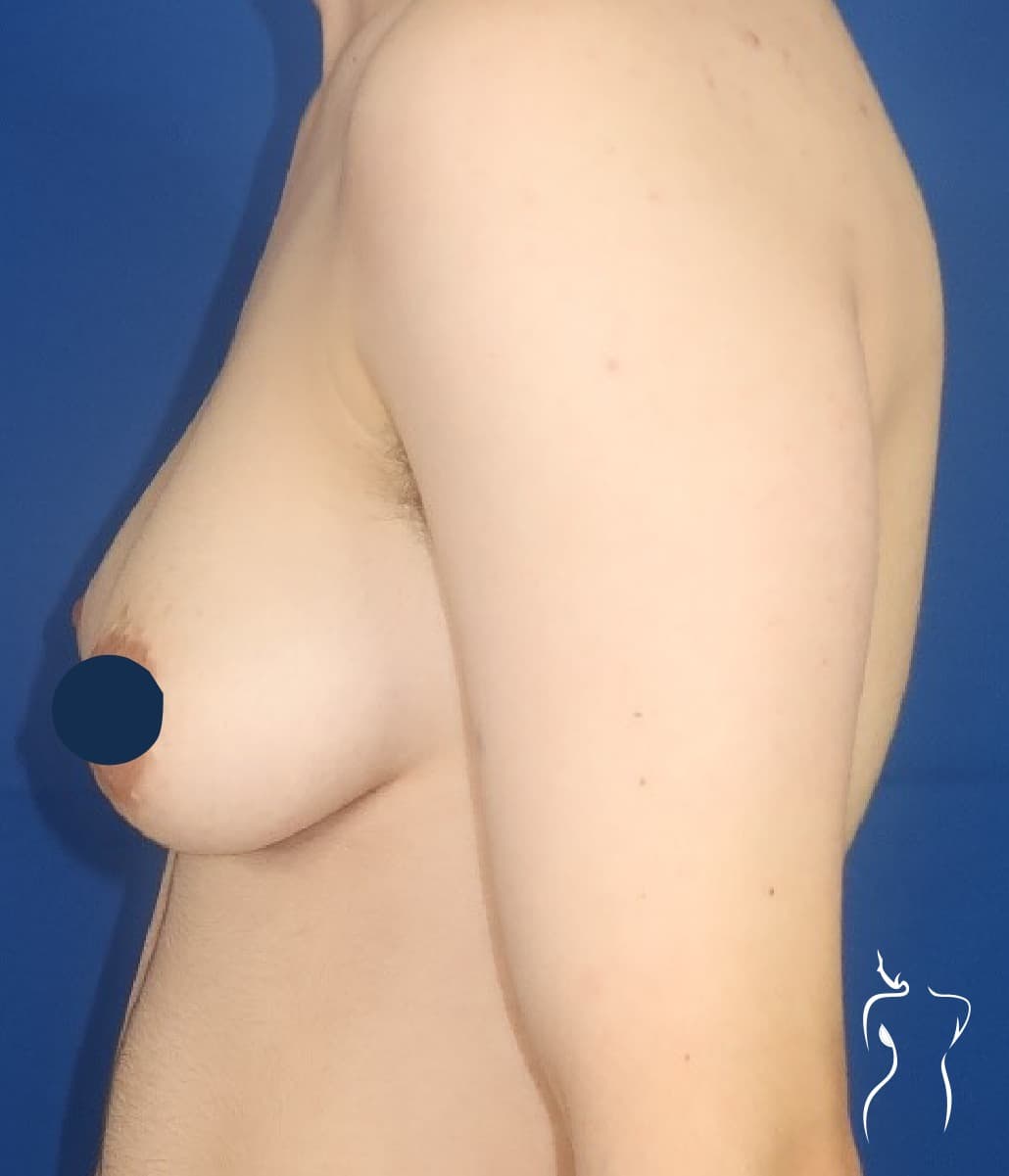
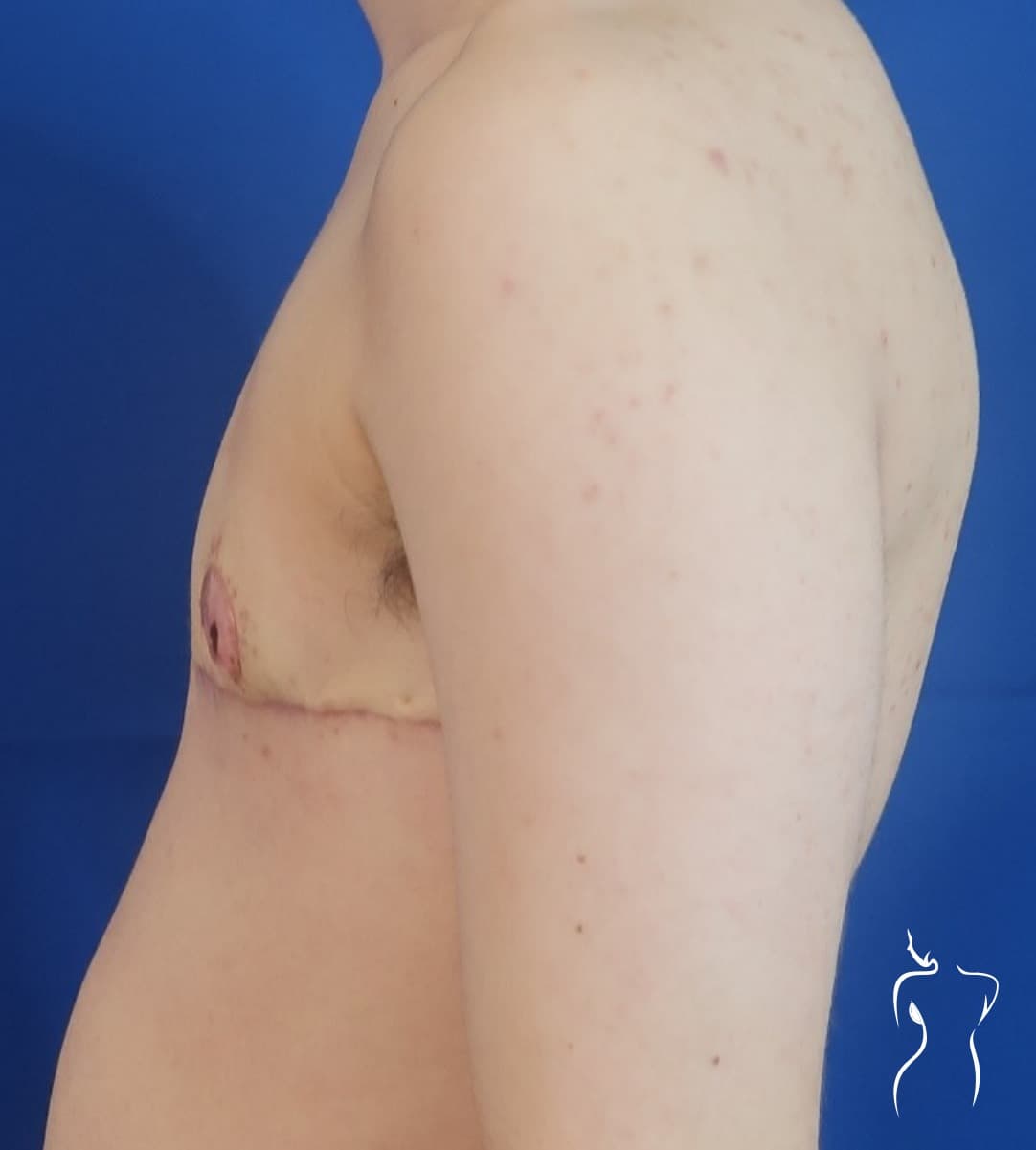
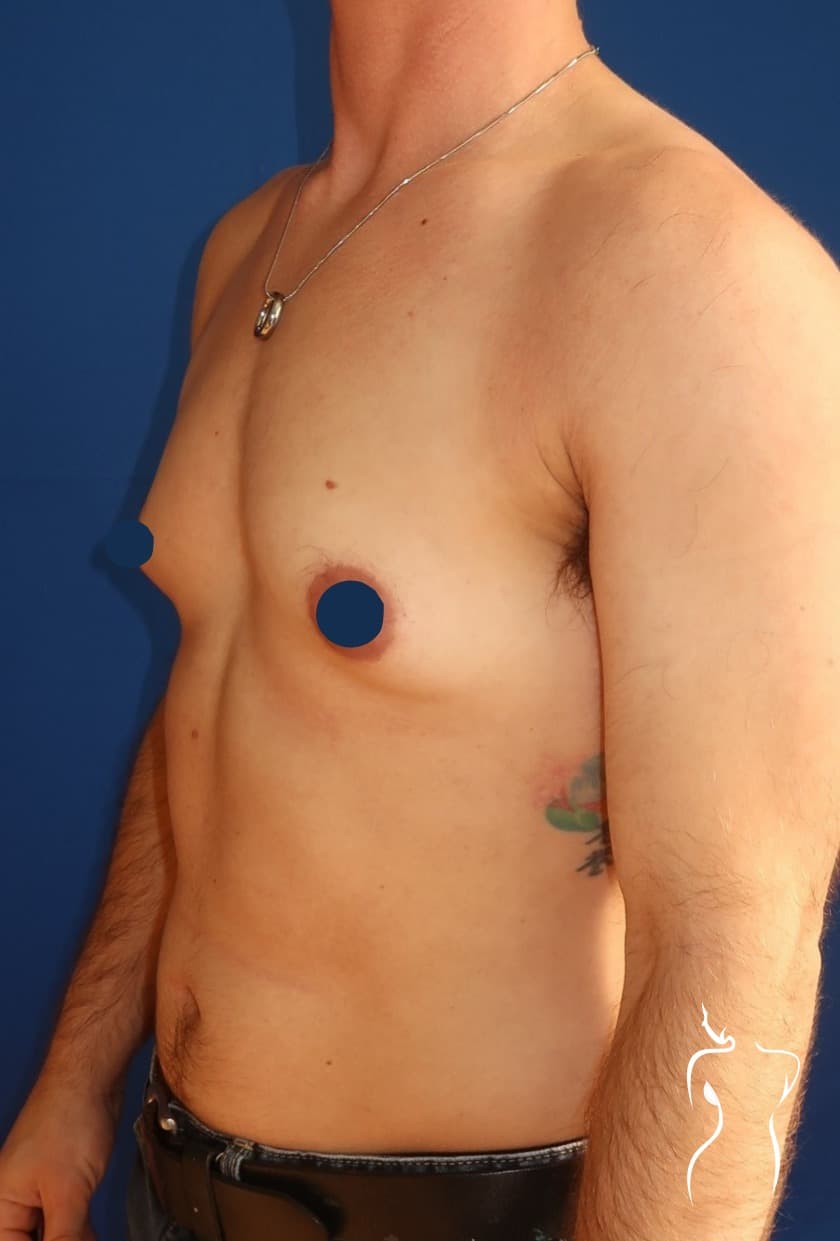
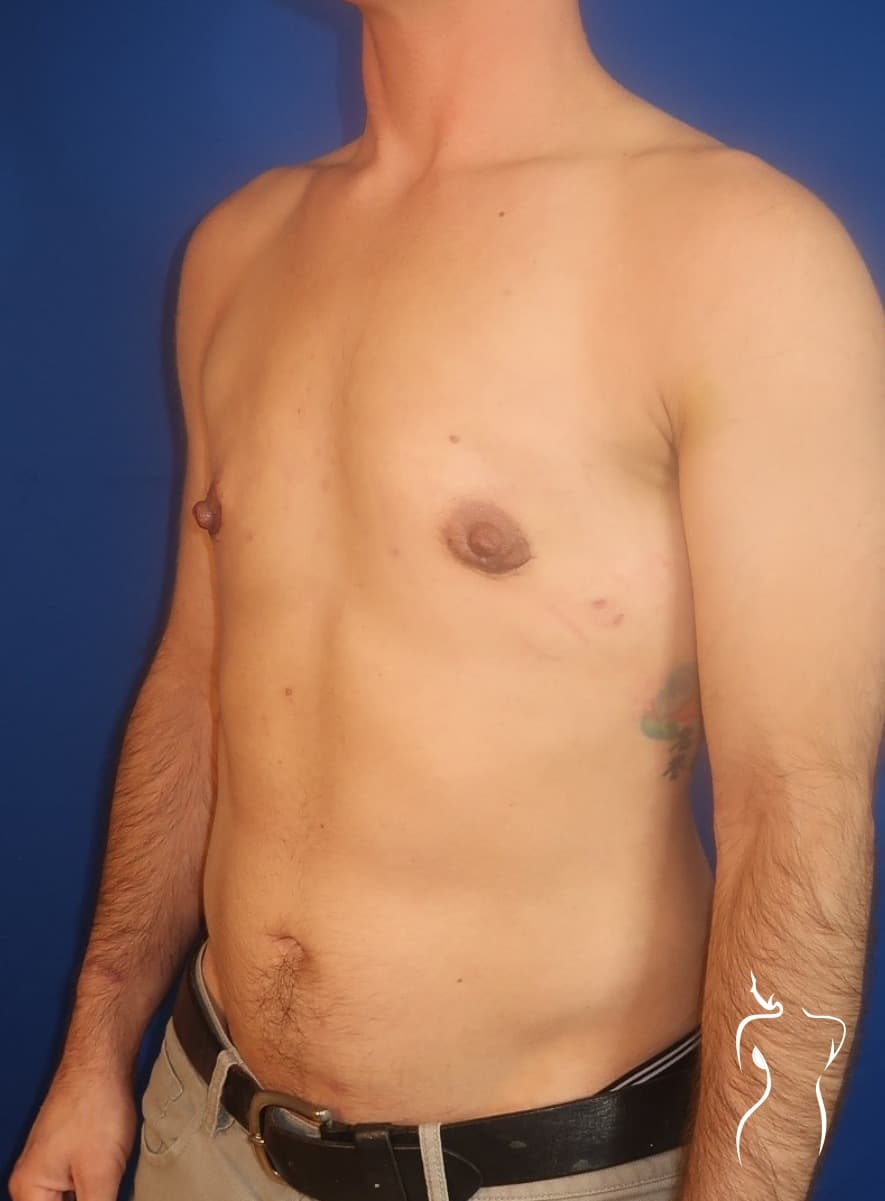
Results vary from person to person. The right comparison starts with your anatomy and your goals, in consultation.
See results like these in person. Plan a consultation with Dr. Day.
The operation
Every consultation — and every operation — is with Dr. Day.
Technique follows anatomy and goals. Chest size, skin quality, and binding history all shape the plan — years of binding change tissue, and the exam accounts for it honestly.
Planning starts with listening rather than with a technique. What you want your chest to look like, where you want to land on flatness, what you want for nipple placement and sensation — those answers come first, and the operation is chosen to reach them. There is no assumed endpoint here, which matters most for non-binary patients whose goal may be reduction or partial flattening rather than either binary result.
Surgery is same-day under general anesthesia at an accredited facility: roughly two to three hours for double-incision approaches, one to two for periareolar. Lateral chest or flank liposuction is frequently done at the same time to refine how the contour reads from the side and under the arm.
Nipple decisions belong to you: grafts repositioned to the new chest, preserved on tissue where anatomy allows, or omitted deliberately. Declining grafts is a legitimate choice here, made without pushback.
The techniques
Four families, matched to your chest and your endpoint.
Double incision
The workhorse for larger chests, with scars placed on the natural chest-to-abdomen boundary and free nipple grafts if wanted.
Periareolar / keyhole
Smaller chests with good skin tone, through incisions at the areola's edge.
No-graft double incision
A flat chest without nipple reconstruction — a deliberate choice, honored as such.
Feminizing augmentation
Implant-based, fat transfer, or composite, planned around tissue, hormonal history, and skin envelope.
Breast reduction
For many non-binary patients the right endpoint is a smaller chest rather than complete masculinization — reduction is a gender-affirming option in its own right.
Documentation and candidacy
Insurance requires one support letter, per the WPATH Standards of Care — most patients obtain it from their therapist or primary-care provider. The practice's coordinator manages pre-authorization, which typically runs four to six weeks. Top surgery is frequently covered in Washington.
To be clear about who does what: securing the letter is yours. The requirement and the timeline get communicated here, but the letter itself comes from your own care team — a therapist, psychologist, clinical social worker, psychiatrist, or your primary-care provider — and it should document gender dysphoria and support the medical necessity of surgery. Pre-authorization runs a minimum of four to six weeks after the surgical consultation.
Hormone therapy is not required by this practice — some insurers set their own criteria. A higher BMI does not disqualify you here: candidacy is assessed individually, on health rather than a cutoff.
Recovery
A compression vest is worn around the clock for at least three weeks; drains, when used, most commonly stay in for one to two weeks. Desk work often resumes within days, exercise builds back over weeks one through four, and upper-body training is cleared at the six-week visit.
The change in profile is visible immediately, but swelling governs the first weeks — definition sharpens as it resolves across weeks four to eight. The contour reads clearly at three months. Scars mature over twelve to eighteen months, pink and slightly raised at first, then flattening and lightening, supported with silicone sheeting and massage once healed.
Every post-operative visit is part of the surgical plan rather than an add-on, and the clinical team is reachable by phone throughout — drain questions, scar care, or anything that worries you at an odd hour of the process.
How the weeks before and after surgery fit together is covered in the practice's recovery guide.
Plan a consultation with Dr. Day.
Patient Voices
Individual results vary. Quotes are verbatim excerpts from reviews published by patients.
“Dr. Day went out of his way to make me feel comfortable and accepted, going as far as politely correcting nurses at the hospital on my pronouns on multiple occasions. … Dr. Day was very honest with me about possible complications and less-than-ideal results.”
“I got sick during my healing and had some minor complications, during which Dr Day was personally available via email and phone call to discuss my concerns and brought me in asap to assess my healing when I began feeling ill.”
“The day of my first consultation we went over the surgery process where we discussed what I wanted my results to look like, recovery times, dates, etc. By the time I walked out of my appointment I had my pre op appt booked, my surgery date, and my supply list.”
Questions, answered
The rest belong in a conversation. Consultations are unhurried by design.
What documentation does insurance require?
One support letter, per the WPATH Standards of Care — most patients obtain it from their therapist or primary-care provider, and the coordinator handles pre-authorization from there, typically four to six weeks. Top surgery is frequently covered in Washington.
Do I need to be on testosterone or hormones first?
Not as a requirement of this practice. Some insurers set hormone criteria; the consultation sorts out what your plan actually requires.
Can I decline nipple grafts?
Yes. A flat chest without grafts is a deliberate, legitimate choice, and it is honored here without pushback. For patients who want the appearance without grafts, medical-grade nipple tattooing is available locally.
Which technique will I need?
Chest size, skin quality, and binding history all matter, and one of the most important factors is whether skin rests on skin at the fold beneath the chest: double incision for larger chests, periareolar for smaller ones with good tone. The exam gives you a specific answer, with the trade-offs plain.
Will I keep sensation?
It varies by technique and is discussed honestly before you choose. Grafted nipples lose most erotic sensation; preserved-pedicle techniques retain more. Chest-wall sensation largely returns over months.
I have a higher BMI. Can I still have top surgery?
A higher BMI does not disqualify you at this practice. Candidacy is assessed on your health, not a cutoff, and the consultation gives you a real answer instead of a form rejection.
What will the scars look like?
Double-incision scars run along the natural boundary between chest and abdomen, where the eye expects a line — and where most clothing, including swimwear, covers them. They start pink and slightly raised, then flatten and lighten over twelve to eighteen months with silicone sheeting and massage. Periareolar incisions sit around the areola and tend to be less visible overall.
How is non-binary top surgery different?
By the absence of a predetermined endpoint. Binary planning aims at either a flat masculine chest or a feminine contour; non-binary planning aims at whatever you actually want — moderate flattening, reduction without full flatness, a particular nipple presentation, or a combination that is simply yours. The technique gets chosen after that conversation, not before it.
Can it be combined with other procedures?
Commonly. Liposuction of the lateral chest and flanks is frequently done in the same session because it refines how the chest reads from the side. Other combinations are considered case by case against your anatomy and how much recovery you can reasonably take on at once.
How much does top surgery cost without insurance?
Cash-pay top surgery starts from $6,500, with a written breakdown at consultation. Most patients pursue insurance first — coverage is common — and CareCredit and Alphaeon financing bridge what remains.
Financing Options