Liposuction in Bellevue
Liposuction removes the stubborn, diet-resistant fat that training cannot touch. It is a sculpting operation for patients near a stable weight, and honest framing matters: it is not a weight-loss treatment.
The instruments enter through incisions of two to three millimeters, small enough to fade toward invisibility, and the typical removal is measured in single-digit pounds — the difference is in the contour, never the scale.
Dr. Day selects the technique by the area and your tissue, from tumescent to ultrasound-assisted, with awake liposuction available for select smaller areas.





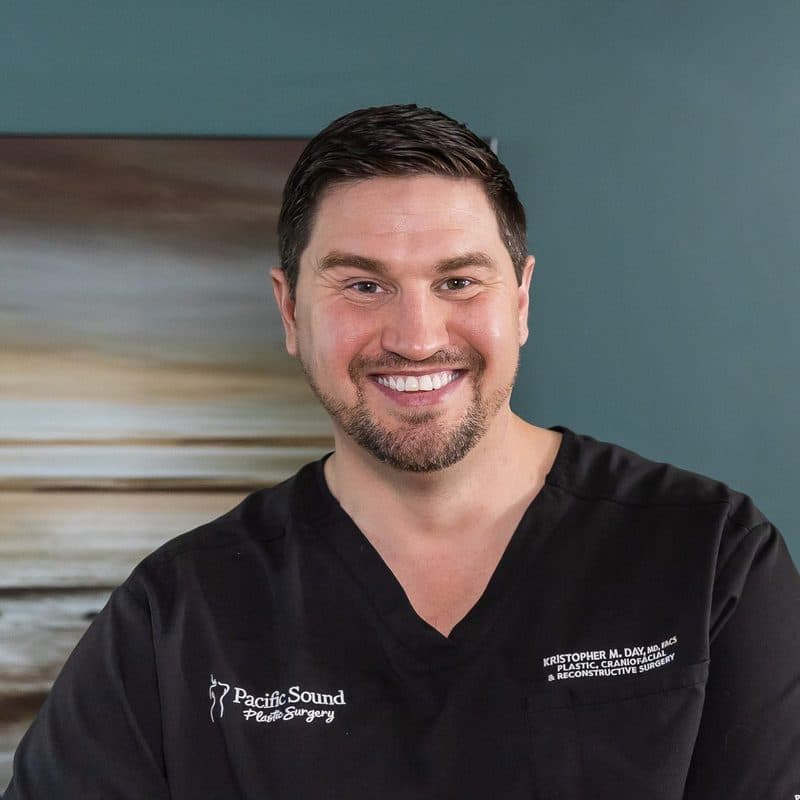
Your surgeon
Dr. Kristopher Day is certified by the American Board of Plastic Surgery and the American Board of Surgery, fellowship-trained in craniofacial surgery, and a member of the American Society of Maxillofacial Surgeons.
Meet Dr. DayLiposuction
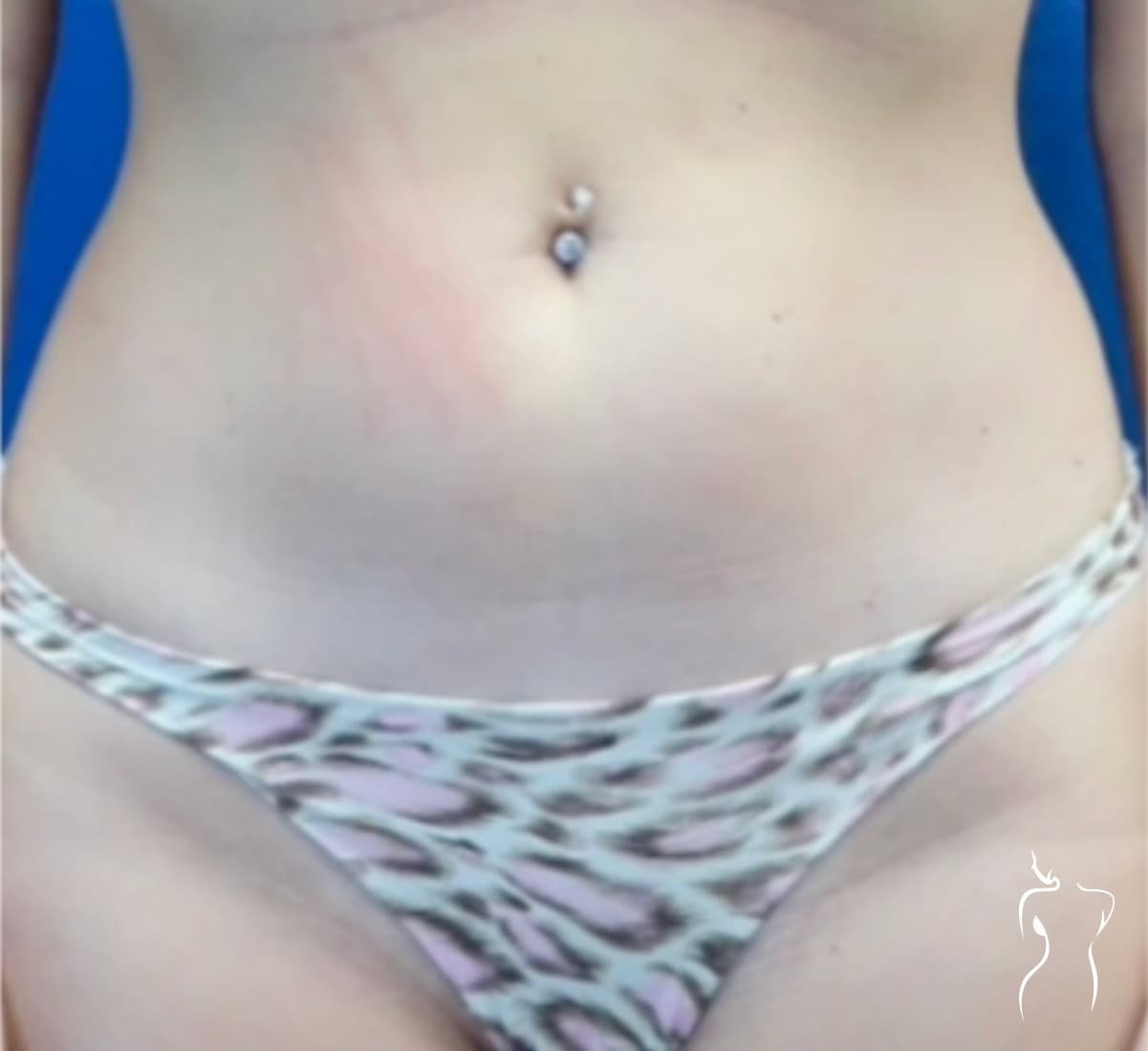
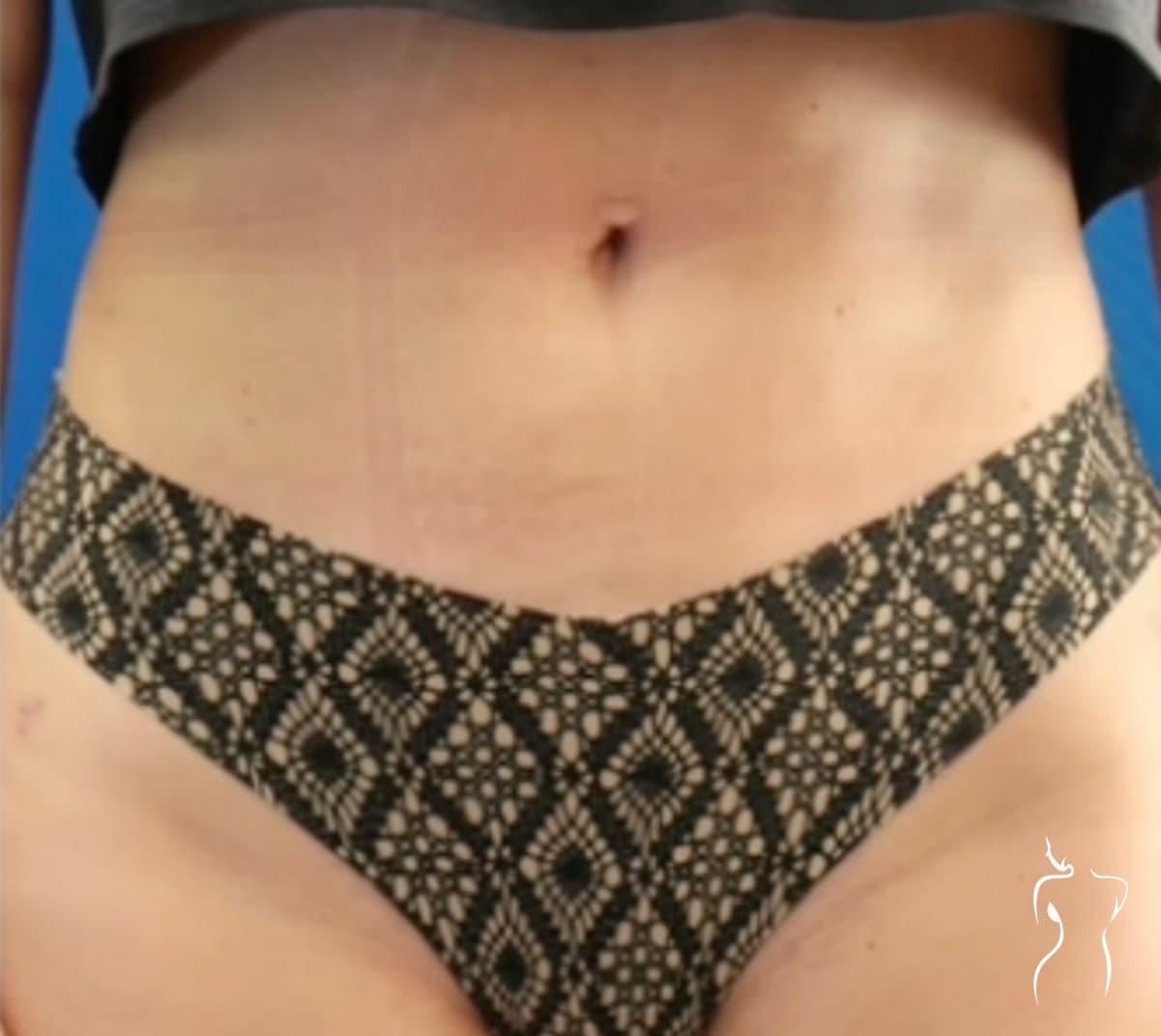
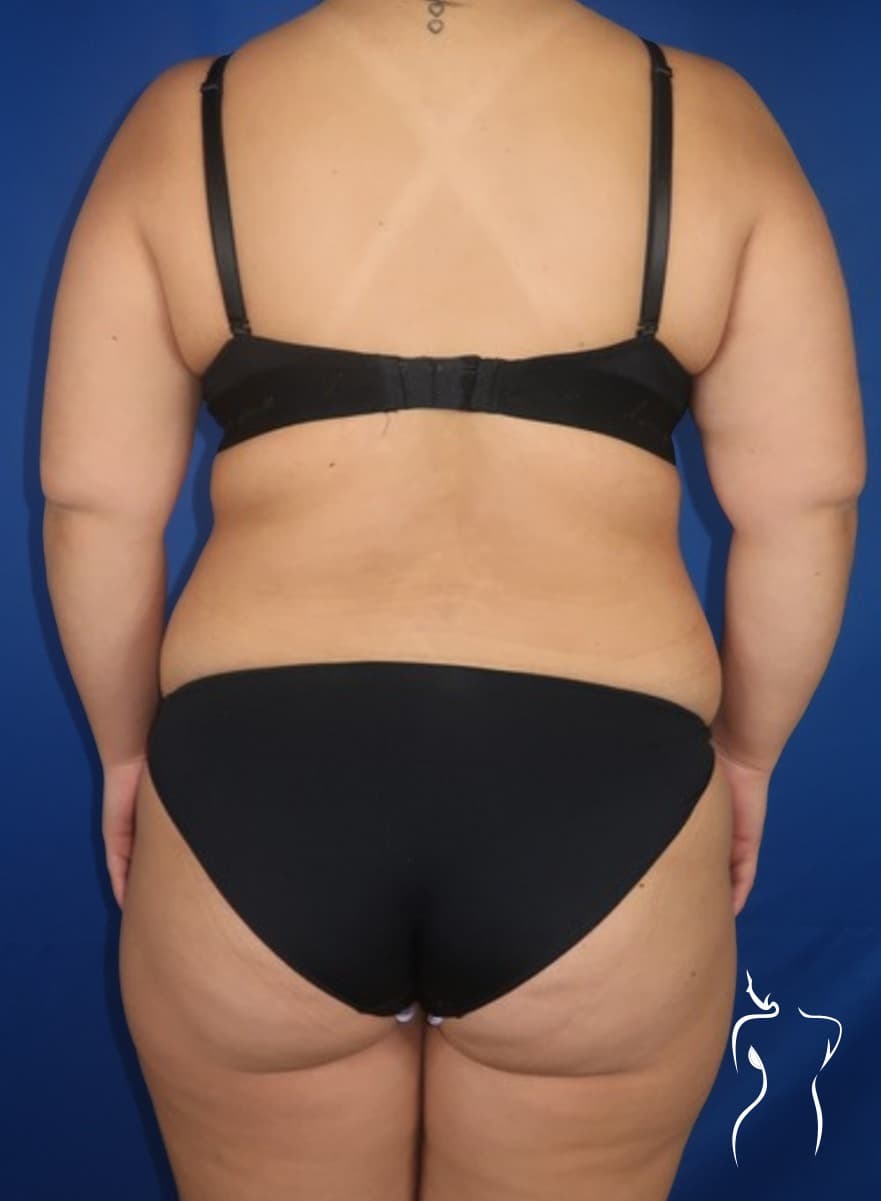
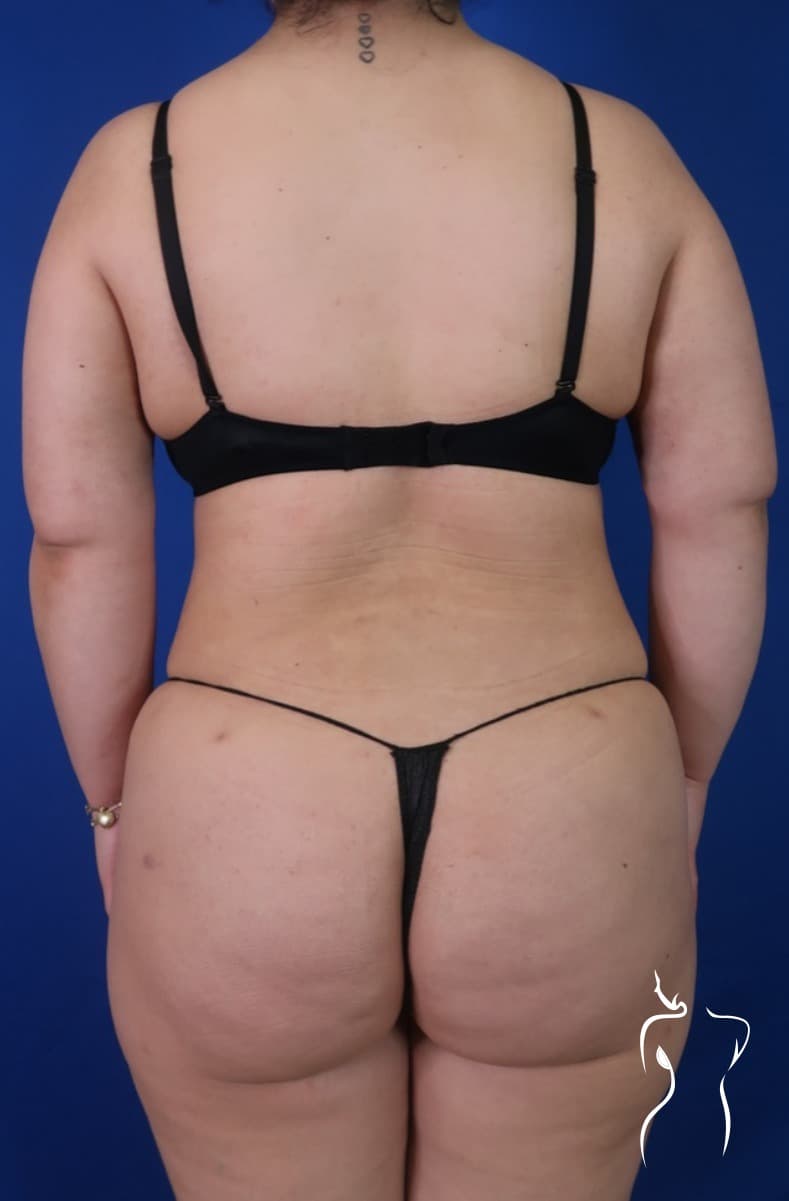
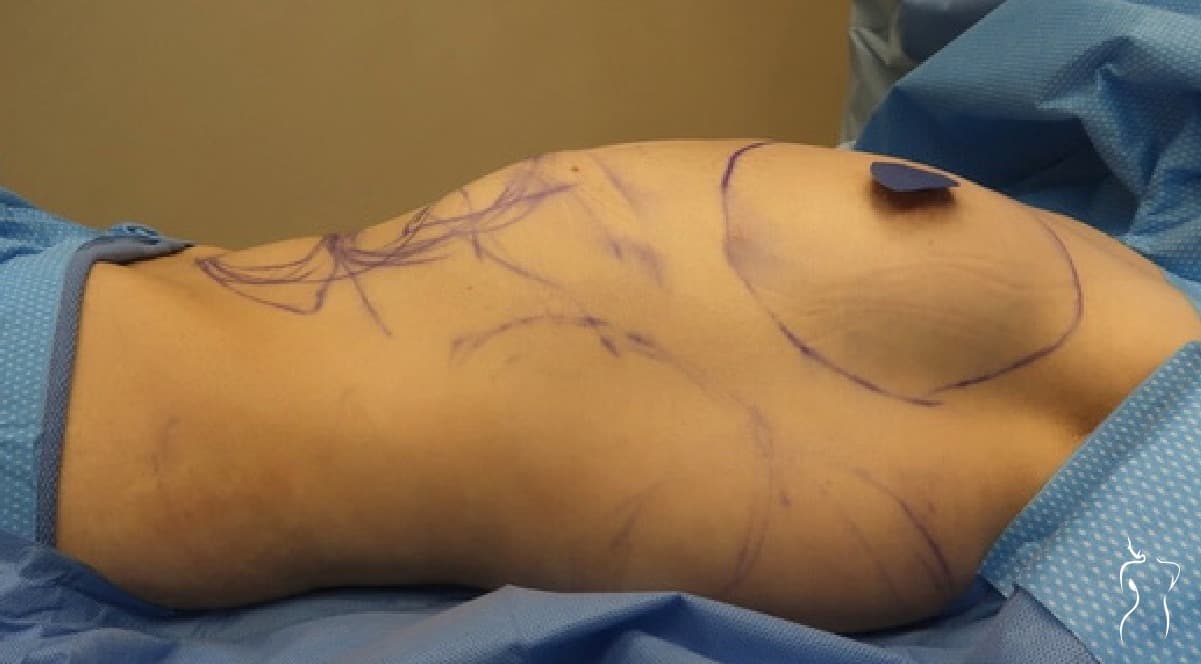
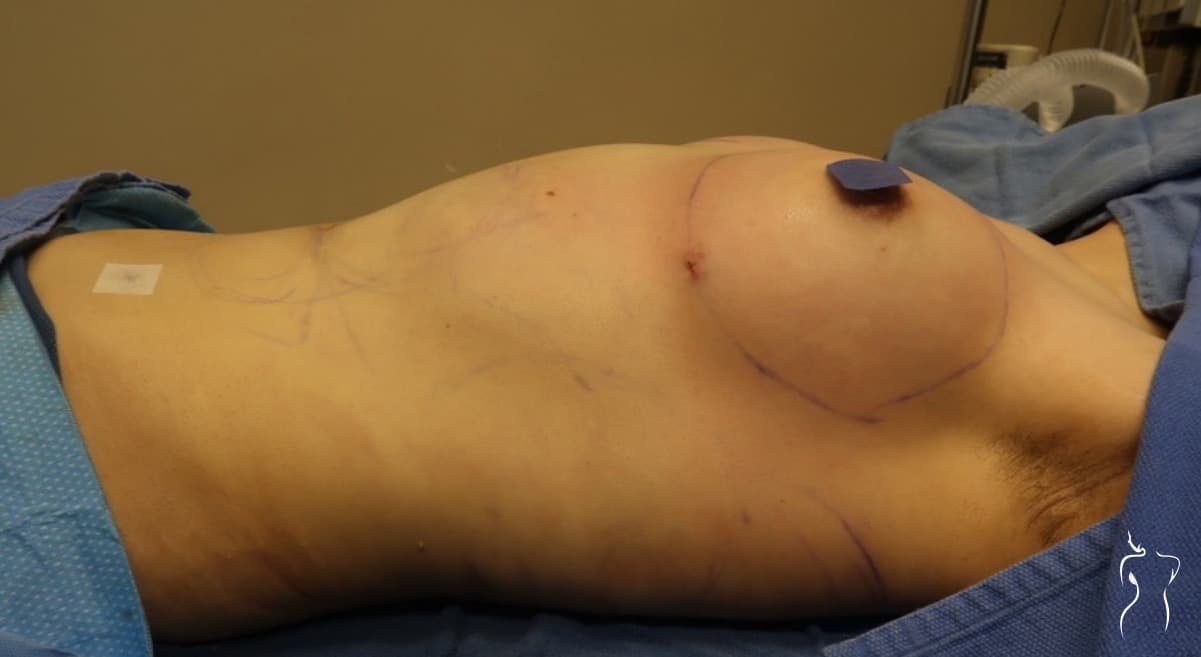
Show all 5 resultsShow fewer
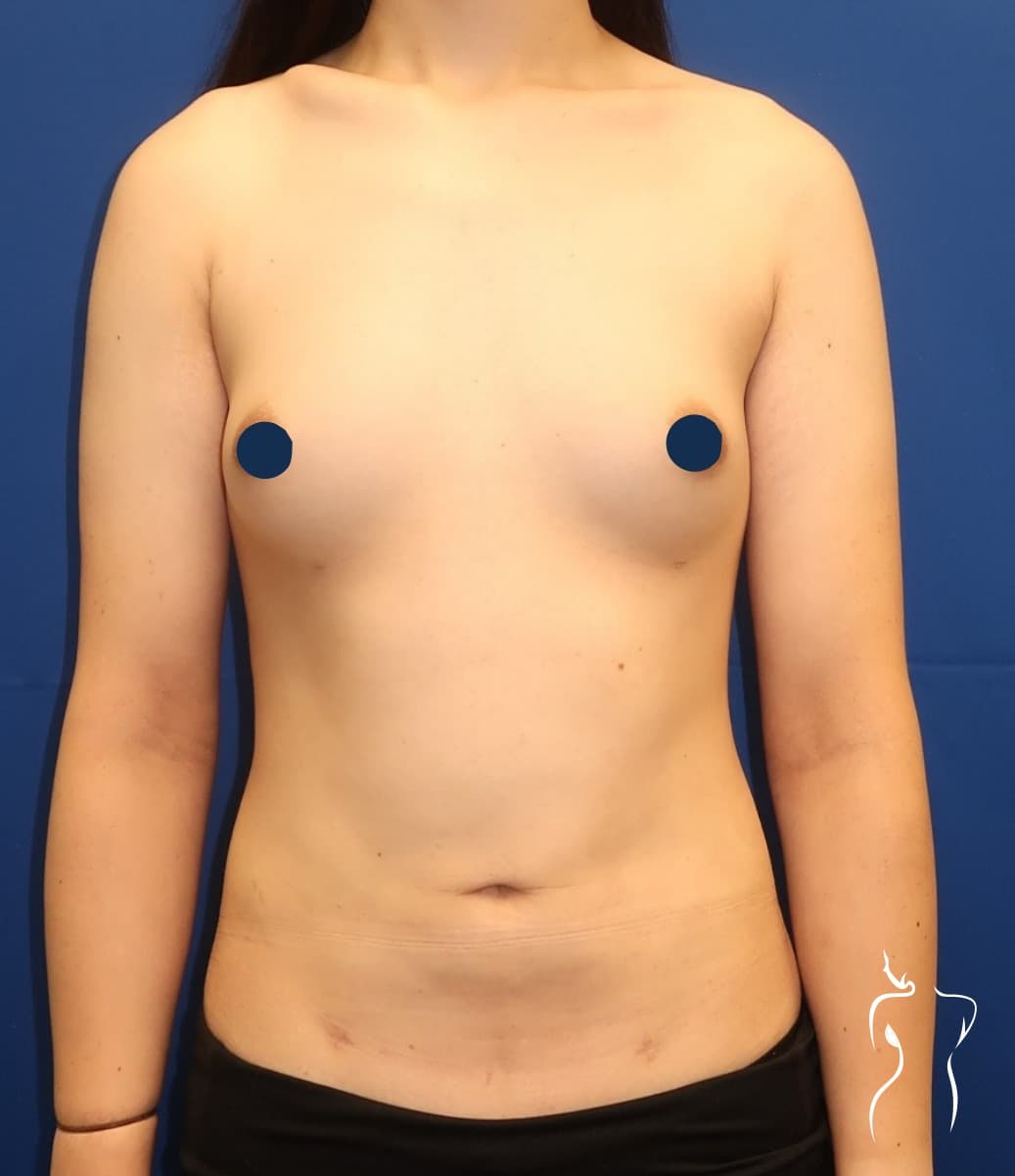
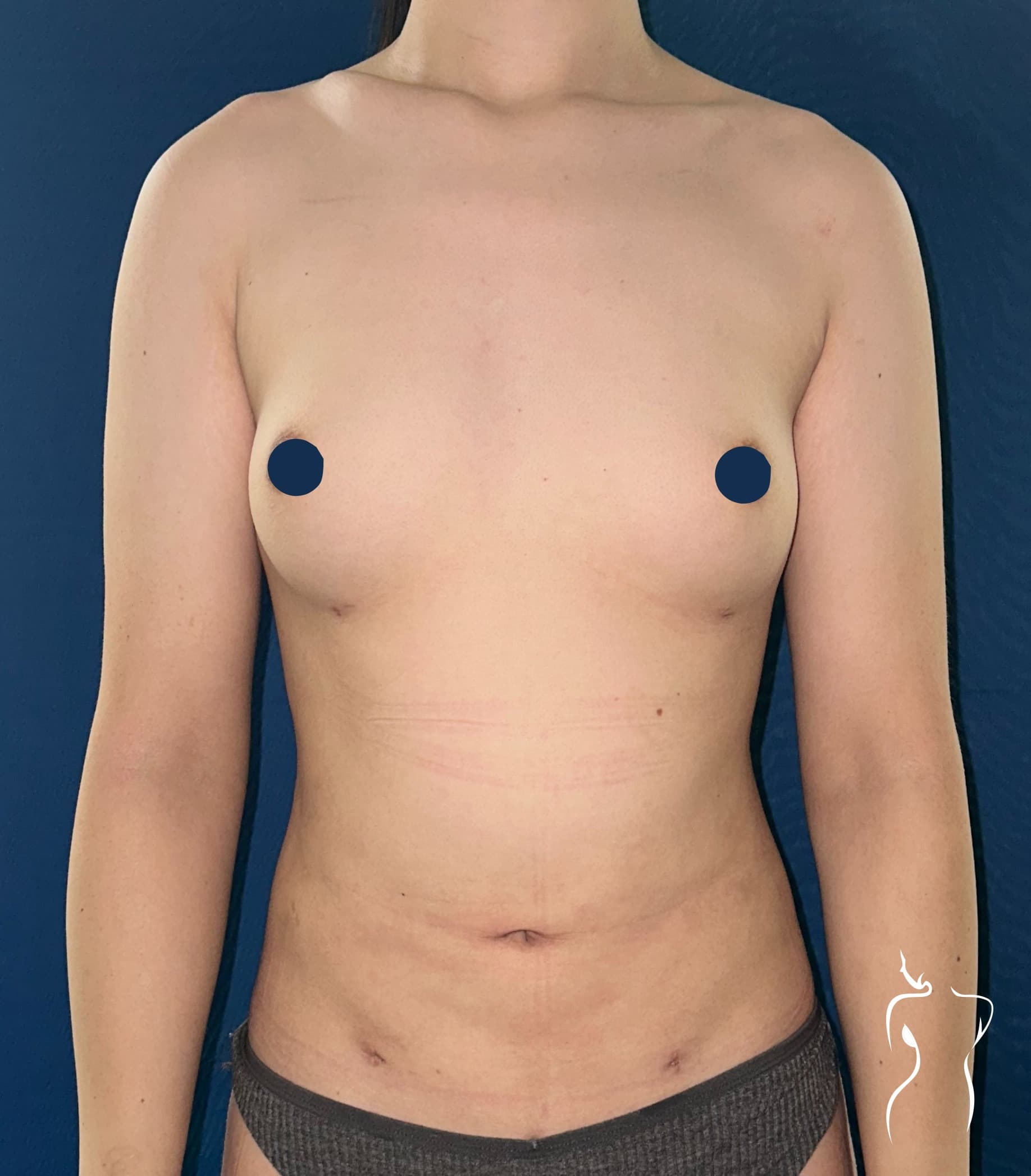
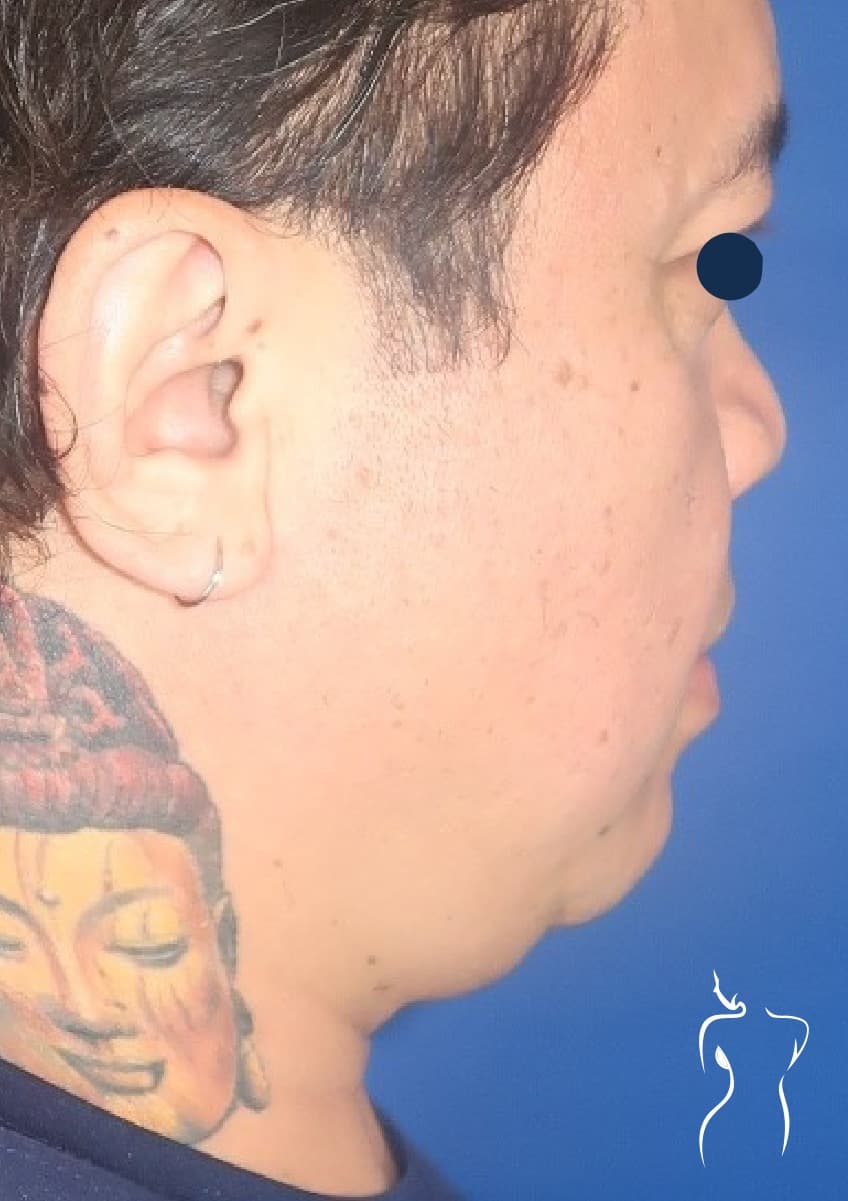
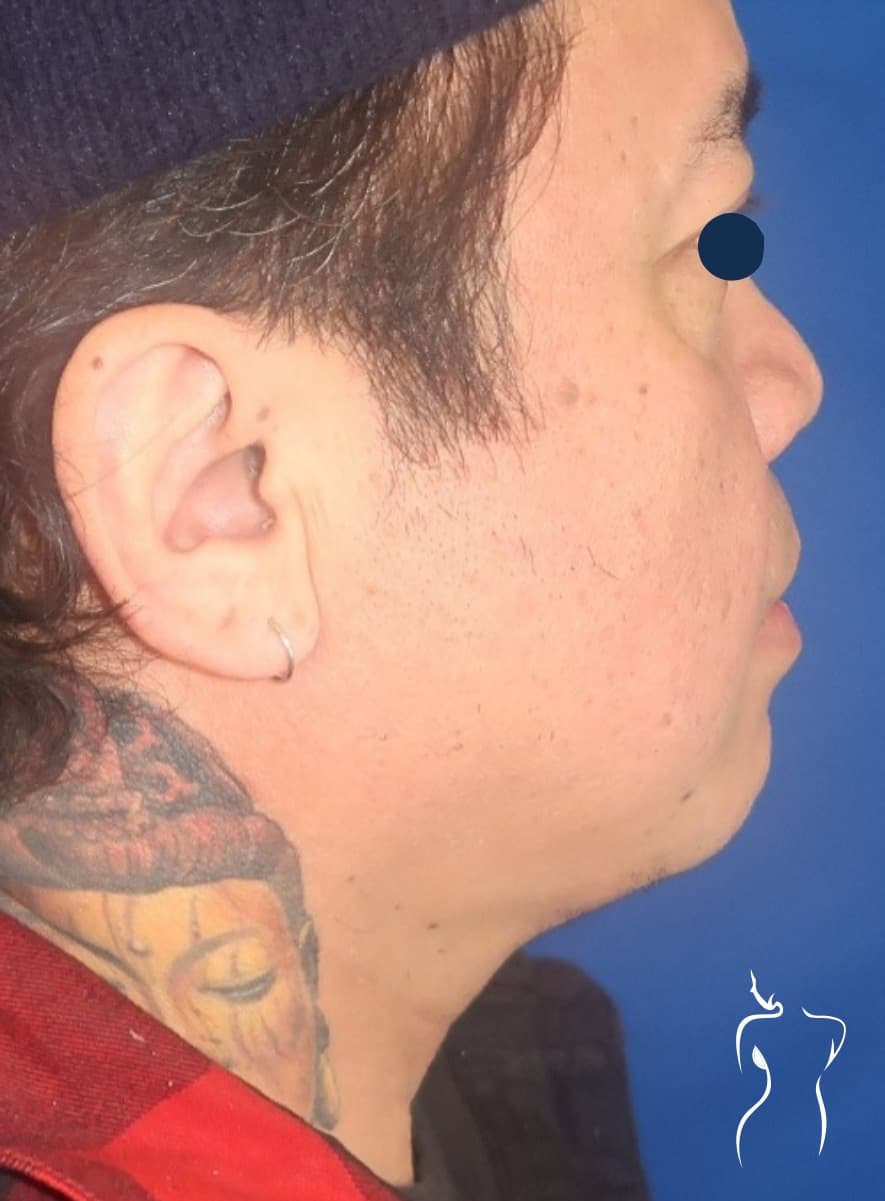
Results vary from person to person. The right comparison starts with your anatomy and your goals, in consultation.
See results like these in person. Plan a consultation with Dr. Day.
The operation
Every consultation — and every operation — is with Dr. Day.
Tumescent fluid numbs the area and constricts vessels before any fat is removed, which is what keeps bruising and discomfort in check. From there the technique varies by area and tissue quality, and where mild skin laxity accompanies the fat, Renuvion radiofrequency tightening can be added beneath the skin in the same session.
Circumferential 360-degree liposuction treats the abdomen, flanks, and back as one continuous shape rather than separate zones — the approach that keeps a torso reading natural from every angle.
Four techniques
The area, the tissue, and the plan decide the tool. Dr. Day recommends one at consultation.
Tumescent
The foundation technique: dilute anesthetic solution first, precise removal second.
VASER
Ultrasound energy loosens fat before removal — useful in denser, more fibrous areas.
Power-assisted
A mechanized cannula that removes fat more efficiently with less tissue trauma.
Awake
Select smaller areas — abdomen, flanks, arms — treated under tumescent local anesthesia alone, with no general anesthetic and a faster same-day recovery.
Is it right for you
Good candidates are within roughly twenty to thirty pounds of a stable goal weight and dealing with localized deposits rather than overall weight. Skin quality matters: liposuction removes volume, and skin with good elasticity redrapes over the new contour.
Where laxity is the larger problem — after pregnancy or major weight loss — an excisional operation such as a tummy tuck is the honest recommendation, and liposuction becomes the supporting tool rather than the answer.
One thing patients are rarely told plainly: fat cells removed from an area do not return, but the ones left behind everywhere else still respond to weight gain. Liposuction changes your proportions, not your metabolism. Results hold when weight holds, and a significant gain afterward will show up — just distributed differently than it would have before.
Recovery
A compression garment is included in your surgical fee and worn around the clock for at least three weeks — up to three months gives the best contour. Walking starts the day after surgery and desk work resumes within three to seven days.
Exercise builds from week two at half effort, with full activity at four to six weeks. Swelling resolves progressively; the final contour reads at three to six months.
How the weeks before and after surgery fit together is covered in the practice's recovery guide.
Plan a consultation with Dr. Day.
Patient Voices
Individual results vary. Quotes are verbatim excerpts from reviews published by patients.
“Dr. Day was so compassionately patient and really took the time. … After the surgery, Dr. Day was just as dedicated and regularly checked up with me throughout my healing process.”
“Dr. Day and his team provided expert individualized care from the initial consultation through post-op check ups.”
“He takes the time to understand your aspirations, vision, and goals, ensuring that your desired outcomes are at the forefront of his care.”
Questions, answered
The rest belong in a conversation. Consultations are unhurried by design.
How much does liposuction cost in Bellevue?
Liposuction at Pacific Sound Plastic Surgery starts from $3,000 per area, with the total shaped by the number of areas and operative time. Your consultation includes a written breakdown, with CareCredit and Alphaeon financing available.
Financing OptionsDoes the fat come back?
The fat cells removed are gone permanently. The cells that remain can still enlarge with significant weight gain, which is why results last in proportion to weight stability.
Is liposuction a weight-loss procedure?
No. Typical removal is two to five pounds, and the change you see is shape rather than scale. Patients pursuing weight loss first — including with GLP-1 medications — get better liposuction results afterward, on a stable base.
What is awake liposuction?
Liposuction of select smaller areas under tumescent local anesthesia alone. You avoid general anesthesia, recover faster, and go home the same day. Candidacy depends on the area and the amount to be removed.
What about loose skin?
Liposuction removes volume; it does not tighten skin. Mild laxity can be treated with Renuvion in the same session, and more significant laxity honestly calls for excisional surgery instead.
What is lipo 360?
Circumferential liposuction of the entire torso — abdomen, flanks, and back — treated as one continuous contour rather than isolated spots.
Can liposuction be combined with other procedures?
Routinely. It joins tummy tucks for 360-degree contouring, supplies the fat for a Brazilian butt lift, and debulks in thigh and arm lifts. One anesthesia, one recovery.