Body Contouring After Weight Loss
You did the hard part. Whether through GLP-1 medication, bariatric surgery, or years of discipline, the weight is gone — and the loose skin left behind is the one thing no medication or workout resolves. Skin stretched by years at a higher weight loses the elasticity to contract, and surgery is the only correction.
The reason is structural. The collagen and elastin fibres that give skin its recoil are stretched and altered during weight gain, and once that has happened, time and exercise rarely reverse it. Four things decide how much your own skin will retract: your age, since collagen production declines and patients past their early thirties often find skin does not snap back regardless of effort; how quickly and how much weight came off, because fast loss gives skin less time to adapt; genetics; and any history of pregnancy or repeated weight fluctuation, which reduces elasticity further.
Post-weight-loss contouring is rarely one operation. It is a plan: which areas bother you most, which operations address them, and what order and spacing gets you there safely.
Dr. Day builds that plan in a single comprehensive consultation, and this page is the map of what it can include.




Your surgeon
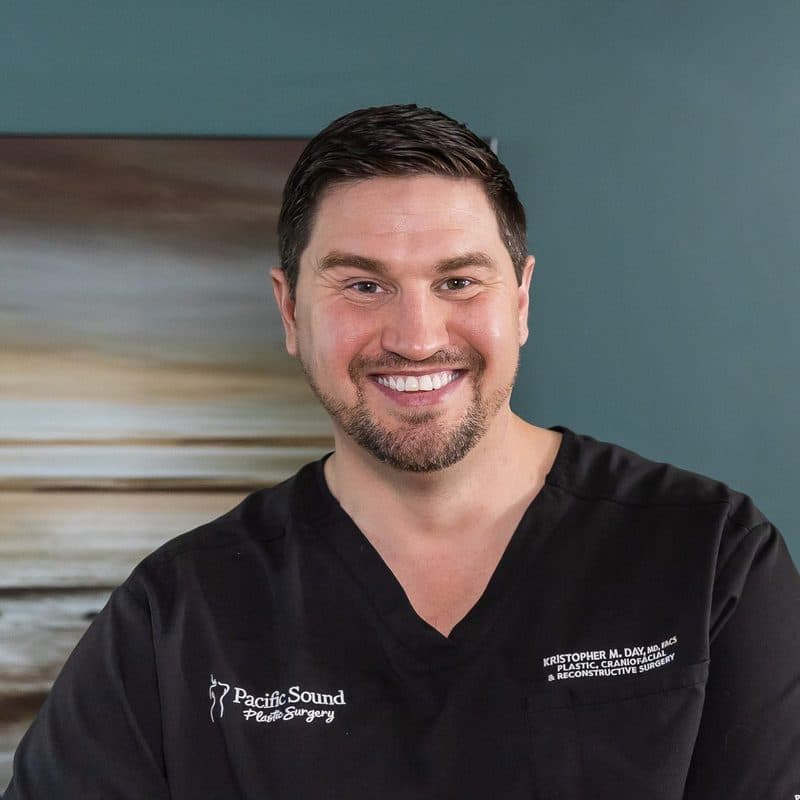
Dr. Kristopher Day is certified by the American Board of Plastic Surgery and the American Board of Surgery, fellowship-trained in craniofacial surgery, and a member of the American Society of Maxillofacial Surgeons.
Meet Dr. DayBody Lift
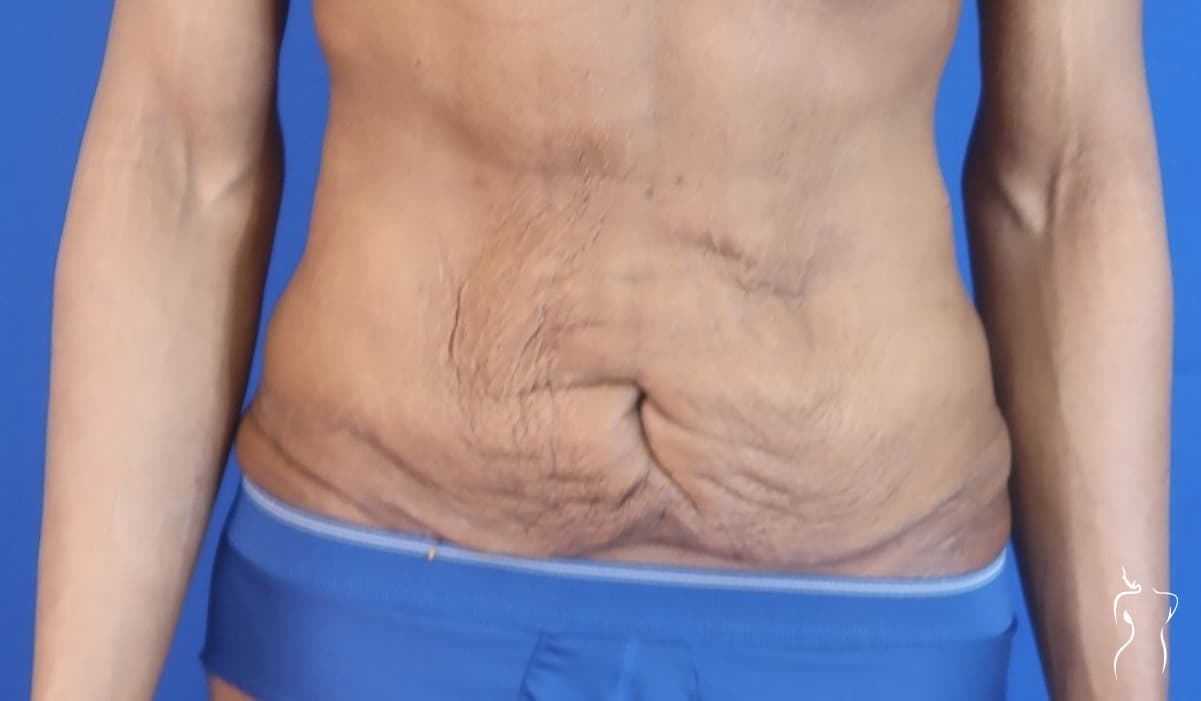
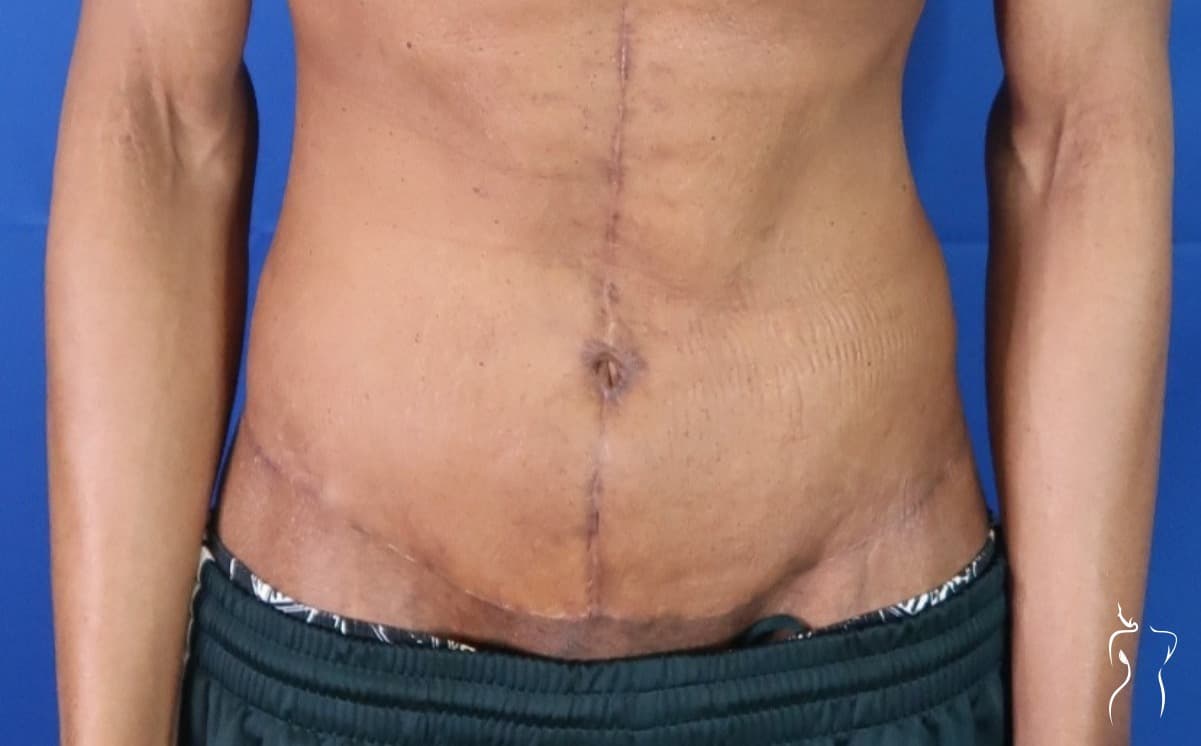
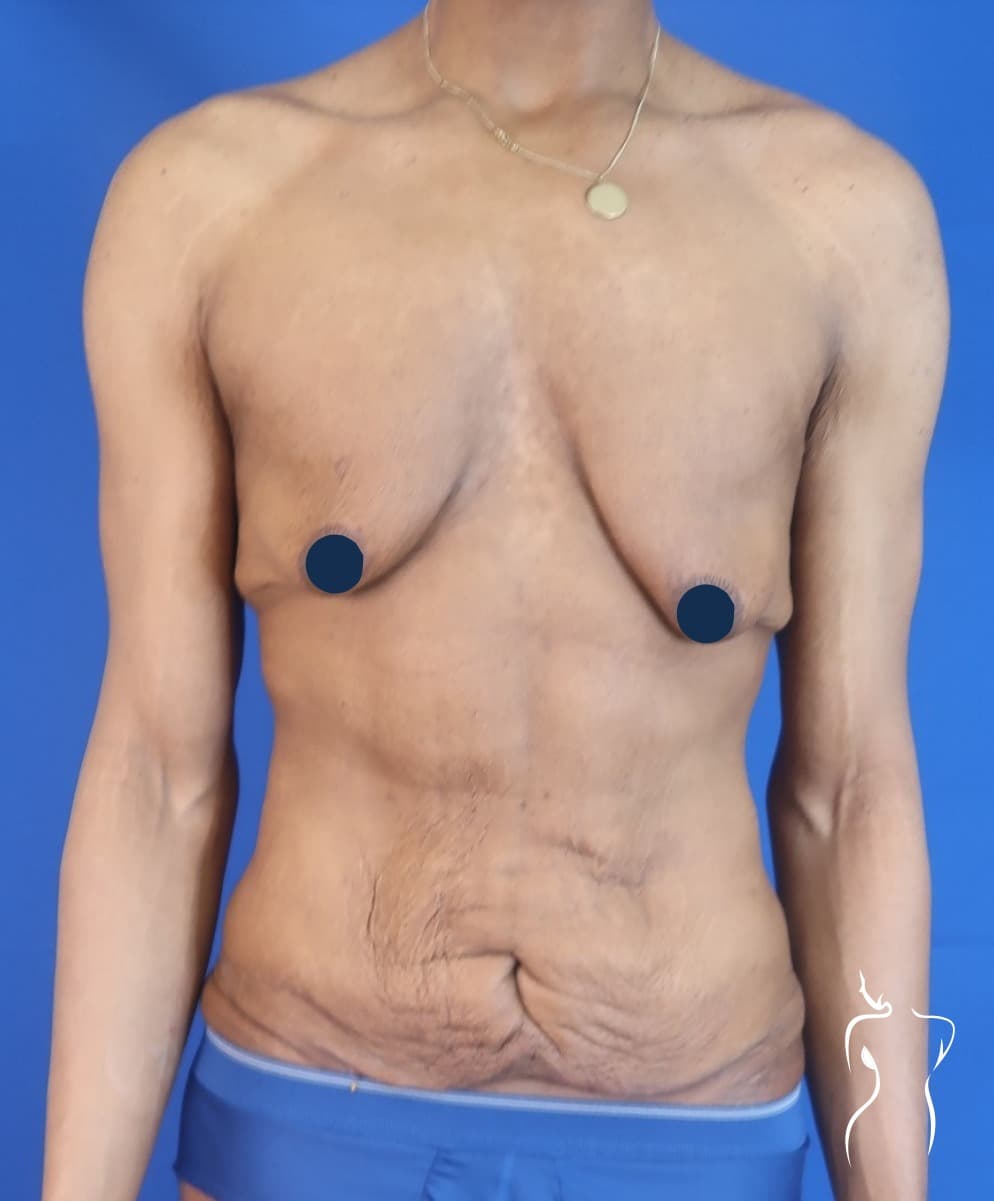
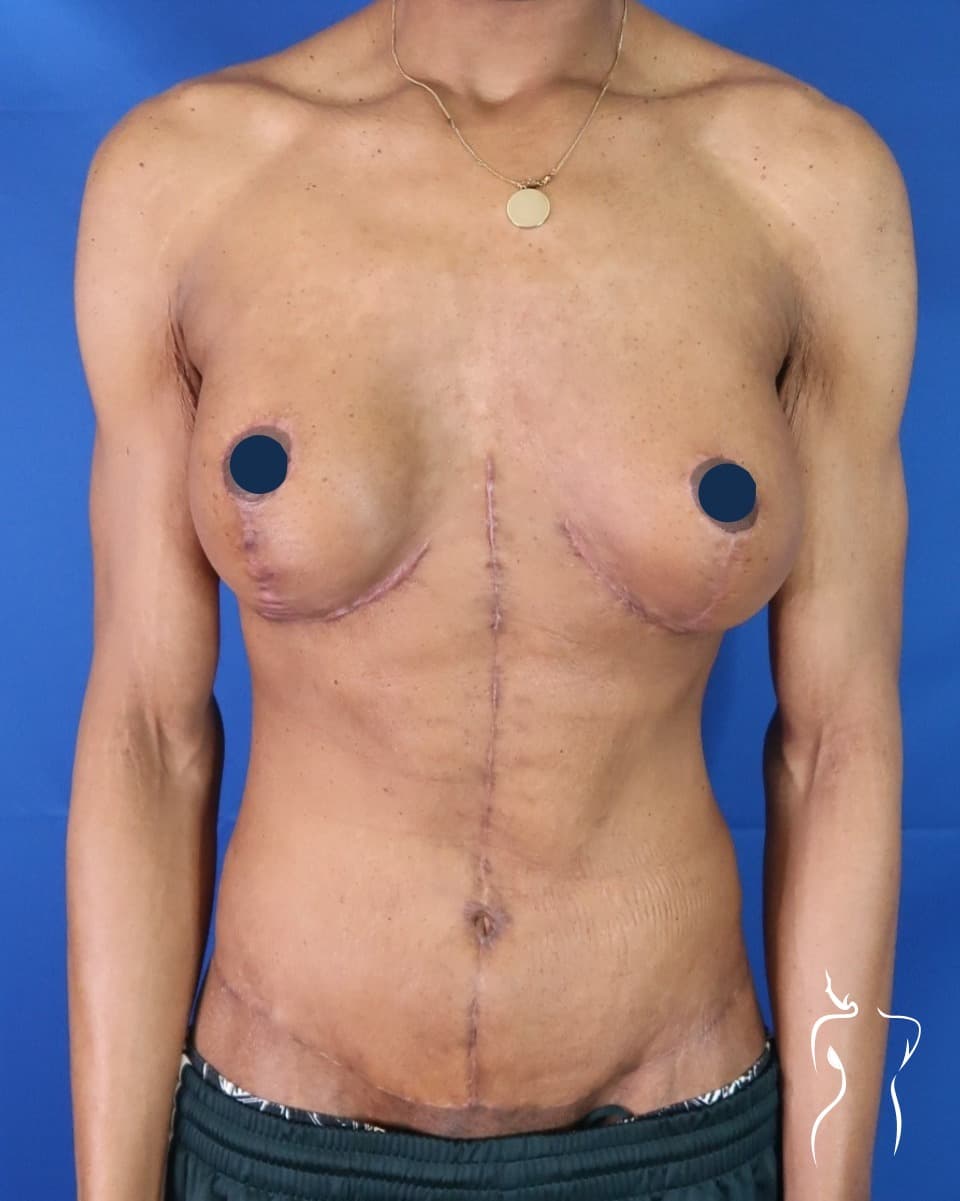
Mommy Makeover
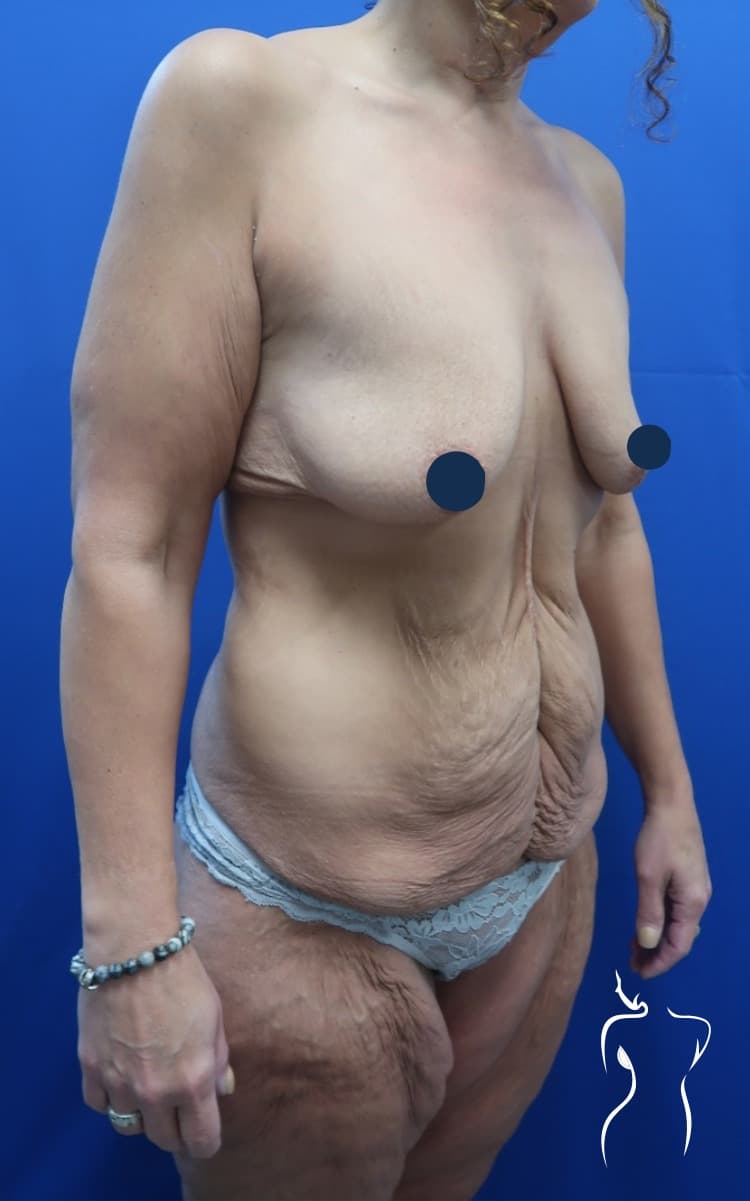
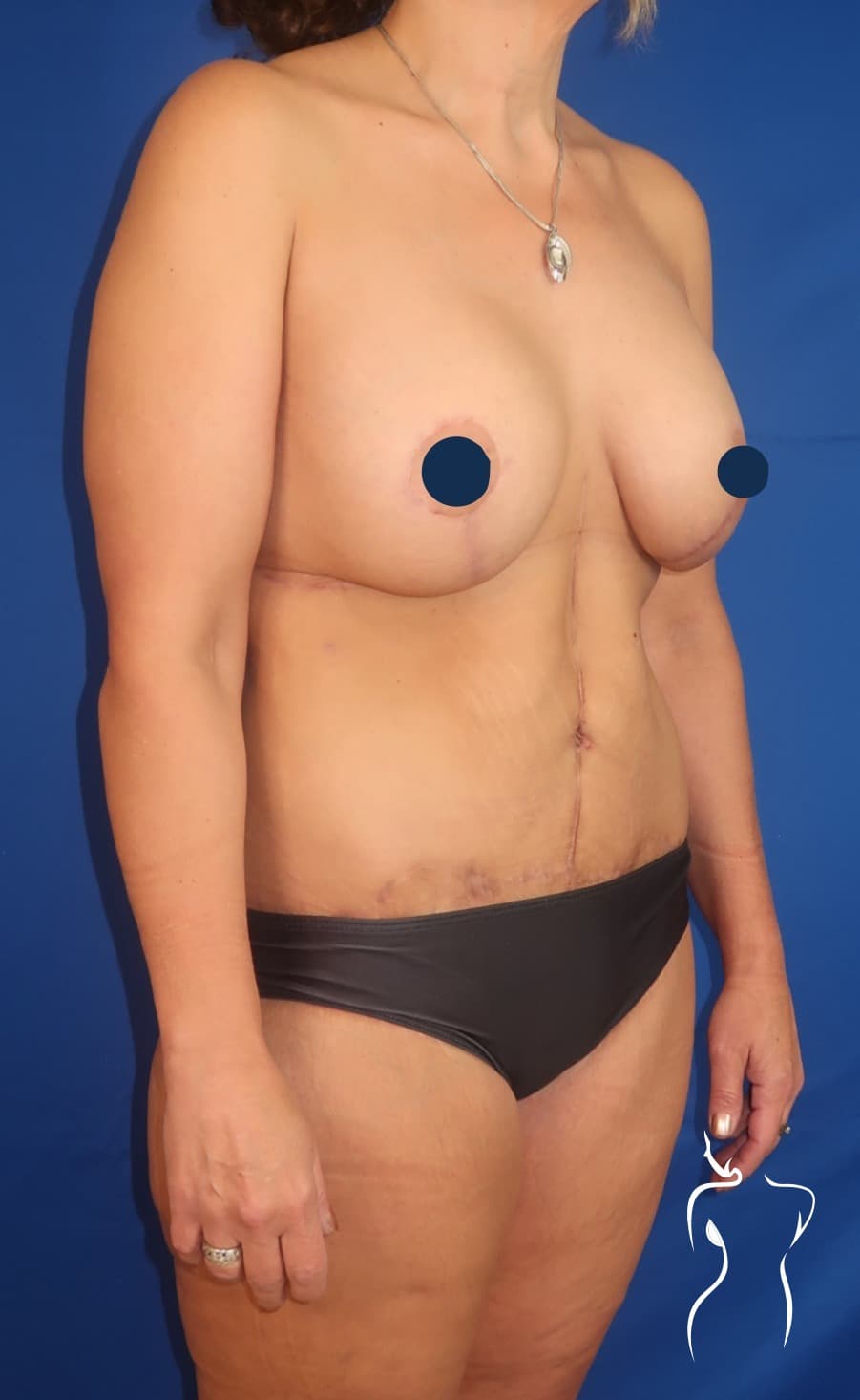
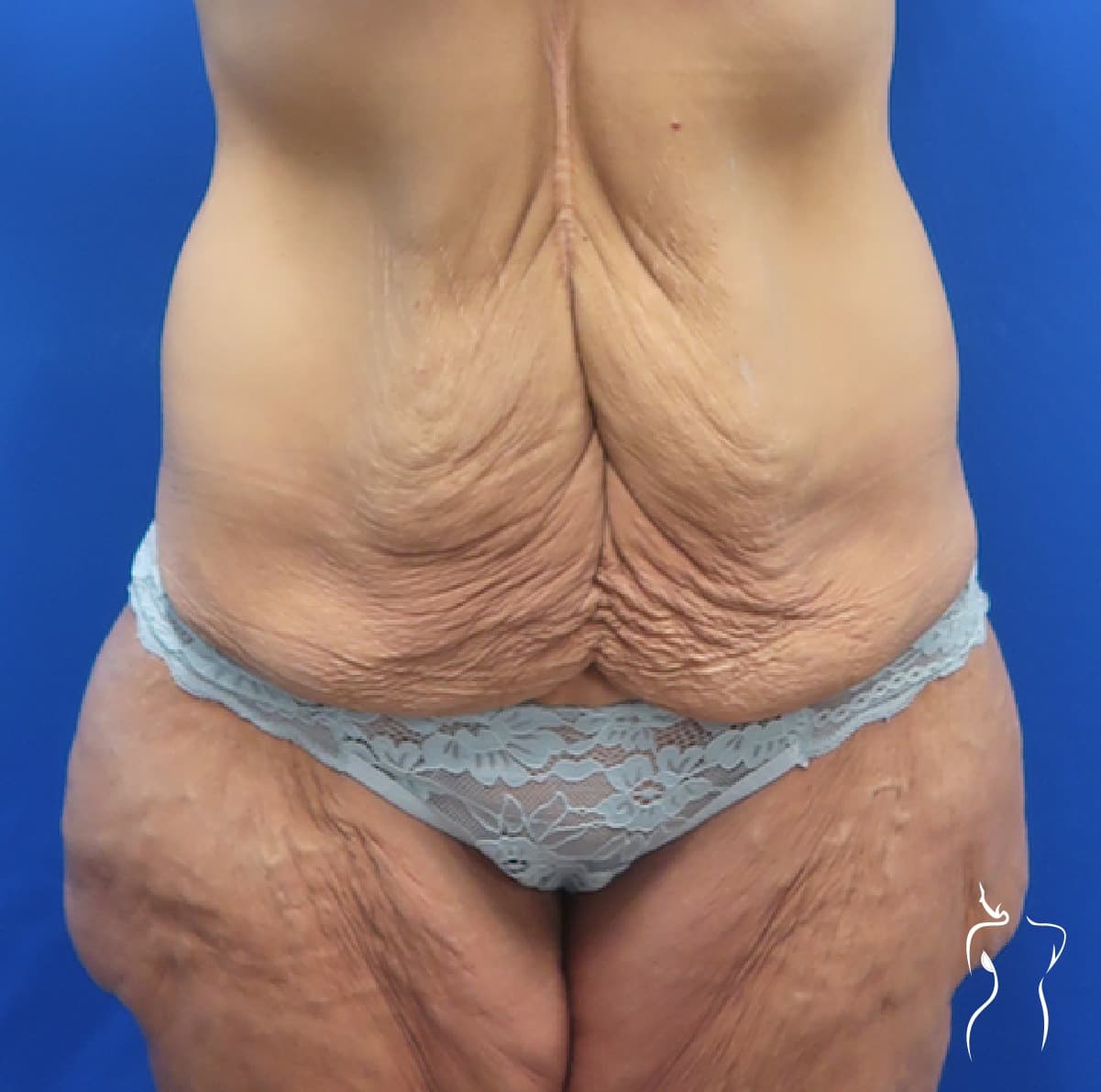
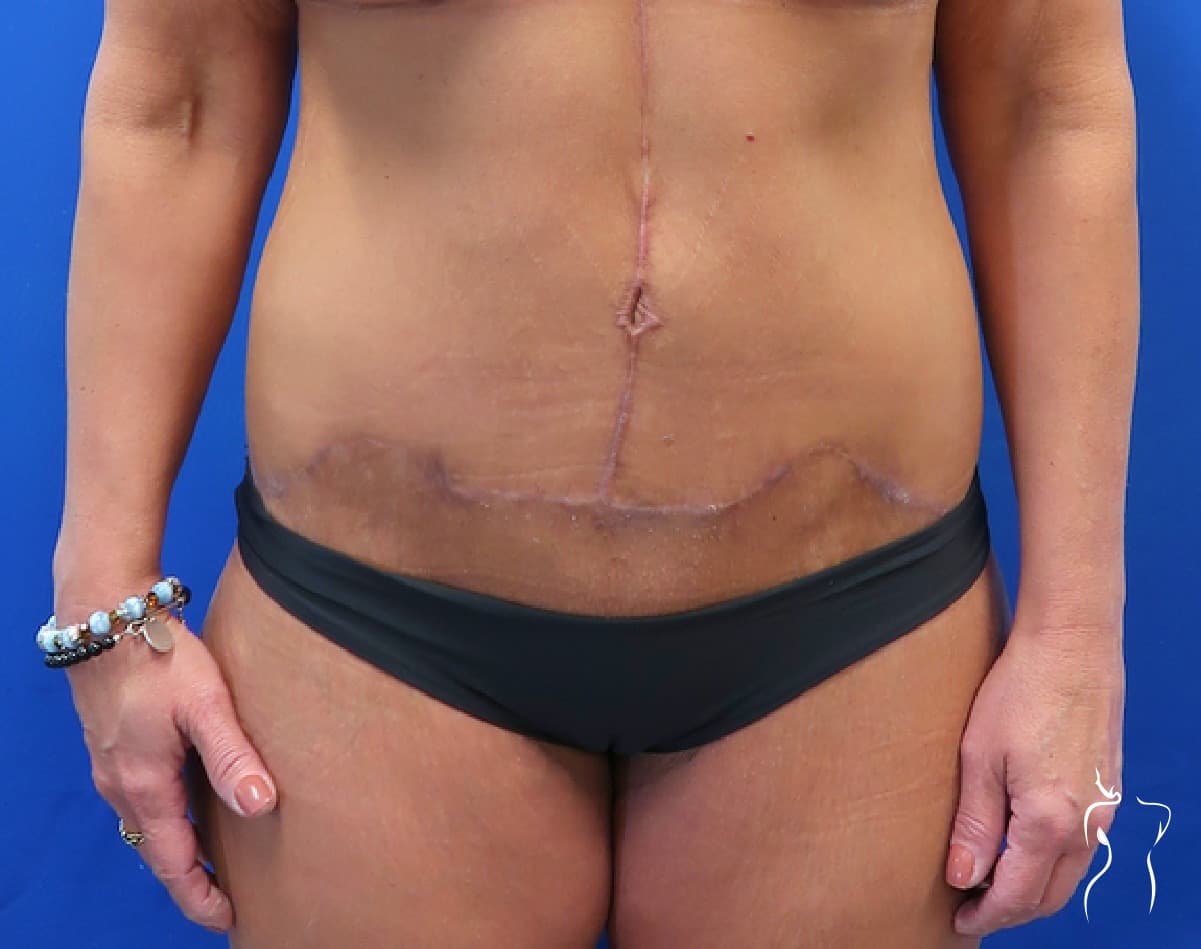
Results vary from person to person. The right comparison starts with your anatomy and your goals, in consultation.
See results like these in person. Plan a consultation with Dr. Day.
Planning your sequence
Every consultation — and every operation — is with Dr. Day.
The consultation starts with a full assessment: where skin hangs, where laxity is circumferential, what bothers you most, and what your health and labs support. From there the plan sequences operations — the area that troubles you most usually goes first, and combinations are built within the practice's operating-time safety limits.
Those limits are the reason a plan is a plan rather than a wish list. Combining a tummy tuck with breast surgery in one session is routine. Adding arms and thighs to the same session is not, and a surgeon who agrees to everything at once is telling you something about how the decision is being made.
For GLP-1 patients the medical protocol is explicit: weight stable for at least six months, healthy nutrition labs, and the medication paused at least two weeks before each operation in line with anesthesia-society guidance, resuming two to four weeks after once you are eating normally. Medication timing is coordinated with your prescribing physician rather than left to you to negotiate. Bariatric patients add a nutritional-lab review, since healing depends on reserves those procedures can deplete.
One thing worth knowing before the first operation rather than after it: every procedure on this list trades skin for a scar. A three-area plan means three sets of scars, in the groin, along the inner arms, and at the beltline. Contouring after major weight loss produces some of the most dramatic changes in plastic surgery, because the shape is already underneath and surgery is uncovering it — and the arithmetic of the scars belongs in the decision from the start.
The areas
Each area has its operation. Most plans stage one to three of them.
Abdomen & trunk
A tummy tuck for front-facing laxity; a circumferential lower body lift when it continues around.
Arms
Brachioplasty removes the hanging inner-arm skin that follows major loss.
Thighs
Inner and outer thigh lifts, nearly always with liposuction built in.
Chest & breast
Breast lift or reduction for women; gynecomastia surgery or chest contouring for men.
Is it time
The threshold is stability: weight within roughly twenty pounds of your goal and held there for six months. Operating on a still-changing body wastes the operation.
Health, nutrition, and nicotine status all gate surgery honestly — a circumferential excision is a serious healing demand, and this practice checks the reserves before making it. Nicotine stops four weeks before and stays stopped four weeks after each operation.
The distinction that decides which page you belong on: liposuction treats fat in skin that can still contract. Post-weight-loss contouring treats the skin itself. If you have already lost the weight, the fat is largely gone and what remains is an envelope — which is why liposuction alone so often disappoints this group and excision does not.
Surgery removes skin. It does not maintain weight, and it does not replace whatever is keeping your weight where it is. Patients who stay on a GLP-1 to hold their loss are in the ordinary case here, not the exception.
Recovery, stage by stage
Each operation follows the practice's standard arc: walking the next day, desk work in one to two weeks, exertion building from week two at roughly half effort and increasing progressively, full activity at four to six weeks. A compression garment follows the 23-and-3 rule — around the clock for at least three weeks, encouraged to three months for the best contour.
Initial change is visible within the first two to four weeks as swelling subsides. The true contour emerges over three to six months, and scars continue to mature for twelve to eighteen.
Stages are spaced three to six months apart so each recovery completes before the next begins. A two-stage plan typically spans most of a year — a short time against the years the weight loss took.
How the weeks before and after surgery fit together is covered in the practice's recovery guide.
Plan a consultation with Dr. Day.
Patient Voices
Individual results vary. Quotes are verbatim excerpts from reviews published by patients.
“I have always gotten the realistic results I hope for.”
“Dr. Day was so compassionately patient and really took the time. … After the surgery, Dr. Day was just as dedicated and regularly checked up with me throughout my healing process.”
“Dr. Day and his team provided expert individualized care from the initial consultation through post-op check ups.”
Questions, answered
The rest belong in a conversation. Consultations are unhurried by design.
I lost weight on a GLP-1 medication and have loose skin. What are my options?
Exactly the options on this page: excisional surgery matched to where the skin hangs — tummy tuck or body lift for the trunk, arm and thigh lifts for the limbs, breast surgery for the chest. The medication cannot address skin; surgery is the correction, and it works the same regardless of how the weight was lost.
Why didn't my skin bounce back on its own?
Because the fibres that give skin its recoil were stretched and structurally changed while you carried the weight. Age, how fast the weight came off, genetics, and any history of pregnancy or repeated fluctuation all affect how much retraction you get. None of them respond to more time or more training, which is the part patients are usually told last.
Do I need to stop my GLP-1 medication before surgery?
Yes — at least two weeks before each operation, per anesthesia-society guidance on delayed stomach emptying, resuming two to four weeks after. Your prescriber stays in the loop, and the pause is built into your surgical calendar.
Which procedure should come first?
Usually the area that bothers you most, which for most patients is the abdomen. From there the plan sequences by priority and healing demand. There is a right order for your case, and the consultation finds it.
How long after reaching my goal weight should I wait?
Six months of stability. Skin removal is tailoring you do not undo, and tailoring only fits a body that has stopped changing.
How many scars am I signing up for?
One set per area. A tummy tuck or body lift puts a line at the beltline, an arm lift runs along the inner arm, a thigh lift sits in the groin crease. They fade substantially over twelve to eighteen months and they do not disappear. Doing that arithmetic before the first operation is part of an honest plan.
Will insurance cover skin removal?
Sometimes, partially. Documented medical problems from hanging skin — recurring rashes, infections, wounds under folds — can support coverage for a panniculectomy or the excisional component of a body lift. A panniculectomy is not a tummy tuck: it removes the overhanging apron and does not reposition the navel, use liposuction, or address the upper abdomen. Purely cosmetic contouring is not covered, and the office gives you a straight answer for your case.
Can multiple areas be done at once?
Within the practice's operating-time safety limits, yes — a tummy tuck with breast surgery is a common single session. Larger scopes stage across two or three sessions, three to six months apart. The limit is about safe anesthesia time and blood loss, not scheduling convenience.
How long does a whole plan take?
A single-operation plan is done in one recovery. A two-stage plan usually spans most of a year, counting the three-to-six-month gap and the final settling of contour. Three stages runs longer. The consultation gives you the calendar, not just the list.
What does a full plan cost?
Each operation is quoted individually in writing — the component pages on this site carry starting figures, and your consultation assembles the full plan's numbers. CareCredit and Alphaeon financing are available.
Financing Options