Chin Augmentation in Bellevue
The chin sets the balance of the profile: too little projection and the nose reads larger, the neck softer, the jawline weaker. Chin surgery corrects the proportion, and the whole face benefits.
Two operations serve the goal, and they are honestly different. An implant adds projection; a sliding genioplasty cuts and repositions your own bone, and is the only chin operation that can also reduce, lengthen, shorten, or correct asymmetry.
Bone-level facial surgery is exactly what craniofacial fellowship training prepares a surgeon for, and Dr. Day is the only fellowship-trained craniofacial plastic surgeon based in Bellevue.



Your surgeon
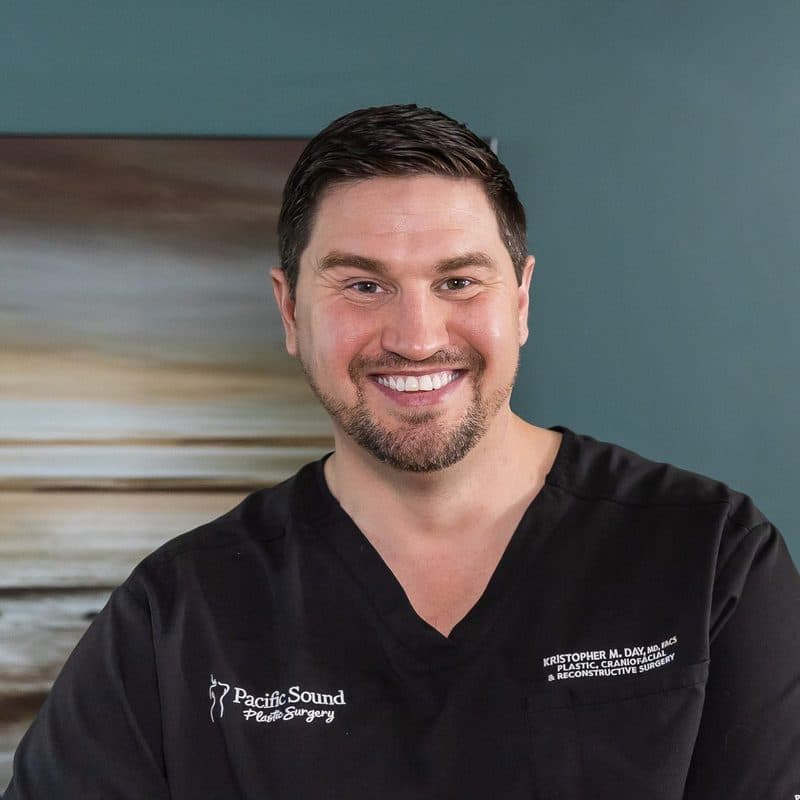
Dr. Kristopher Day is certified by the American Board of Plastic Surgery and the American Board of Surgery, fellowship-trained in craniofacial surgery, and a member of the American Society of Maxillofacial Surgeons.
Meet Dr. DayChin Contouring
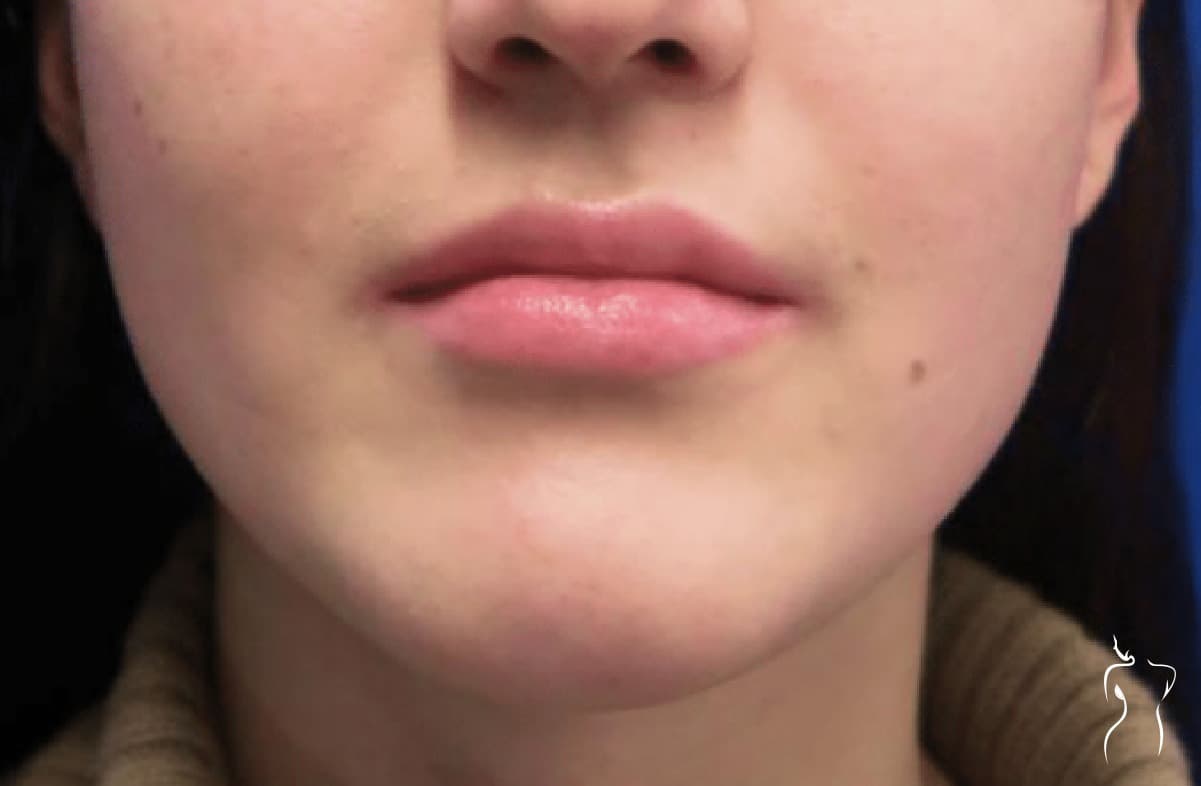
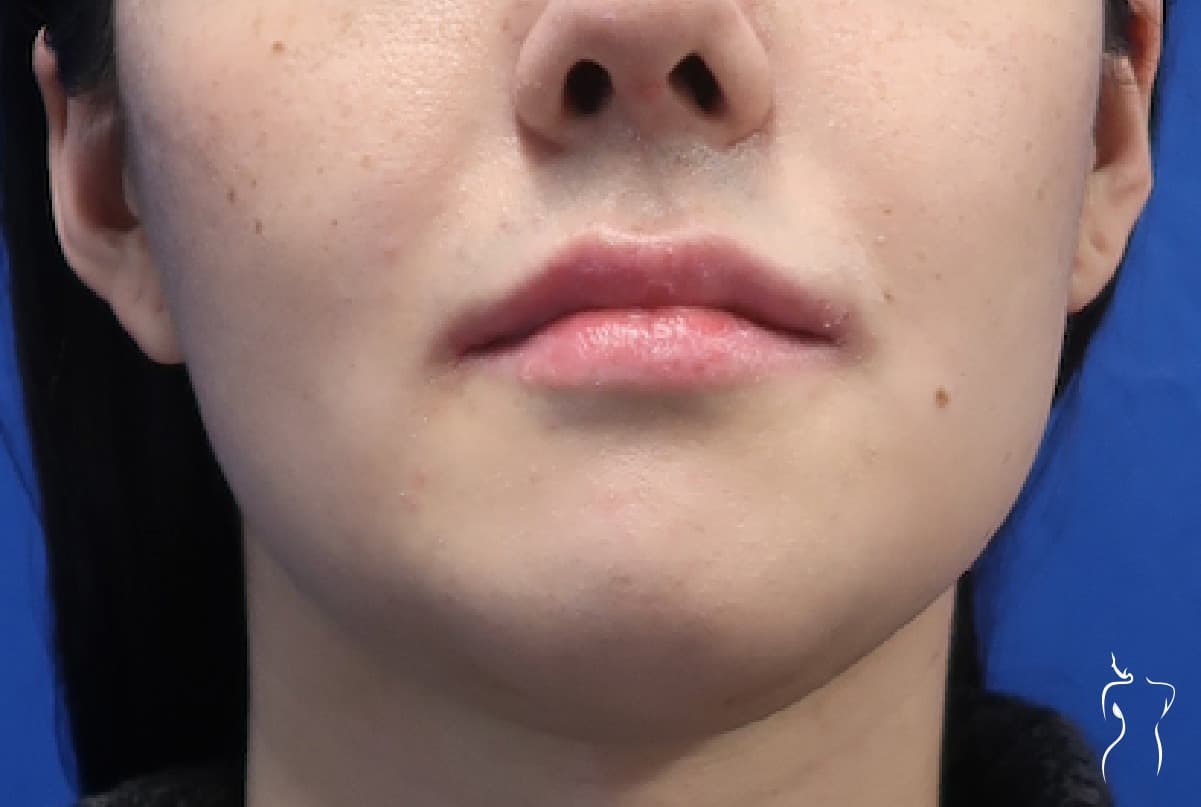
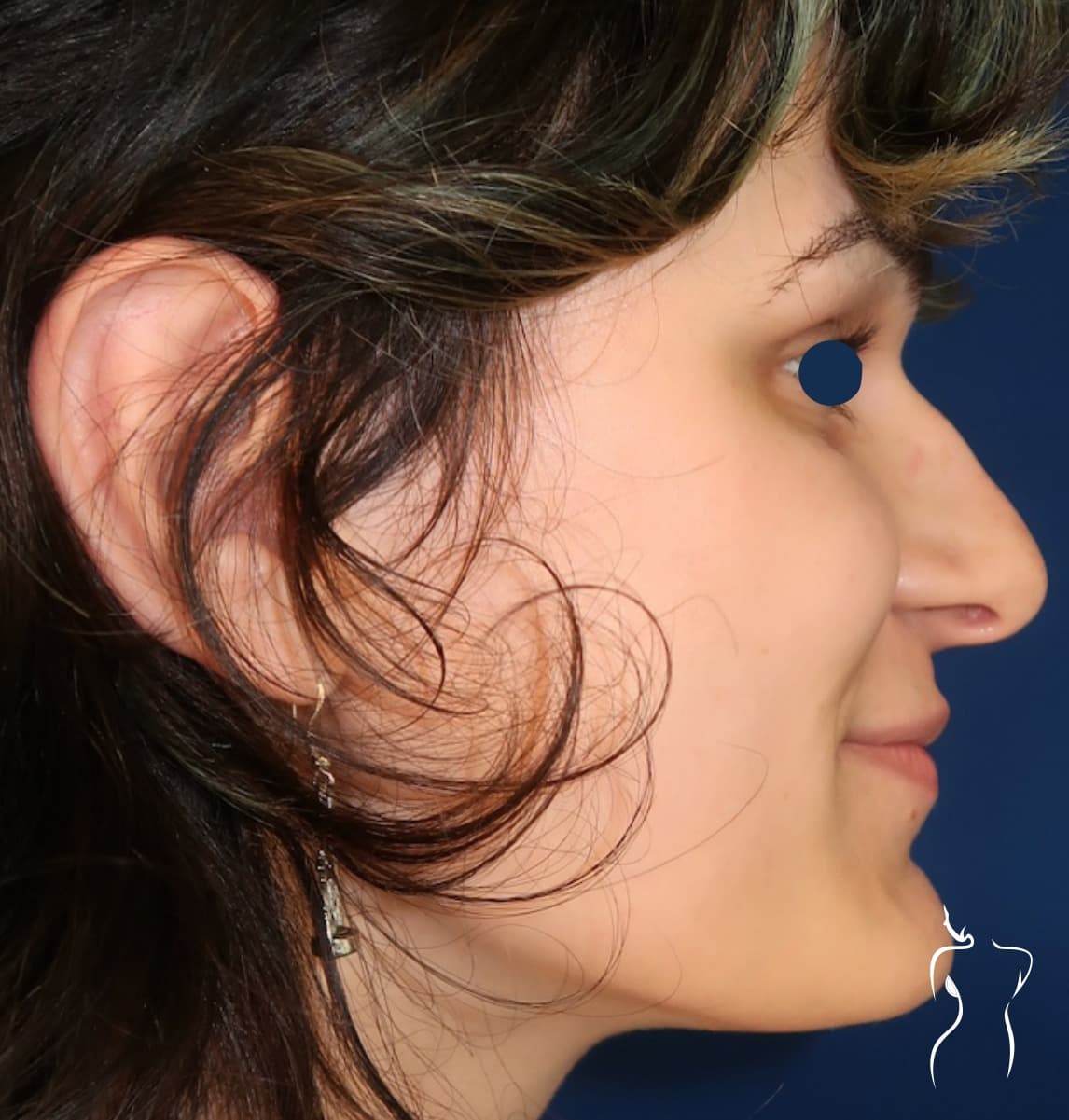
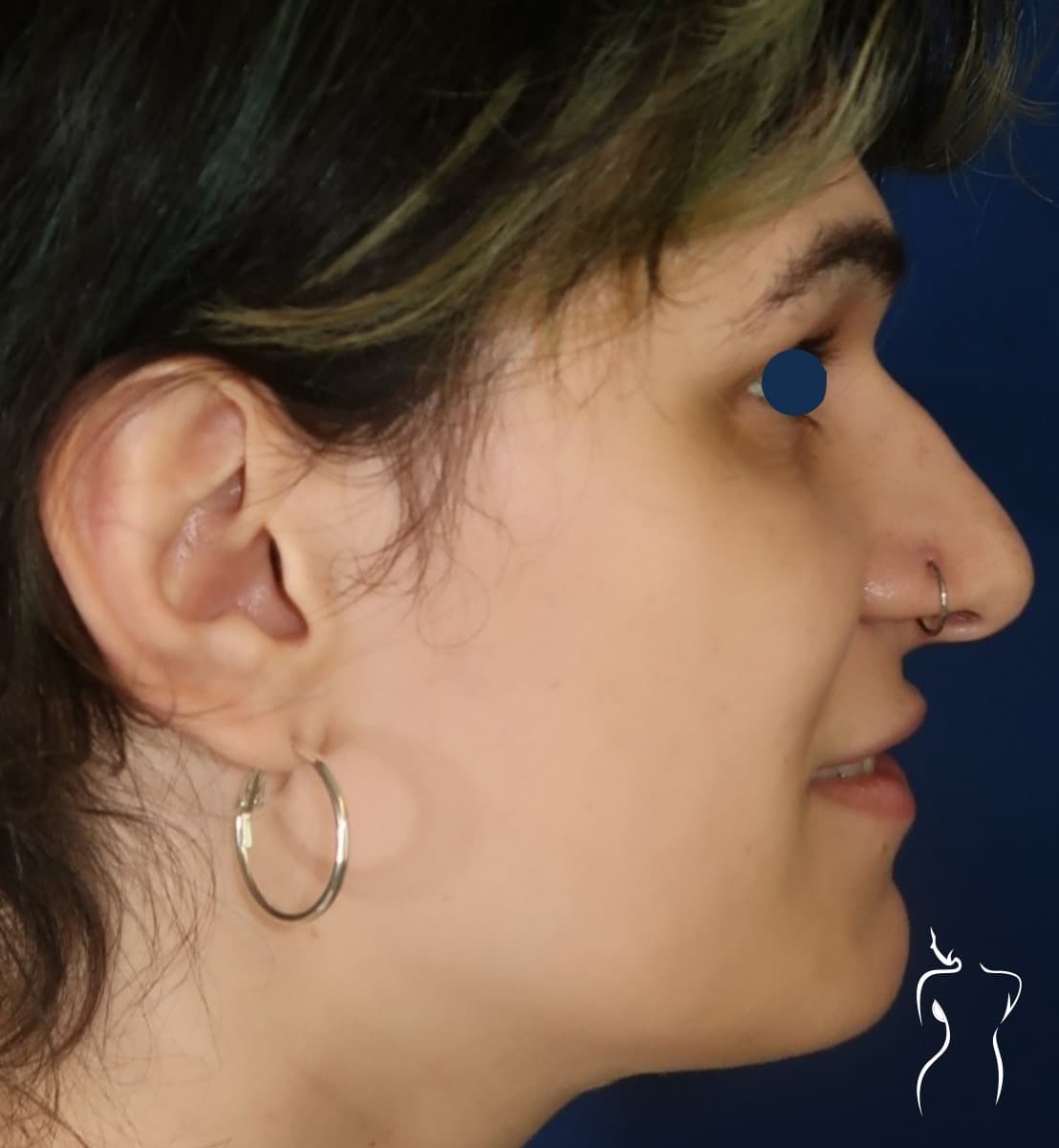
Rhinoplasty & Chin Implant
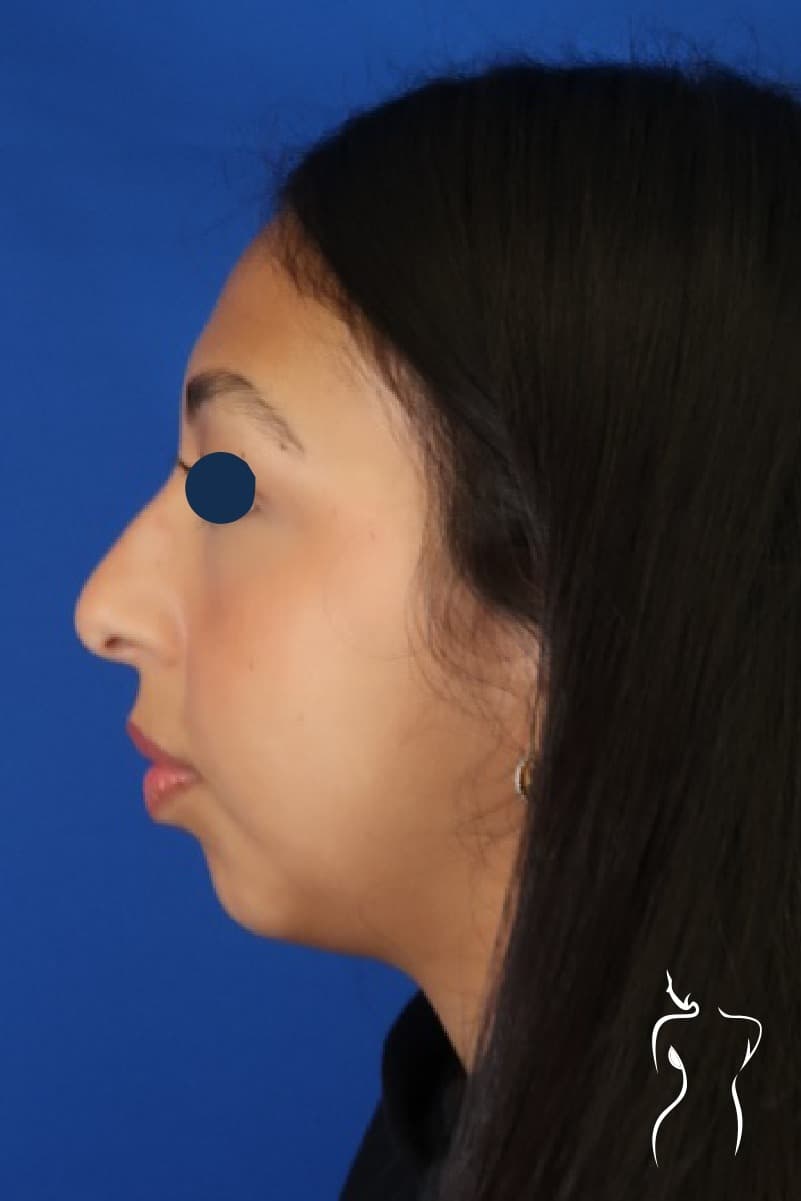
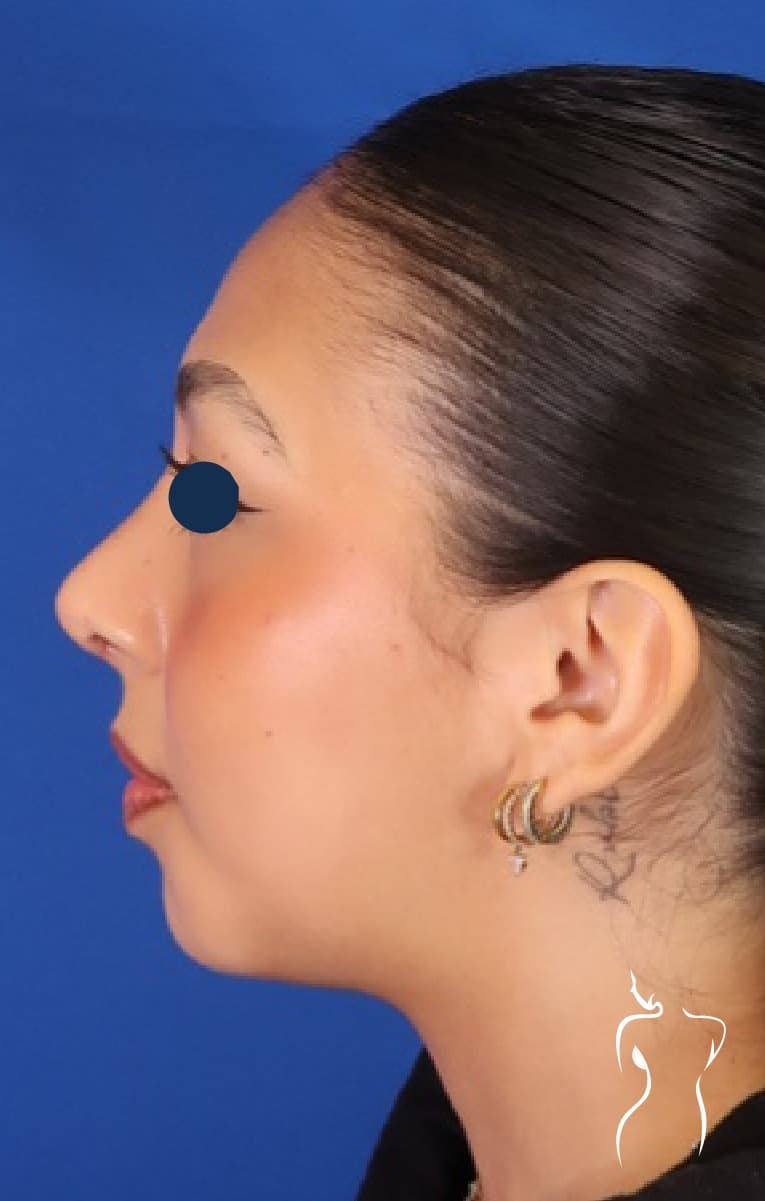
Results vary from person to person. The right comparison starts with your anatomy and your goals, in consultation.
See results like these in person. Plan a consultation with Dr. Day.
Implant or genioplasty
Every consultation — and every operation — is with Dr. Day.
A chin implant is a solid, shaped implant seated directly on the chin bone. The materials used are silicone, PEEK, or porous polyethylene, all of them designed to hold their shape and position for years rather than dissolve the way a filler does. Implants come in a range of sizes and projections, and the size is chosen against your soft tissue, not against a catalogue.
A sliding genioplasty cuts the chin bone, repositions it, and fixes it with small titanium plates and screws. It can move the chin forward, backward, up, down, or sideways, which is why it is the answer when the correction is more than forward projection: reduction, vertical change, or asymmetry. The repositioned bone consolidates over six to twelve weeks and stays where it was placed.
Incisions are hidden either way. An implant goes in through the inside of the lower lip, which leaves no external scar, or through the natural crease beneath the chin, where the scar sits in an existing shadow line. Genioplasty is done from inside the mouth. Both are closed with dissolvable sutures.
Where the jawline itself lacks definition, jaw implants can be placed through intraoral incisions in the same operation, since chin and jaw read as one contour. Surgery runs one to two hours under general anesthesia at an accredited facility — Swedish Medical Center, Virginia Mason Franciscan Health, Carillon Point Surgery Center, or Sound Plastic Surgery Center — and you go home the same day.
Planning happens in person. The consultation includes a proportional analysis of chin, nose, and forehead together, photographs from multiple angles, and a bite evaluation before any bone plan is made. Virtual consultations are not offered, and implant sizing is the clearest reason why: choosing a projection your soft tissue can carry requires examining it.
The two operations, and what each can actually do
They are often discussed as interchangeable. They are not. What separates them is direction: one adds, the other moves.
Chin implant
Adds forward, and sometimes downward, projection. Additive only — it cannot make a chin smaller or shorter. The simpler operation, and reversible: the implant can be exchanged or removed later if your goals change.
Sliding genioplasty
Cuts and repositions your own chin bone in three dimensions. The only chin operation that can reduce projection, shorten or lengthen the chin vertically, or correct a genuine asymmetry. More involved, and not readily undone, since the bone heals where it was moved to.
Jaw implants
Widen and define the jaw angle where the issue is the jawline rather than the chin. Frequently combined with chin work, because the two are read together as a single contour.
Is it right for you
If your concern is a weak or receding chin, either operation may serve. If it is a prominent, long, or asymmetric chin, the genioplasty is the honest recommendation, because an implant cannot reduce anything.
Be clear about what structural surgery does and does not reach. Implants change bone-level projection and contour. They do not improve skin texture, soften wrinkles, lift sagging tissue, or correct an asymmetry whose cause is soft tissue rather than bone. If jowling or neck laxity is what actually bothers you, a lift is the operation that addresses it, and Dr. Day will say so rather than sell you the one you asked about.
The most common reason a chin implant looks obvious is that it was oversized. A projection larger than your soft tissue can drape over reads as an implant from across a room. Restraint in sizing is the difference between a stronger profile and an operated one.
Chin surgery pairs naturally with rhinoplasty, because the profile is one line: correcting both in one operation balances it in one recovery. Many patients arrive concerned only about the nose and leave the consultation understanding that chin projection is half of what they were seeing.
Preparation is routine but real: pre-operative labs and medical clearance, smoking stopped at least four weeks beforehand, and aspirin, NSAIDs, fish oil, vitamin E, and similar supplements discontinued on the schedule the office gives you, generally about two weeks out.
Recovery
The change in projection is visible immediately, even through the swelling and the light chin dressing. Walking is encouraged the day after surgery. Expect swelling, bruising, and a tight sensation for the first week or so.
Desk work resumes within about five to seven days, and visible bruising has usually faded by then. Soft foods are required for the first one to two weeks when the incision is inside the mouth, and normal eating follows.
Most swelling settles across weeks two and three. Exercise builds from week two, with full unrestricted activity at four to six weeks. For a genioplasty, bone consolidation completes over six to twelve weeks.
The result refines to its final form at three to six months as the last swelling resolves. Follow-ups are scheduled at one week, three weeks, and three months, with the team reachable by phone in between. Holding a stable weight helps preserve the balance of the result, since significant weight change alters the surrounding soft tissue over time.
How the weeks before and after surgery fit together is covered in the practice's recovery guide.
Plan a consultation with Dr. Day.
Chin work in a gender-affirming plan
The chin is a common component of both masculinization and feminization, and the direction of change differs.
For facial masculinization, the goal is usually more projection and more breadth: a stronger, squarer anchor to the lower face, often combined with jaw augmentation and brow work so the lower and upper thirds agree. For feminization, the goal is frequently the opposite — reducing projection, narrowing the chin, or shortening it vertically. That difference matters when choosing the operation, because only a sliding genioplasty can reduce or reshape in those directions. An implant can add.
Chin work is often one part of a broader plan rather than a standalone procedure, and sequencing it with rhinoplasty, jaw contouring, or brow bone work means one anesthetic and one recovery instead of several. Documentation, letters, and insurance questions for gender-affirming care are handled the same way across the practice; the gender affirmation page covers that ground in full.
Patient Voices
Individual results vary. Quotes are verbatim excerpts from reviews published by patients.
“Dr. Day and his team provided expert individualized care from the initial consultation through post-op check ups.”
“He takes the time to understand your aspirations, vision, and goals, ensuring that your desired outcomes are at the forefront of his care.”
“Dr. Day's knowledge, compassion, and attention to detail made all the difference in my recovery process.”
Questions, answered
The rest belong in a conversation. Consultations are unhurried by design.
Implant or sliding genioplasty — which is right for me?
An implant adds forward projection and is reversible; a genioplasty repositions your own bone in any direction and is the only option for reduction, vertical change, or asymmetry. Your anatomy and goals decide it, plainly, at consultation.
Will there be visible scars?
Incisions sit inside the lower lip or in the crease beneath the chin. Neither is visible in conversation.
What about jaw reduction or masseter slimming injections?
It depends on what widens your jaw: bone calls for surgical contouring, muscle responds to neuromodulator injections that relax the masseter, and some faces benefit from both. The exam tells you which you are.
Can chin surgery be combined with rhinoplasty?
It is one of the most natural pairings in facial surgery — the profile reads as one line, and balancing the chin often completes what the rhinoplasty starts.
Will it affect my bite?
A properly planned genioplasty moves the chin segment without involving the tooth-bearing jaw, so the bite is preserved. Your occlusion is evaluated before surgery precisely to keep it that way.
What are chin implants made of?
Solid silicone, PEEK, or porous polyethylene, depending on what suits your anatomy and the contour being built. All three are designed to keep their shape and position for years, which is what separates an implant from a filler.
Can an implant be removed later?
Yes. An implant can be exchanged for a different size or removed entirely if your goals change. That reversibility is one of the real advantages it has over moving bone.
Why do some chin implants look obvious?
Almost always because they were oversized. A projection beyond what your soft tissue can drape over reads as hardware rather than as a chin. Sizing is chosen against your own tissue at the in-person exam, and restraint is the point.
Will chin surgery help my jowls or my neck?
No. Chin surgery changes bone-level projection and contour. Sagging tissue along the jawline and under the chin is a different problem with a different answer, usually a neck lift or facelift. If that is what is bothering you, you will be told so plainly.
When can I eat normally again?
Soft foods for the first one to two weeks when the incision is inside the mouth, then normal eating. Most patients are back at desk work in five to seven days, before the food restriction lifts.
Do you offer virtual consultations for chin surgery?
No. Consultations are in person at the Bellevue office. Implant sizing and any bone plan depend on examining your facial structure and soft tissue directly, and that cannot be done over video.
How much does chin surgery cost in Bellevue?
Chin implants start from approximately $4,500 and sliding genioplasty from approximately $8,500. Your consultation includes a written breakdown, with CareCredit and Alphaeon financing available.
Financing Options