Breast Implant Revision in Bellevue
Revision surgery corrects an earlier result: a size that no longer suits you, an implant that has shifted or ruptured, or capsular contracture that has hardened around it.
It is more demanding than primary augmentation because it works with tissue that has already been operated on. That is precisely where reconstructive judgment earns its keep.
Dr. Day plans revisions with imaging, reuses original incisions where possible, and rebuilds internal support where the pocket needs it.





Your surgeon
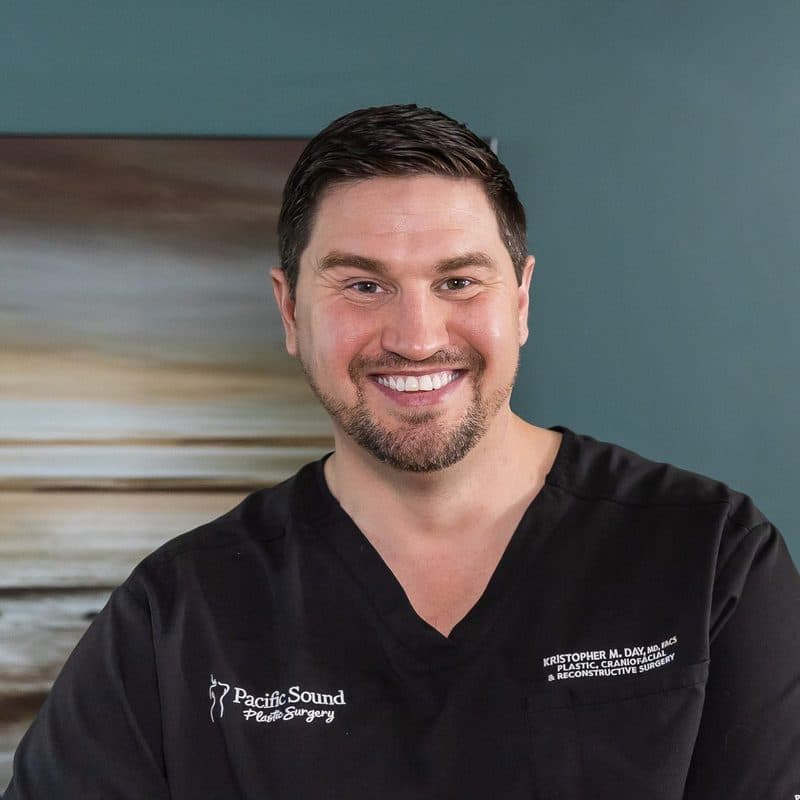
Dr. Kristopher Day is certified by the American Board of Plastic Surgery and the American Board of Surgery, fellowship-trained in craniofacial surgery, and a member of the American Society of Maxillofacial Surgeons.
Meet Dr. DayImplant Revision
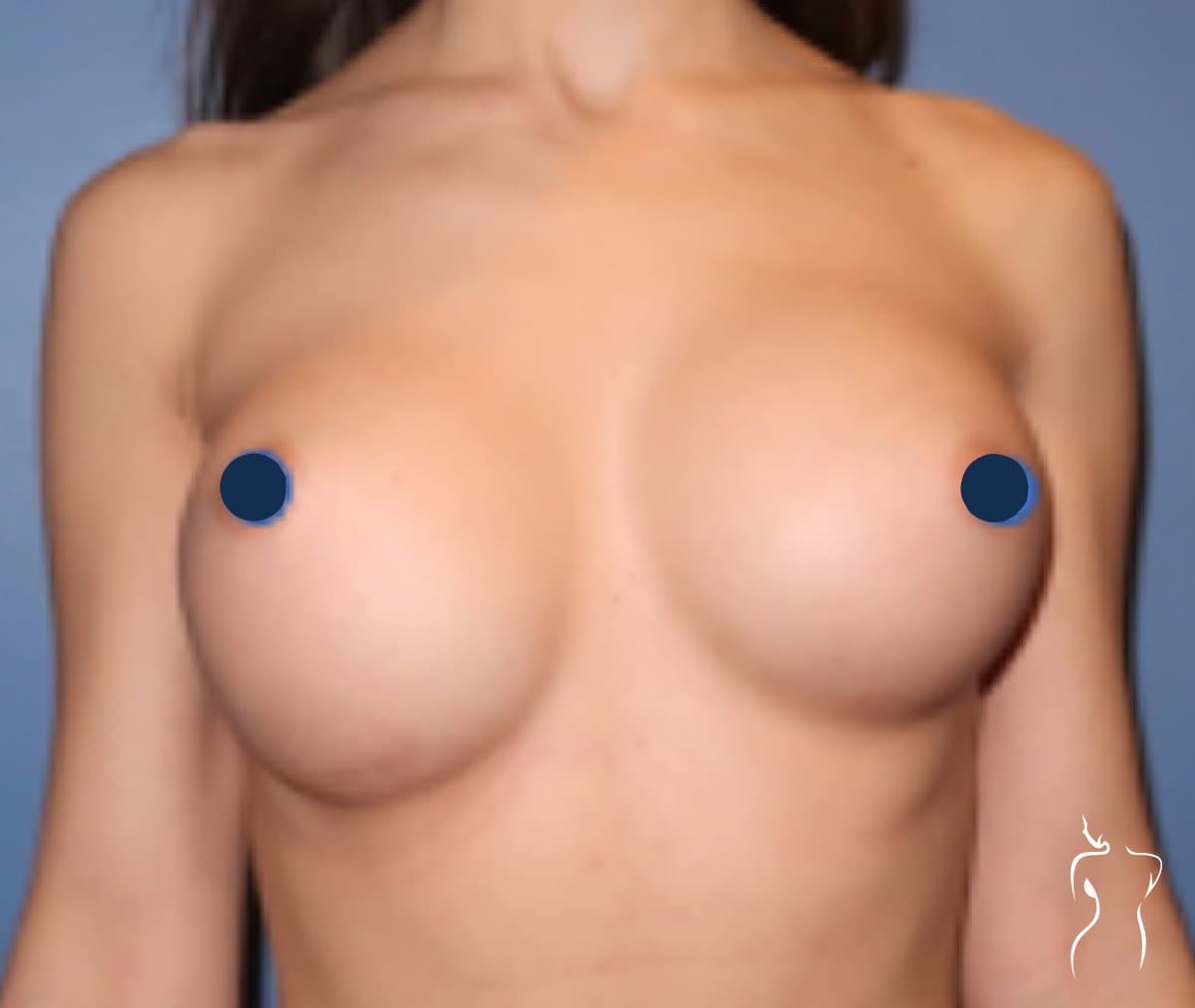
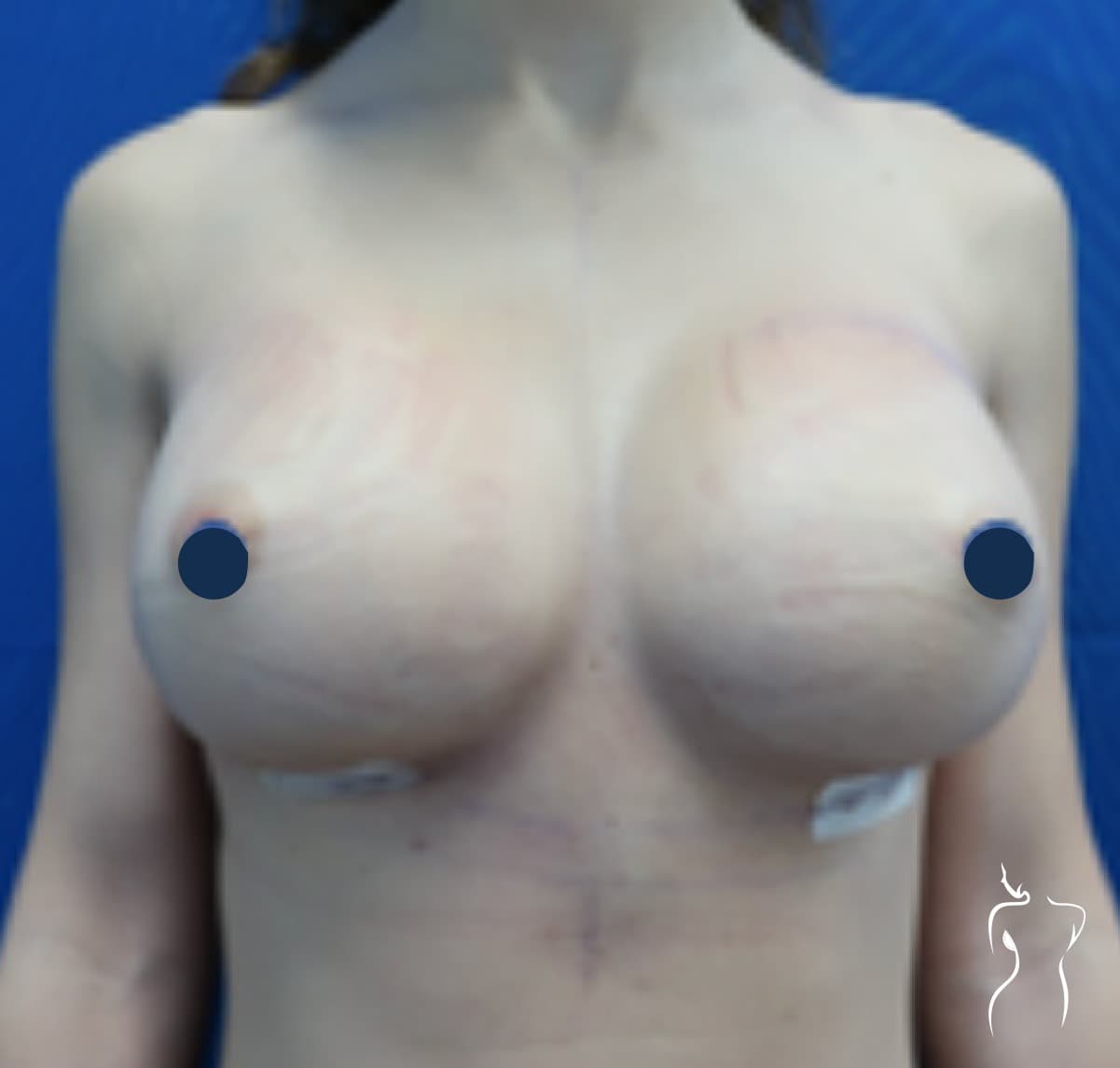
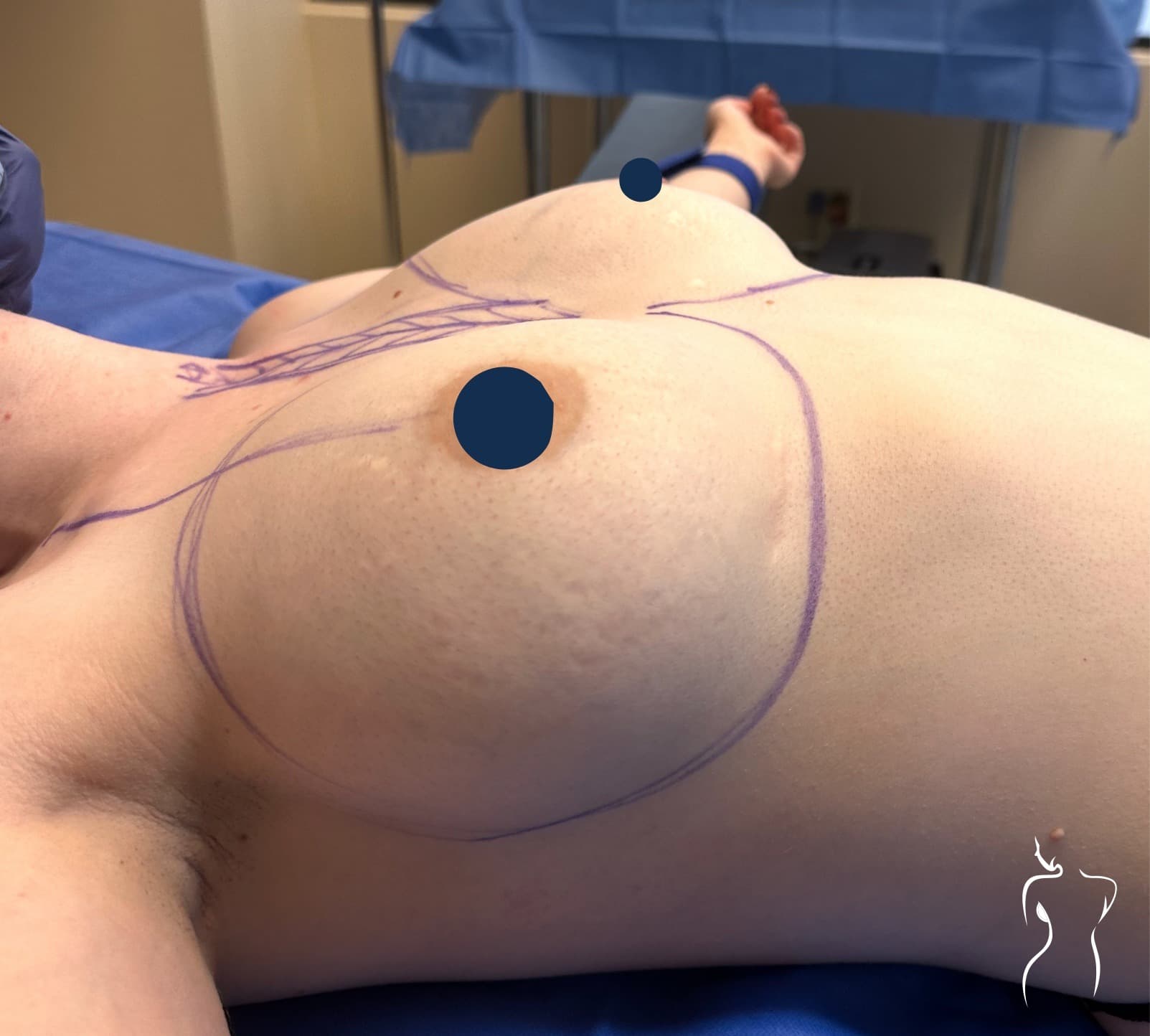
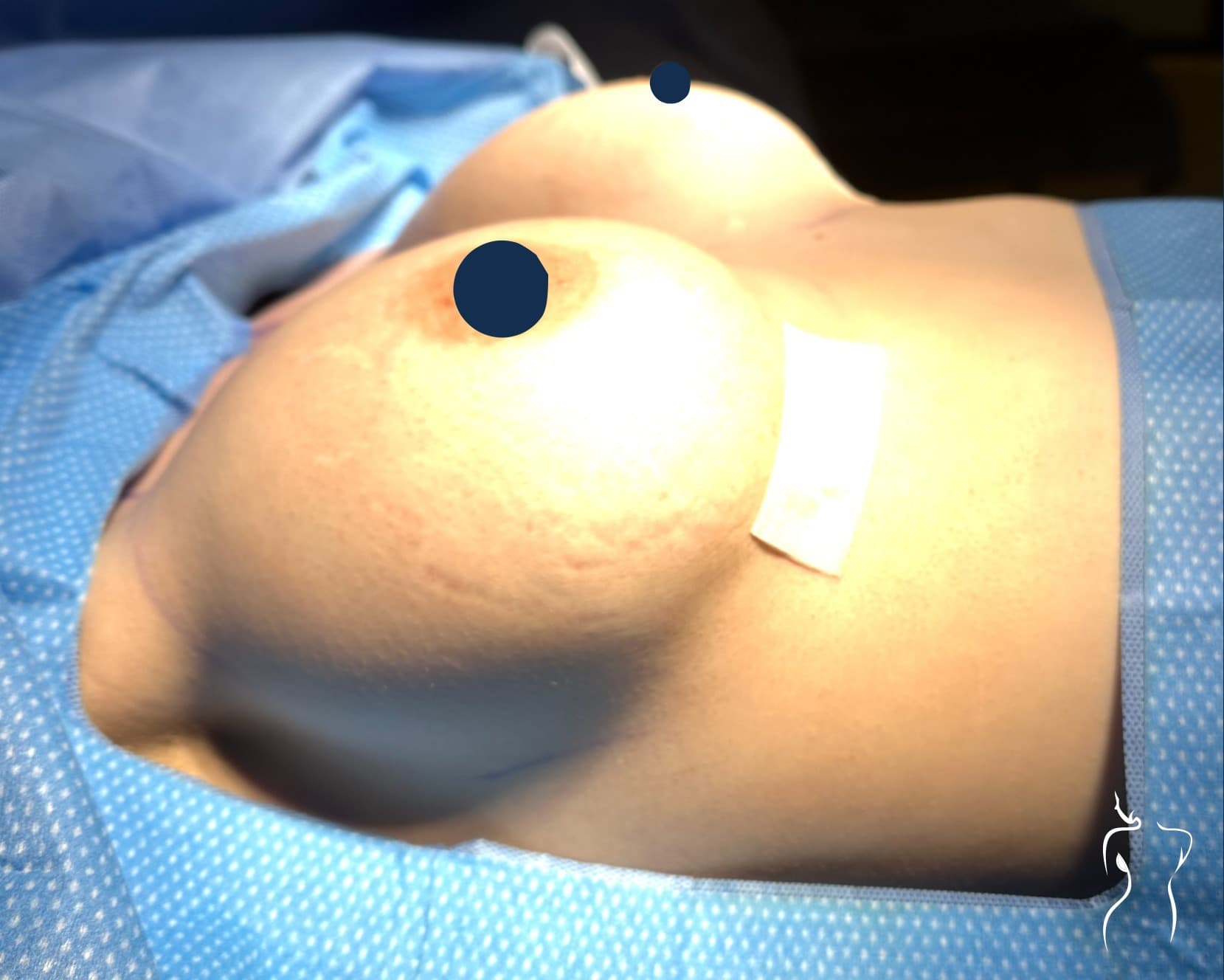
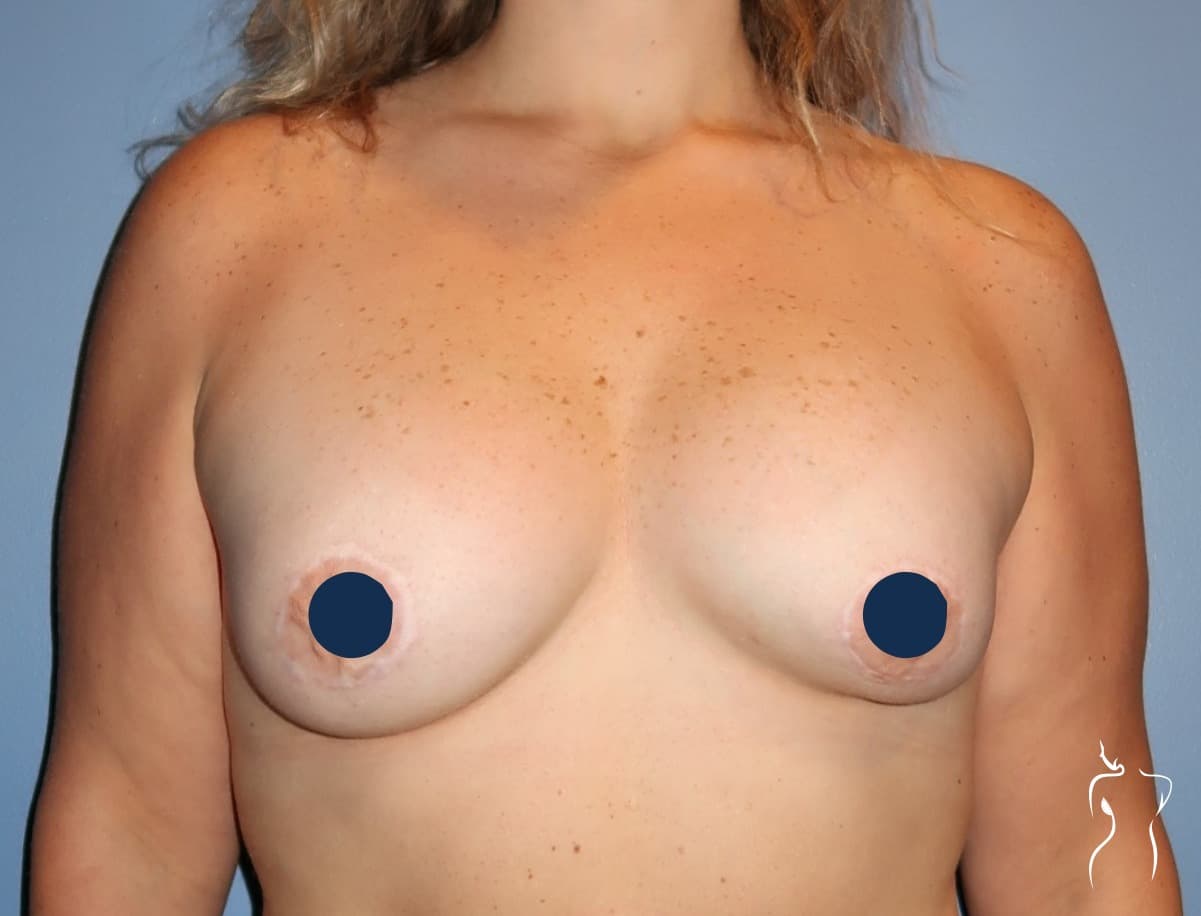
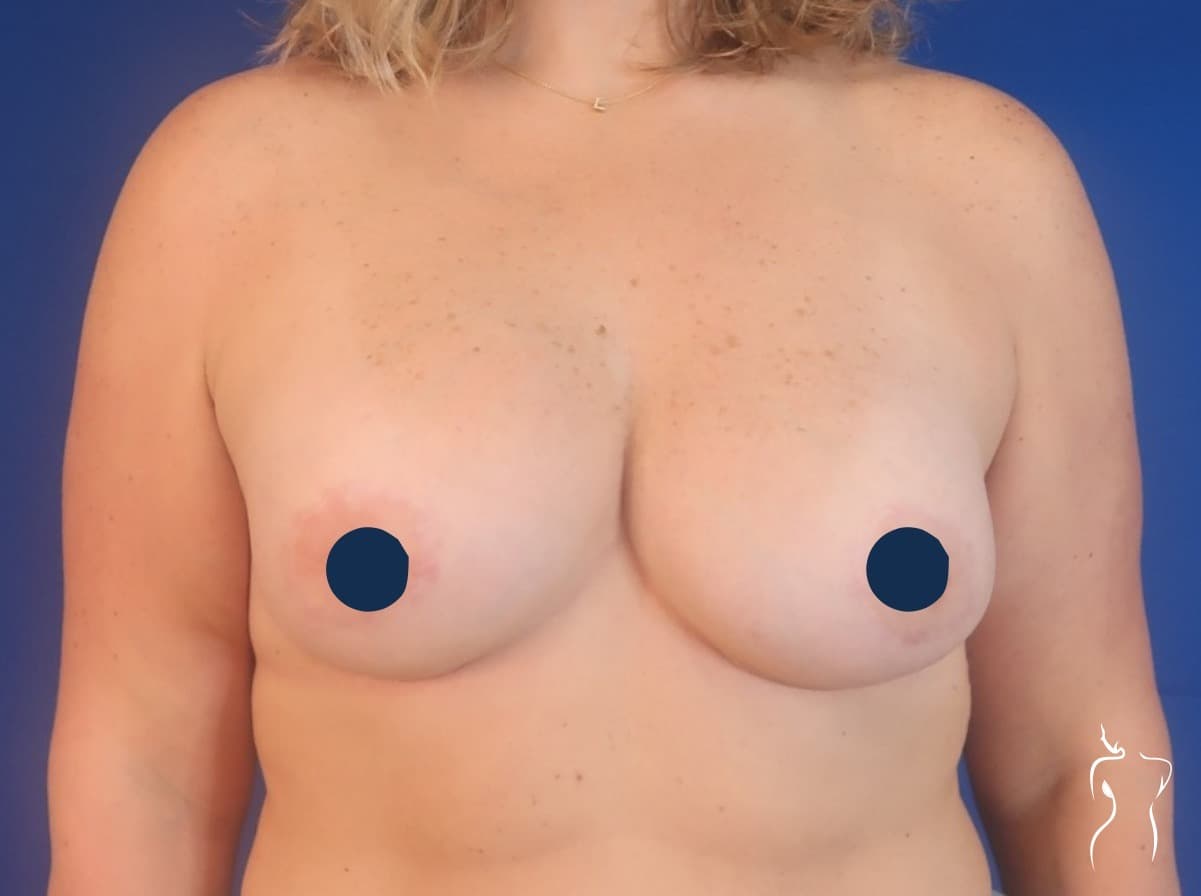
Results vary from person to person. The right comparison starts with your anatomy and your goals, in consultation.
See results like these in person. Plan a consultation with Dr. Day.
The operation
Every consultation — and every operation — is with Dr. Day.
Every implant forms a scar-tissue capsule around itself. That is normal and expected. Capsular contracture is what happens when that capsule tightens abnormally, squeezing the implant so the breast feels firm, sits distorted, or hurts. It is graded one through four. The milder grades can often be watched; the firmer grades are treated surgically.
Two operations address it, and the difference is worth understanding before your consultation. A capsulotomy scores and releases the capsule without taking it out, relieving the tightness so the implant can sit naturally again. A capsulectomy removes the capsule entirely. The more complete option is usually the recommendation for higher-grade contracture, or when the implant is being moved to a new pocket.
From there the plan follows the problem: the pocket can be revised or relocated, and implants exchanged, including upgrading older saline implants to modern cohesive silicone. Where the tissue needs help holding the new position, internal support reinforces the pocket.
Suspected rupture is evaluated with MRI or ultrasound before the plan is set, because what the imaging shows can change the operation. Size changes are previewed with 3D imaging and sizers, just as in a primary augmentation, so a new size is something you have looked at rather than agreed to in the abstract. Where possible the original incision is reused. Surgery is done at an accredited facility — Swedish Medical Center, Virginia Mason Franciscan Health, Carillon Point Surgery Center, or Sound Plastic Surgery Center — and you go home the same day.
Why implants get revised
Revision is not one operation. What is actually wrong decides what gets done, and several of these travel together.
Capsular contracture
The capsule around the implant tightens, and the breast goes firm, changes shape, or becomes painful. The most common medical reason for revision, and the one most likely to need the capsule released or removed.
Rupture
A saline implant that ruptures deflates visibly, so you notice a size change. Silicone is quieter and often needs MRI or ultrasound to confirm, which is why imaging comes before the plan rather than after.
Malposition
The implant has moved — sitting too low, too high, too far to the side, or drifting toward the middle. This is pocket work: the existing space is reshaped or a new one created, often with internal support to hold it.
Size or style change
The most common reason of all, and a legitimate one. Preferences change, and so do bodies. Going larger, smaller, or switching from saline to cohesive silicone for a softer feel are all routine revisions.
Rippling or visible edges
Palpable or visible ripples along the upper or side breast, usually where soft-tissue cover is thin. Addressed by changing implant type or plane, or by adding coverage.
Tissue settling over the implant
The breast tissue descends while the implant stays put, so the two no longer sit as one shape. Correcting it generally means adding a lift to the revision rather than only changing the implant.
Is it right for you
If your implants are uncomfortable, have visibly shifted, or simply no longer match what you want, revision is worth a consultation, whoever performed the original surgery.
There is no ten-year timer on implants. Revision is for a reason: a change you want or a problem to fix, confirmed by exam and imaging rather than a calendar.
Timing splits along that same line. Medical problems — a confirmed rupture, a painful high-grade contracture — are addressed promptly rather than scheduled around convenience. Aesthetic revisions are best done when your weight is stable and pregnancy is not in the near-term plan, since both change the result you are paying to create.
Revision works with tissue that has already been operated on, a pocket that has adapted, and scar that was not there the first time. It asks more of the planning than a primary augmentation does, and sometimes the honest conclusion after an exam is that nothing needs doing yet.
Recovery
Recovery tracks primary augmentation: walking the day after surgery, desk work in week one, exercise building from week two at half effort and increasing gradually, full unrestricted activity at four to six weeks. A more complex revision sits at the longer end of that range.
Exchanged implants settle over three to six months, and the shape at two weeks is not the shape you are going to keep. Scar management is part of the aftercare, and follow-ups confirm the pocket is holding the correction.
Results hold best at a stable weight. Significant weight change alters the tissue around the implant, which is the one variable that can undo good pocket work over time.
How the weeks before and after surgery fit together is covered in the practice's recovery guide.
Plan a consultation with Dr. Day.
Patient Voices
Individual results vary. Quotes are verbatim excerpts from reviews published by patients.
“I've done years of research on local doctors to find one I could trust for an augmentation revision, and finally found Dr. Day! … he doesn't try to talk you into unneeded procedures just to make more money, and will tell you why you shouldn't do certain things, then offer a better option.”
Questions, answered
The rest belong in a conversation. Consultations are unhurried by design.
How do I know if I need a revision?
Persistent firmness, visible shifting, discomfort, a suspected rupture, or a size you would no longer choose. An exam with imaging gives a definitive answer, and sometimes the honest answer is that nothing needs doing.
Is revision harder than the original augmentation?
Usually. The tissue has been operated on before and the anatomy has adapted to the implant. That is why revision benefits from reconstructive experience and careful pocket work rather than a repeat of the original operation.
What is the difference between capsulotomy and capsulectomy?
A capsulotomy releases the scar capsule to relieve tightness; a capsulectomy removes the capsule. Which one your case needs depends on the contracture grade and your tissue.
Can I change size during a revision?
Yes — size change is one of the most common reasons for revision, planned with 3D imaging and sizers so the new size is previewed, not guessed.
Will a revision leave new scars?
Where possible, Dr. Day works through your original incisions. When a new approach is genuinely better for the correction, he will explain why before anything is scheduled.
Do implants really last only ten years?
No. Modern implants last on the order of fifteen years on average, and many last longer. Replacement is driven by a reason, never by the anniversary.
What is capsular contracture?
Your body forms a scar-tissue capsule around any implant, which is normal. Contracture is that capsule tightening abnormally, so the breast feels firm, looks distorted, or hurts. It is graded one through four; the milder grades are often just monitored, and the firmer ones are treated by releasing or removing the capsule.
How would I know if an implant has ruptured?
A saline rupture is obvious — the implant deflates and the breast visibly changes size. Silicone is far quieter, and a rupture can go unnoticed, which is why suspected cases are confirmed with MRI or ultrasound before any plan is made.
Can I switch from saline to silicone?
Yes, and it is a common reason for revision. Modern cohesive silicone implants feel softer and more like natural tissue than older saline. Whether the switch suits your anatomy is confirmed at the exam.
When is the right time to have revision surgery?
It depends on why. A confirmed rupture or a painful high-grade contracture is dealt with promptly. An aesthetic revision is best timed when your weight is stable and you are not planning a pregnancy in the near future, because both will change the result.
How much does implant revision cost in Bellevue?
Revision pricing is unique to each case, ranging from $4,500 to $14,500 depending on what the correction involves. The consultation produces an itemized estimate, with CareCredit and Alphaeon financing available.
Financing Options