Facial Feminization Surgery in Seattle & Bellevue
Facial feminization surgery reshapes the structures that read as masculine — the brow ridge, the jaw angle, the tracheal prominence — at the level where they actually live: the bone.
That is why FFS belongs to craniofacial surgery. Frontal cranioplasty and jaw contouring are true craniofacial procedures — surgery on the skull and the facial skeleton — and craniofacial fellowship training is precisely what prepares a surgeon to perform them.
The design goal is a face that is feminine, natural, and recognizably you. WPATH recognizes this surgery as medically necessary care within its evidence-based Standards of Care.




Your surgeon
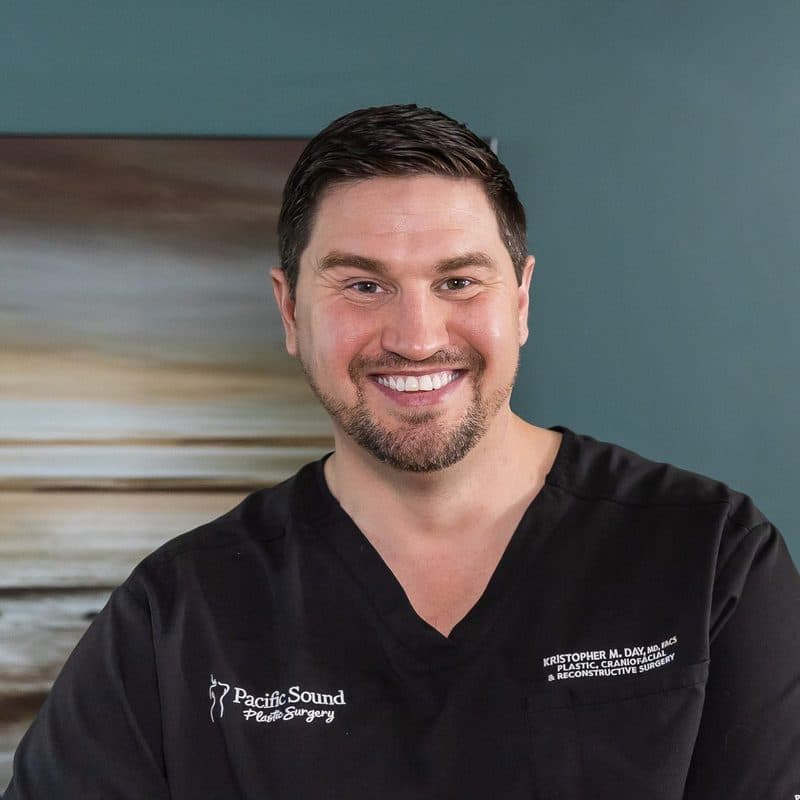
Dr. Kristopher Day is certified by the American Board of Plastic Surgery and the American Board of Surgery, fellowship-trained in craniofacial surgery, and a member of the American Society of Maxillofacial Surgeons.
Meet Dr. DayFacial Feminization
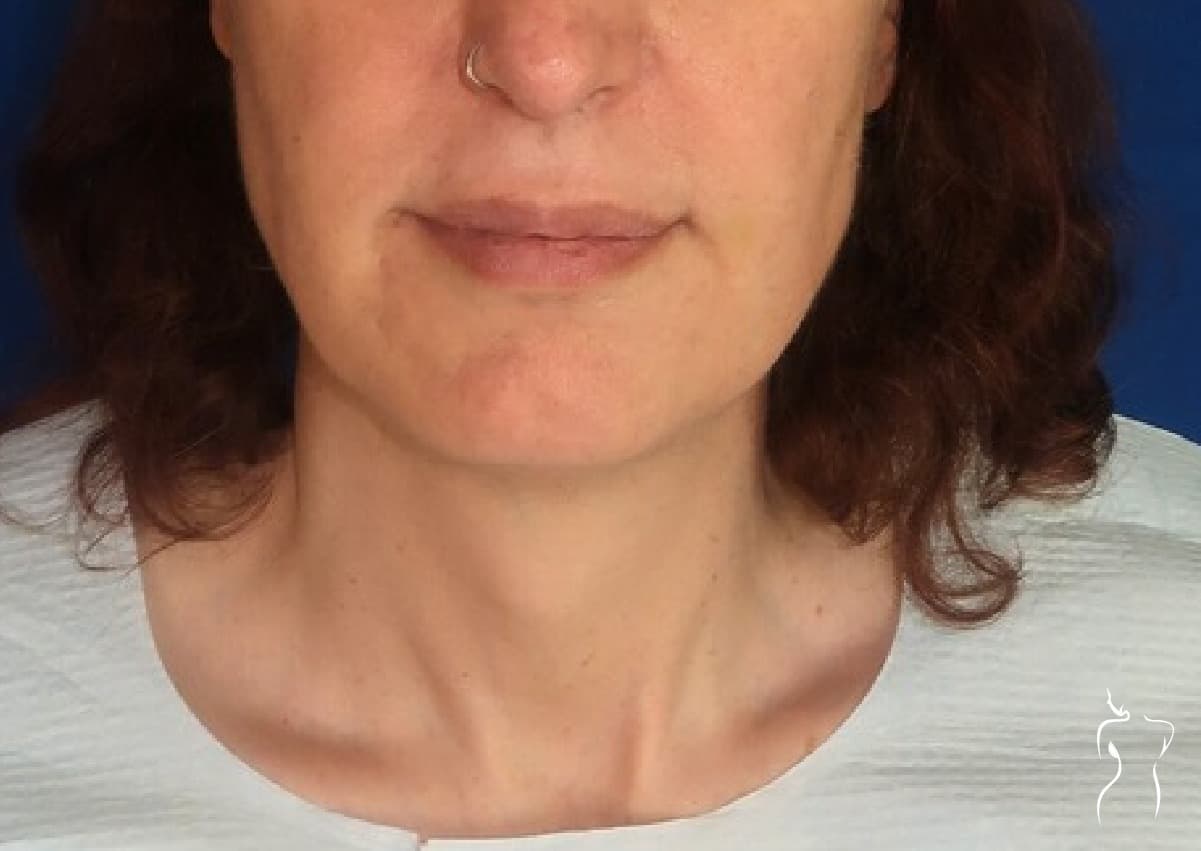
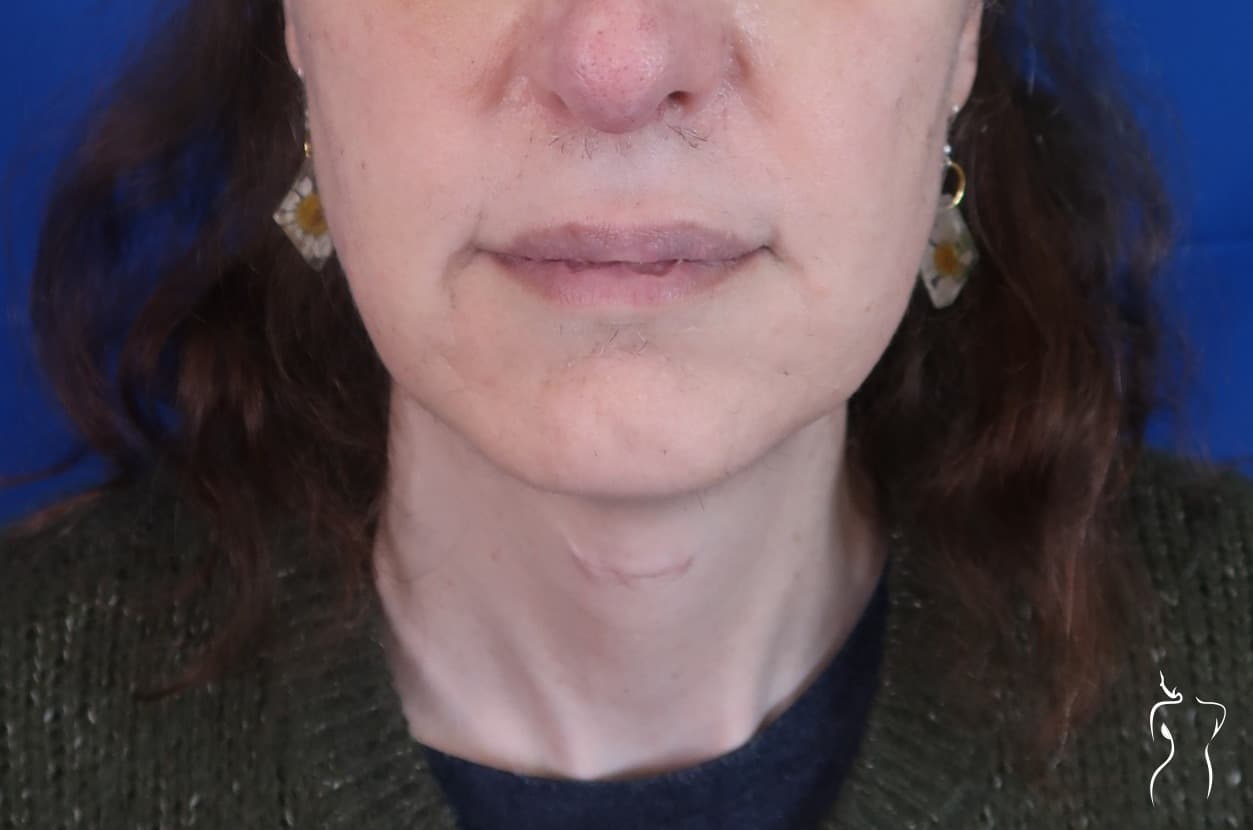
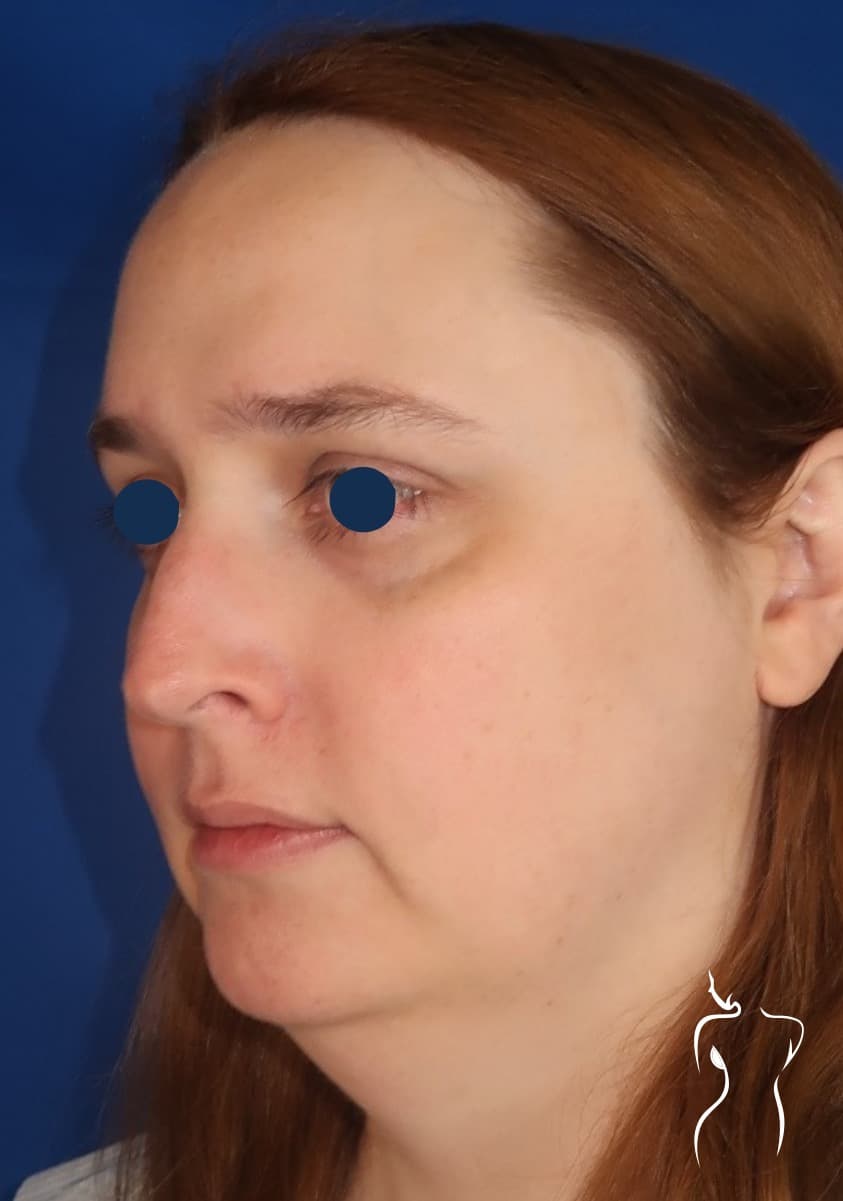
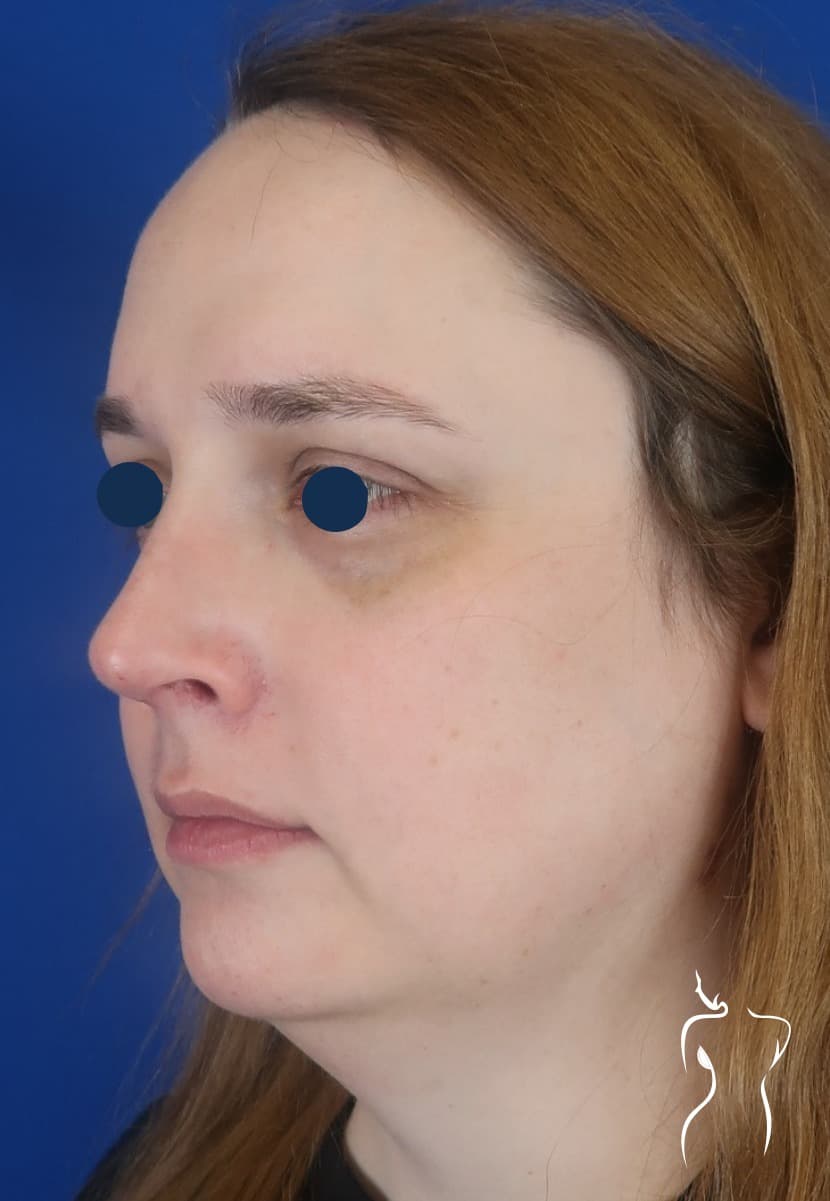
Show all 9 resultsShow fewer
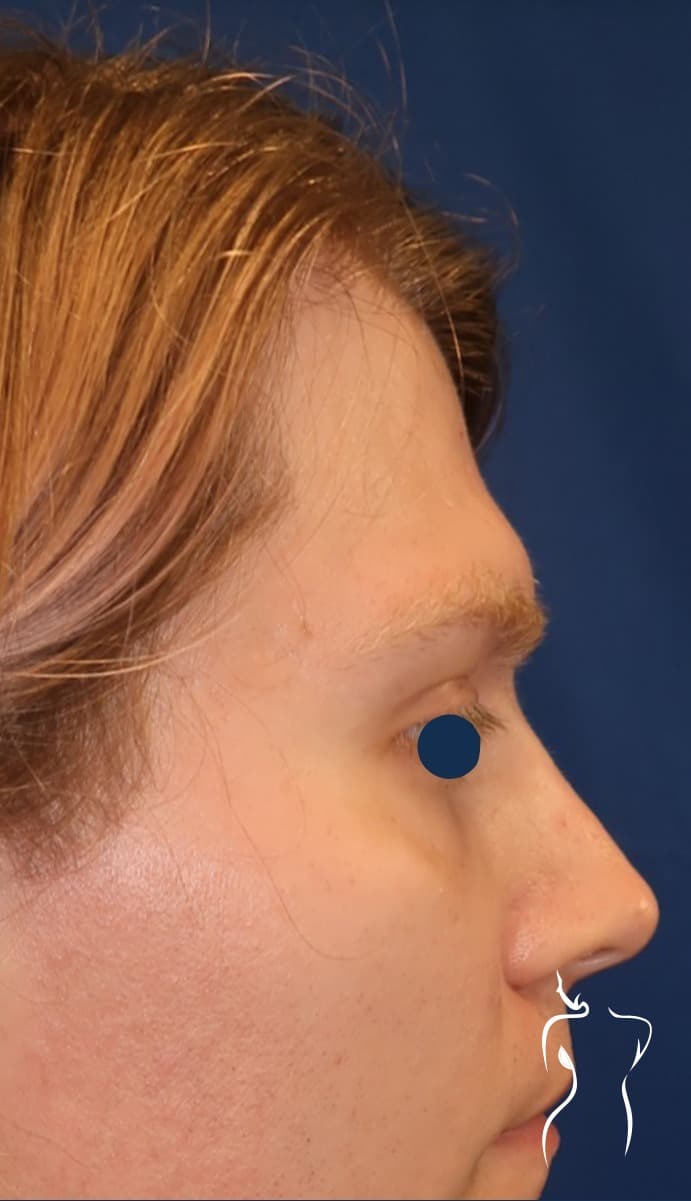
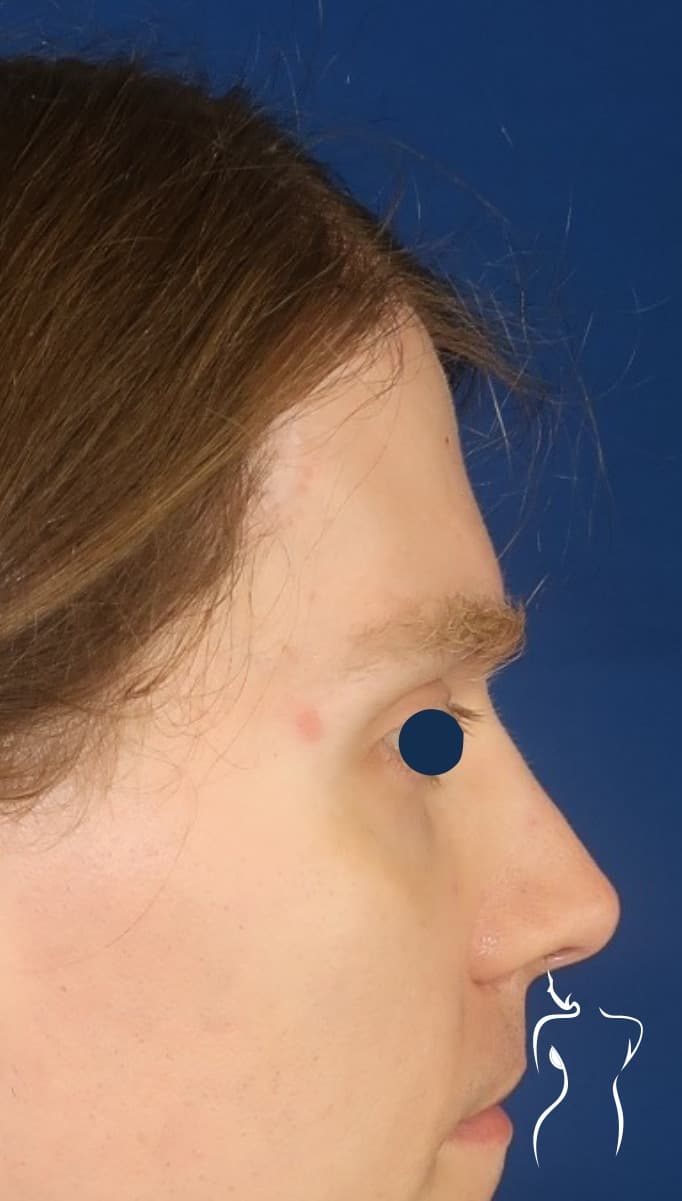
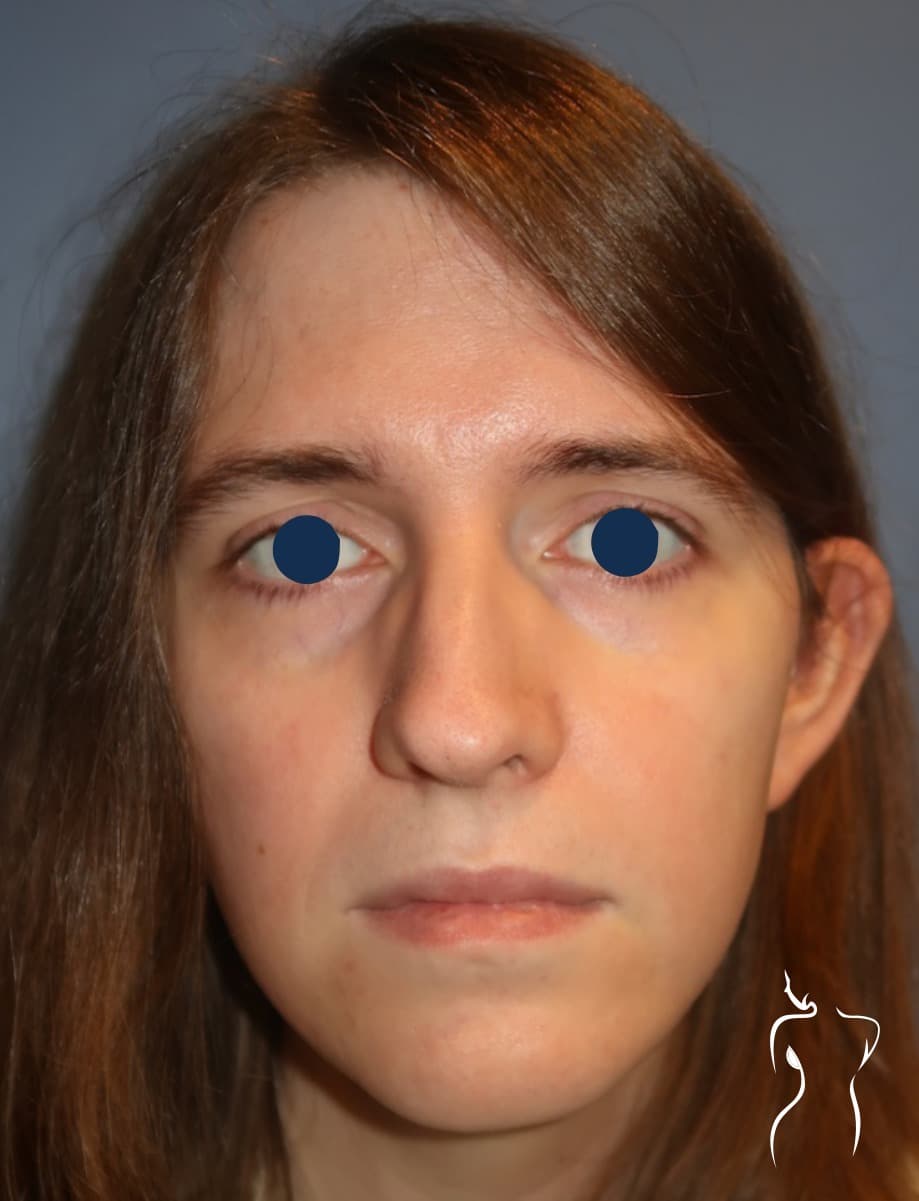
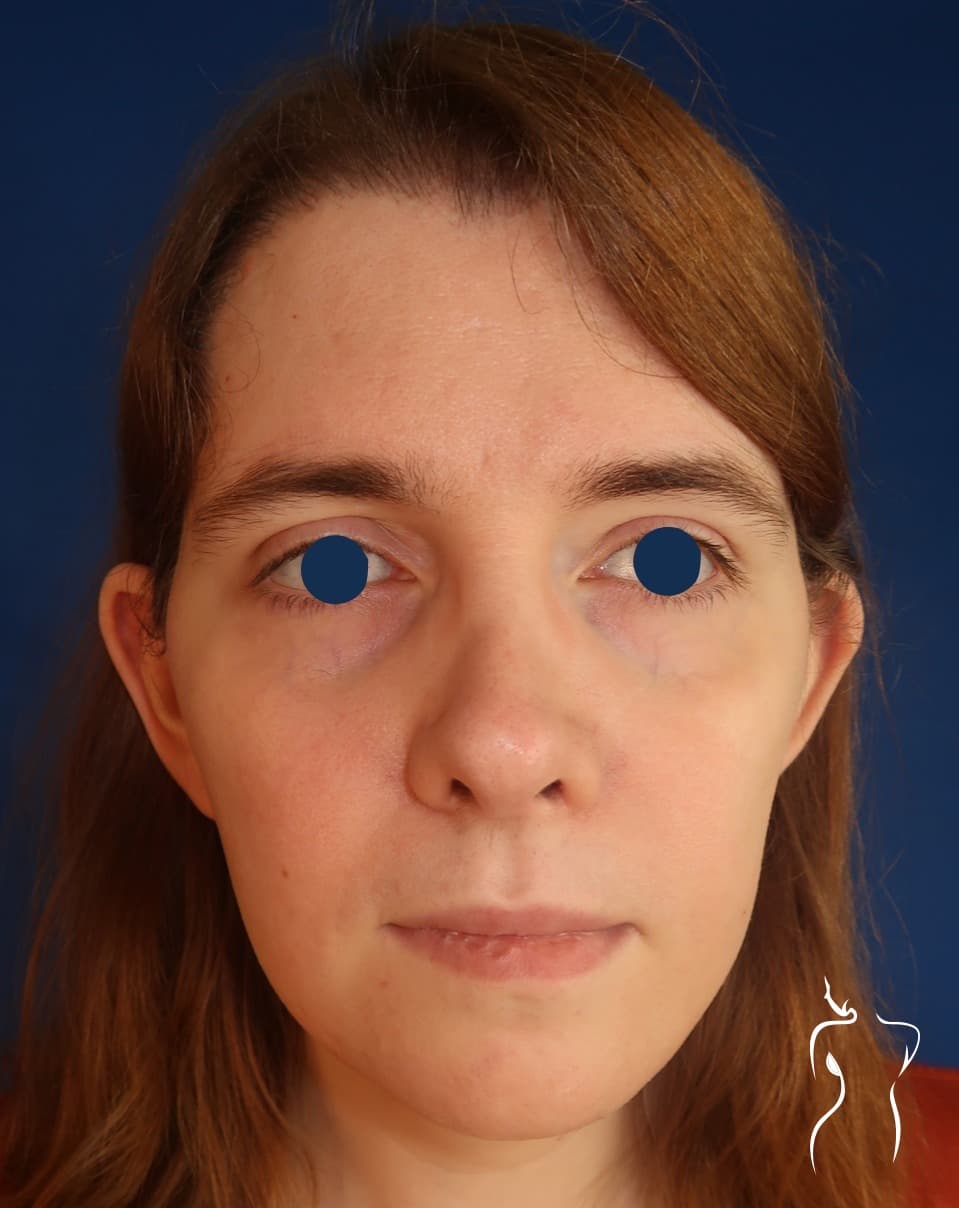
Forehead reduction: hairline advancement, brow lift, forehead set-back
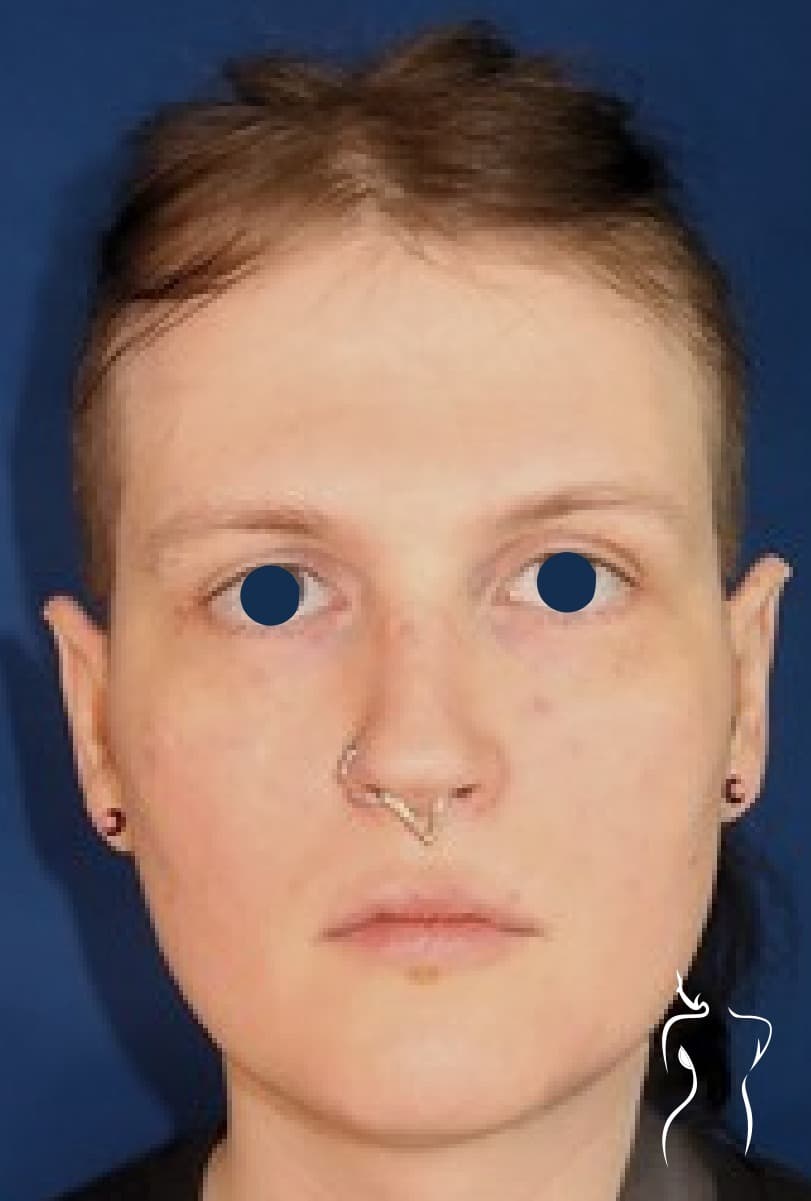
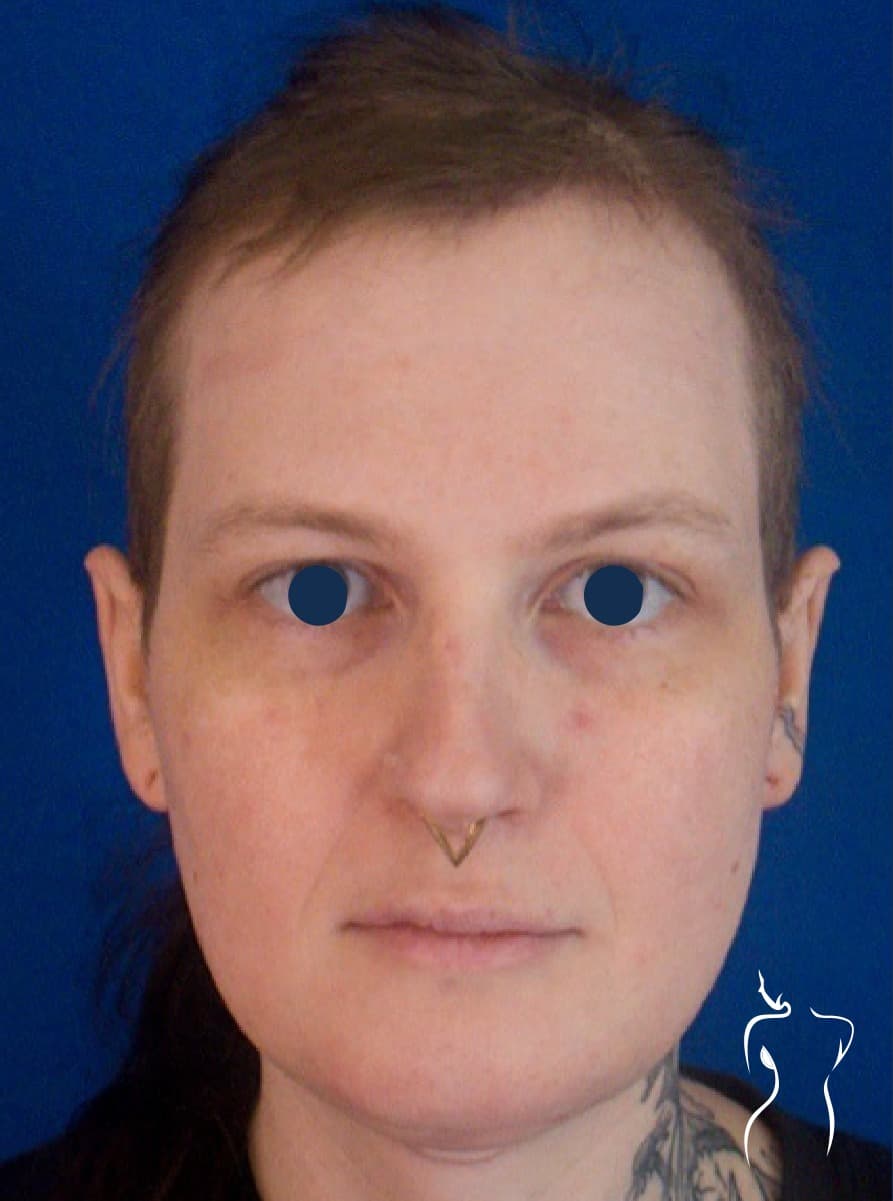
Forehead set-back reduction
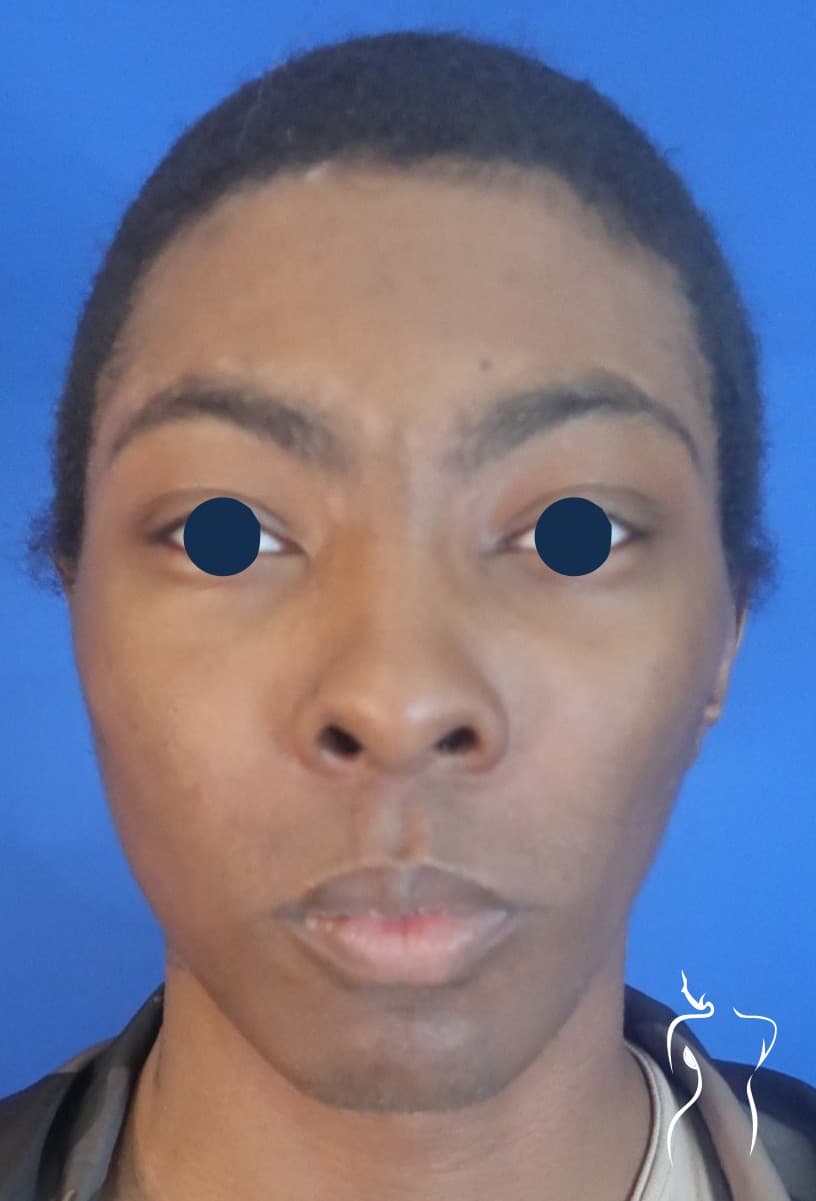
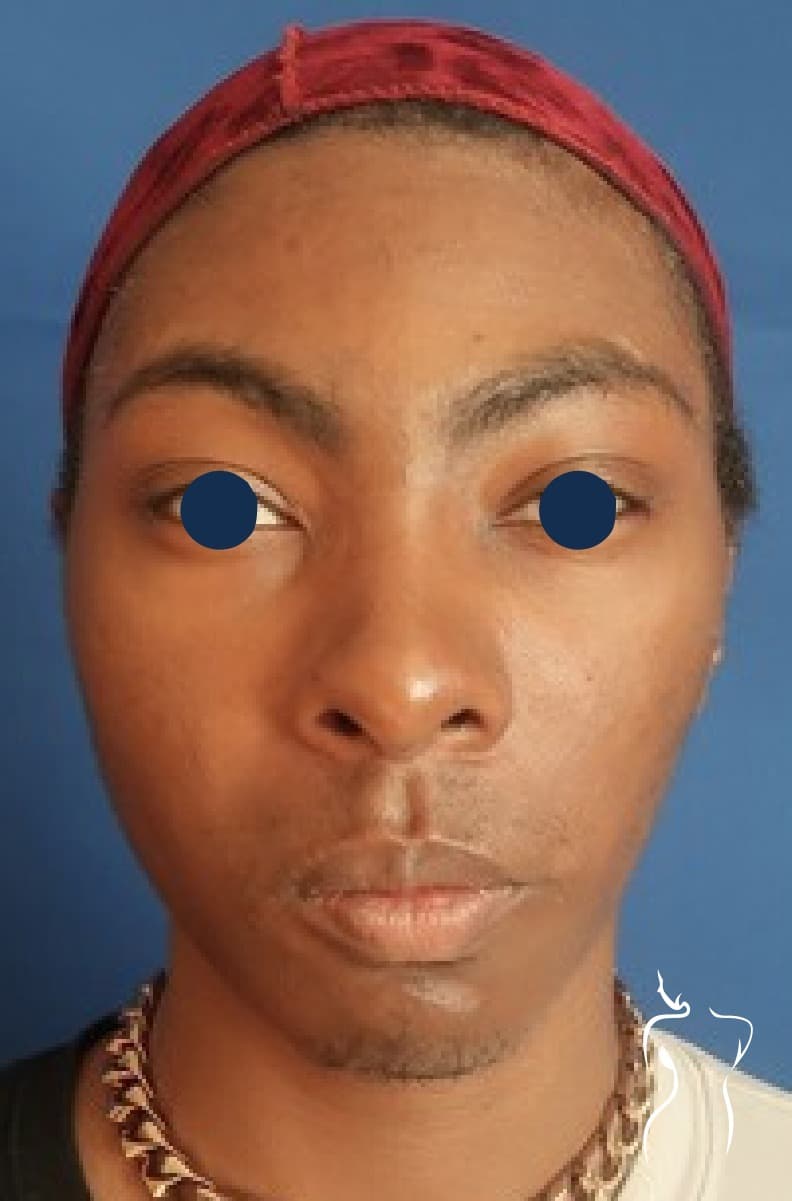
Forehead/brow set-back, jaw reduction, genioplasty, cheek implants
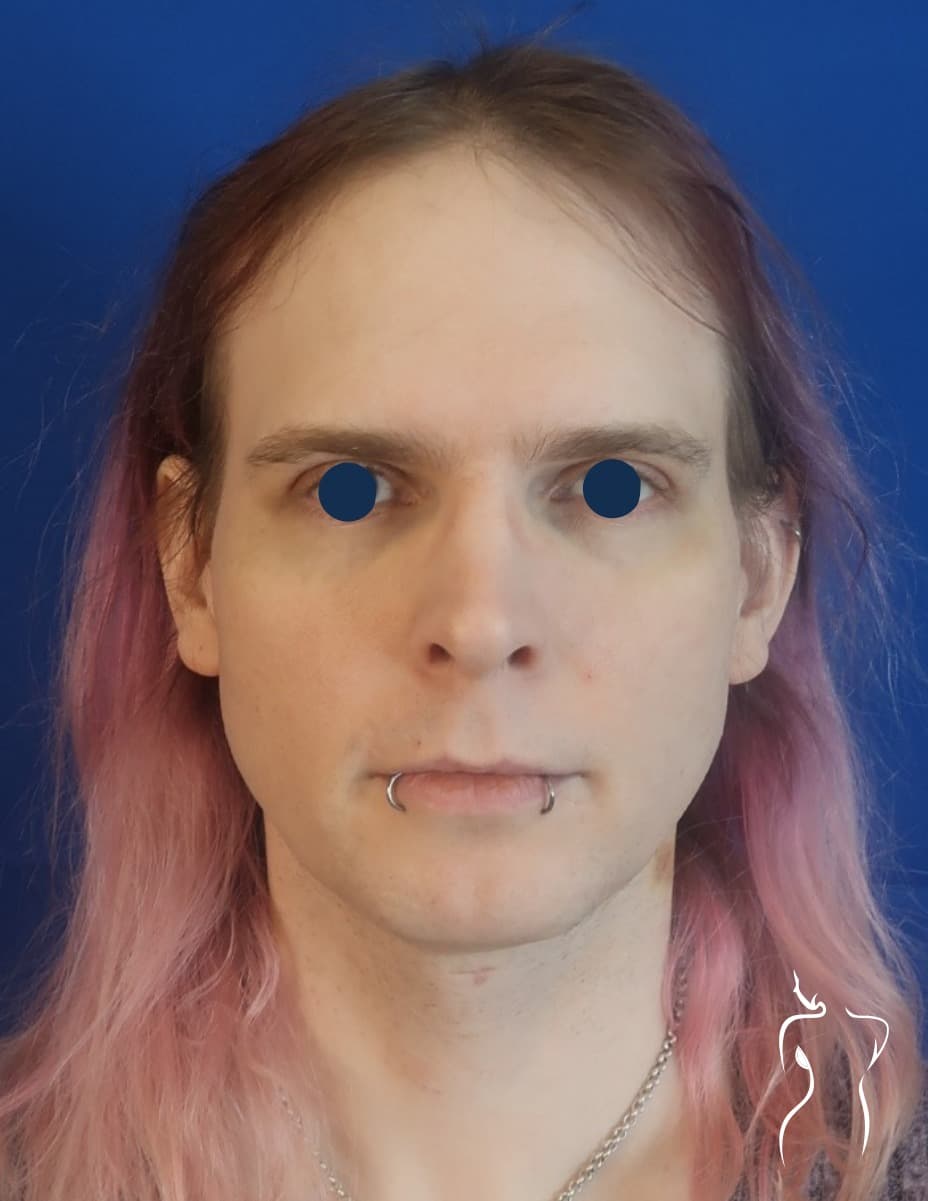
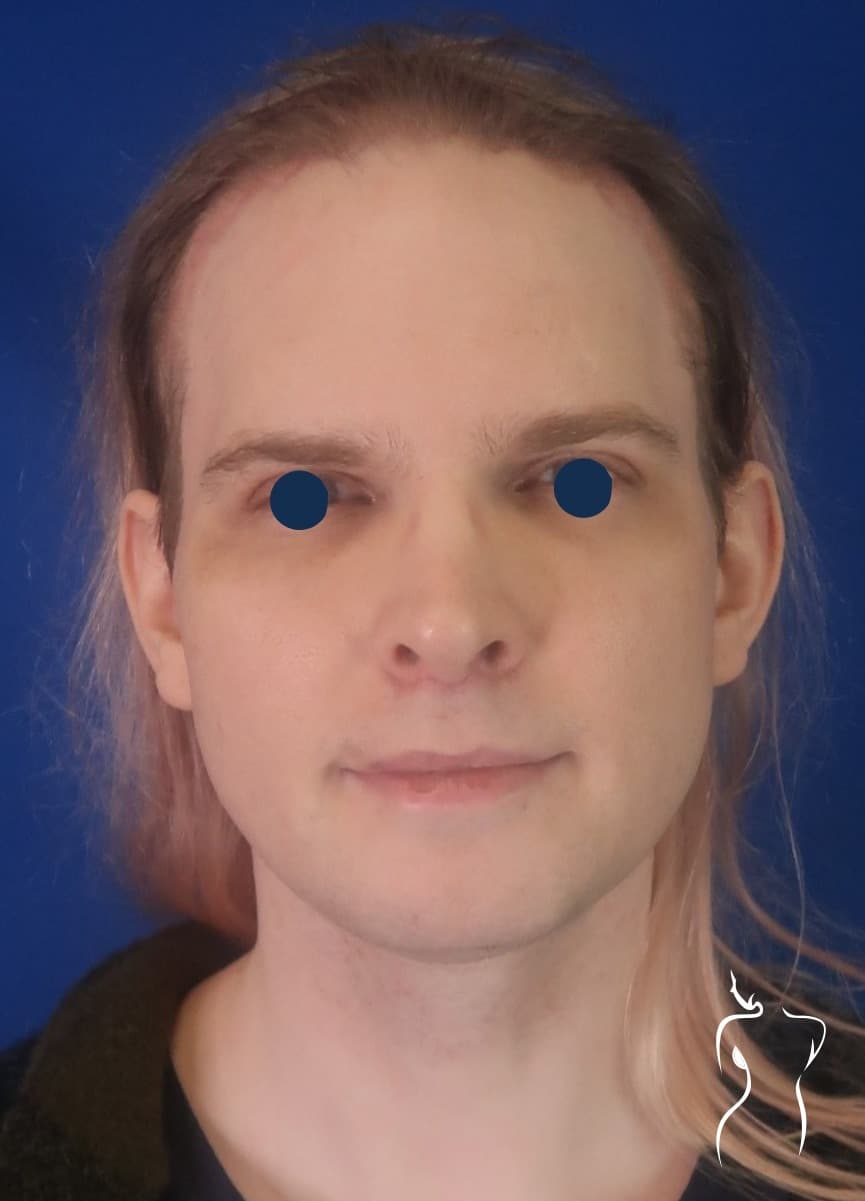
Forehead reduction, lip lift, jaw reduction, genioplasty, cheek fat grafting
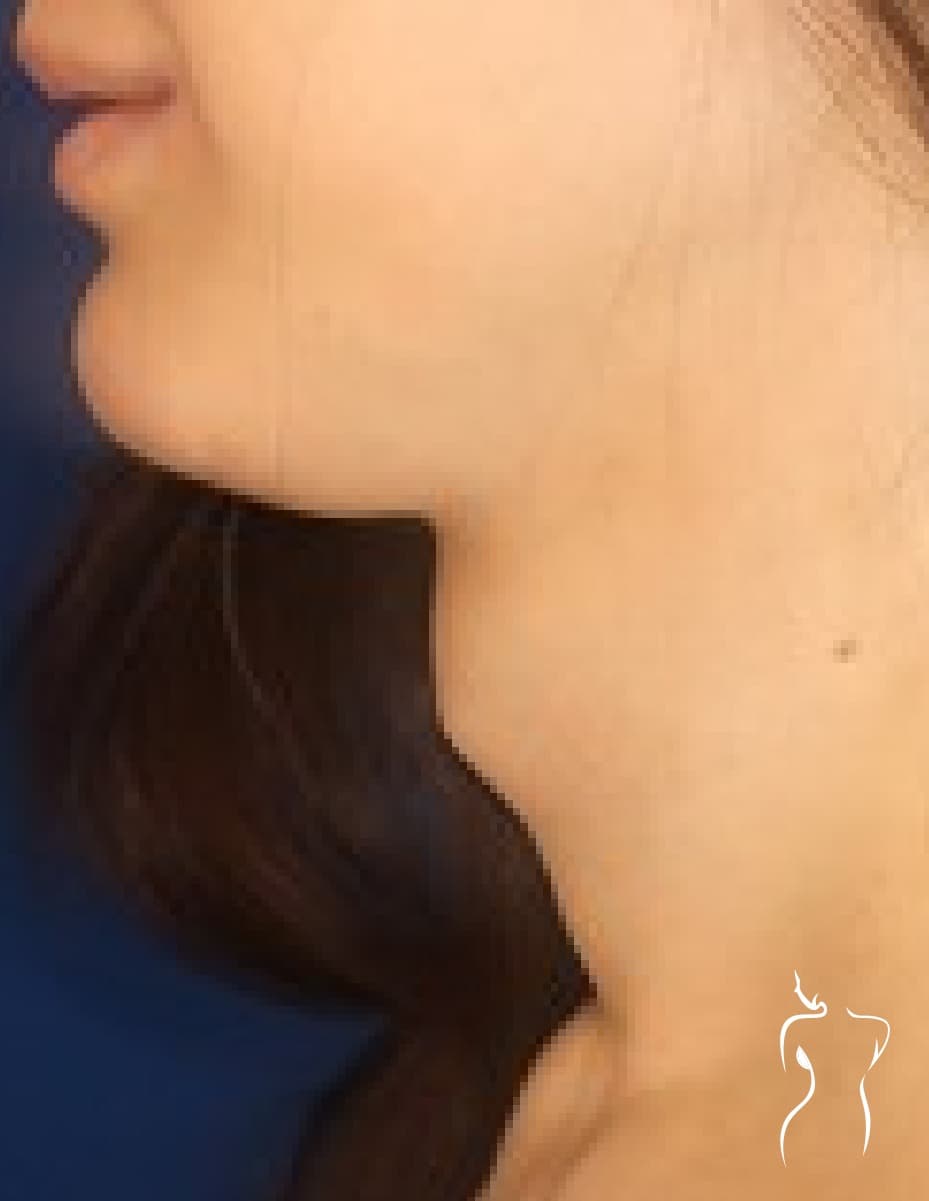
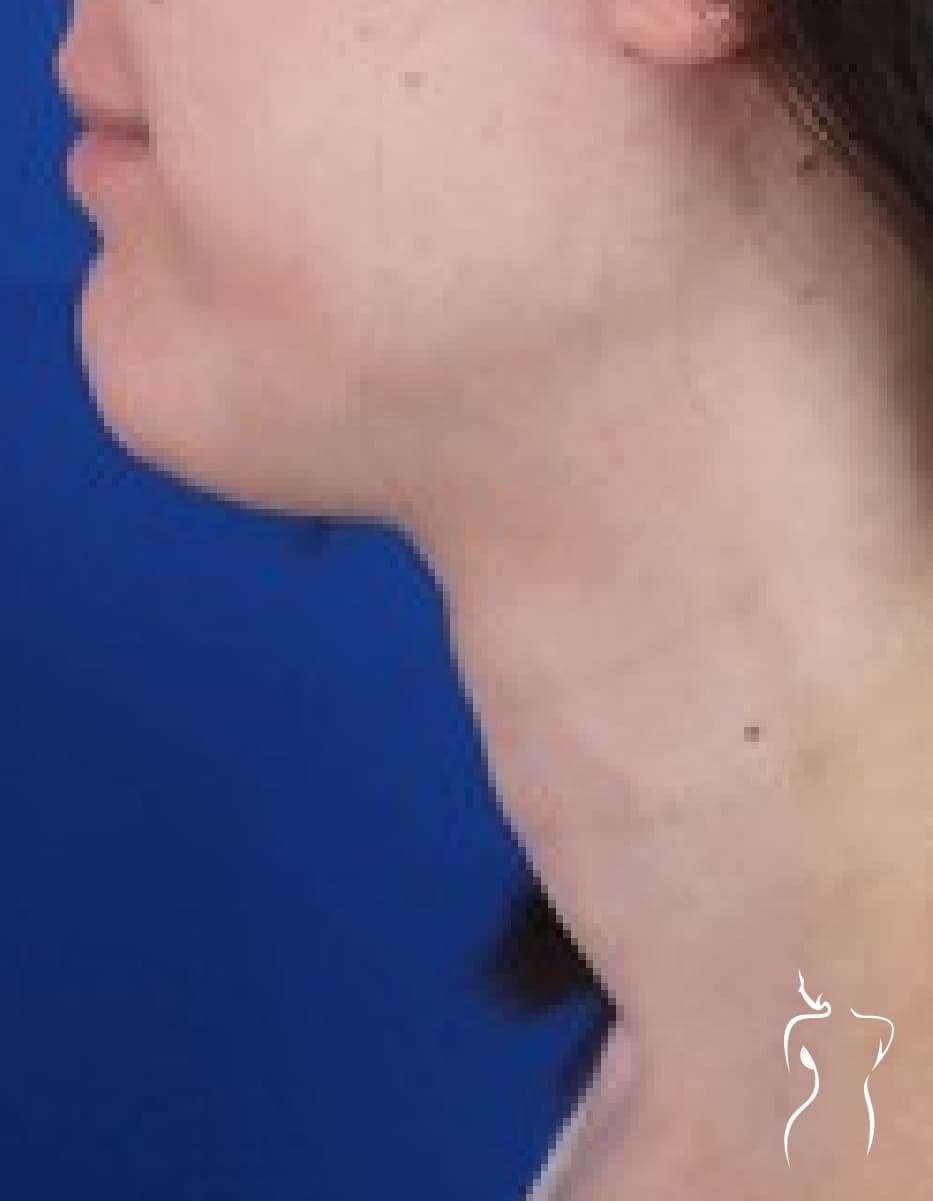
Tracheal shave (chondrolaryngoplasty)
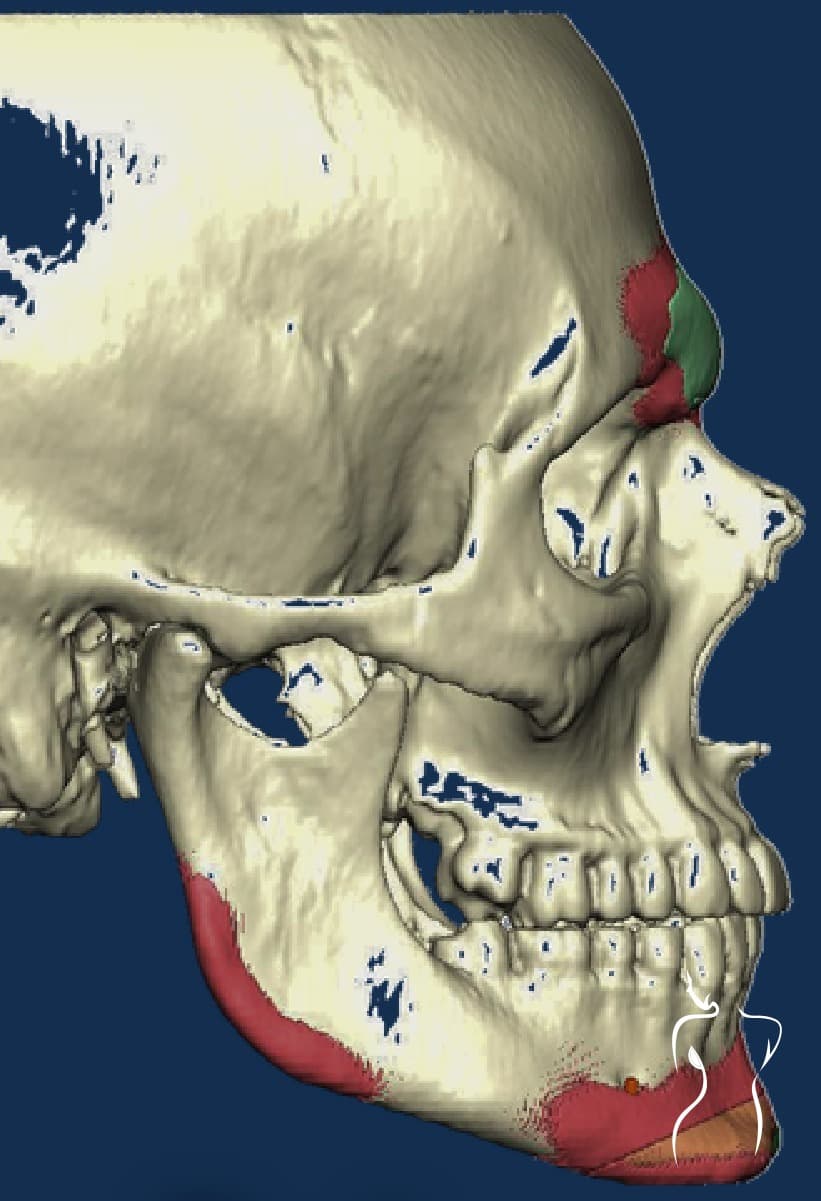
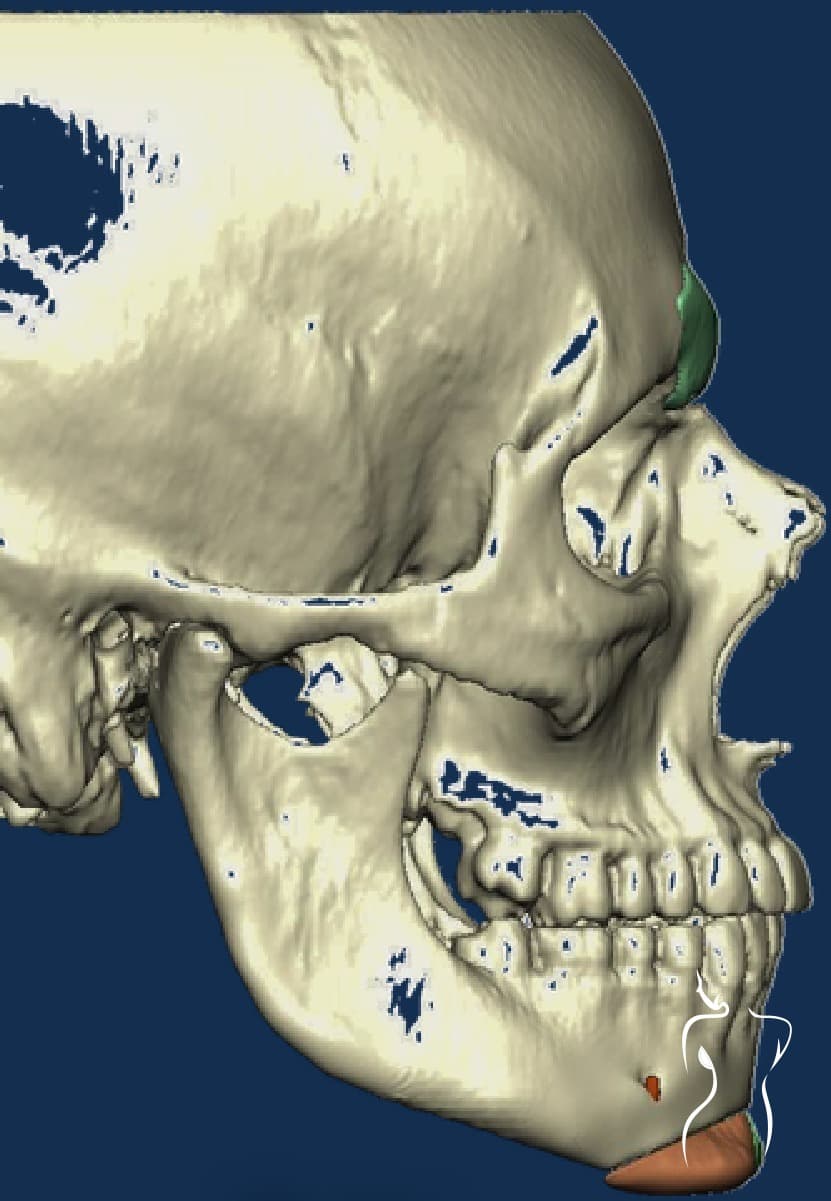
Forehead reduction and chin set-back
Results vary from person to person. The right comparison starts with your anatomy and your goals, in consultation.
See results like these in person. Plan a consultation with Dr. Day.
Staged or single-session
Every consultation — and every operation — is with Dr. Day.
A comprehensive plan can run five to eight hours in one session, with overnight admission for major bony work; single procedures run two to three hours each. Staging spreads recovery and lets each result inform the next; a single session means one anesthesia and one downtime. The right structure depends on your anatomy, your goals, and your life, and the consultation designs it with you.
Consultations are in person at the Bellevue office. Virtual consultations are not offered — bone-level planning depends on a physical examination. The coordinator helps traveling patients sequence visits efficiently.
The FFS menu
Each area has its operation; most plans combine several.
Forehead & hairline
Frontal cranioplasty sets back the brow ridge — roughly two to three hours — through an incision placed either just in front of the hairline or within the hair-bearing scalp, chosen against your hair quality and growth pattern so it camouflages as hair grows through it. Hairline lowering advances the scalp one to three centimeters. Thinning hair is not automatically disqualifying; the incision approach adapts.
Nose
Feminizing rhinoplasty, planned against the new forehead so the profile reads as one line.
Jaw & chin
Mandibular angle reduction and sliding genioplasty — reshaping the lower face in any direction, typically one and a half to three hours, with the incisions placed entirely inside the mouth so nothing shows on the skin.
Tracheal shave
Chondrolaryngoplasty through an incision under two centimeters hidden in a horizontal neck crease — never on the prominence itself — with the cartilage-to-vocal-cord relationship assessed before any cartilage is removed to protect your voice.
Letters, hormones, and insurance
The documentation requirement is one support letter from a licensed mental-health professional or primary-care provider. Hormone therapy is not required by this practice, and pre-authorization typically runs two to six weeks with the coordinator managing it.
Insurance honesty: bony reconstruction is the component most often covered; soft-tissue procedures and hairline work are more likely to be classed as cosmetic. Pre-authorization runs after surgery is scheduled, so your plan's coverage is confirmed before surgery itself — and the consultation lays out the realistic picture before you commit.
Recovery
Sedentary work resumes in about a week and visible bruising settles over one to two. Bone heals on its own longer clock — the contour is stable early, and the deep healing completes over months.
What you actually see, and when: the change in forehead projection and hairline position registers immediately, even before swelling resolves. Swelling dominates the first week or two, then by weeks three to four the jawline and profile read clearly. Most swelling is gone by month three, and the final result — soft tissue fully settled over the new bone — arrives at three to six months. Numbness around the incisions and at the chin is expected along the way and resolves as nerves recover.
Rhinoplasty follows its usual timeline within the plan: presentable at two weeks, refined over twelve months. Follow-ups are scheduled at one week, three weeks, three months, and a year, because bone-level results deserve long-term eyes.
How the weeks before and after surgery fit together is covered in the practice's recovery guide.
Plan a consultation with Dr. Day.
Patient Voices
Individual results vary. Quotes are verbatim excerpts from reviews published by patients.
“I ended up having a total of six procedures performed by Dr. Day over the course of two rounds of surgery. He clearly explained the processes, recovery, and rationale for each, as well as what I could expect in terms of results.”
“He respected my wants, listened to me. Specifically told me they have my back, if anything shifts over next year, would not drop me.”
Questions, answered
The rest belong in a conversation. Consultations are unhurried by design.
What does FFS actually change?
The skeletal features that read as masculine: the brow ridge and forehead angle, the nose, the jaw angle and chin, and the tracheal prominence. Soft-tissue procedures — lip lift, brow lift, cheek augmentation — refine on top of the bone work.
Why does craniofacial training matter for FFS?
Frontal cranioplasty is skull surgery, and jaw contouring is surgery on the facial skeleton. Craniofacial fellowship training is subspecialty study of exactly those structures. For bone-level FFS it is the credential that maps directly to the work.
Will I still look like myself?
Yes — that is the design constraint. FFS removes the masculine reading of specific structures; it does not install a different face. Patients recognize themselves, softened.
Should I stage procedures or do one session?
Both are legitimate. One session means one anesthesia and one recovery; staging spreads cost and downtime and lets each result inform the next. Anatomy, goals, and logistics decide it together at consultation.
Do I need hormone therapy or letters first?
One support letter, from a licensed mental-health professional or your primary-care provider. Hormone therapy is not a requirement of this practice, though individual insurers may set criteria.
Will the tracheal shave change my voice?
Protecting the voice is the reason the cartilage-to-vocal-cord relationship is assessed before any cartilage is removed. Performed with that discipline, the procedure reduces the prominence while leaving the voice alone.
Where are the scars?
Hidden by design: at or behind the hairline for forehead work, inside the mouth for jaw and chin, in a neck crease for the tracheal shave, and inside the nose or across the columella for rhinoplasty. The forehead incision in particular is planned against your own hair growth so that it camouflages as hair comes through it.
How should I prepare?
Detailed pre-operative instructions cover medications, supplements, and fasting. Two that matter especially: nicotine stops at least four weeks before surgery, and GLP-1 weight-loss medications pause for two weeks beforehand — tell the office if you take one, because the anesthesia plan depends on it.
How much does FFS cost?
FFS pricing is individual and quoted in writing at consultation rather than posted online — plans vary too much for an honest flat figure. Insurance covers bony components for many patients, and CareCredit and Alphaeon financing are available.
Financing Options