Dermal Fillers in Bellevue
Fillers restore what time takes: lip volume, cheek projection, the smoothness of the folds that deepen around the mouth. Done with restraint, the result is your face with its structure back.
Every filler treatment here is injected by Dr. Day — the same hands that perform the practice's facelifts and rhinoplasties, applying the same three-dimensional judgment at the syringe.
The practice uses the Juvederm family, matched product-by-product to the area being treated, and hyaluronic-acid fillers remain fully reversible.





Your surgeon
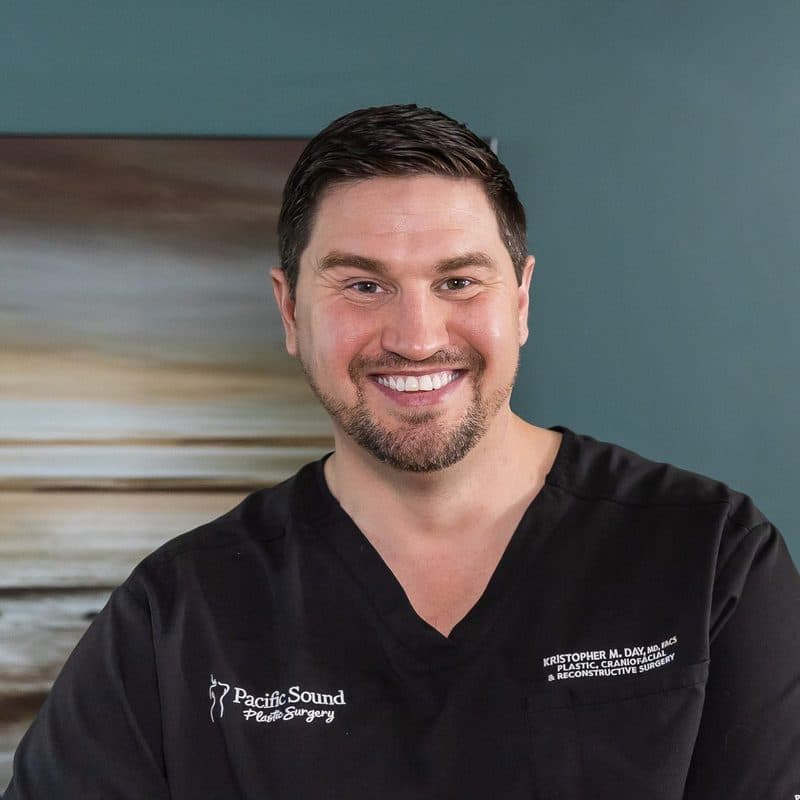
Dr. Kristopher Day is certified by the American Board of Plastic Surgery and the American Board of Surgery, fellowship-trained in craniofacial surgery, and a member of the American Society of Maxillofacial Surgeons.
Meet Dr. DayResults
View the Full GalleryDermal Fillers
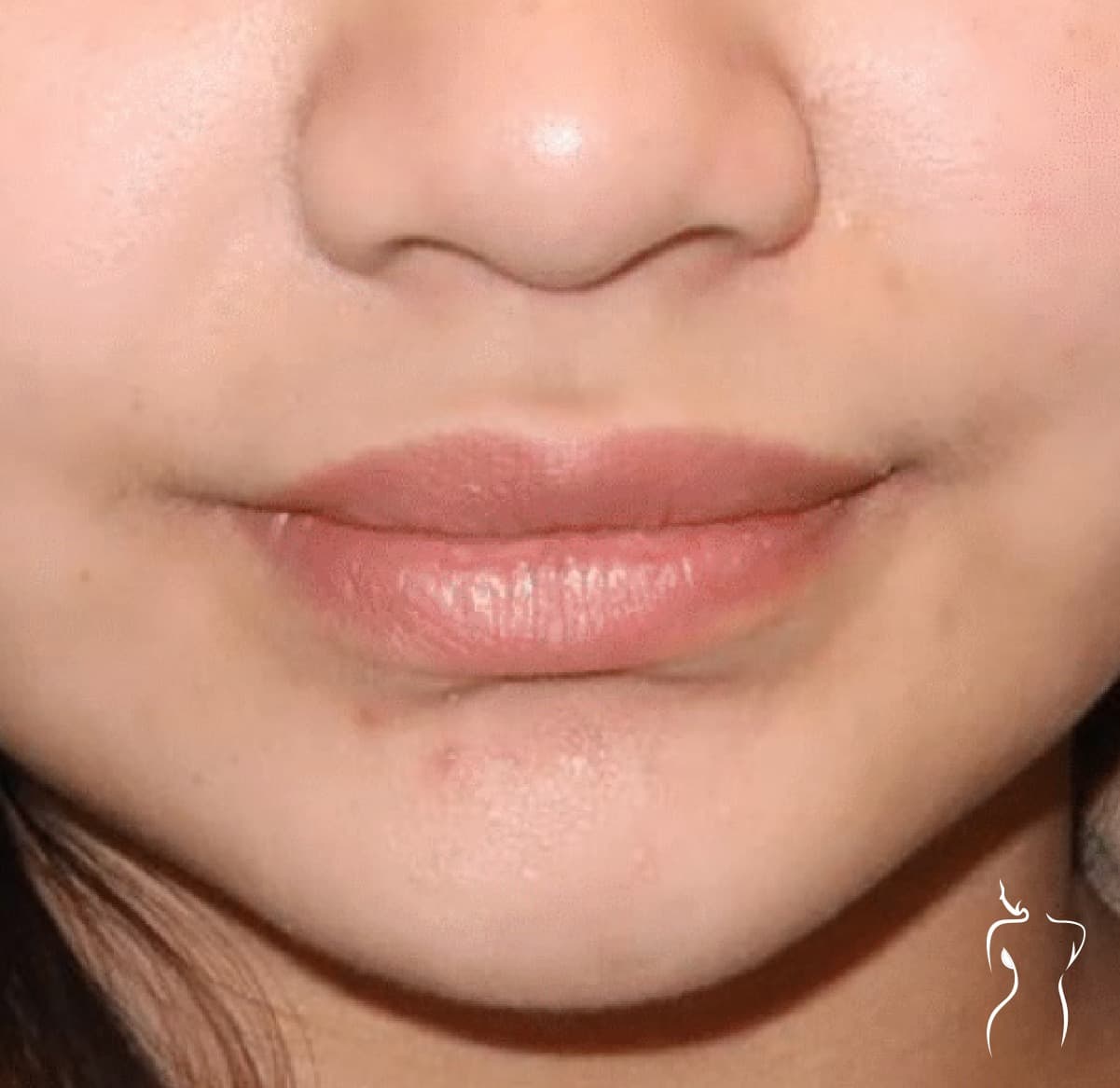
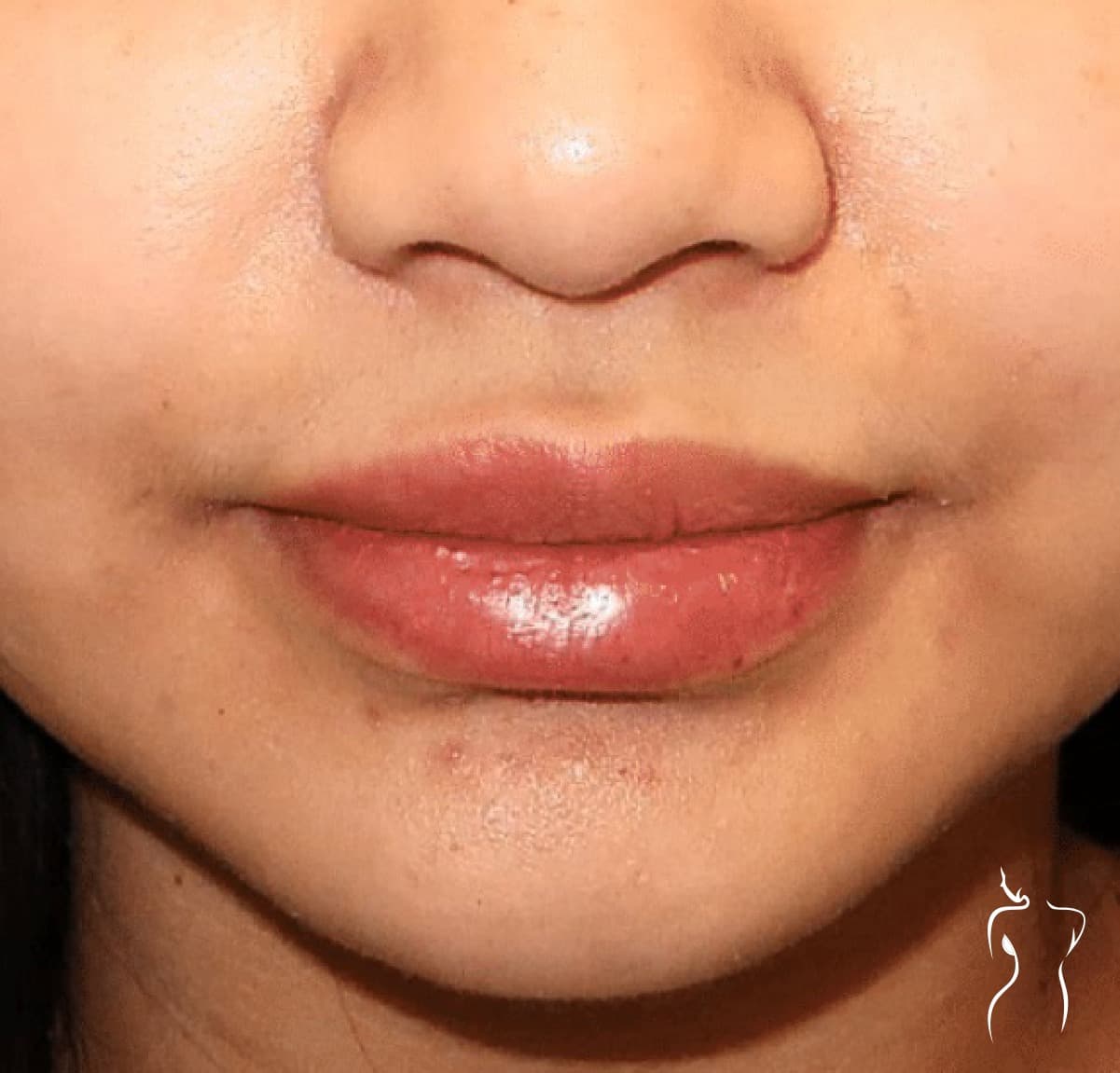

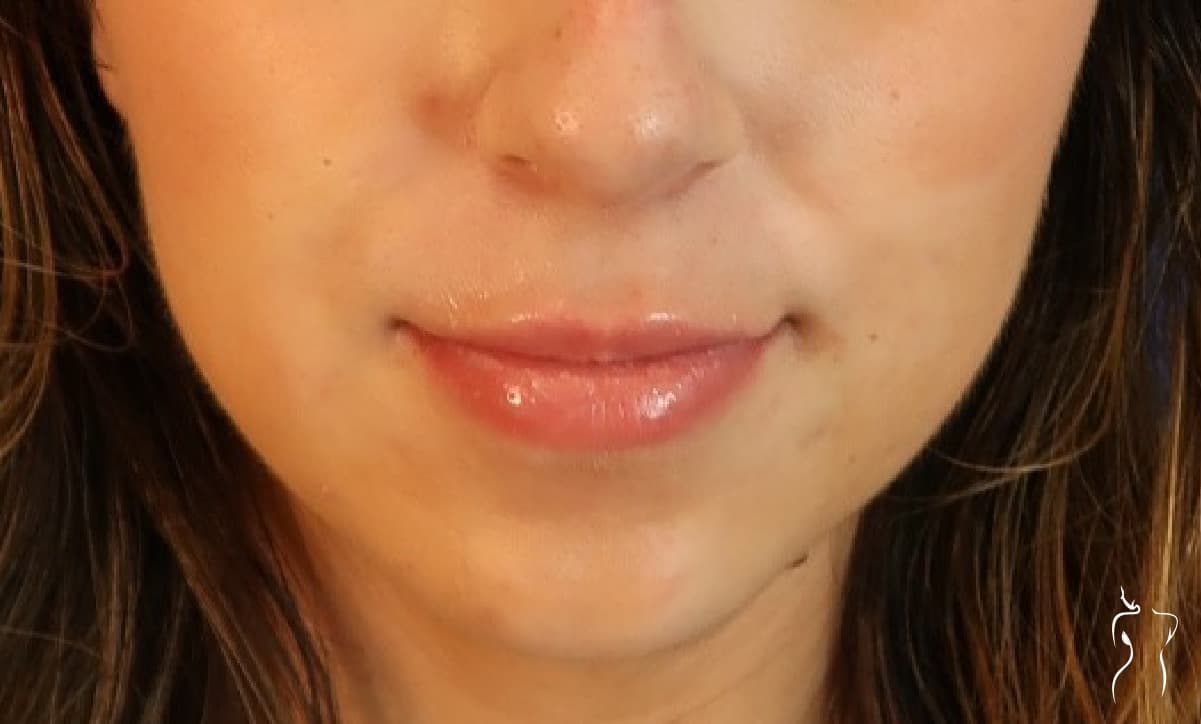


Show all 5 resultsShow fewer
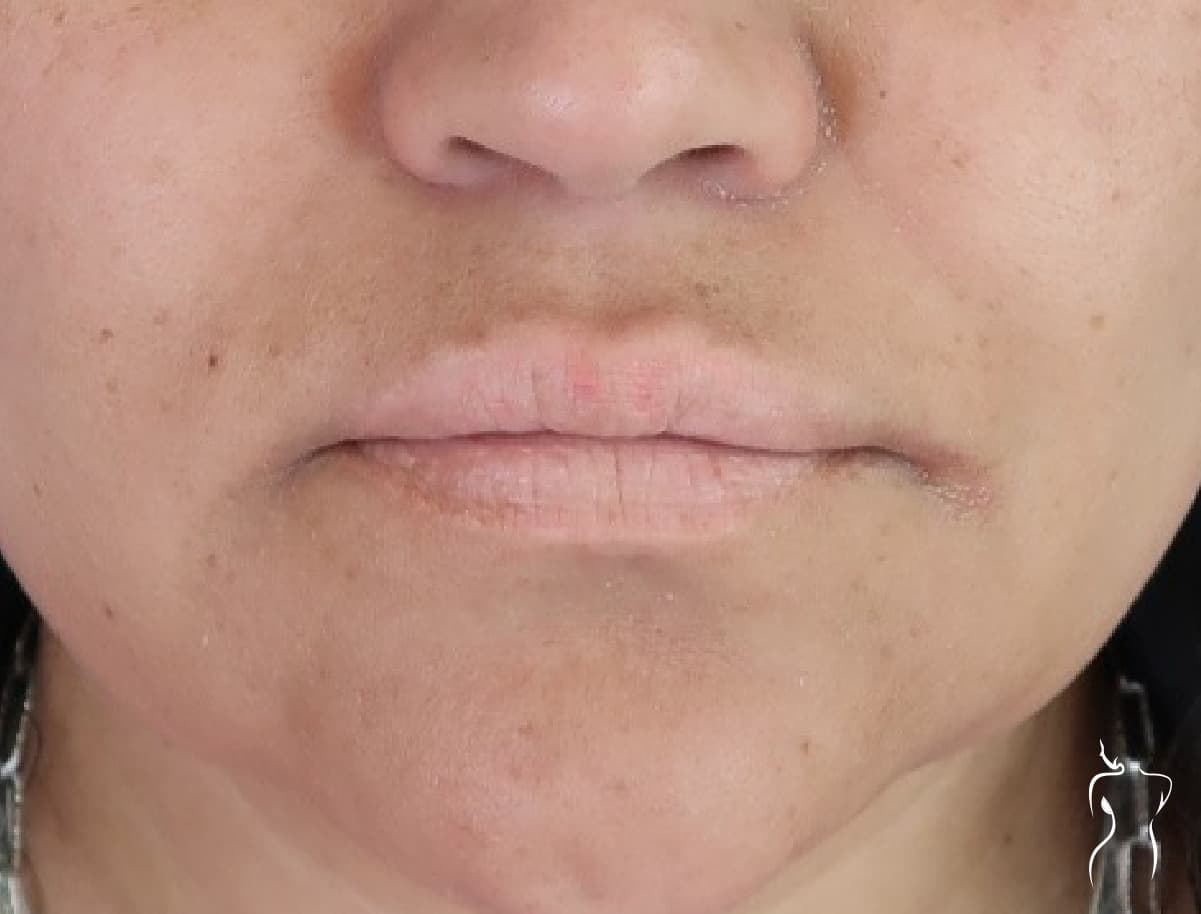
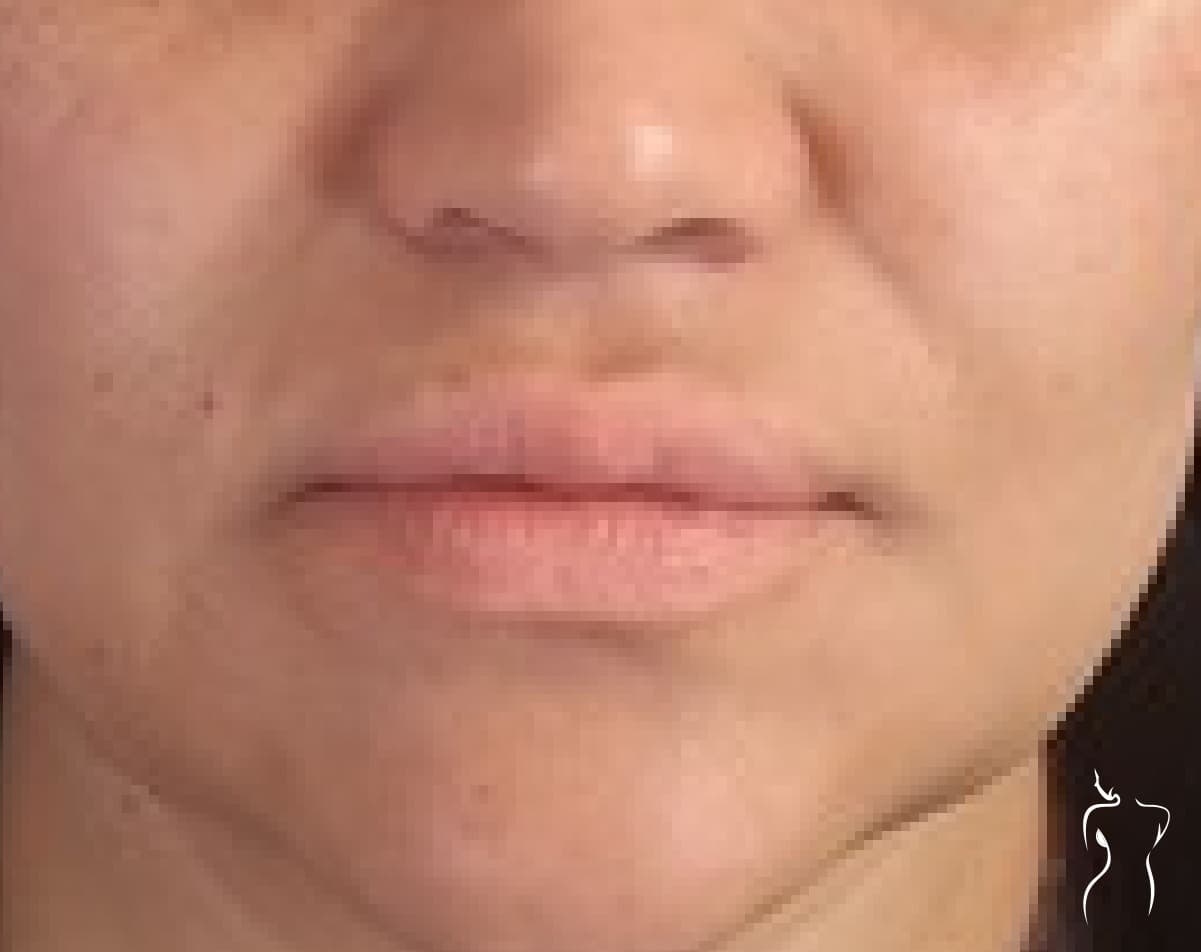
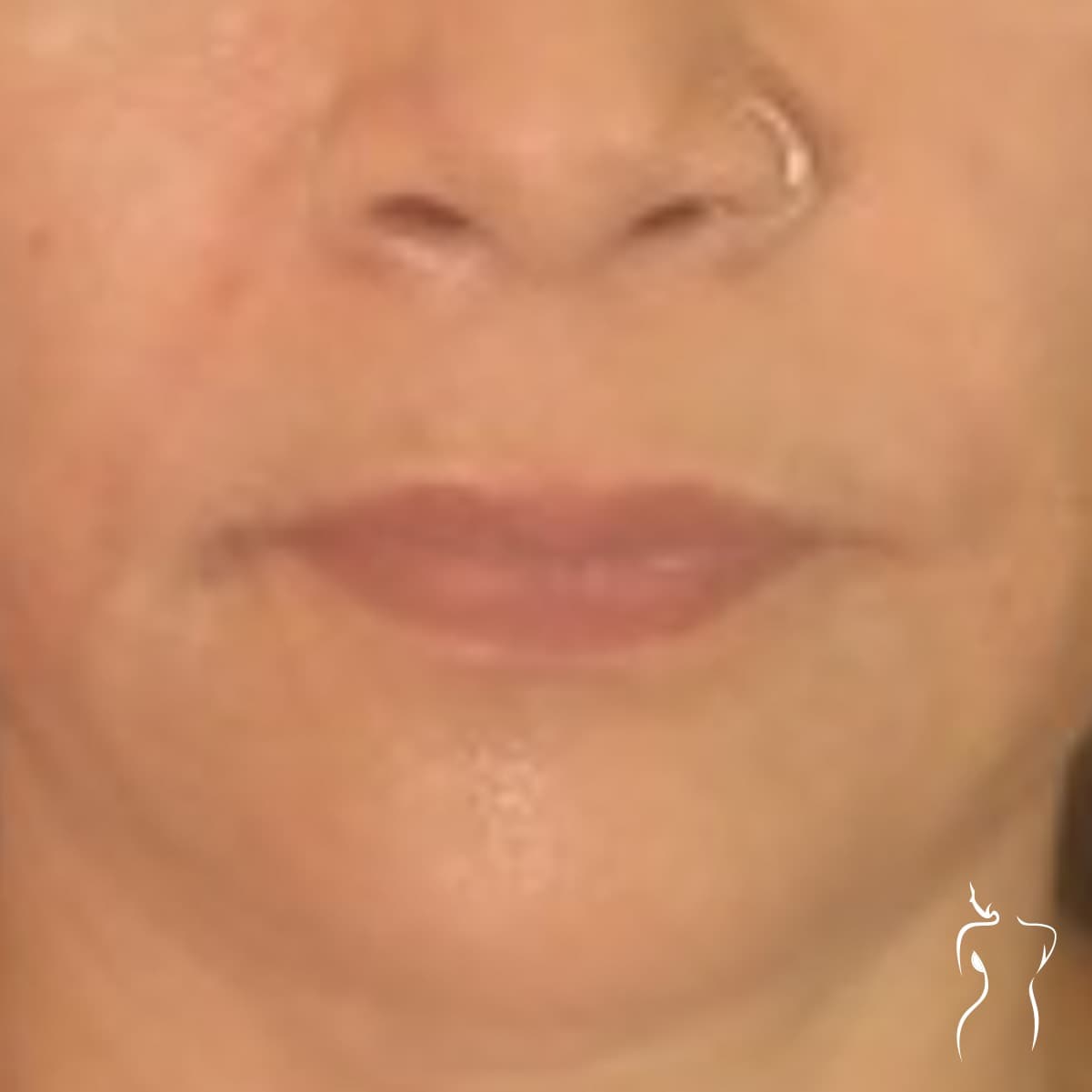
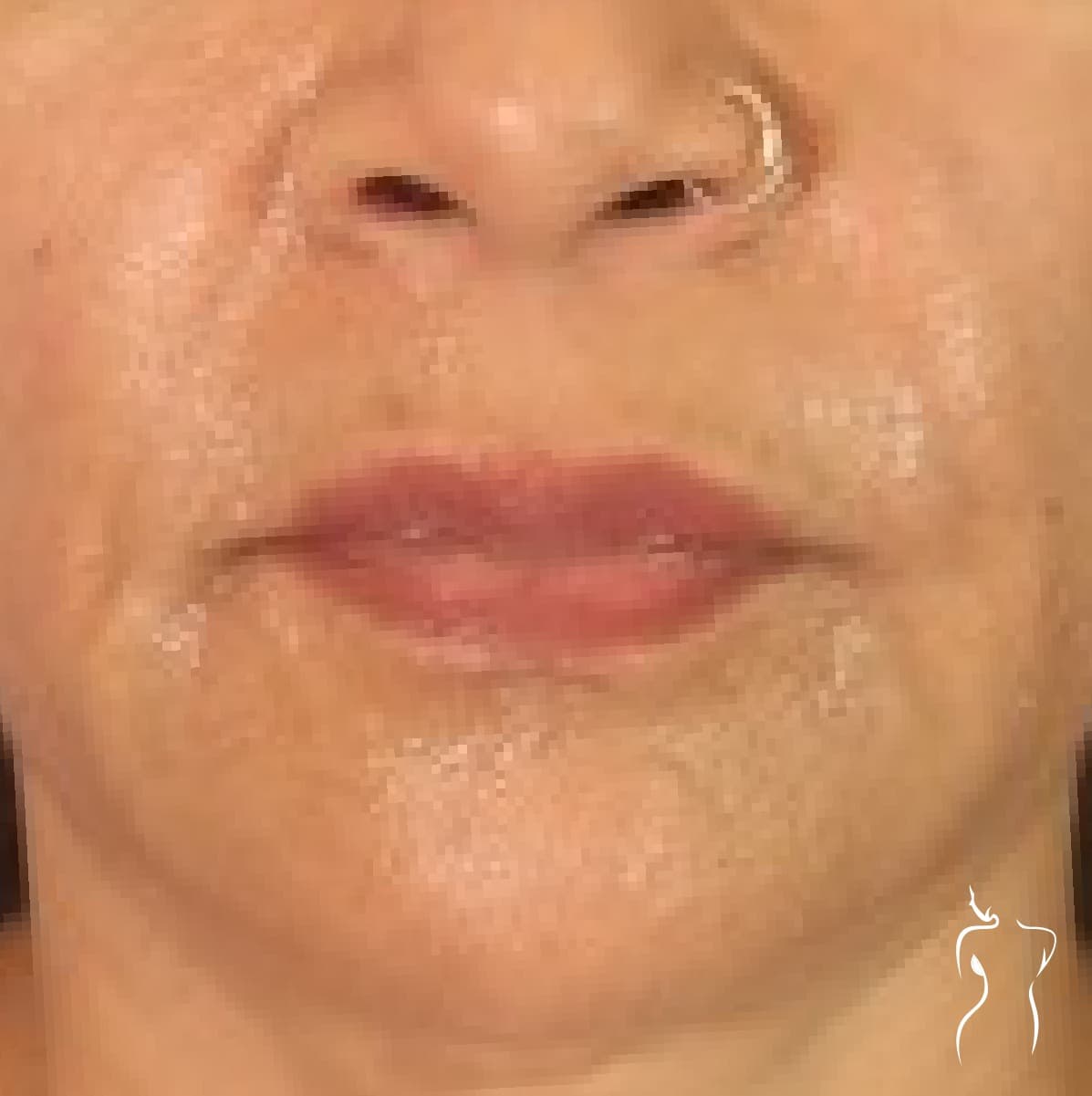
Results vary from person to person. The right comparison starts with your anatomy and your goals, in consultation.
The treatment
Non-surgical care in a plastic surgeon's practice.
Start with what is actually missing. Hyaluronic acid is a substance your body already makes, and with age the face loses collagen, fat, and hyaluronic acid together. Cheeks flatten, the area under the eyes hollows, lips thin, and the folds from nose to mouth deepen because the support behind them has gone. Filler replaces that support directly.
Product follows area: each Juvederm formulation has a thickness and flexibility suited to specific tissue, and matching them is where results are made. Because hyaluronic acid is naturally compatible with human tissue, allergic reaction is rare.
Comfort is engineered rather than endured. Topical numbing goes on first, the filler itself carries lidocaine, and Dr. Day injects alongside a vibration device that occupies the nerves during placement. Most patients describe pressure rather than pain.
Restraint is enforced by the person holding the syringe. Dr. Day will not overfill; the goal is structure restored, never volume announced. And because the fillers are hyaluronic acid, the work is reversible with hyaluronidase if you ever want it undone.
The product map
Matched by area, with honest durations.
Lips
Ultra XC and Volbella for shape and volume, lasting roughly six to twelve months.
Cheeks & midface
Voluma restores the projection that anchors a youthful face, lasting twelve to eighteen months.
Folds & lines
Vollure softens nasolabial folds for twelve to eighteen months.
Under-eye hollows
The most technically demanding area on the map, and the one where candidacy is refused most often. Thin skin and a shallow plane leave no margin for excess.
Sculptra
A collagen biostimulator for gradual, whole-face volume built over a treatment series.
Is it right for you
Good candidates are bothered by volume loss, flattening, or deepening folds — the changes fillers actually address. Dynamic expression lines belong to Botox, and significant laxity belongs to surgery; the consultation is honest about which is which.
The distinction worth holding onto: filler restores volume, it does not lift. When a cheek has descended rather than deflated, adding product to it makes a heavier cheek in the same low position. That is how faces end up looking full and still tired, and it is the most common way filler goes wrong. If what your face needs is repositioning, you will be told so here, by a surgeon who performs the operation that does it.
Injectable treatment is deferred during pregnancy and breastfeeding.
What to expect
Some swelling and possible bruising for twenty-four to forty-eight hours; most patients are fully presentable the next day. Lips swell the most and the most visibly, so treat the first two days as part of the plan rather than a surprise. Skip strenuous exercise, alcohol, and heat exposure such as saunas and hot yoga for the first day.
The refined result reads at five to fourteen days once early swelling settles, and touch-ups keep it calibrated as the product softens over its lifespan. Judge nothing at day two; the face you are looking at is not the result.
Patient Voices
Individual results vary. Quotes are verbatim excerpts from reviews published by patients.
“I received facial filler treatment from him and he made the entire process comfortable and as painless as it gets for injections. He explained everything and answered my questions thoroughly. Along with numbing cream etc, he uses a small face massage device as he's injecting to distract the nerves which helped A LOT”
“My experience was 5 star from Sophia at reception to Dr Day, who expertly advised on filler products to match my treatment goals.”
Questions, answered
The rest belong in a conversation. Consultations are unhurried by design.
Which filler do I need?
That is the consultation's job, and the honest answer is a pairing: the product built for your area, at the volume your anatomy carries naturally. The product map above is the starting grid; your face writes the plan.
Who performs the injections?
Dr. Day, personally, at every visit. Filler placement is anatomy work — vessels, planes, and proportions — and it is not delegated here.
Will I look overdone?
No — restraint is the house style. Overfilling is the most common filler mistake in the market, and declining to do it is a design principle, not a limitation.
Can fillers be reversed?
Hyaluronic-acid fillers dissolve with hyaluronidase. It is the built-in undo that makes filler a low-commitment way to preview change, and it is the main safety advantage hyaluronic acid holds over permanent and semi-permanent alternatives. One honest caveat: dissolving is itself a clinical procedure, booked and performed like any other, not an on-demand reset.
What about filler under my eyes?
It is on the menu and it is the area where candidacy is declined most often. The skin there is thin, the plane is shallow, and product that would go unnoticed in a cheek shows as puffiness or a bluish cast under an eye. When the hollow is a shadow cast by a cheek that has descended, filling the hollow is the wrong move. Expect a direct answer rather than an upsell.
Sculptra or hyaluronic-acid filler?
They work on different clocks. Hyaluronic acid adds volume the day it is placed and can be dissolved. Sculptra is poly-L-lactic acid: it prompts your own collagen to build gradually over several months across a series, which suits whole-face volume loss rather than one feature. It also cannot be dissolved, so it asks for more commitment up front.
Filler or surgical lip augmentation?
Filler previews and maintains; fat transfer and surgical options last. Many patients start with filler and graduate once they know what they love. Both paths live in this practice, so the advice is not biased toward either.
Does it hurt?
Less than expected — the filler itself carries lidocaine, and comfort techniques do the rest. Most visits are easier than a dental cleaning.
How much do fillers cost?
Fillers run from $499 to $1,999 by product and syringe count, quoted plainly before treatment, with no facility or anesthesia fees. Touch-up planning is part of the conversation so costs stay predictable.