Gynecomastia Surgery in Bellevue
Gynecomastia is enlarged male breast tissue, and no amount of gym time removes a gland. Surgery does, in a single outpatient operation.
The first question is diagnostic: true gynecomastia is firm, disc-like tissue beneath the nipple; soft fullness is usually fat. The exam answers it in minutes, and the answer decides the operation. Both can be present at once, which is why the plan often combines two techniques rather than choosing between them.
For many men this is quiet, consequential surgery — the end of avoiding pools, locker rooms, and fitted shirts.





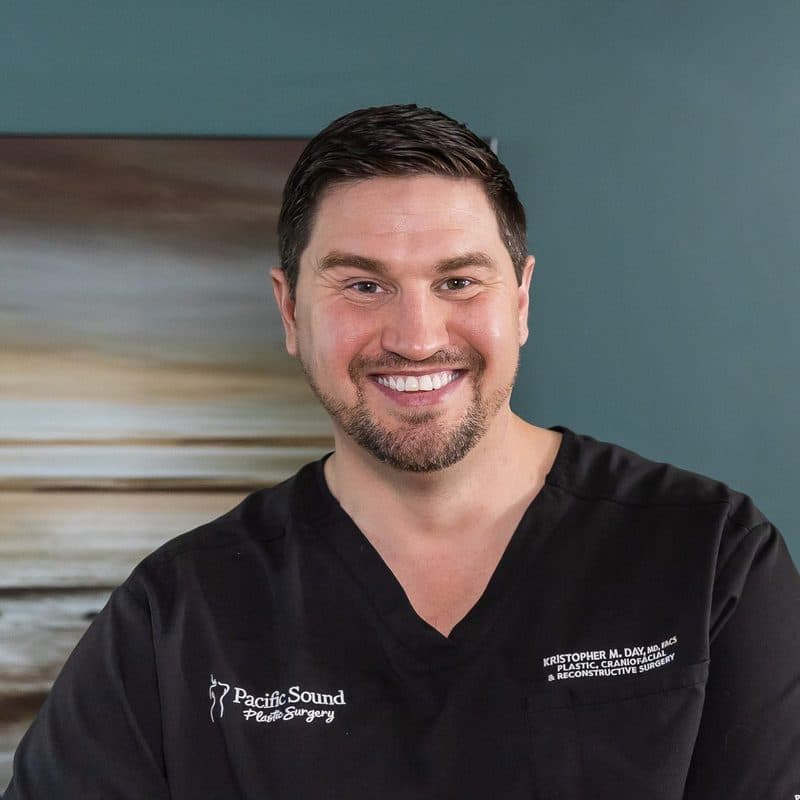
Your surgeon
Dr. Kristopher Day is certified by the American Board of Plastic Surgery and the American Board of Surgery, fellowship-trained in craniofacial surgery, and a member of the American Society of Maxillofacial Surgeons.
Meet Dr. DayGynecomastia
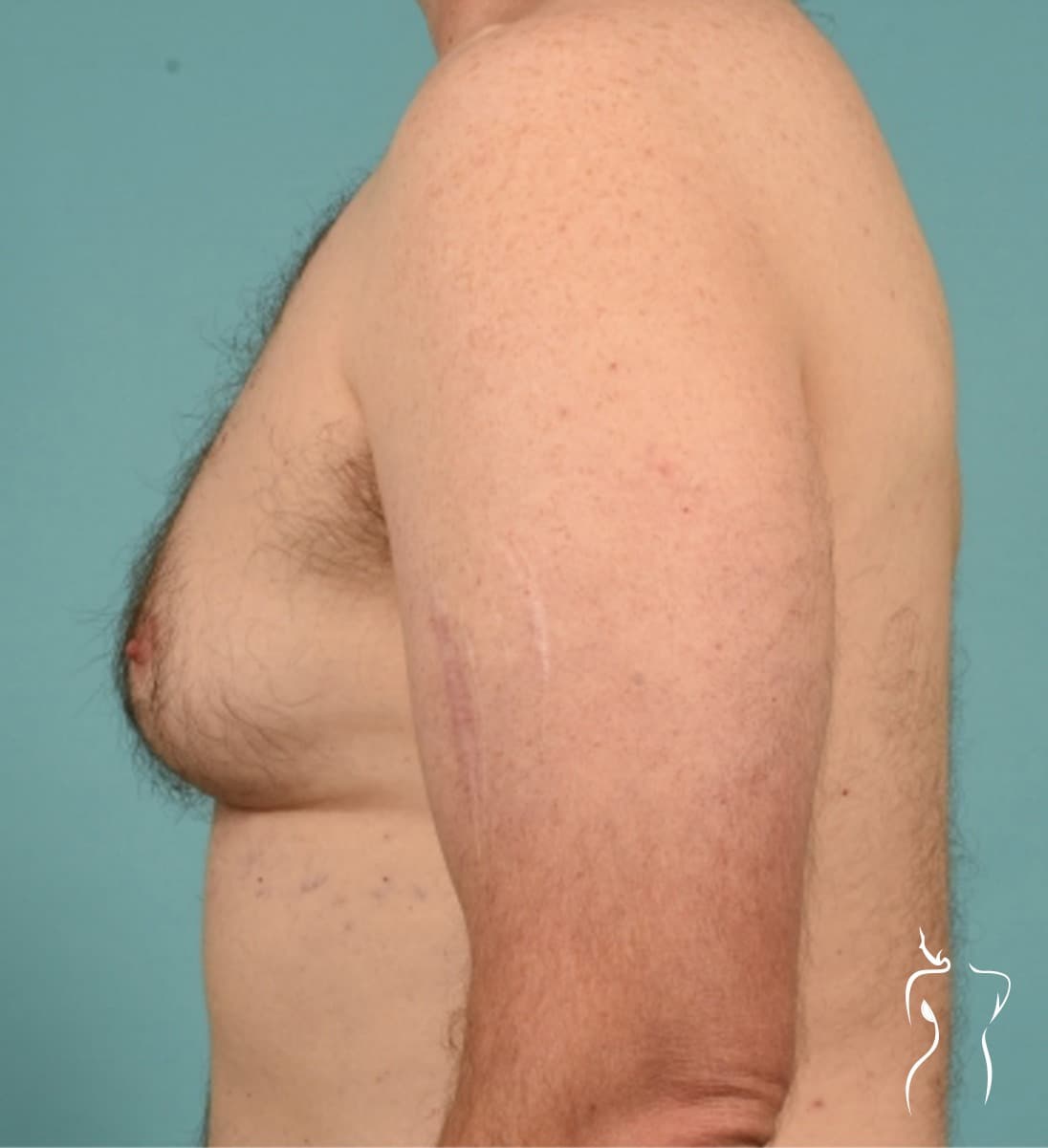
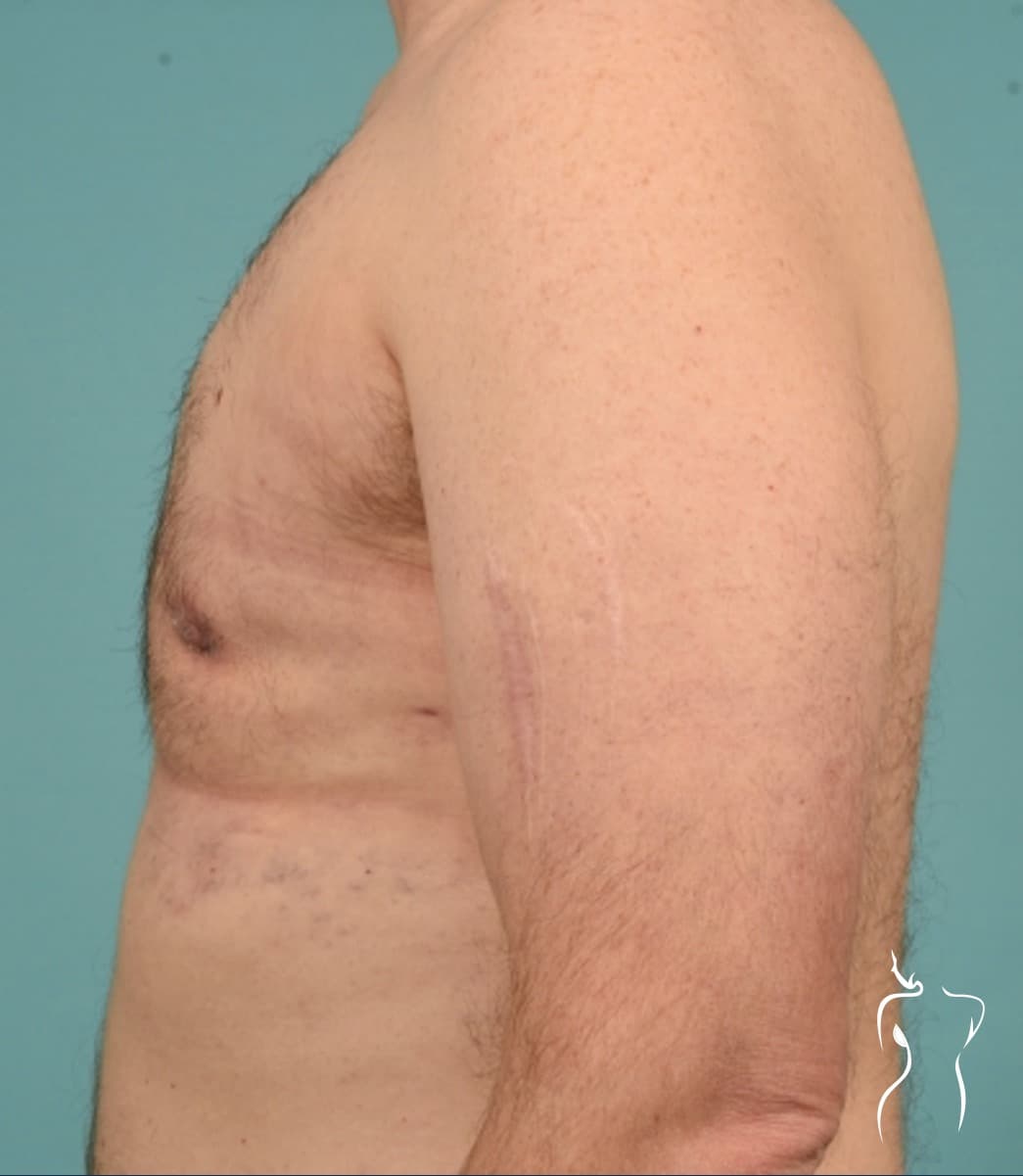
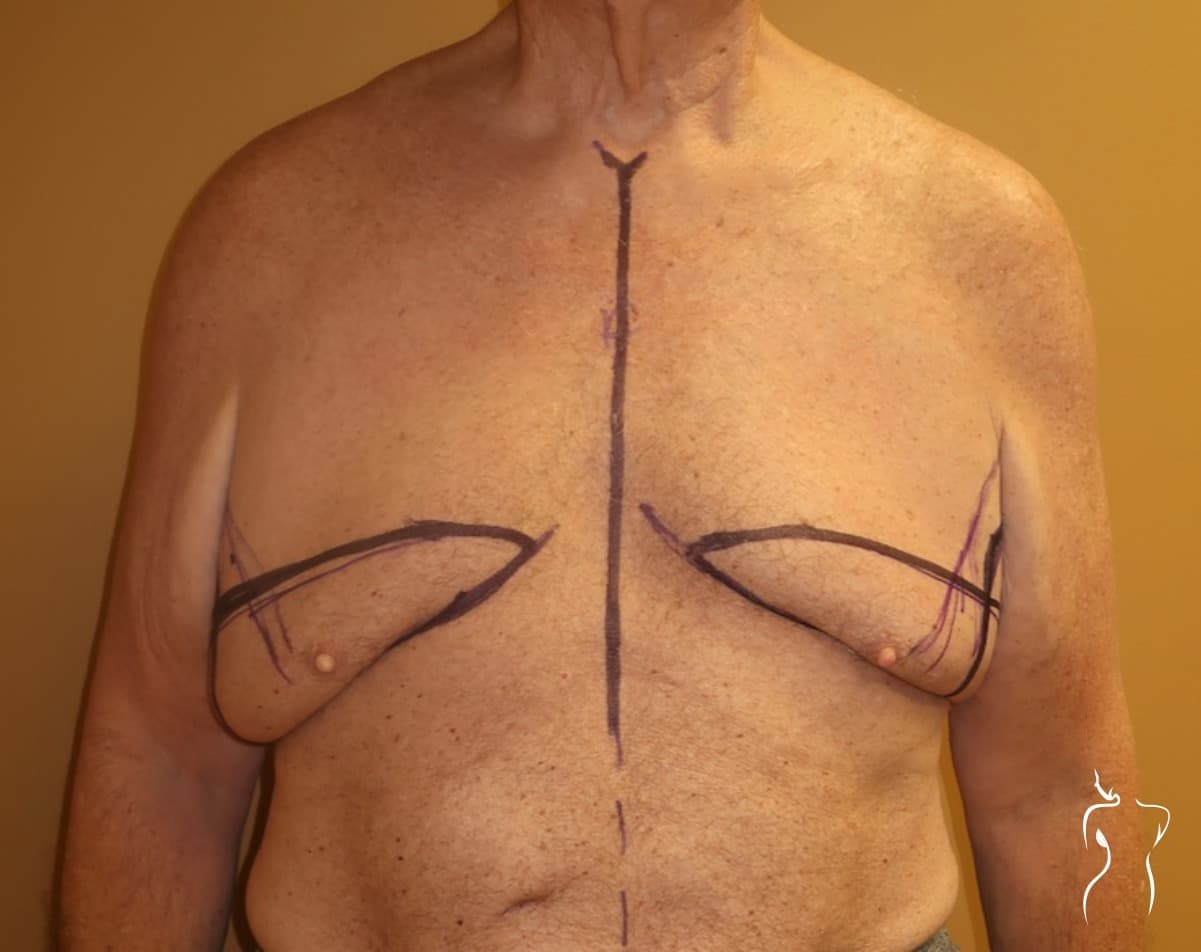
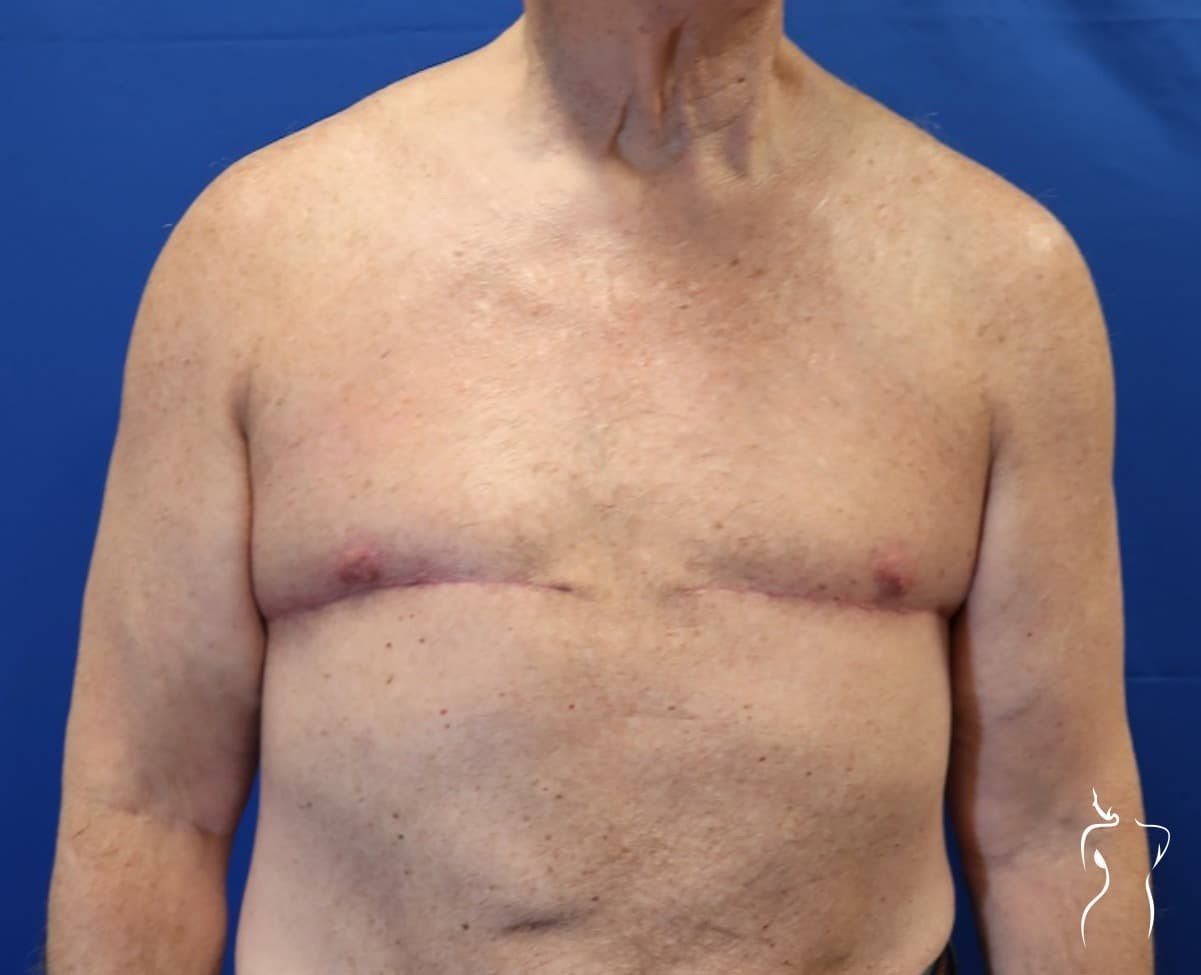
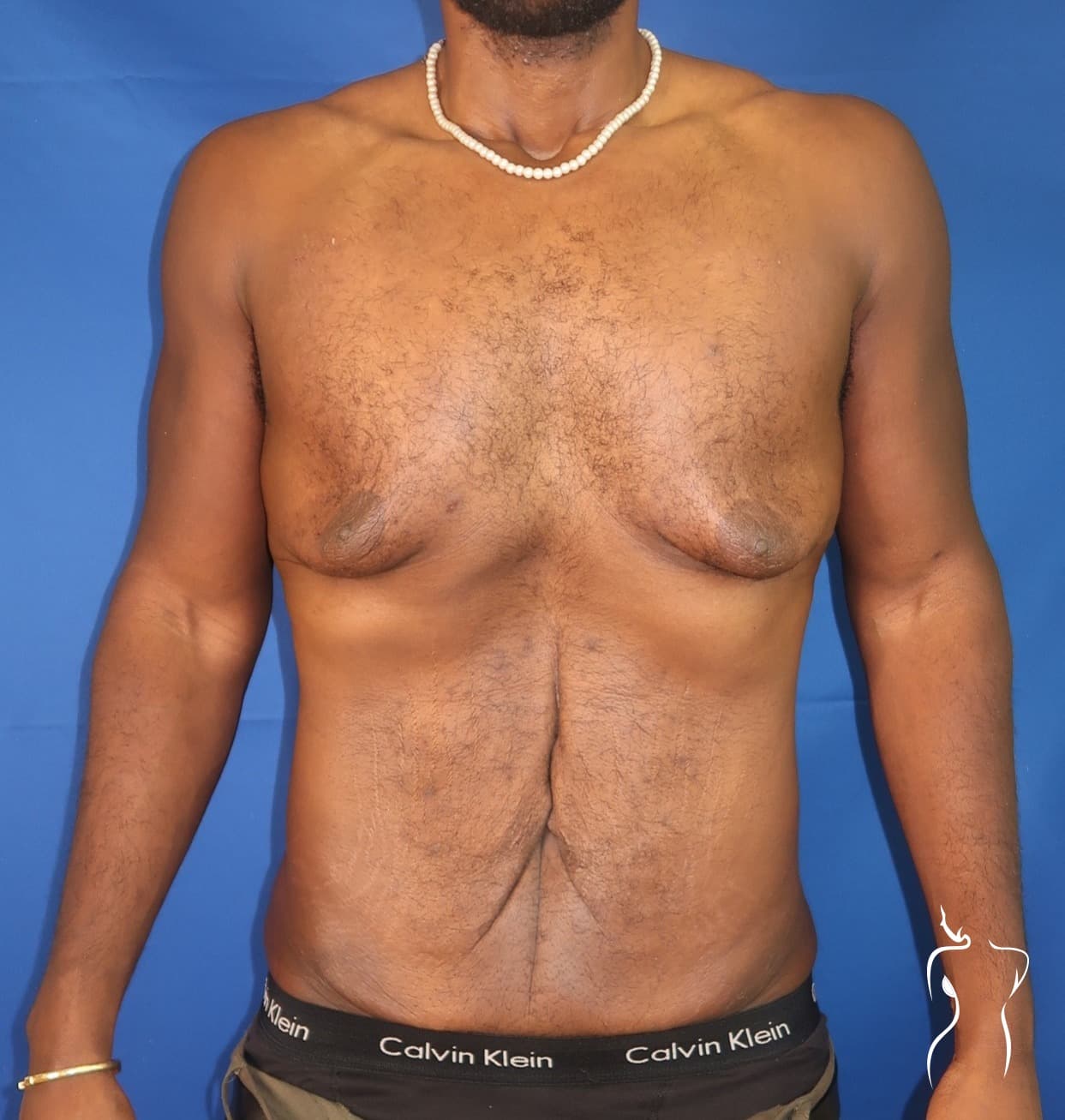
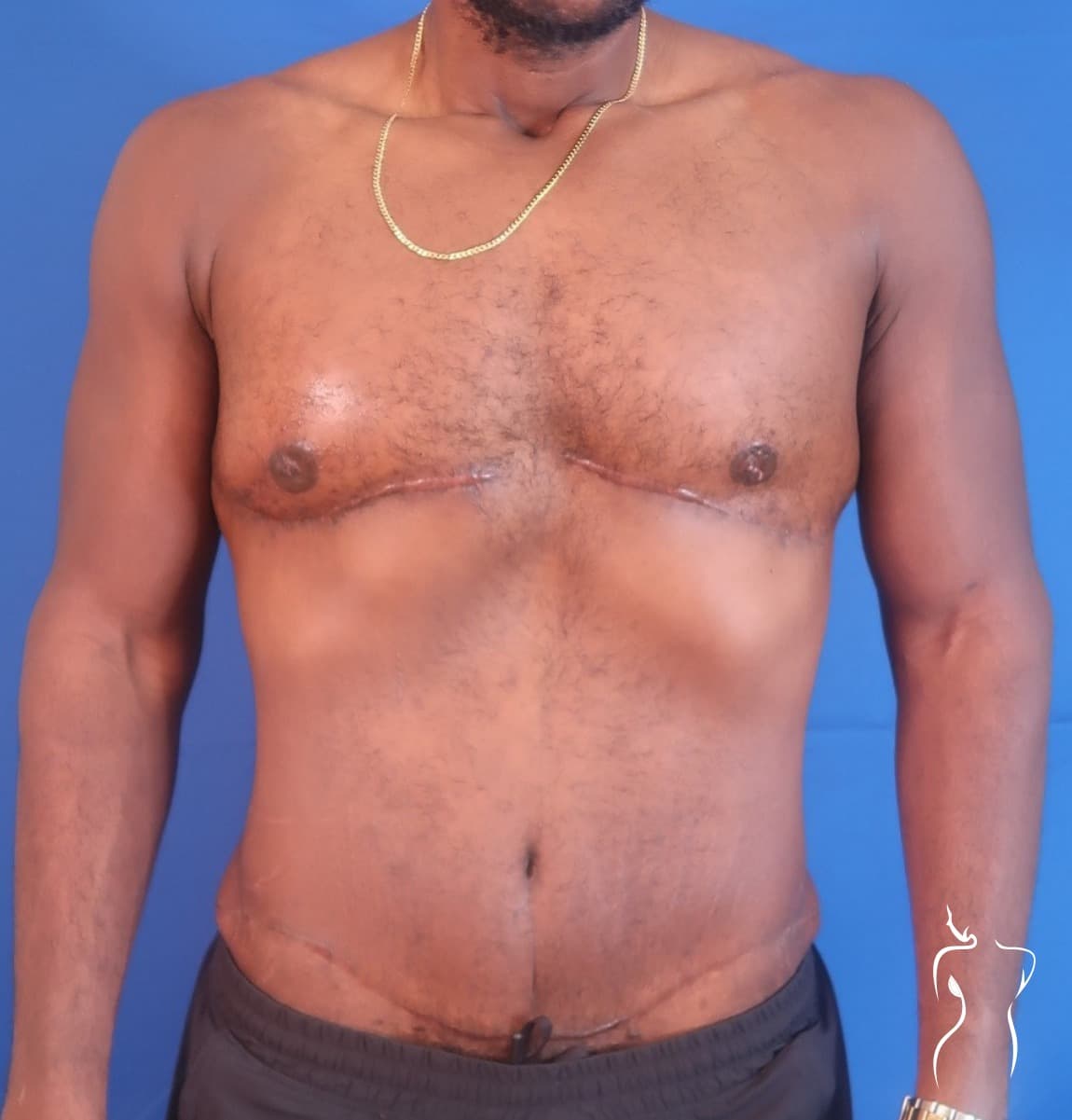
Results vary from person to person. The right comparison starts with your anatomy and your goals, in consultation.
See results like these in person. Plan a consultation with Dr. Day.
The operation
Every consultation — and every operation — is with Dr. Day.
Glandular tissue is removed through a discreet incision at the lower edge of the areola; fat is contoured through small liposuction access points. Most cases combine both.
Where skin quality needs help after larger corrections, Dr. Day adds radio-frequency skin tightening. Grading at the exam sets the plan, and lipo-only cases skip the areolar incision entirely. Energy-based tools are used where they add something and left out where they do not — not every chest needs them.
The exam grades the tissue formally, using the Simon classification, which sorts gynecomastia by how much enlargement is present and whether excess skin is part of the problem. That grade is what decides whether the answer is liposuction alone, excision alone, both together, or both plus skin tightening — and it is why two men with similar-looking chests can be offered different operations.
Surgery is outpatient under general anesthesia at an accredited facility. Preparation is ordinary: certain medications, supplements, and anti-inflammatories stop beforehand, nicotine stops at least four weeks out, and someone drives you home and stays the first night.
Gynecomastia surgery is distinct from gender-affirming top surgery, which the practice also performs; the goals and techniques differ, and each gets its own page and plan.
Is it right for you
Adult tissue that has persisted more than two years does not resolve on its own. Adolescent gynecomastia sometimes does, which is why timing is part of the consultation for younger patients.
Candidates are at a reasonably stable weight and in good health. If the tissue is mostly fat, honest advice may point toward liposuction alone or even lifestyle first, and you will hear that plainly.
Recovery
A compression vest follows the 23-and-3 rule: around the clock for at least three weeks, weaned as swelling settles. Desk work resumes within about a week; lower-body cardio returns in weeks one to two.
Chest and upper-body training wait for clearance at the four-to-six-week visit. The final contour settles over three to six months.
How the weeks before and after surgery fit together is covered in the practice's recovery guide.
Plan a consultation with Dr. Day.
Patient Voices
Individual results vary. Quotes are verbatim excerpts from reviews published by patients.
“I had gynecomastia surgery in Feb 2026, after years of research and consults. I went with Dr. Day after getting consultations from 5+ other Seattle area plastic surgeons. … I especially appreciated his honesty and transparency with the procedure details, target results, risks, etc.”
Questions, answered
The rest belong in a conversation. Consultations are unhurried by design.
Is it gland or just fat?
Firm, rubbery tissue directly beneath the nipple is gland; softer, diffuse fullness is usually fat. The physical exam distinguishes them quickly, and the operation is planned to match — excision for gland, liposuction for fat, both for mixed cases.
Will it come back?
Removed gland does not regrow. Significant weight gain or hormonal causes can change the chest again, which is why stability and, where relevant, a medical workup are part of the plan.
What will the scars look like?
The main incision follows the lower edge of the areola, where the color change conceals it; liposuction access points are a few millimeters. Both fade substantially over the first year.
How is this different from top surgery?
Gynecomastia surgery reduces breast tissue while preserving a natural male chest contour; gender-affirming top surgery reconstructs the chest more comprehensively. The practice performs both, and the consultation makes sure you are planning the right one.
Is gynecomastia surgery covered by insurance?
Occasionally, when a documented medical cause exists and a primary-care referral supports it. Most cosmetic cases are self-pay, starting from $6,500, with CareCredit and Alphaeon financing available.
Financing OptionsWhen can I train chest again?
Lower-body cardio returns within a week or two; chest and upper-body work wait for clearance at the four-to-six-week follow-up so the result heals undisturbed.
How common is gynecomastia?
Very — most surgeons see it across every age group, and it is one of the most common reasons men seek plastic surgery. Commonness does not make it comfortable to live with, which is why the operation exists.