Breast Augmentation in Bellevue
Breast augmentation is planned around proportion: your frame, your tissue, and the silhouette you want, translated into an implant choice measured in cubic centimeters rather than cup sizes.
At consultation you work through the decision with high-resolution imaging and in-office sizers, so the size you choose is one you have already seen on your own body.
Dr. Day plans every augmentation personally, and the same judgment that guides his reconstructive breast work guides the aesthetic plan.



Your surgeon
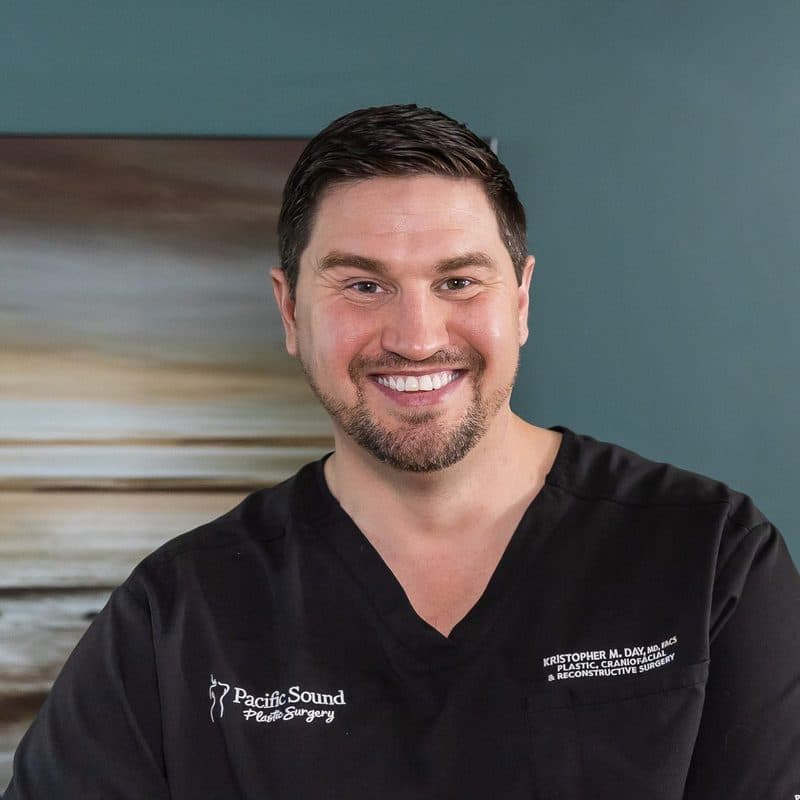
Dr. Kristopher Day is certified by the American Board of Plastic Surgery and the American Board of Surgery, fellowship-trained in craniofacial surgery, and a member of the American Society of Maxillofacial Surgeons.
Meet Dr. DayBreast Augmentation
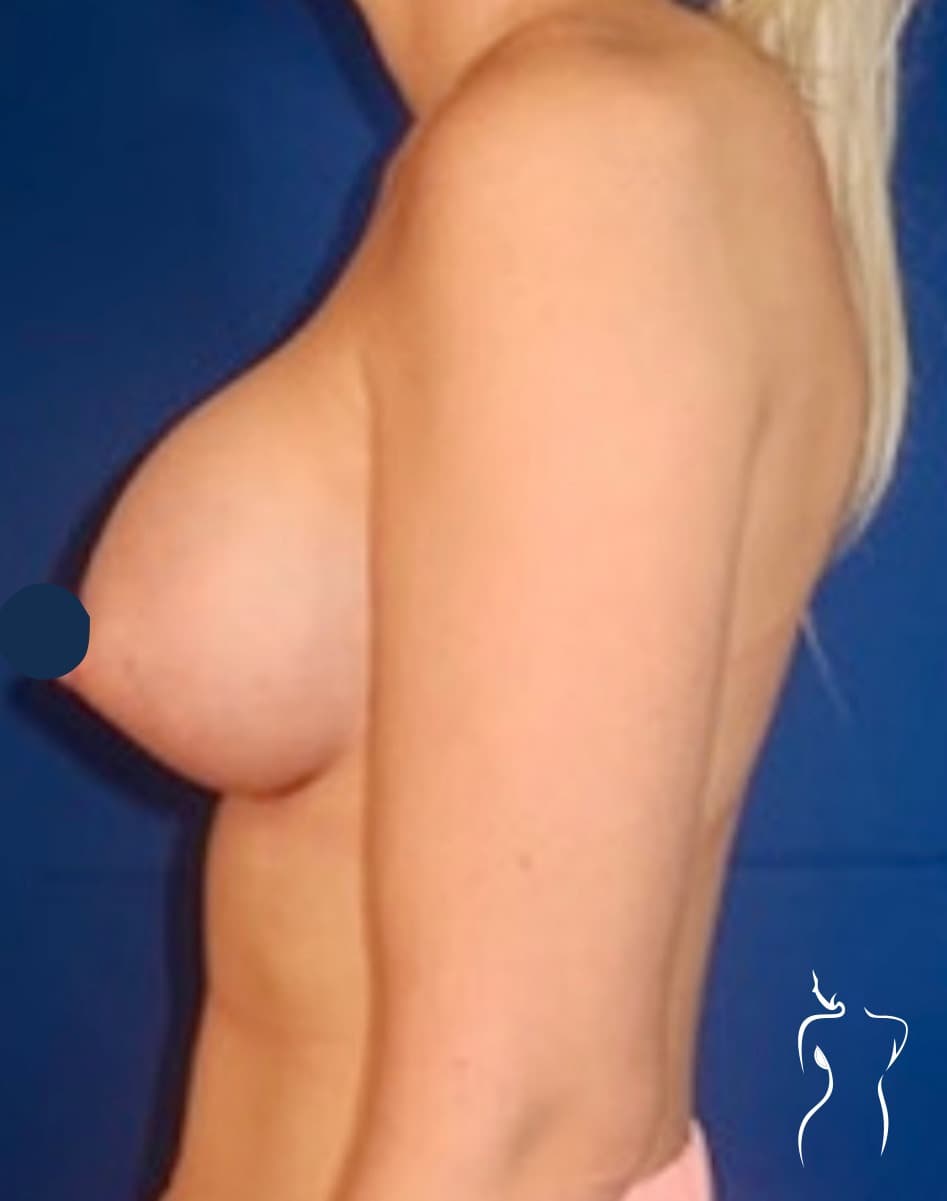
Show all 11 resultsShow fewer
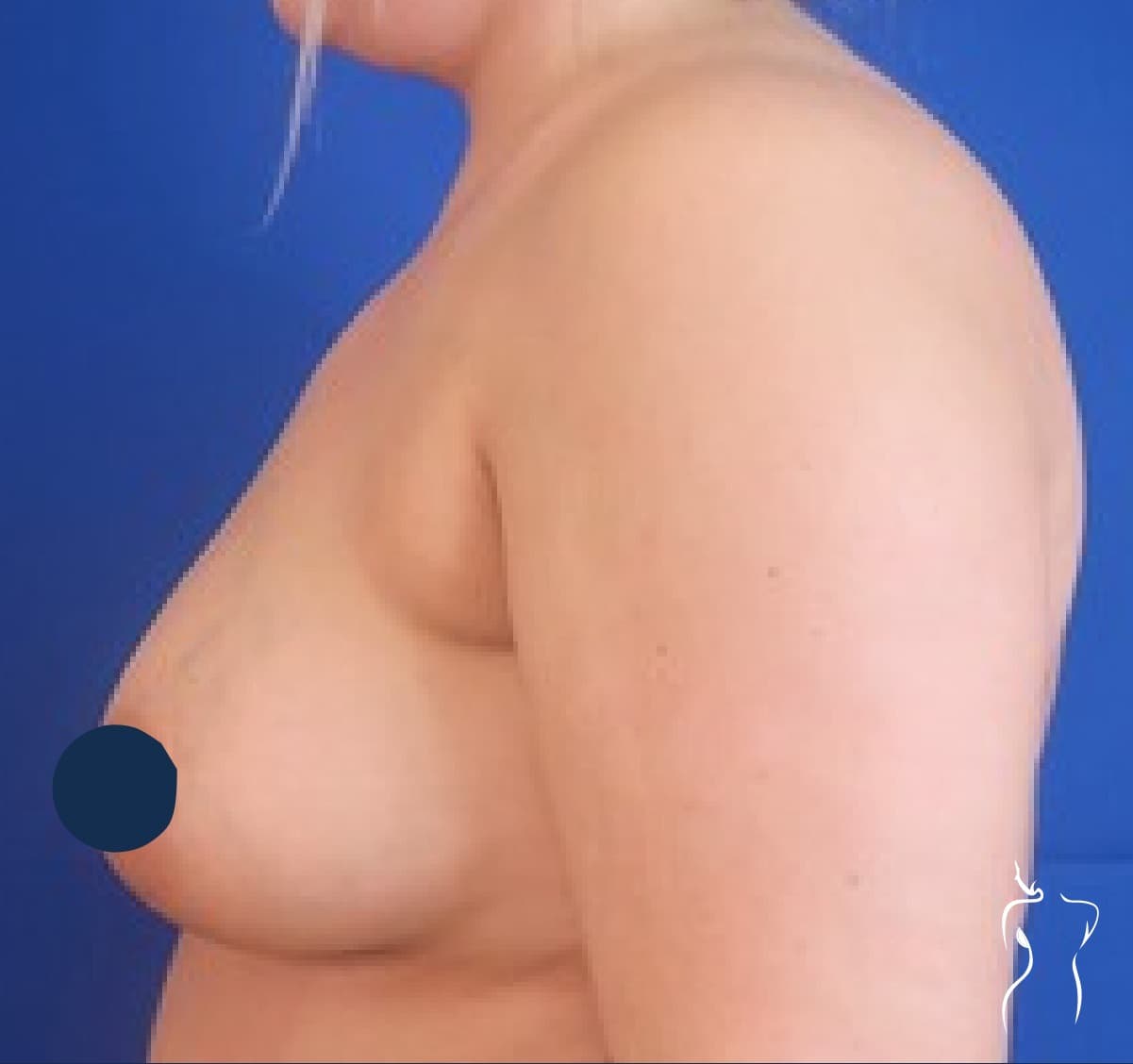
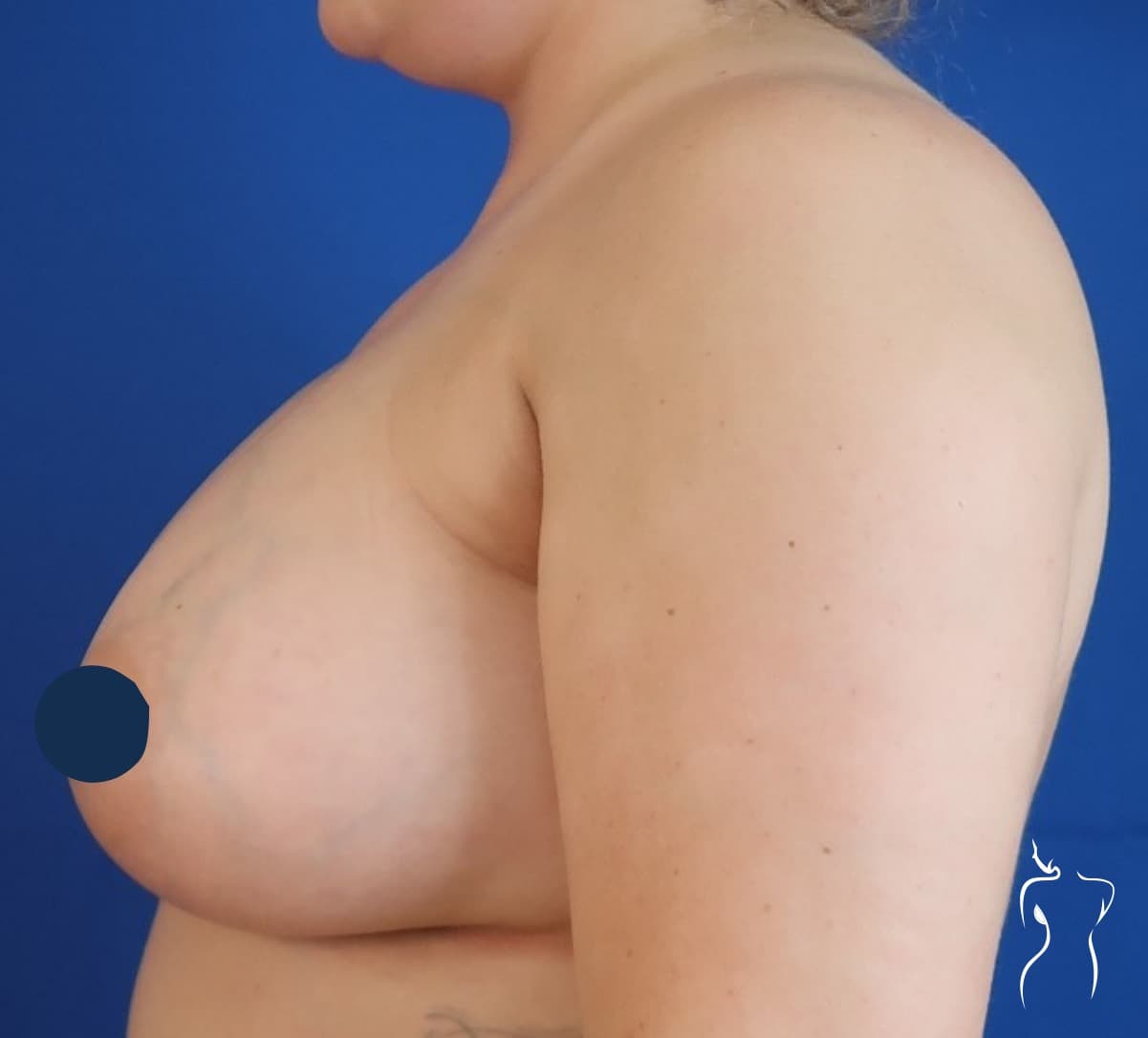
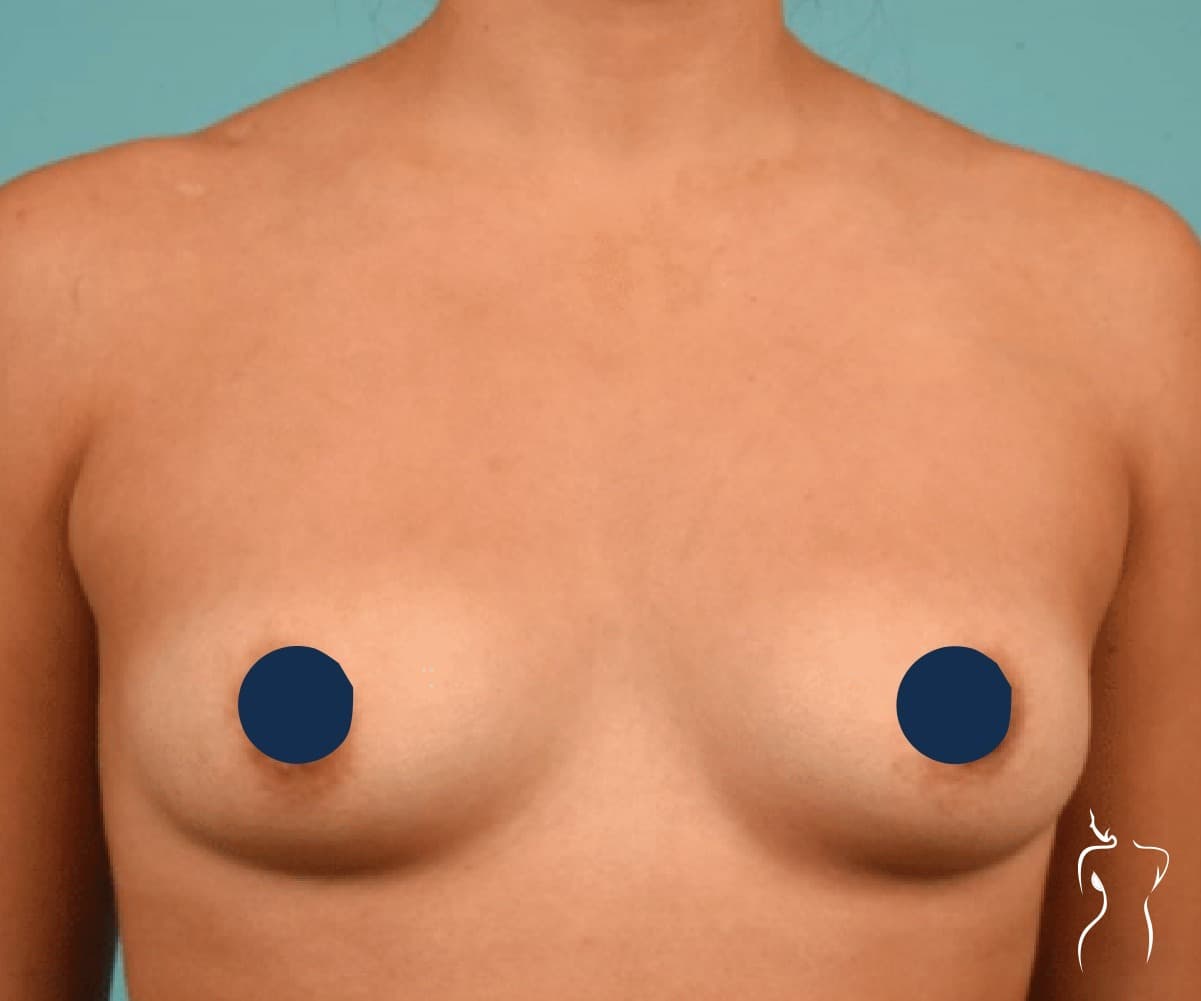
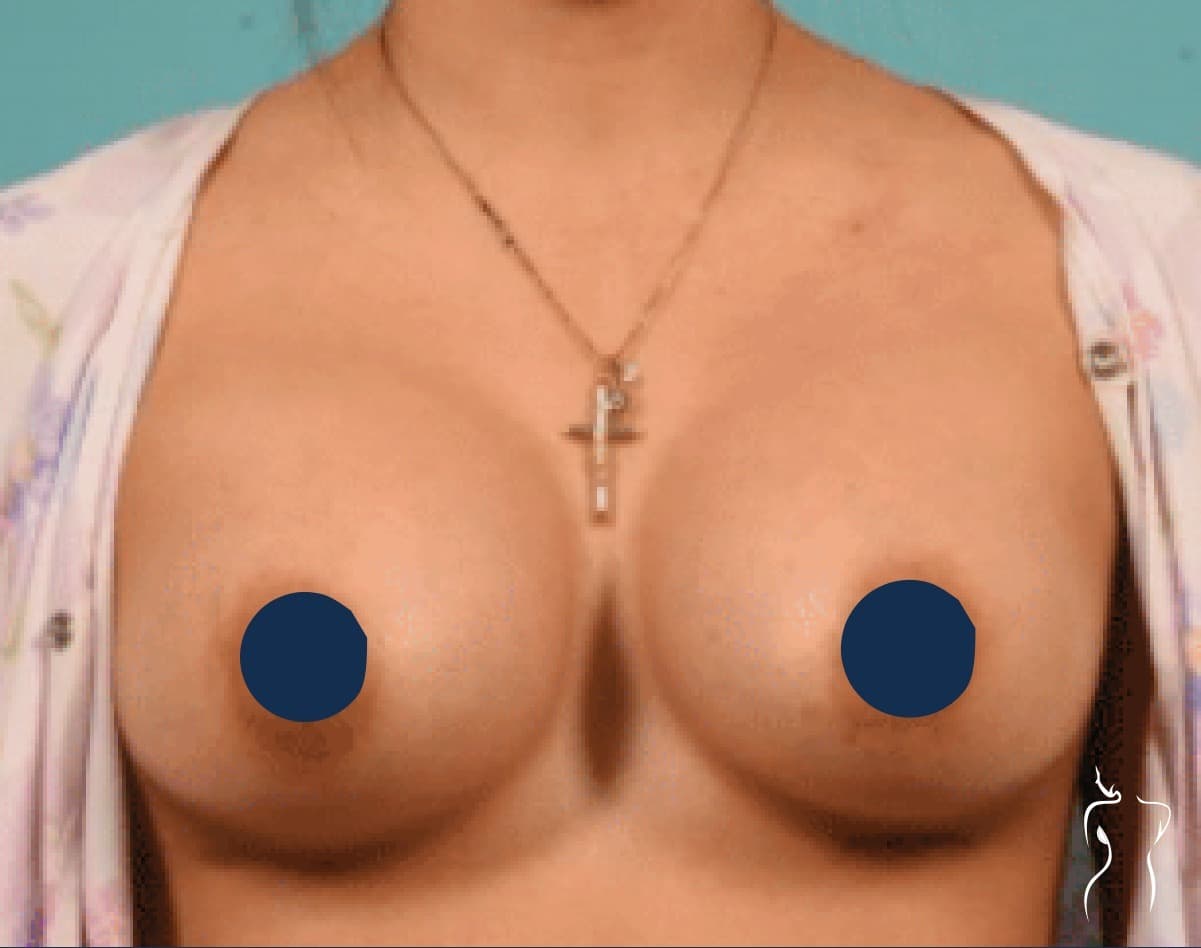
Smooth silicone, submuscular
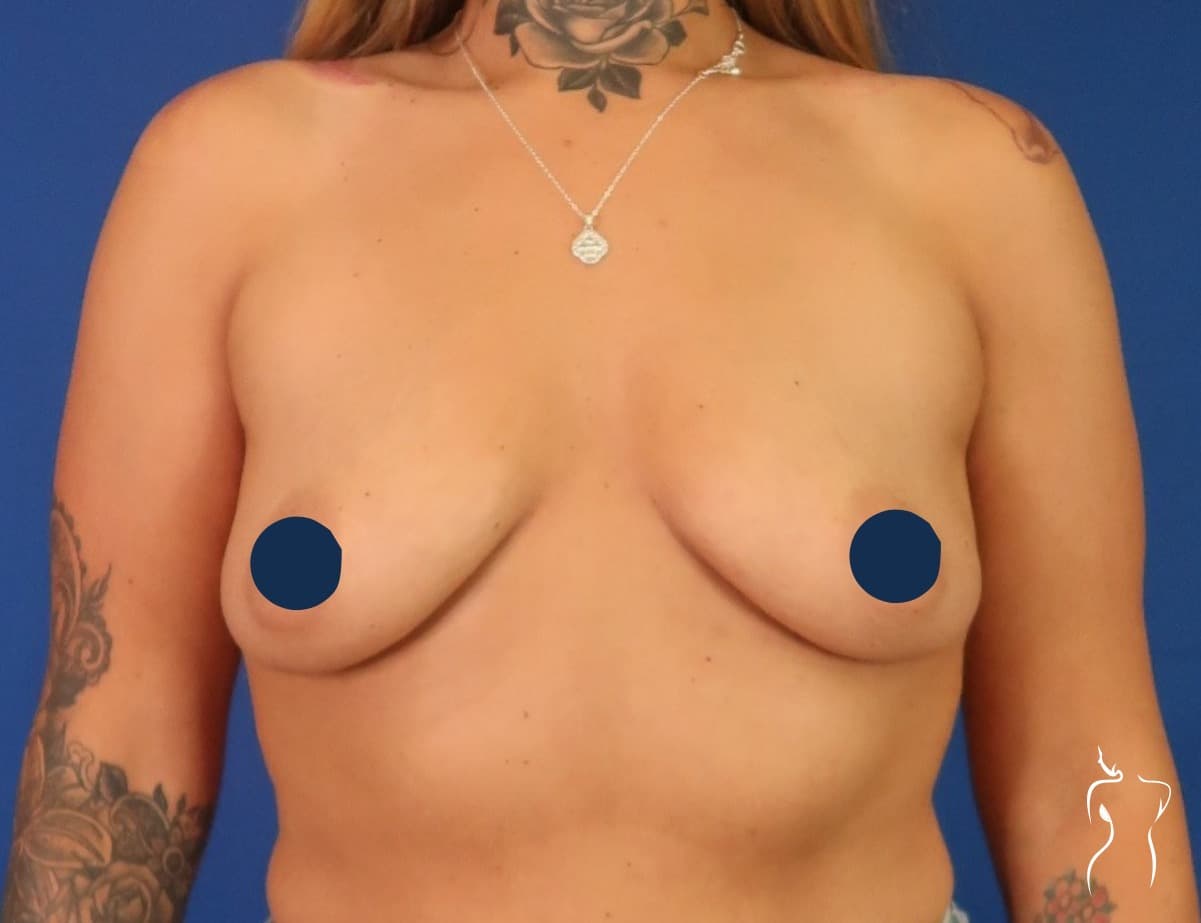
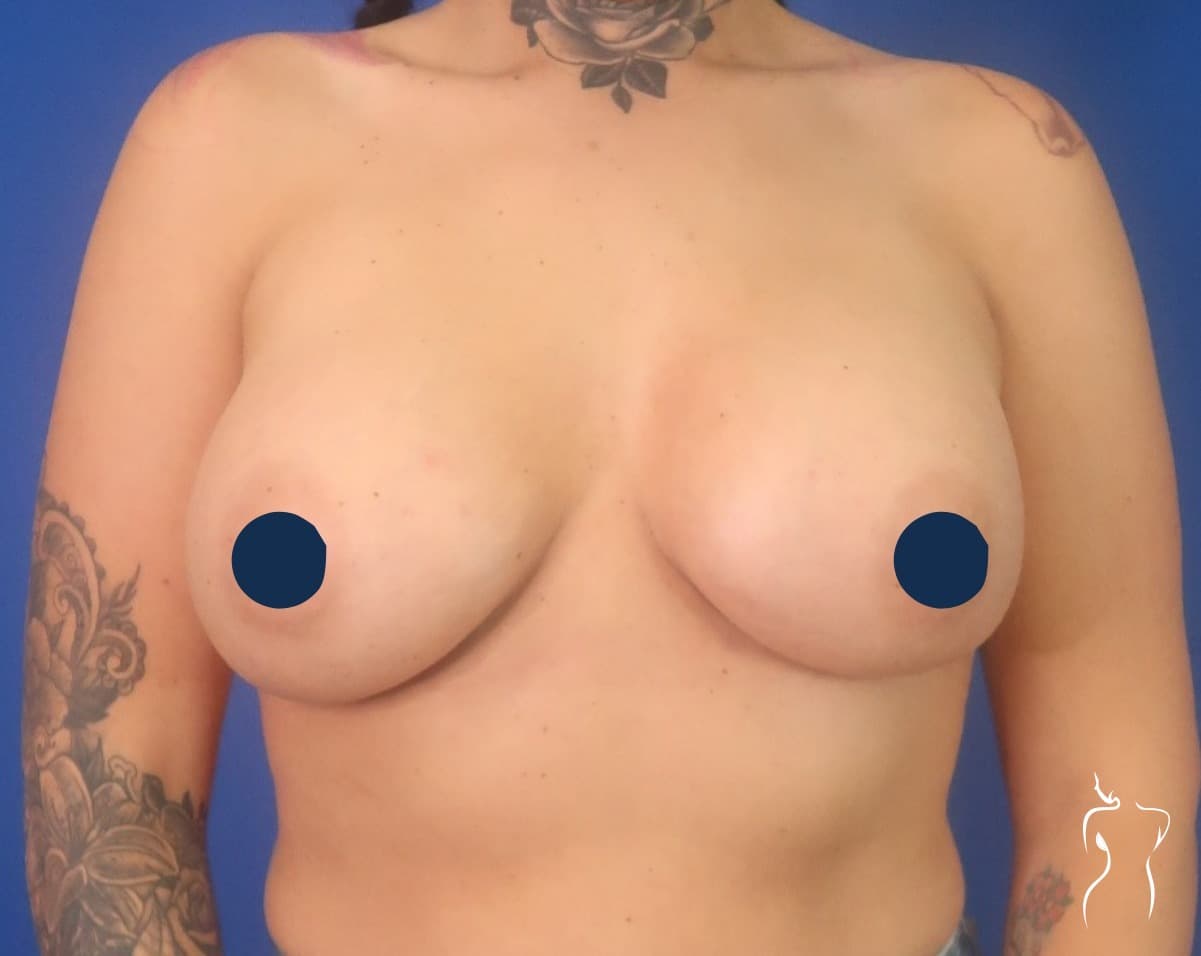
600 cc smooth silicone submuscular
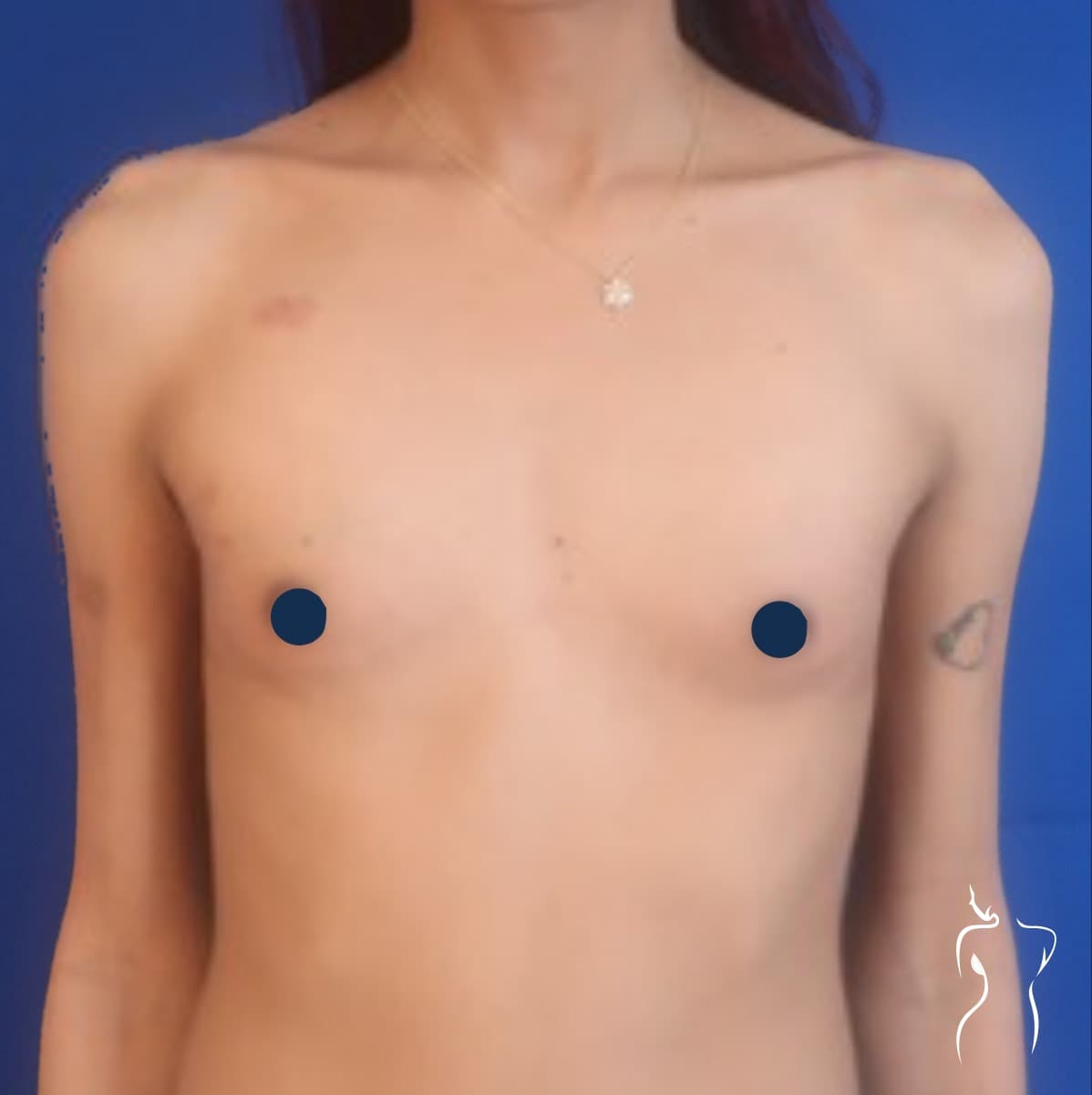
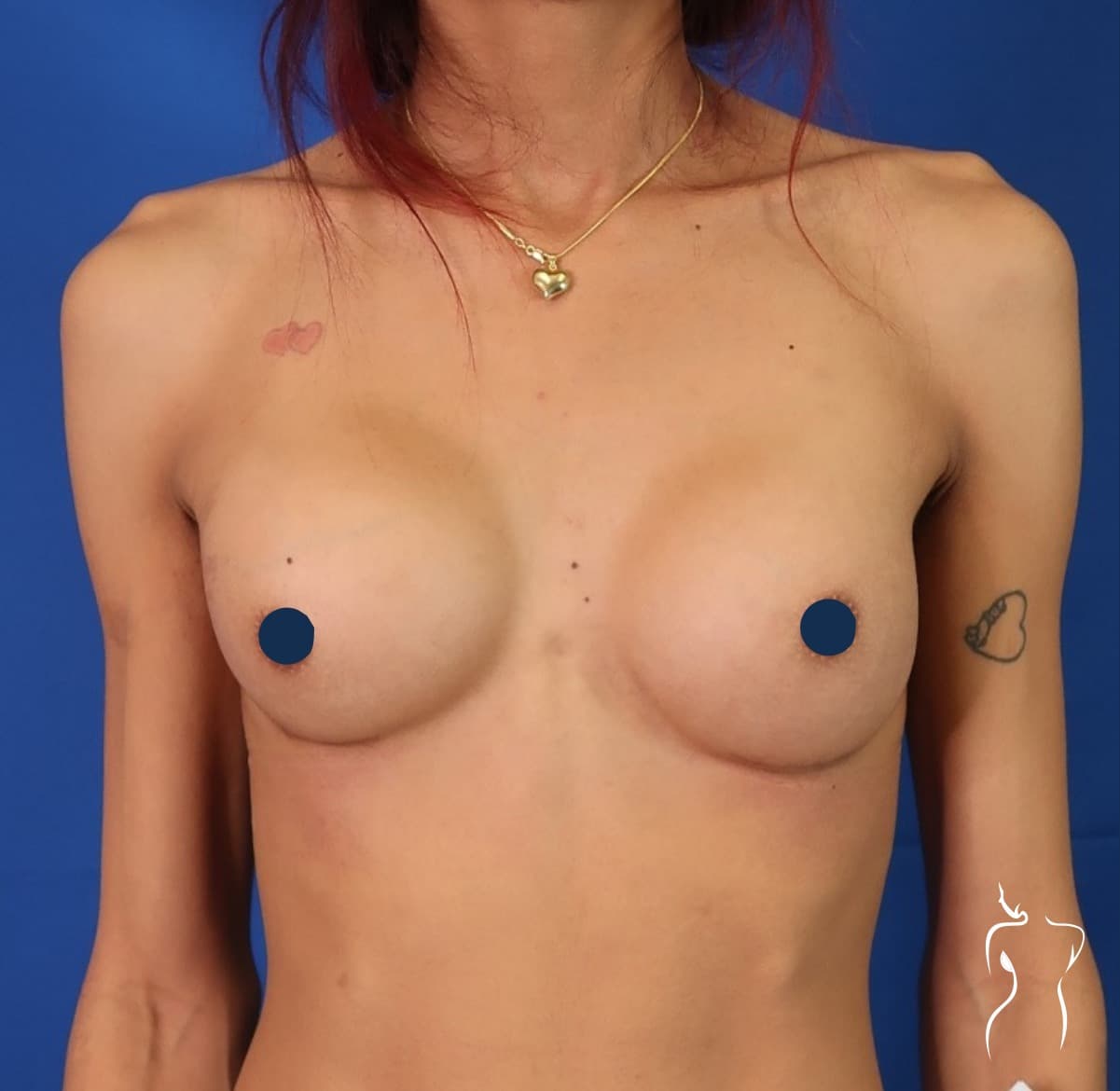
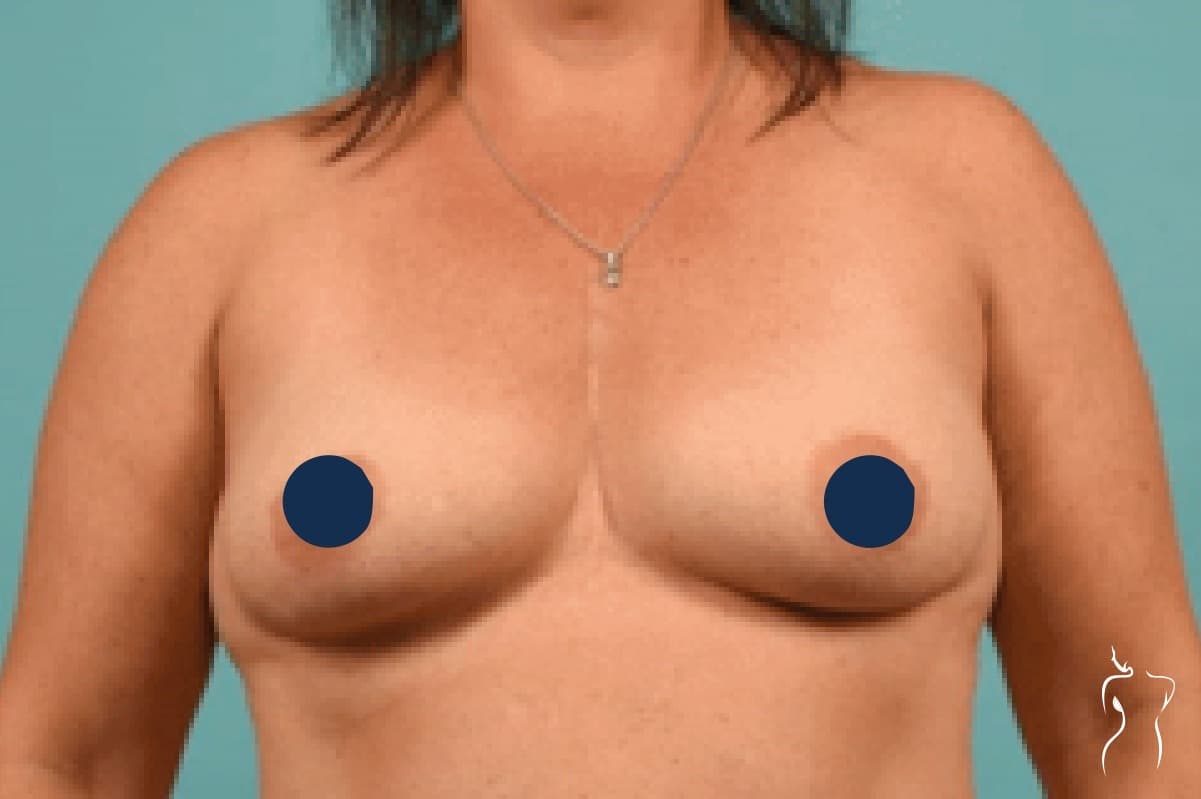
300 cc smooth silicone submuscular
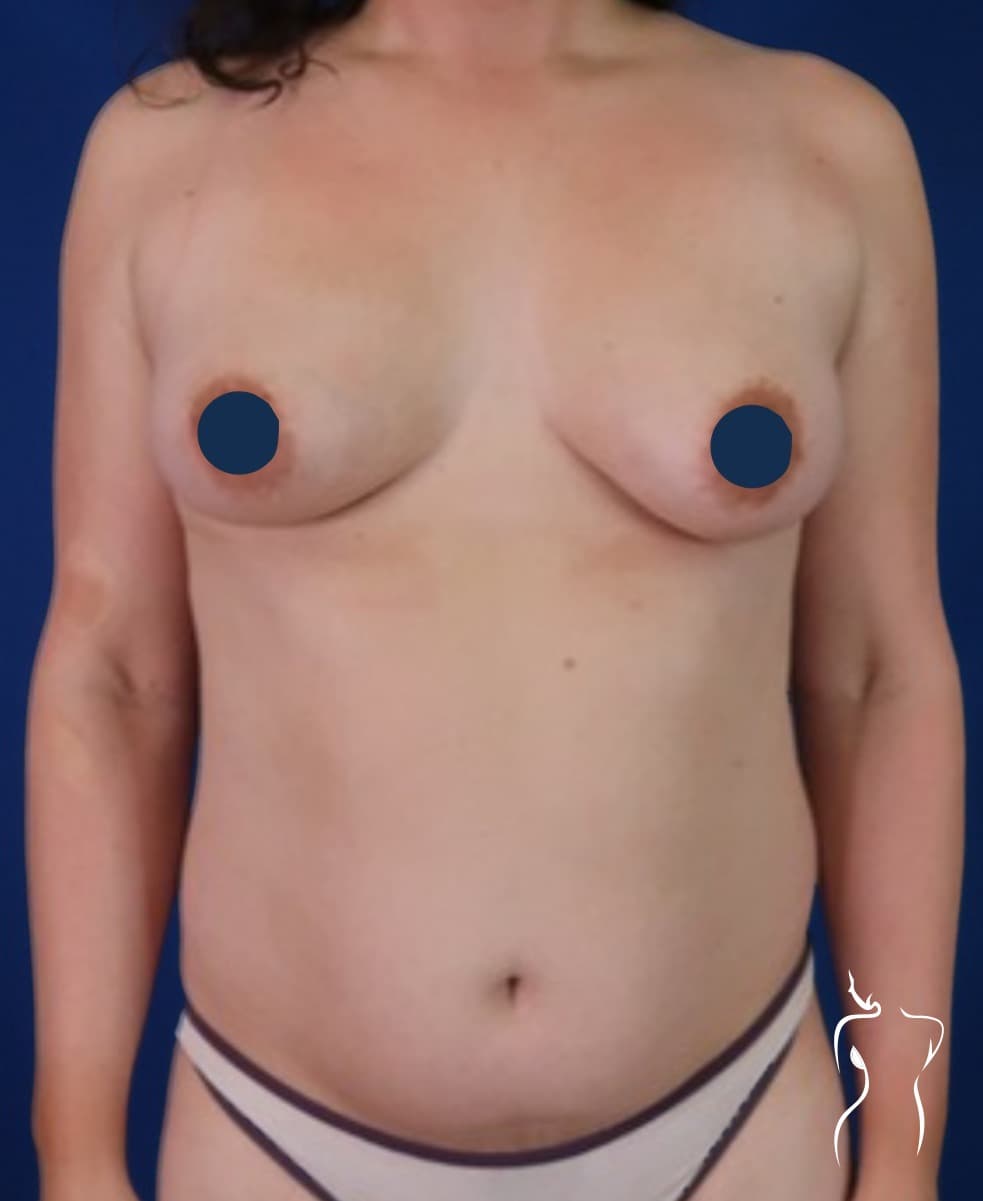
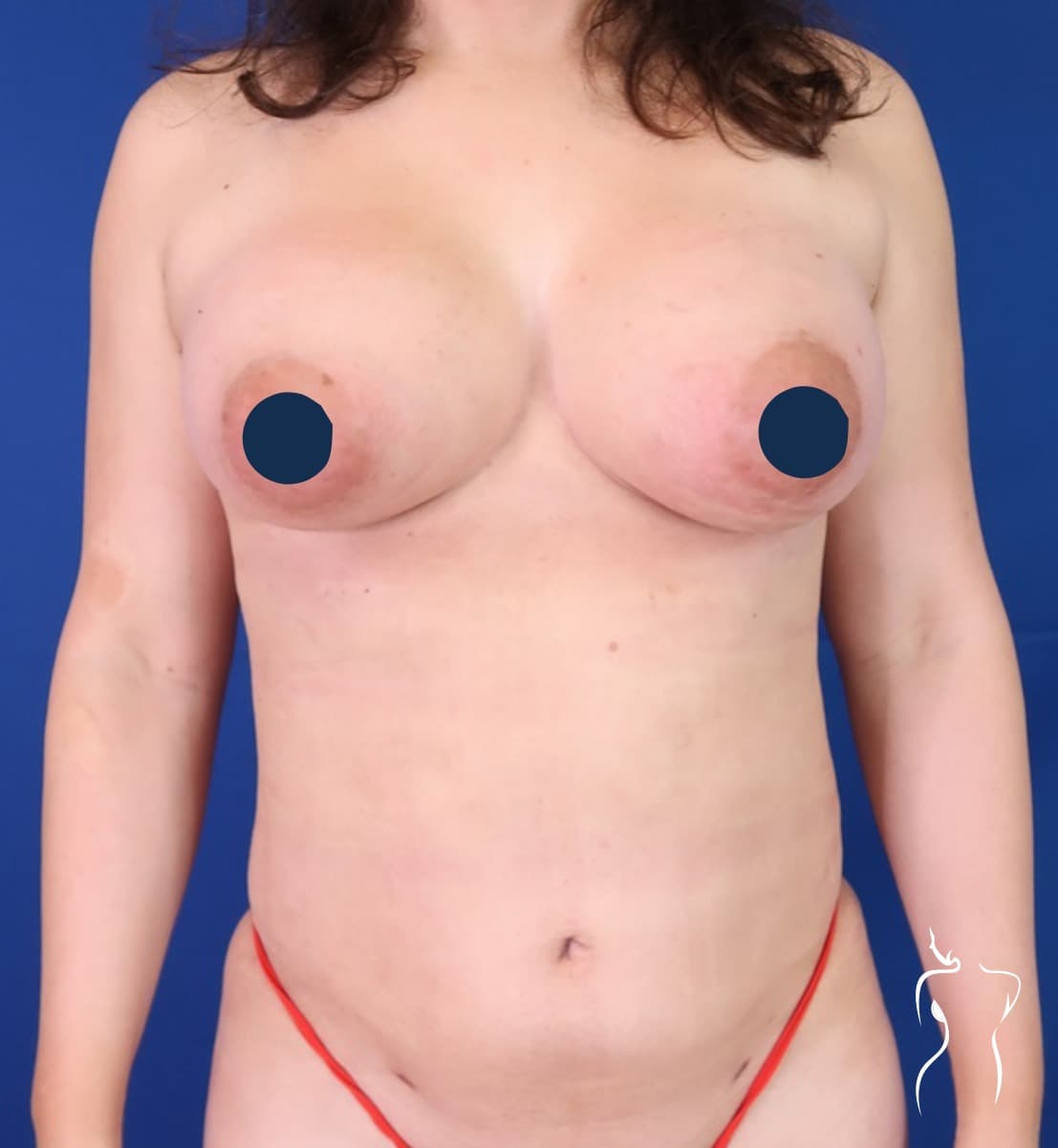
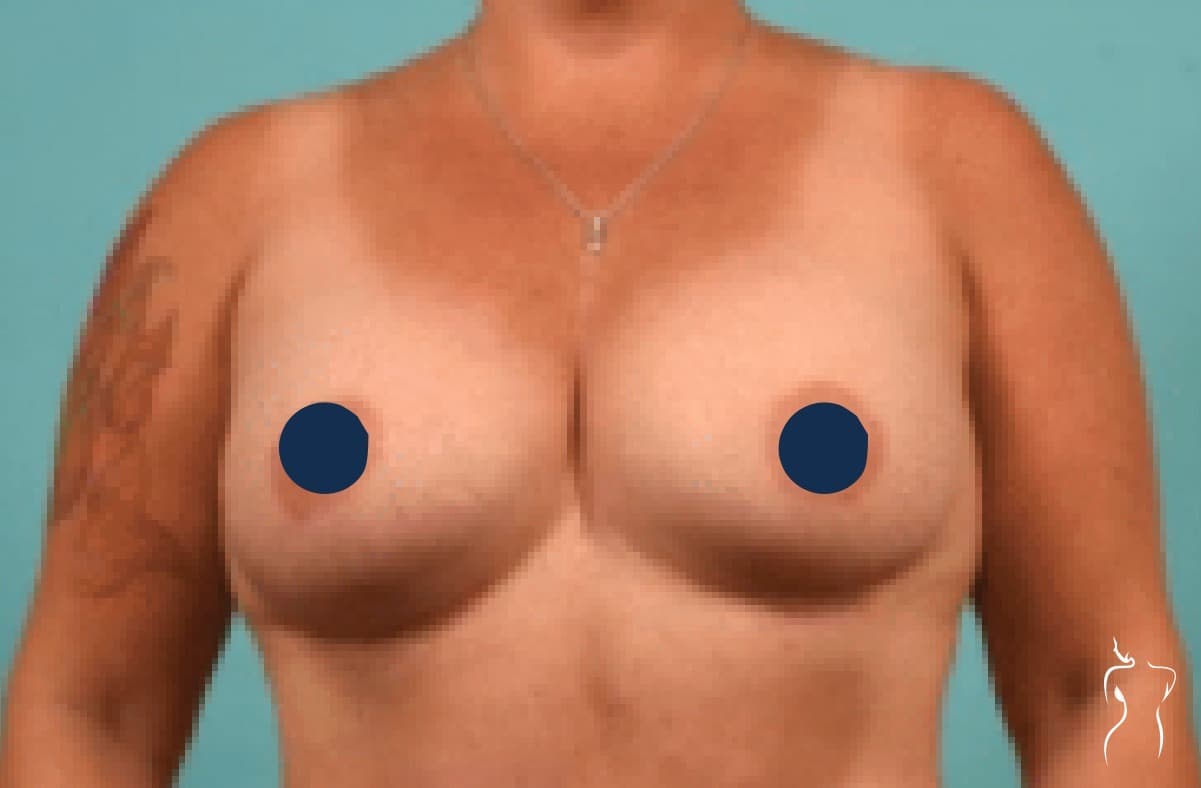
With 360° trunk liposuction
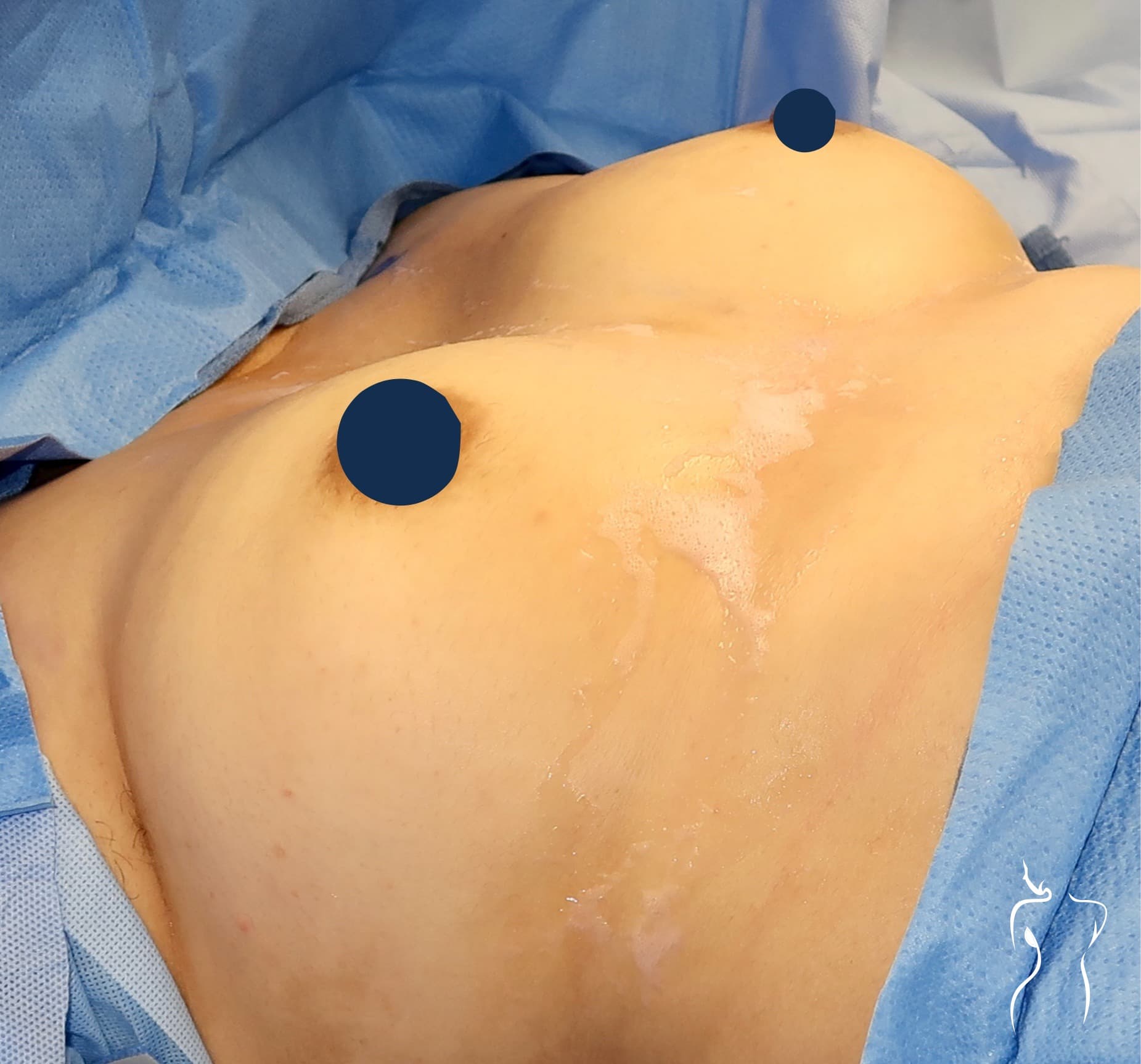
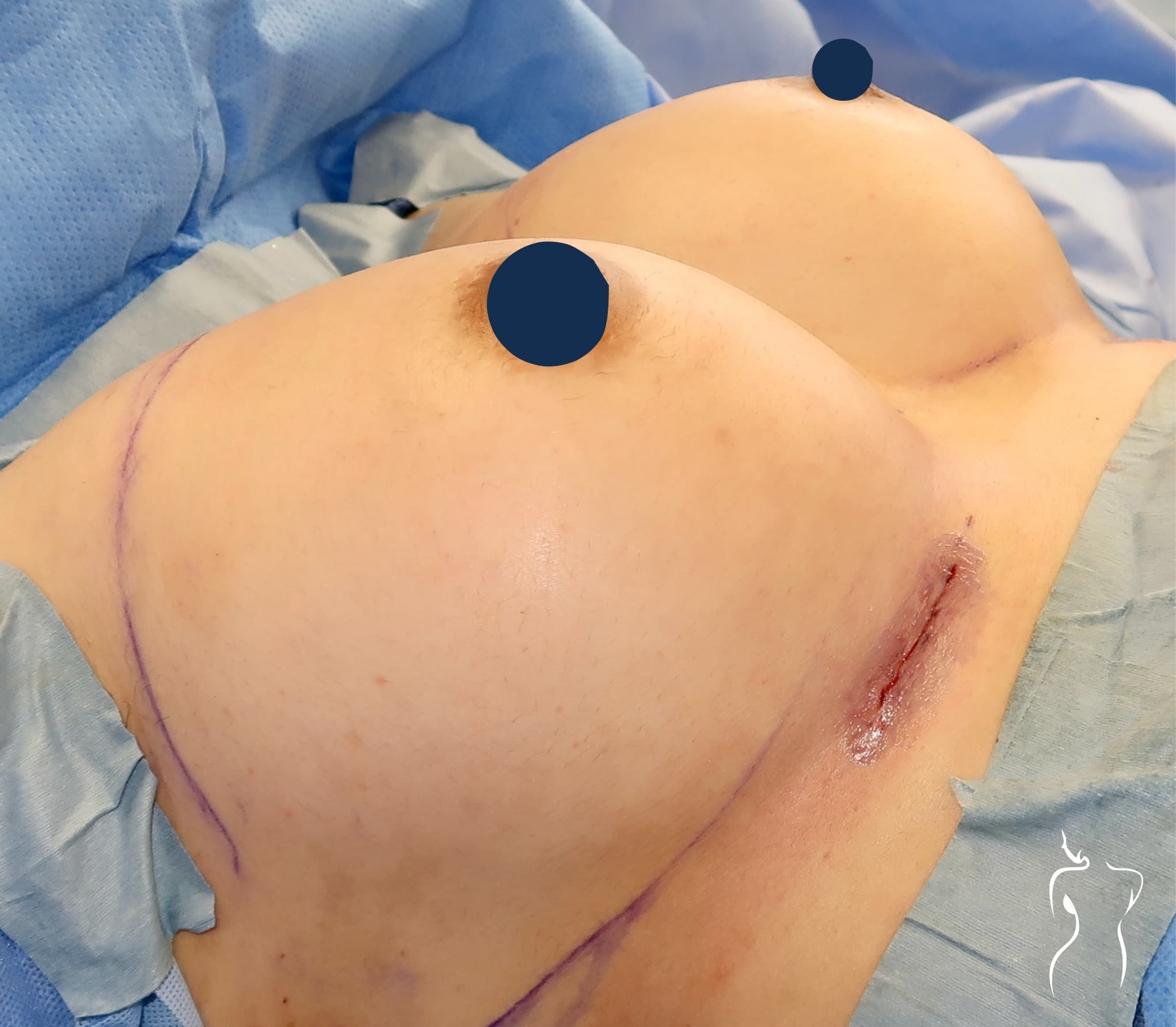
Photographed in the operating room
Primary: bilateral submuscular smooth silicone
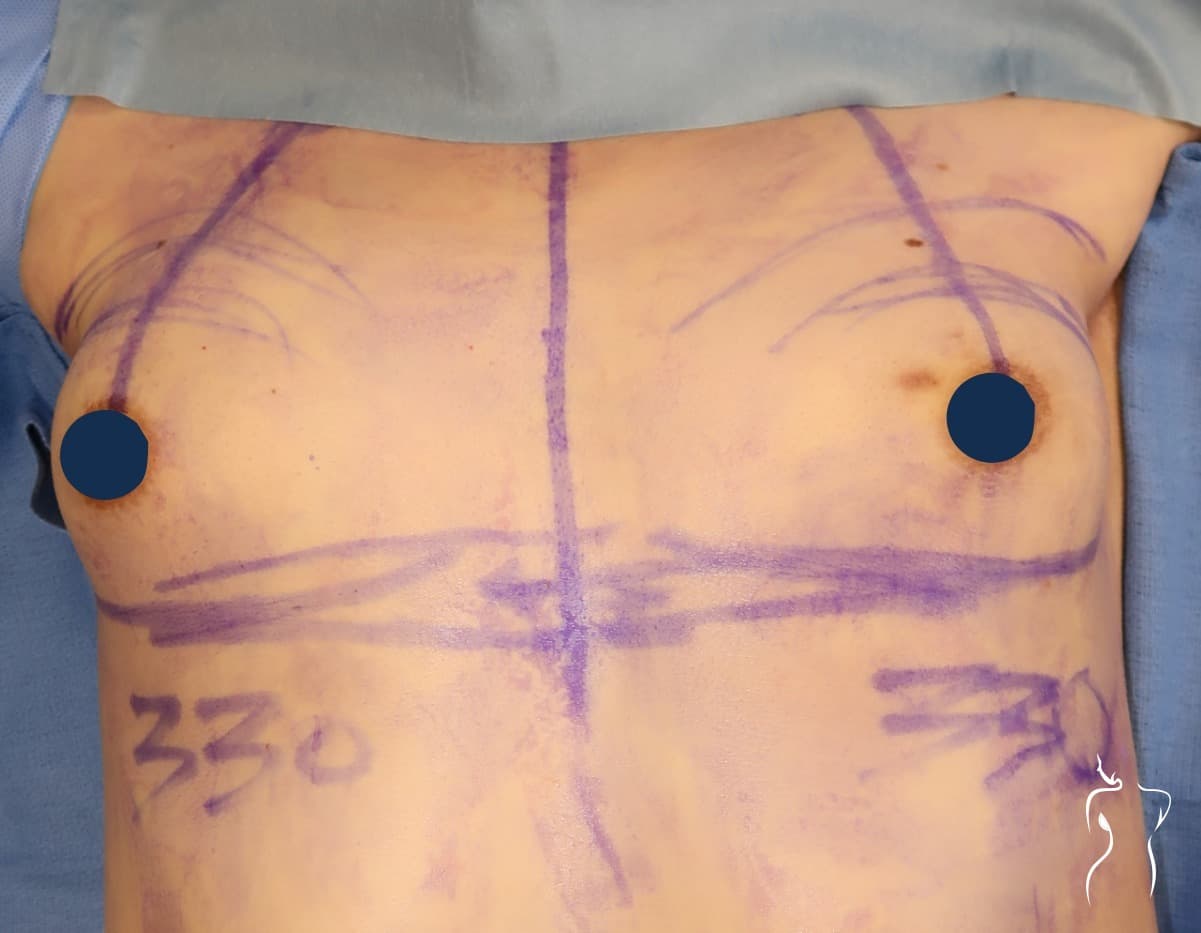
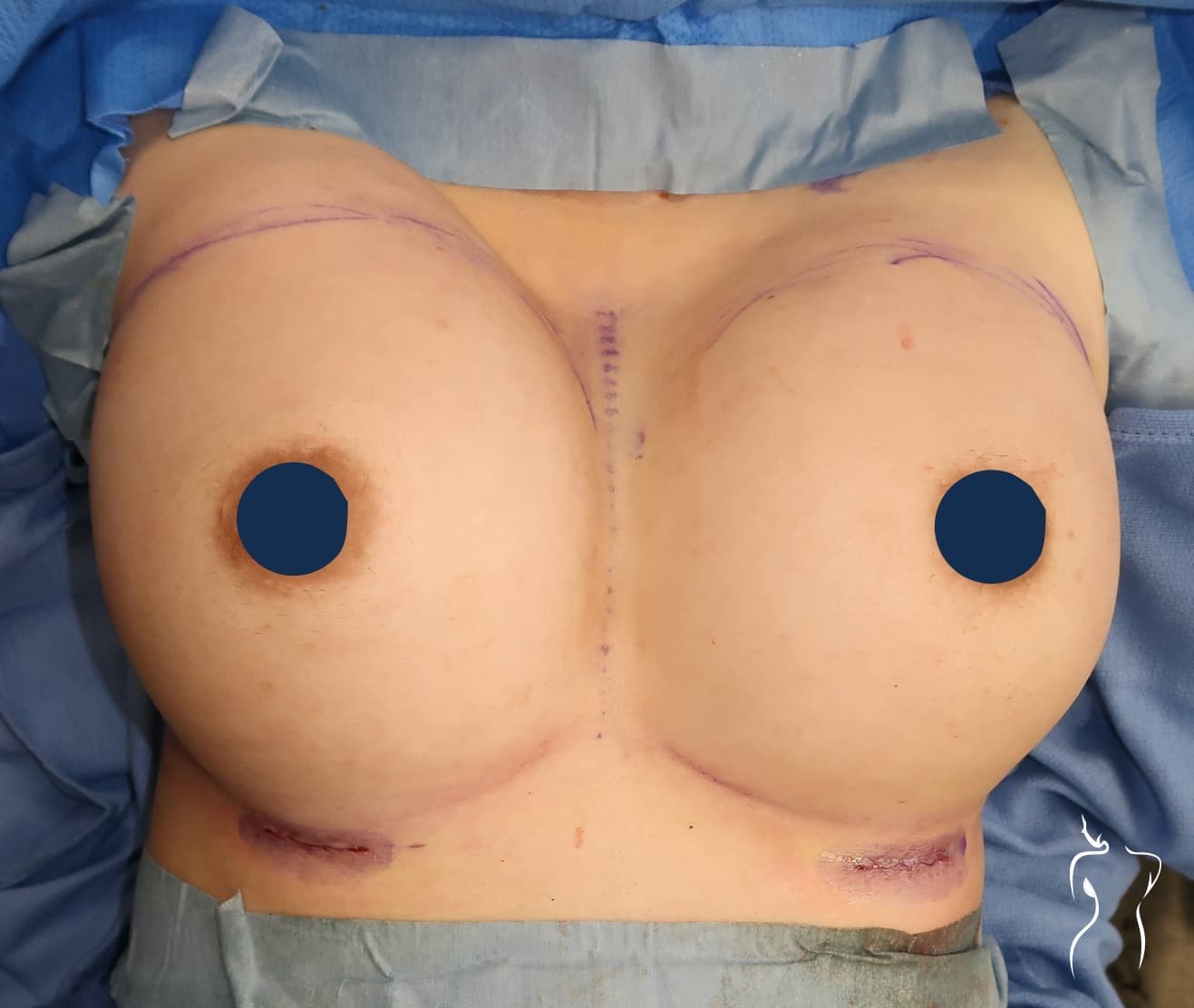
Photographed in the operating room
Primary: smooth, round, silicone
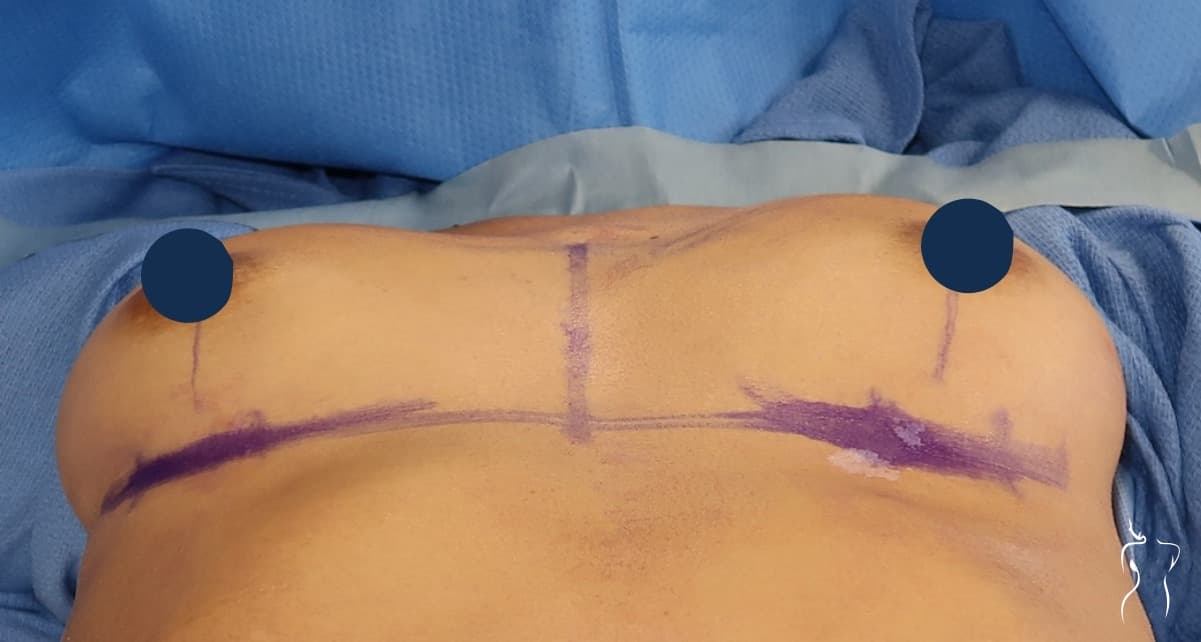
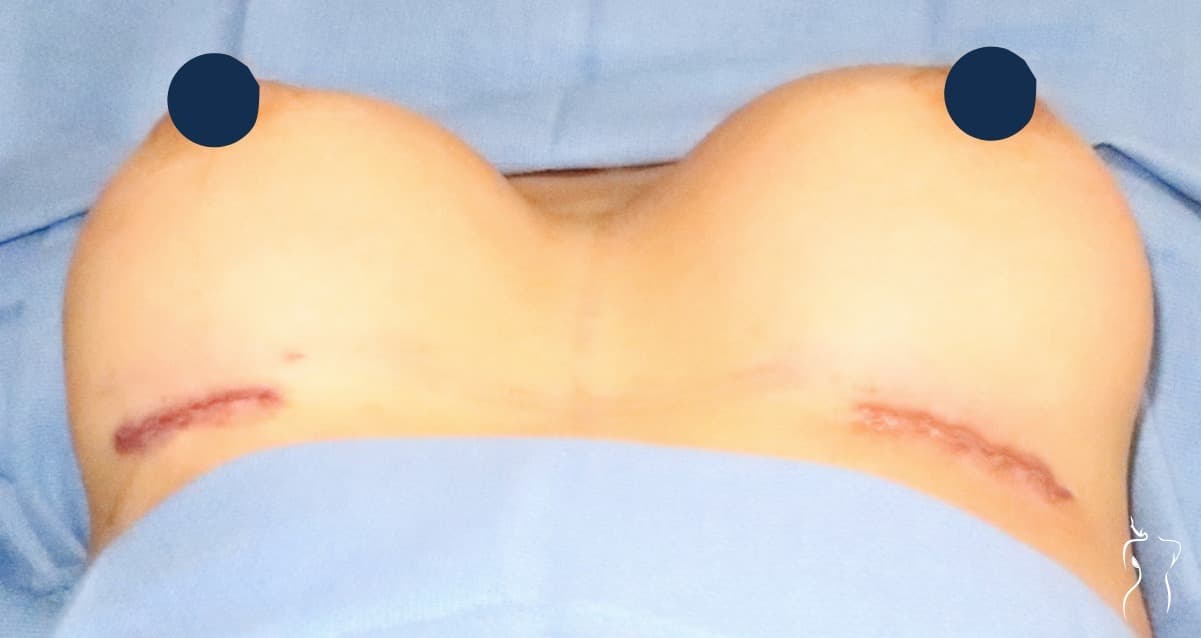
Photographed in the operating room
Primary: smooth, round, silicone
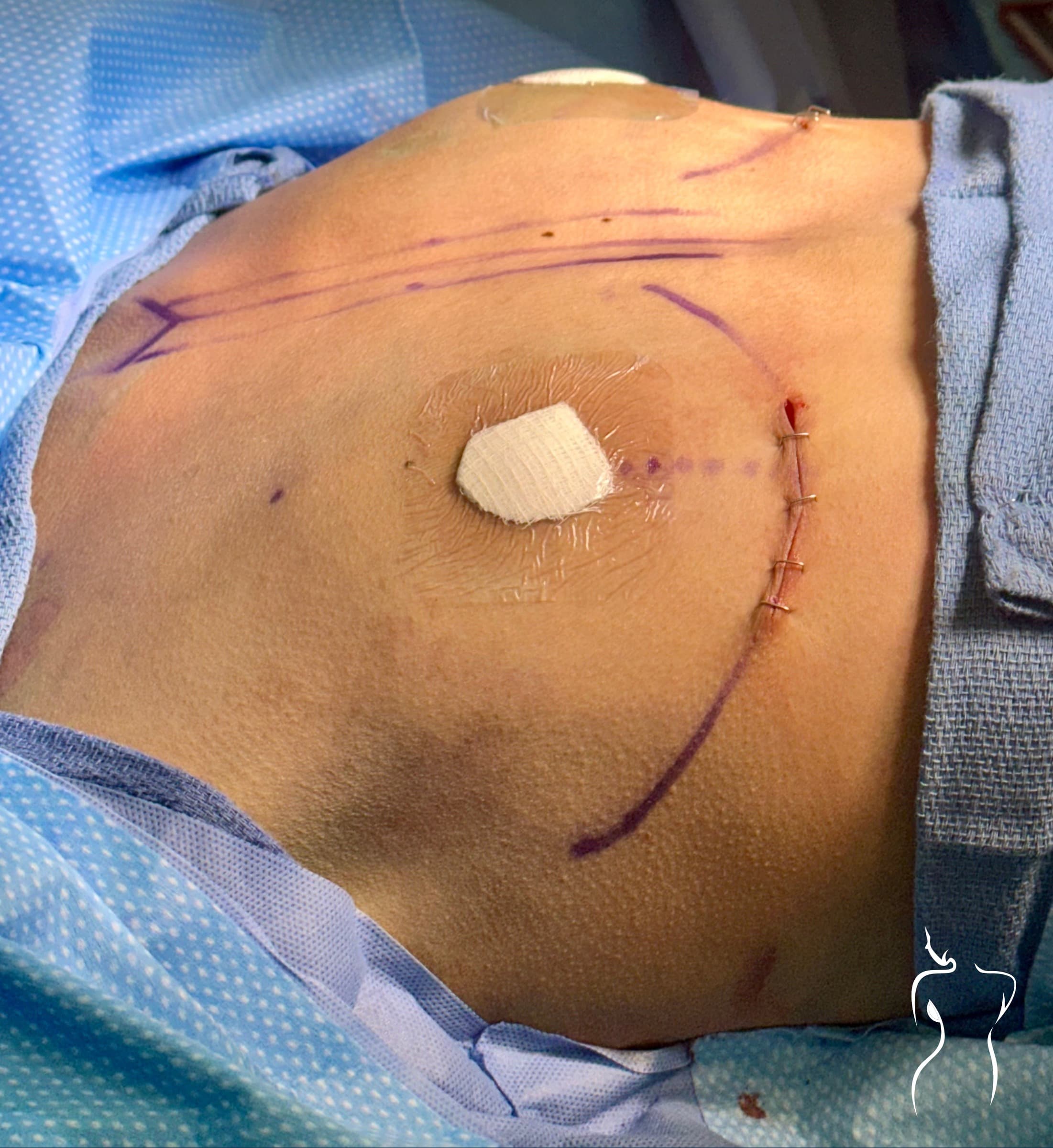
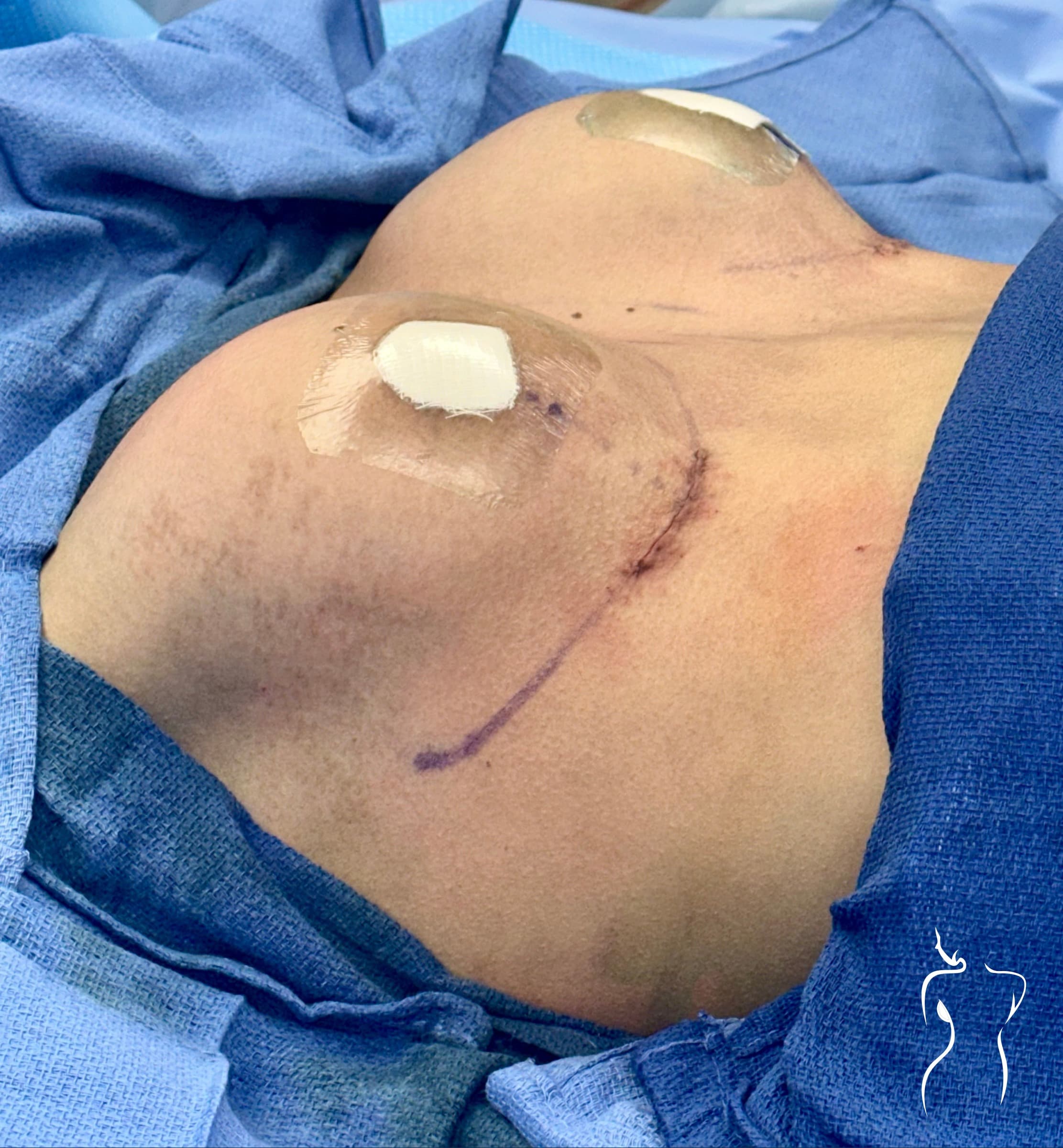
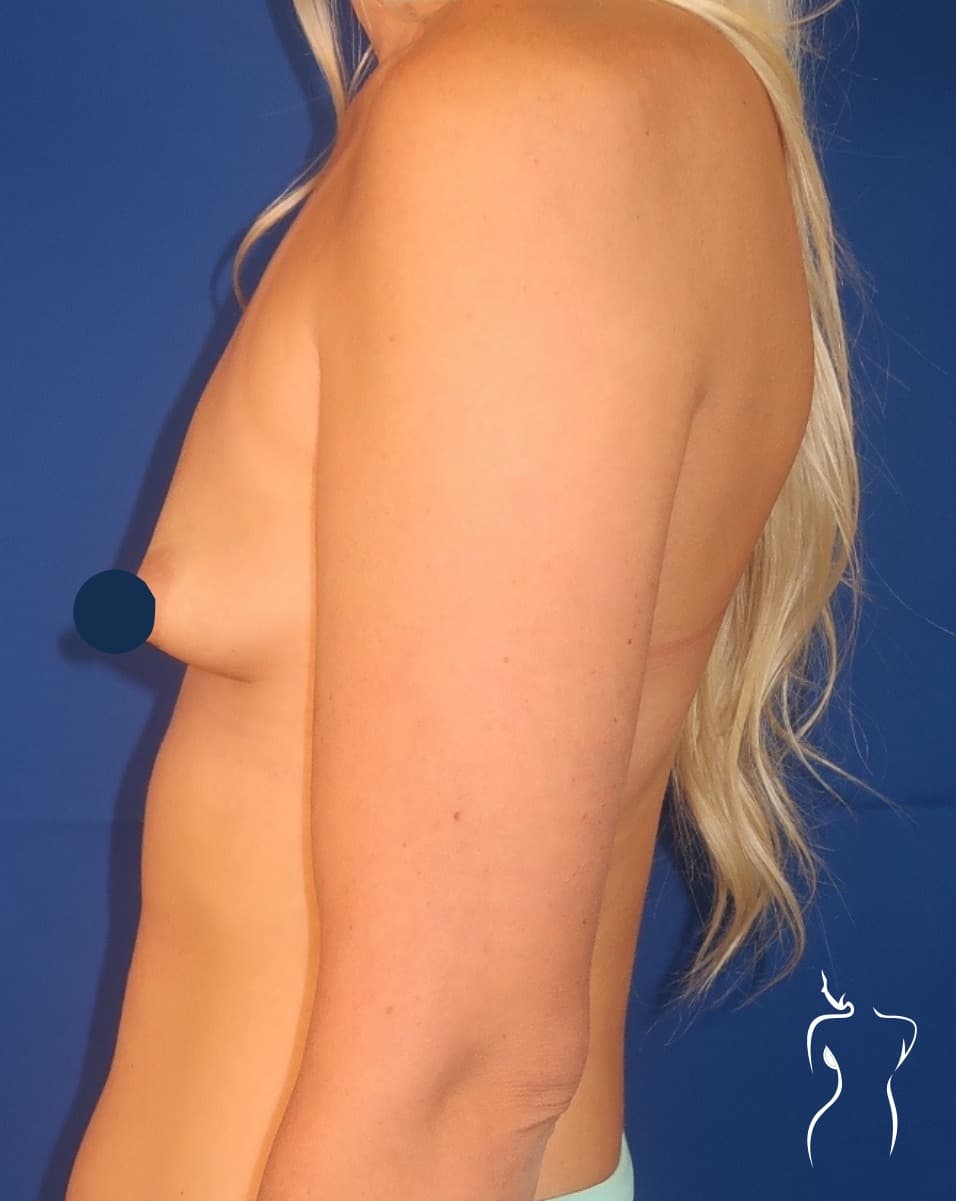
Photographed in the operating room
Immediate result
Results vary from person to person. The right comparison starts with your anatomy and your goals, in consultation.
See results like these in person. Plan a consultation with Dr. Day.
The operation
Every consultation — and every operation — is with Dr. Day.
Dr. Day places implants with a no-touch technique using the Keller Funnel: a sterile sleeve delivers the implant so it never contacts the skin, which lowers the risk of bacterial contamination linked to capsular contracture and can allow a smaller incision.
Placement above or beneath the chest muscle is decided by your anatomy and goals. Submuscular implants settle into position over three to six months, a process patients know as the drop and fluff.
Implants carry no mandatory replacement schedule. They are monitored, and exchanged only when there is a reason to.
Choosing the implant is a fitting rather than a catalogue order. Your existing breast tissue, chest-wall shape, and body proportions narrow the field before preference enters, because an implant that suits one frame reads badly on another. In-office sizers and imaging then let you see the candidates on your own body before anything is decided — and the consultation is a medical conversation, not a sales meeting.
The implant decision
Three implant families, each with a distinct feel and candidacy. The choice is made together, with sizers, at consultation.
Silicone
A natural feel and the most popular choice. FDA-approved for patients 22 and older.
Saline
Filled after placement, allowing a smaller incision. FDA-approved from age 18.
Cohesive (“gummy bear”)
Form-stable gel that holds its shape, favored where structure matters most.
Is it right for you
Good candidates are in good health, at a stable weight, and clear about the change they want. Age matters for implant type: saline from 18, silicone from 22, per FDA approval.
If pregnancy or weight change is likely ahead, that belongs in the plan. Breastfeeding after augmentation is a common question, and Dr. Day will walk through what your anatomy and incision choice mean for it.
Recovery
Swelling and bruising peak in the first two weeks and largely resolve by weeks three to six. Walking starts the day after surgery, desk work typically resumes during the first week, and light exercise builds from week two.
Full activity, including chest exercise, returns at four to six weeks. The final, settled result arrives at three to six months as the implants take their position.
How the weeks before and after surgery fit together is covered in the practice's recovery guide.
Plan a consultation with Dr. Day.
Patient Voices
Individual results vary. Quotes are verbatim excerpts from reviews published by patients.
“He takes the time to understand your aspirations, vision, and goals, ensuring that your desired outcomes are at the forefront of his care.”
“Dr. Day's knowledge, compassion, and attention to detail made all the difference in my recovery process.”
“He took the time to listen to my concerns and desires, ensuring I had a clear understanding of the procedure, expected outcome and healing process. … I think he's a very skilled and precise surgeon.”
Questions, answered
The rest belong in a conversation. Consultations are unhurried by design.
Silicone or saline — how do I choose?
Silicone feels most like natural tissue and is the most common choice; saline allows a smaller incision and is available from age 18. Cohesive form-stable implants add structure where it helps. The decision is made at consultation with sizers, imaging, and your goals in front of you.
Will the implant go over or under the muscle?
Both placements are used. Under the muscle offers more soft-tissue coverage and a gradual settling; over the muscle can suit patients with more of their own tissue. Dr. Day recommends a placement based on your anatomy rather than a default.
What is the no-touch technique?
The implant is delivered through a sterile Keller Funnel and never contacts the skin. That reduces the bacterial exposure associated with capsular contracture and can allow a smaller incision.
Will the result look natural?
Sizing in proportion to your frame is the whole method. Implants are measured in cubic centimeters rather than cup sizes — cup size varies so much between manufacturers that it is not a usable target — and choosing with in-office sizers and imaging means the outcome is one you have already previewed. Restraint is a design principle here.
Can I breastfeed after augmentation?
Many patients do. Incision placement and implant position both matter, and Dr. Day will explain what your surgical plan means for breastfeeding before anything is decided.
Do implants have to be replaced every ten years?
No. There is no mandatory replacement schedule. Implants are exchanged when there is a reason — a change in goals, a rupture, or contracture — not on a timer.
What is capsular contracture?
Scar tissue around an implant that tightens over time. It has grades; the firmer grades are treated surgically. The no-touch technique is one of the measures used to lower the risk.
How much does breast augmentation cost in Bellevue?
Augmentation at Pacific Sound Plastic Surgery starts from approximately $7,500, with the total shaped by implant choice and operative plan. Your consultation includes a written breakdown, and financing is available through CareCredit and Alphaeon Credit.
Financing Options