Arm Lift in Bellevue
When you lose forty, sixty, or a hundred-plus pounds, your skin does not always follow. The loose upper-arm skin left behind is one of the most visible reminders, and it is exactly what a brachioplasty removes.
Skin that spent years stretched at a higher weight loses the elastic recoil that would let it contract again. Resistance training builds the muscle underneath it, which is worth doing and does not change the envelope. Surgical removal is the reliable correction, and the inner upper arm is one of the areas least responsive to anything else.
The operation trades skin laxity for a slim, contoured arm and a scar placed along the inner arm where it hides at rest. That trade is discussed plainly at consultation, because owning it is what makes patients happy afterward.
Liposuction joins the excision where residual fat needs debulking, so the final contour is smooth from armpit to elbow.



Your surgeon
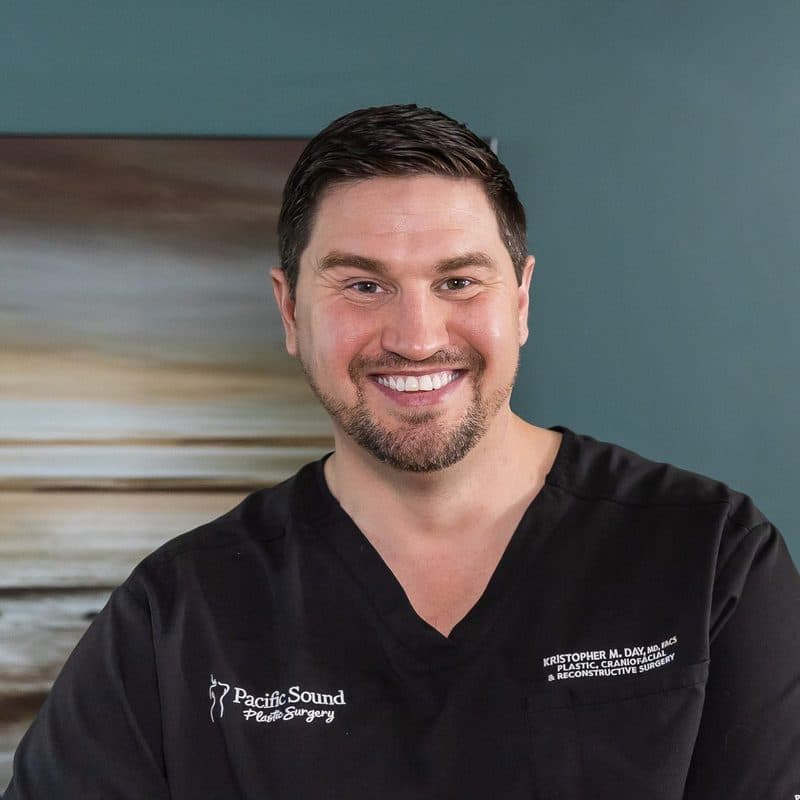
Dr. Kristopher Day is certified by the American Board of Plastic Surgery and the American Board of Surgery, fellowship-trained in craniofacial surgery, and a member of the American Society of Maxillofacial Surgeons.
Meet Dr. Day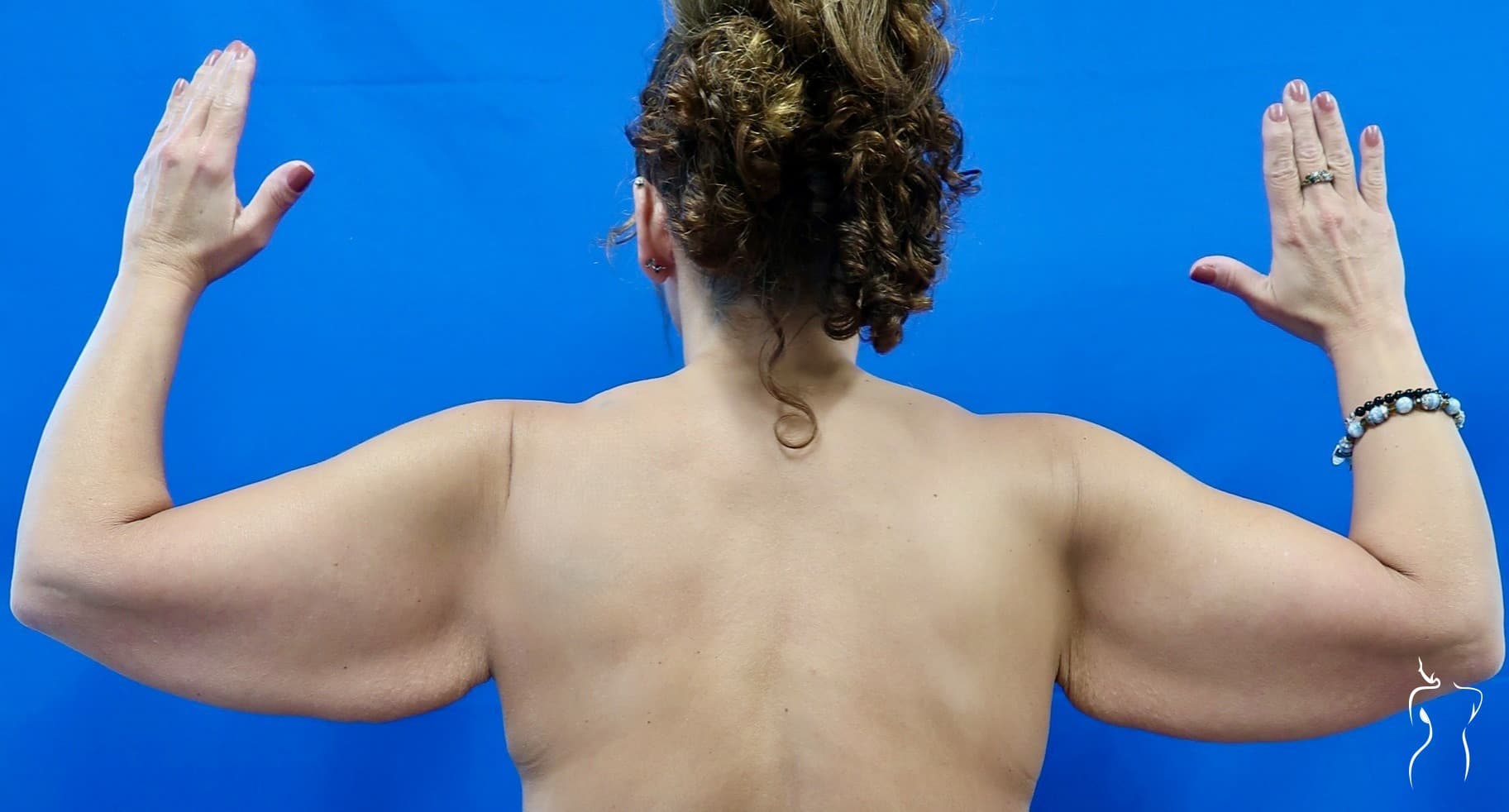
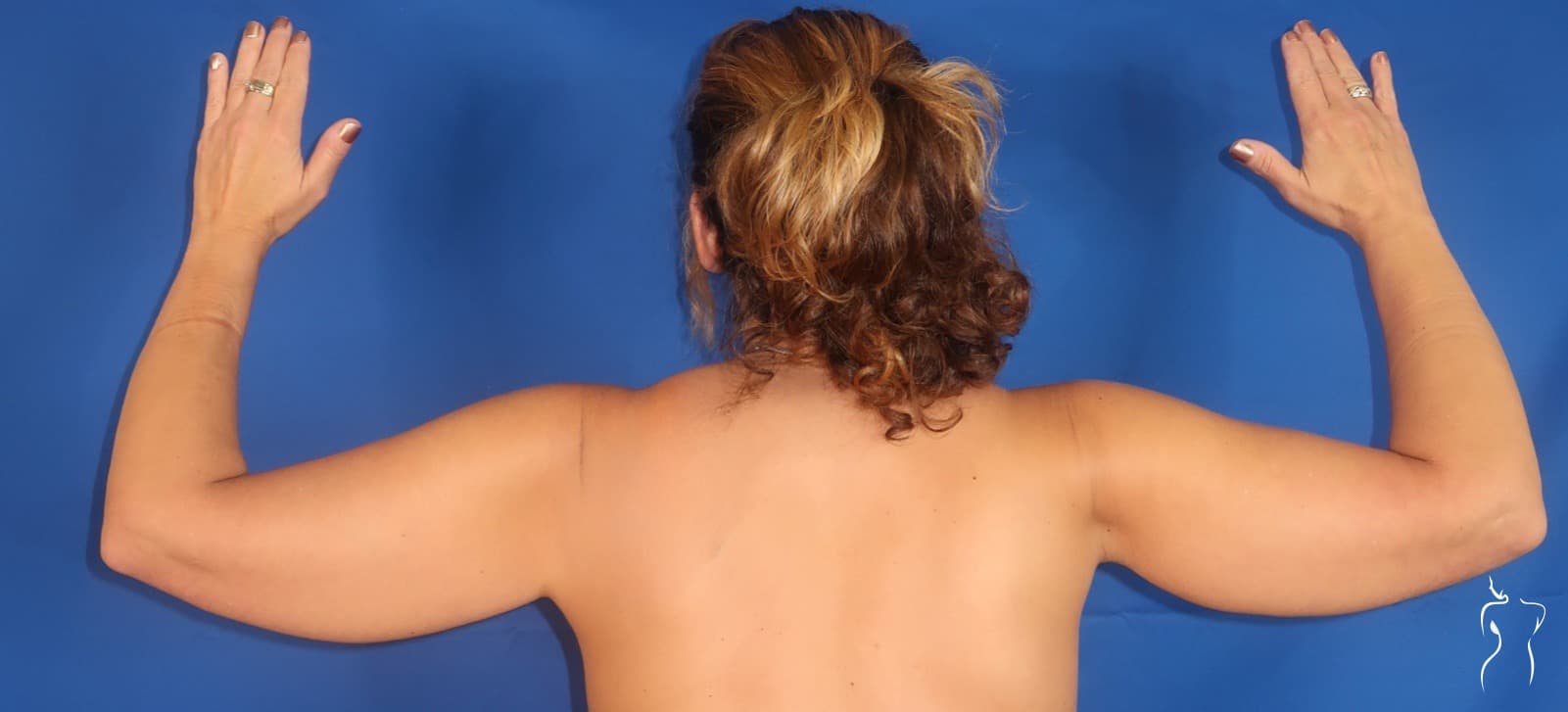
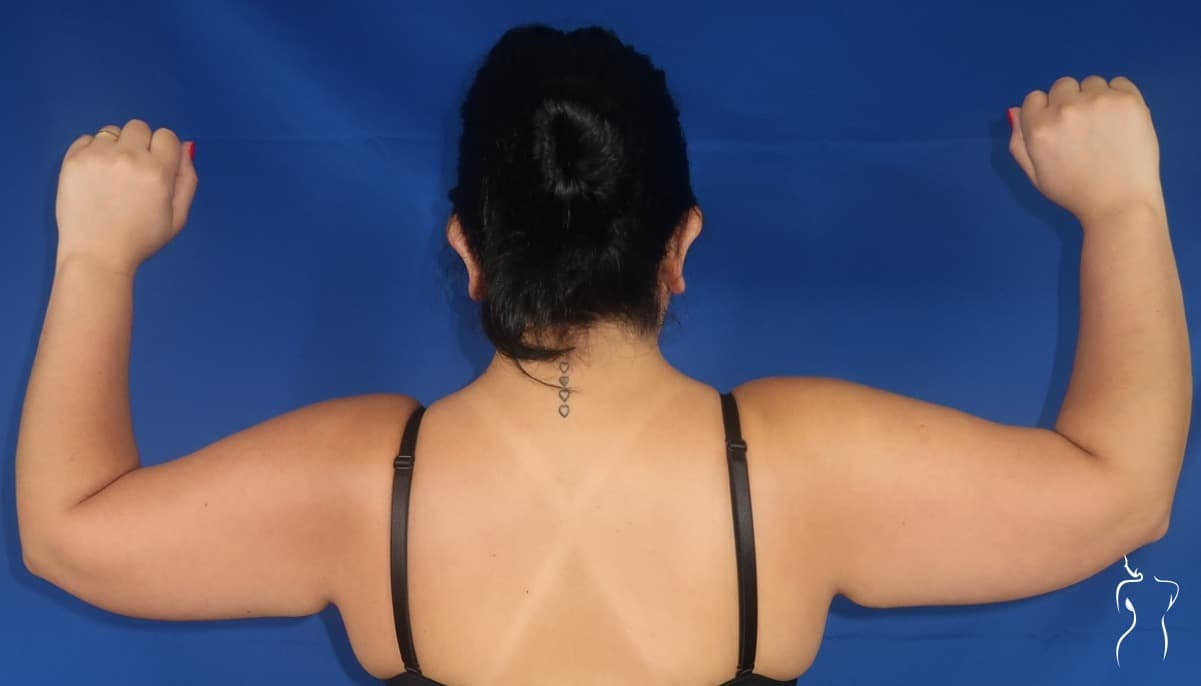
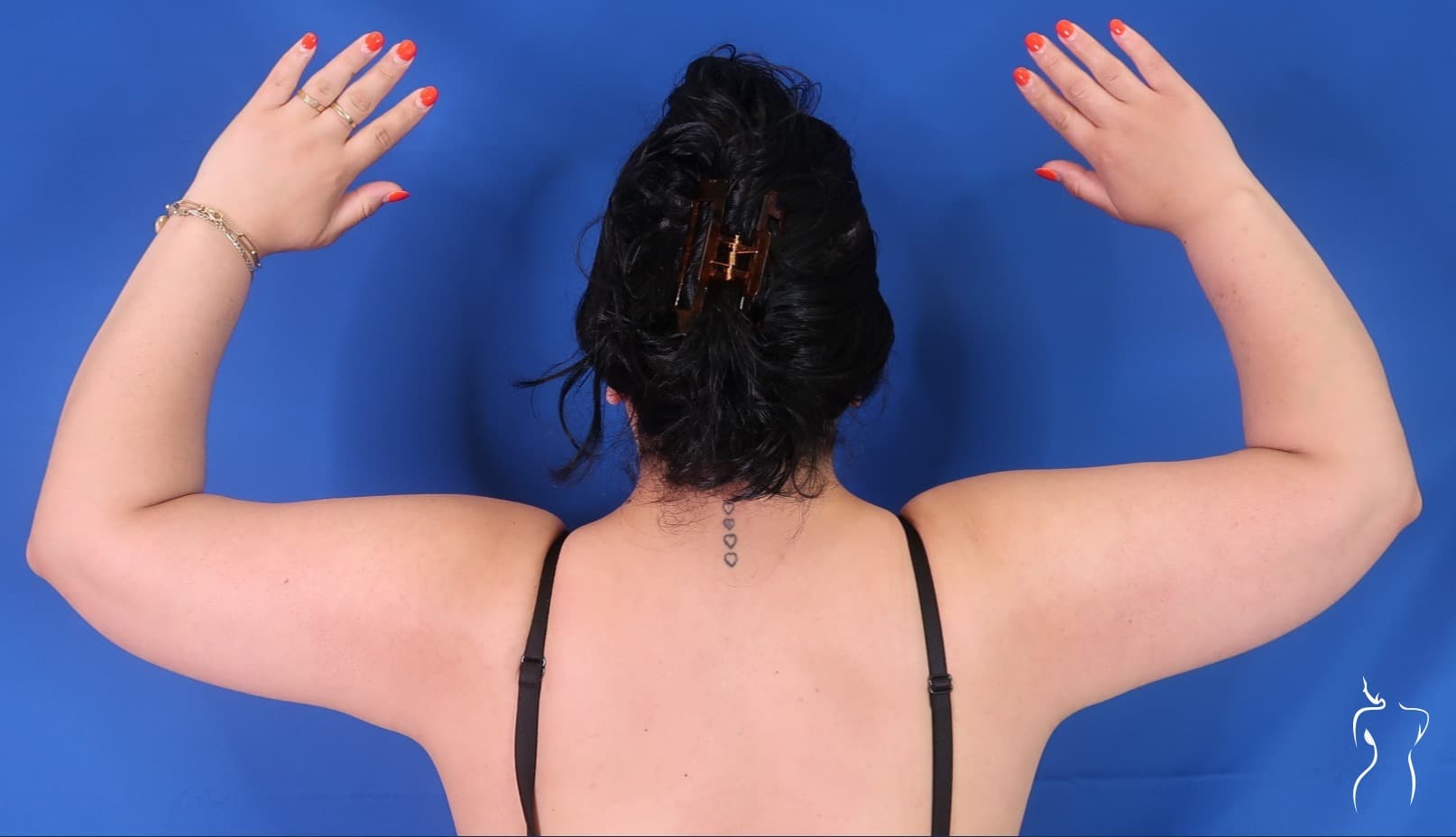
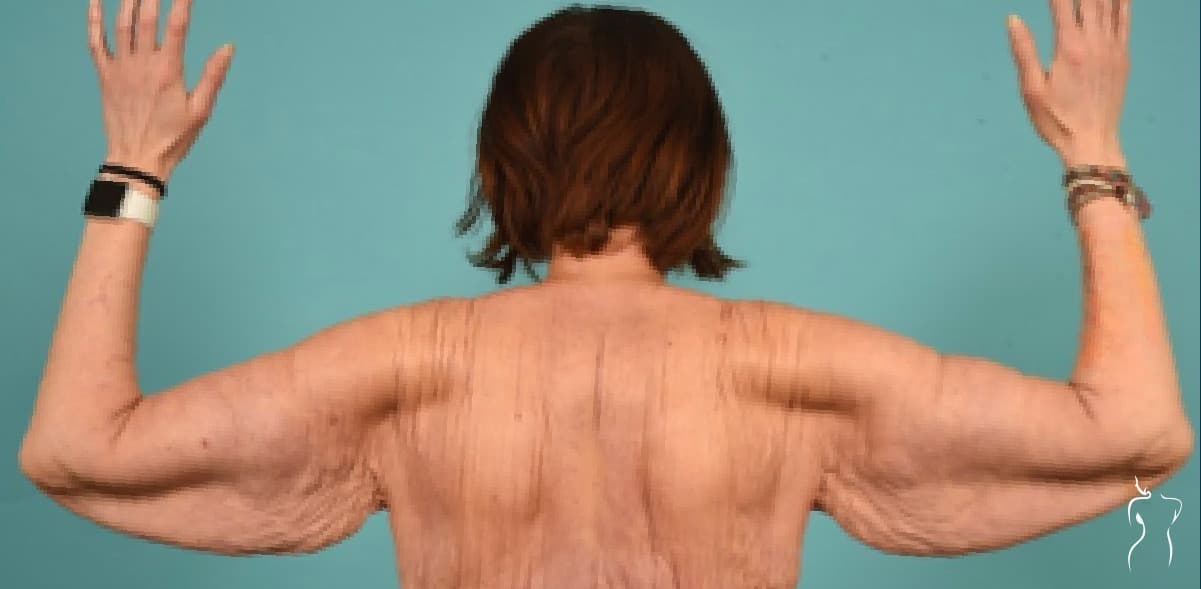
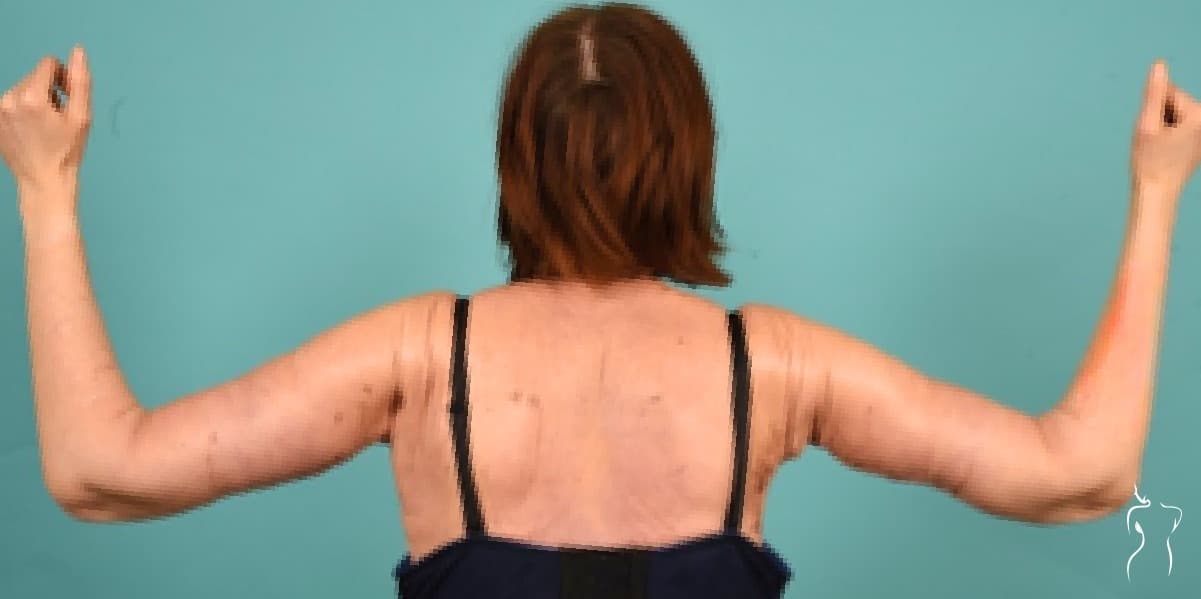
Results vary from person to person. The right comparison starts with your anatomy and your goals, in consultation.
See results like these in person. Plan a consultation with Dr. Day.
The operation
Every consultation — and every operation — is with Dr. Day.
Brachioplasty is performed under general anesthesia and runs two to three hours depending on how much correction is needed. It is an outpatient operation: you go home the same day with a trusted adult, from one of the four accredited facilities Dr. Day operates at.
The incision runs along the inner arm from the armpit toward the elbow, placed where the arm's own resting position conceals it. The excess skin is removed as a marked ellipse, the supporting tissue underneath is tightened so the closure is not carried by the skin edge alone, and liposuction refines any remaining fullness before the arm is closed in layers.
The extent of the incision follows the extent of the laxity, and that is planned on your arm rather than from a template. Dr. Day marks the line at consultation so you see where it will sit before anything is scheduled.
How far the incision runs
One operation, scaled to the amount of skin. The exam decides which version your arm needs.
Liposuction-assisted
Where fat is the larger share and the skin still has some recoil, liposuction debulks first and the excision that follows is shorter.
Short-scar
Looseness concentrated up near the armpit can sometimes be corrected through a limited incision that stays in the armpit crease.
Full inner-arm
The incision from armpit toward elbow — the answer when laxity runs the length of the arm, which is what major weight loss usually leaves behind.
Extended
When the loose skin continues past the armpit onto the side of the chest, the excision continues with it rather than stopping at an arbitrary point.
Is it right for you
Good candidates have loose, hanging upper-arm skin — most often after major weight loss, sometimes simply with age — at a weight that has been stable for about six months.
When the concern is fat with good skin tone rather than laxity, liposuction alone may be the honest answer, and the exam distinguishes the two in minutes.
The disqualifier worth naming plainly: if you are not at peace with a scar running the length of your inner arm, this is not your operation. It hides when your arms are down and it is visible when they are raised. Patients who are happy afterward are the ones who decided while looking at the marked line, not imagining it.
Nicotine stops at least four weeks before surgery and stays stopped four weeks after. This closure sits under tension, and nicotine works directly against the blood supply that has to heal it.
Recovery
A compression garment follows the 23-and-3 rule: around the clock for at least three weeks, removed only to shower and wash the garment, and encouraged up to three months for the best contour.
Desk work resumes within about a week. Lifting stays restricted for four to six weeks while the repair matures — the closure is holding an arm that very much wants to be used.
Two things surprise people and are ordinary. Swelling settles into the forearm and hand for the first weeks, because the arm's normal drainage routes are temporarily disrupted; elevating the arm and wearing the garment as instructed is what moves it along. And a band of altered sensation along the inner arm is common where small sensory nerves cross the incision, easing gradually over months. Changes in arm sensation are on the risk list Dr. Day reviews with you, not a sign something went wrong.
The contour is visible immediately — the hanging skin is simply gone from day one — and refines over three to six months as swelling resolves. The scar looks its most obvious in the early months before it begins to flatten and lighten, fading substantially across twelve to eighteen months with scar care.
How the weeks before and after surgery fit together is covered in the practice's recovery guide.
Plan a consultation with Dr. Day.
Patient Voices
Individual results vary. Quotes are verbatim excerpts from reviews published by patients.
“Dr. Day's knowledge, compassion, and attention to detail made all the difference in my recovery process.”
“He took the time to listen to my concerns and desires, ensuring I had a clear understanding of the procedure, expected outcome and healing process. … I think he's a very skilled and precise surgeon.”
“I have always gotten the realistic results I hope for.”
Questions, answered
The rest belong in a conversation. Consultations are unhurried by design.
Will the scar be visible?
The incision runs along the inner arm, hidden when your arms are at your sides and faded substantially by twelve to eighteen months. The operation is a trade — contour for a scar — and Dr. Day makes sure you see exactly where it will sit before you decide.
Arm lift or liposuction?
Liposuction treats fat in skin that still has snap; a brachioplasty treats skin that has stretched past recovering. After major weight loss the answer is usually the lift, often with liposuction assisting.
What if my loose skin is only near the armpit?
Then a shorter incision may cover it. Limited laxity concentrated at the top of the arm can sometimes be corrected through an incision that stays in the armpit crease. Laxity that continues toward the elbow needs the full inner-arm incision, because a short scar cannot move skin it does not reach.
Will my arm be numb afterward?
Altered sensation along the inner arm is common early on, where small sensory nerves cross the incision line. It typically eases over months. It is one of the risks reviewed with you at consultation, alongside swelling, infection, and scarring.
How soon can I lift or train?
Walking and light daily movement start right away. Lifting is restricted for four to six weeks so the closure can mature, then training builds back progressively. Pushing the timeline is the one thing most likely to widen the scar you traded for the contour.
How much does an arm lift cost in Bellevue?
Brachioplasty at Pacific Sound Plastic Surgery starts from $7,500. The largest single factor in the total is time in the operating room, with the extent of skin removal and any combined liposuction behind it. Your consultation includes a complete written breakdown, with CareCredit and Alphaeon financing available.
Financing OptionsDoes insurance cover an arm lift?
Brachioplasty is treated as cosmetic surgery and is not covered. Where hanging skin has caused documented medical problems — recurring rashes, infections, or wounds in the fold — the office will tell you honestly whether your case is worth submitting rather than encouraging a request that will not succeed.
Can it be combined with other procedures?
Commonly — arm lifts pair with thigh lifts, breast surgery, and body contouring in staged post-weight-loss plans. Sequencing is mapped at consultation around safe total operating time.
How long do results last?
The removed skin does not return. With stable weight, the contour is lasting; the arm ages normally from its new baseline.
What is recovery like?
A compression garment for at least three weeks, desk work within a week, and lifting restrictions for four to six. Most patients find it more manageable than they expected, with early forearm and hand swelling the part nobody warns them about.