Craniofacial & Reconstructive Surgery
Craniofacial surgery is plastic surgery of the facial skeleton and skull — the deepest structural level of the face. It is a subspecialty most plastic surgeons never pursue, reached through fellowship training after plastic surgery itself.
Dr. Day is the only fellowship-trained craniofacial plastic surgeon based in Bellevue. His training arc ran nineteen years: general surgery, then plastic surgery, then a craniofacial and pediatric fellowship at Dell Children's Medical Center. Before founding this practice he served as Director of Craniofacial Surgery at Marshall University.
This page is the foundation of everything else on this site. The rhinoplasty, chin, facial feminization, and reconstruction work all draw on the training described here.


Your surgeon
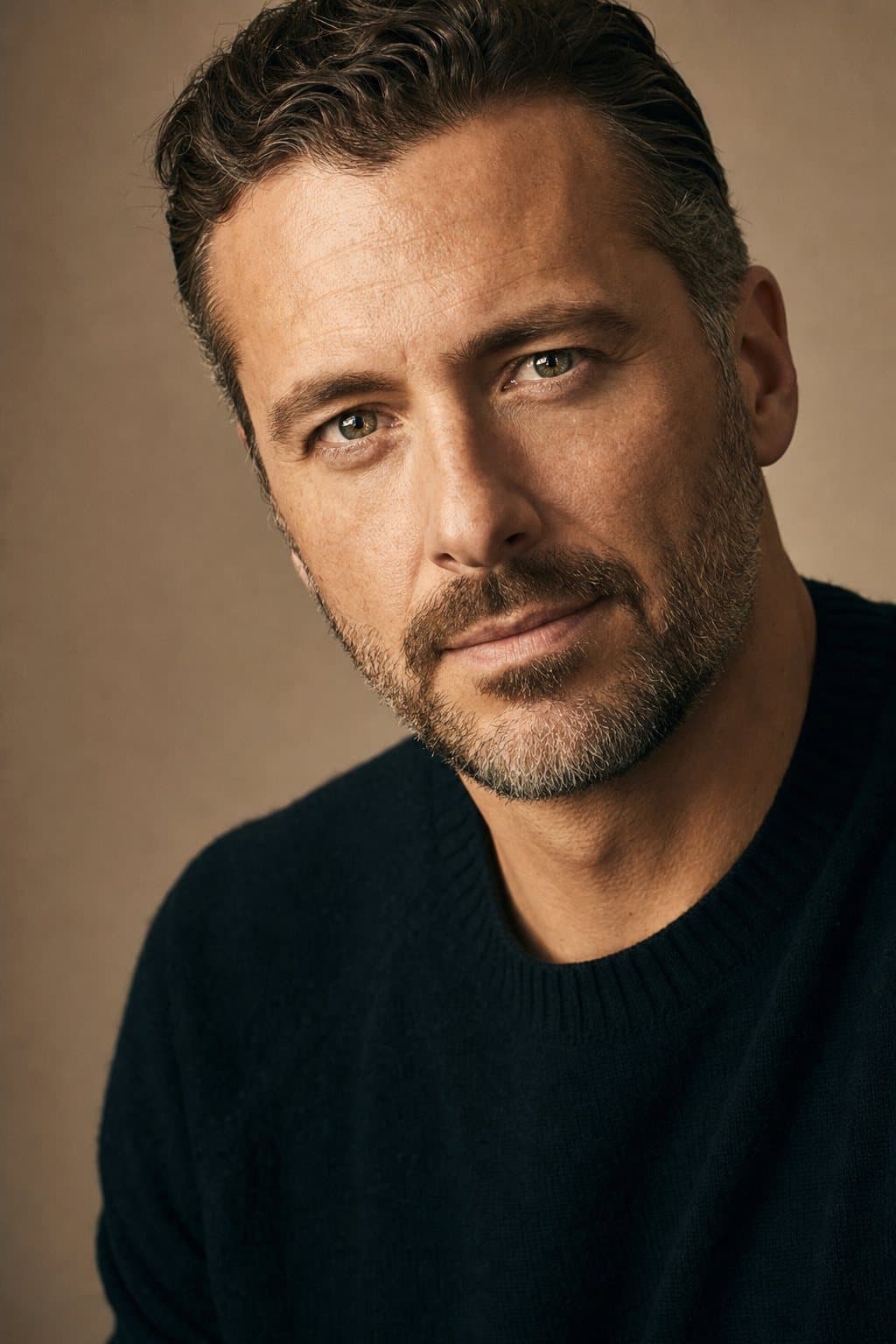
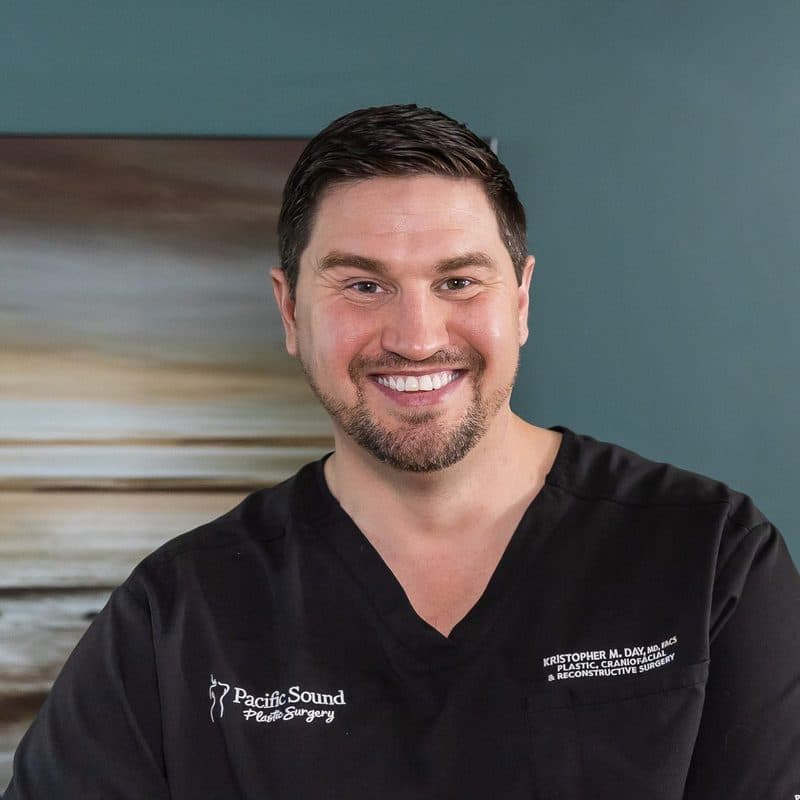
Dr. Kristopher Day is certified by the American Board of Plastic Surgery and the American Board of Surgery, fellowship-trained in craniofacial surgery, and a member of the American Society of Maxillofacial Surgeons.
Meet Dr. DayCleft Lip Repair
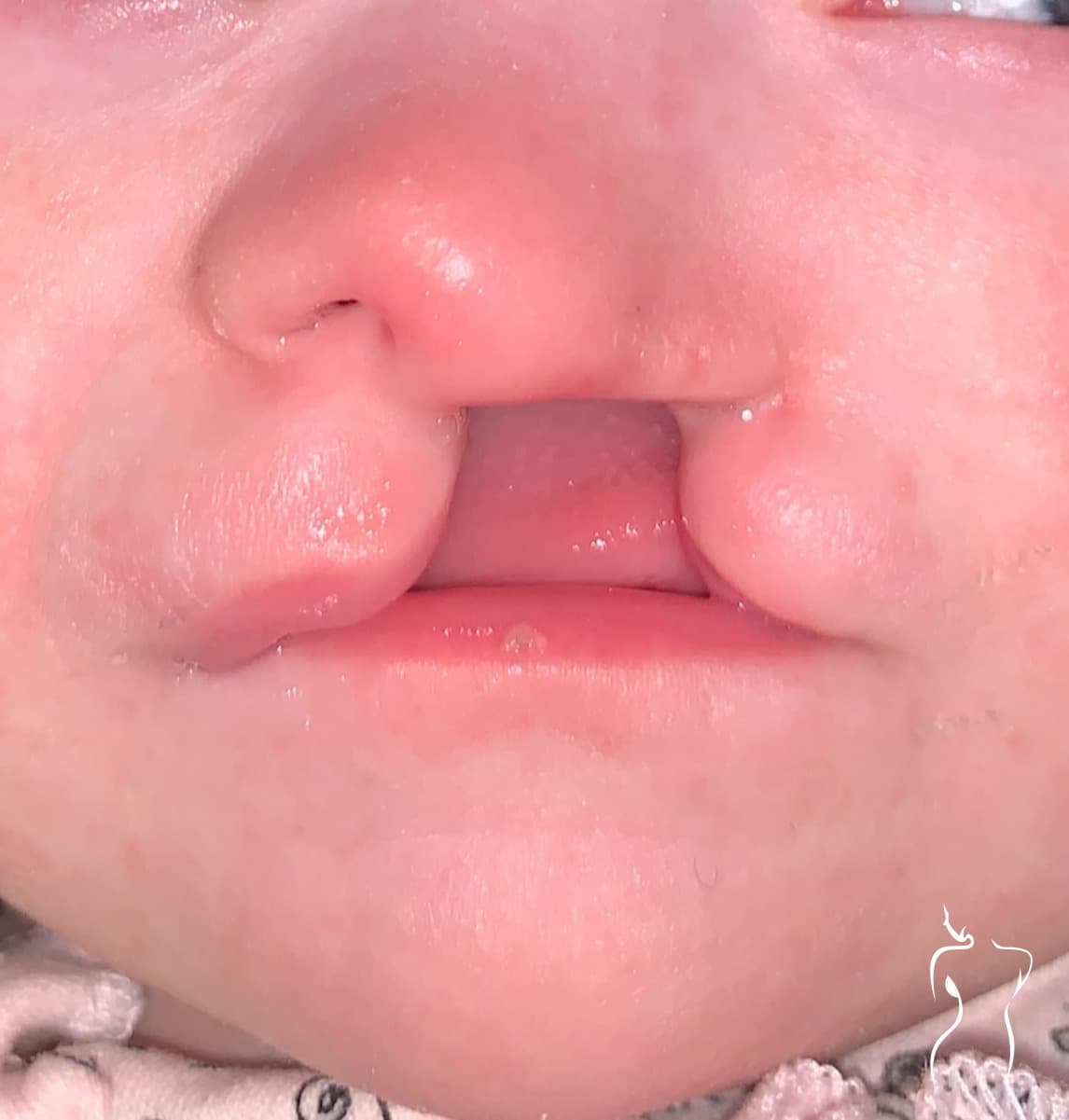
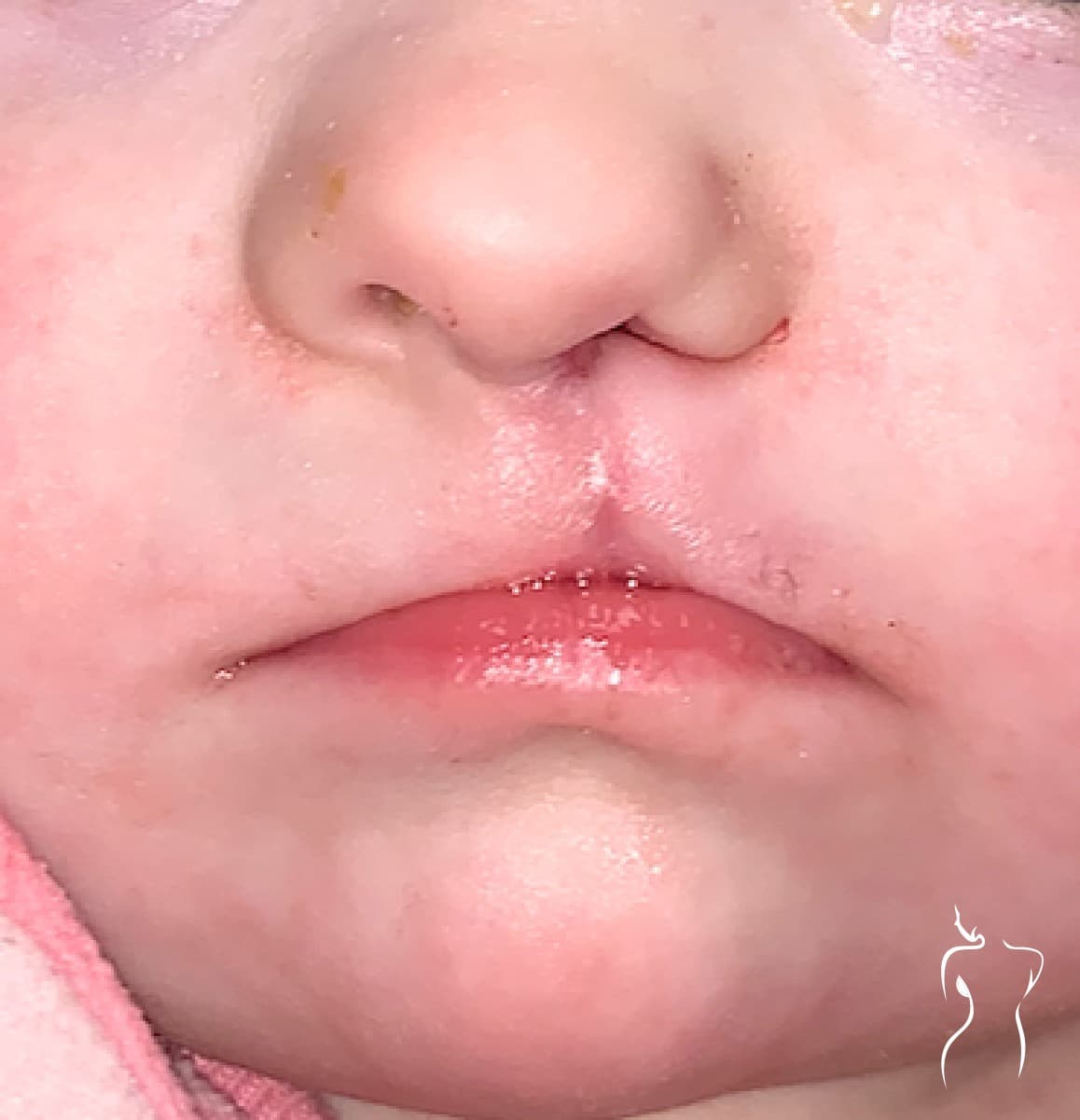
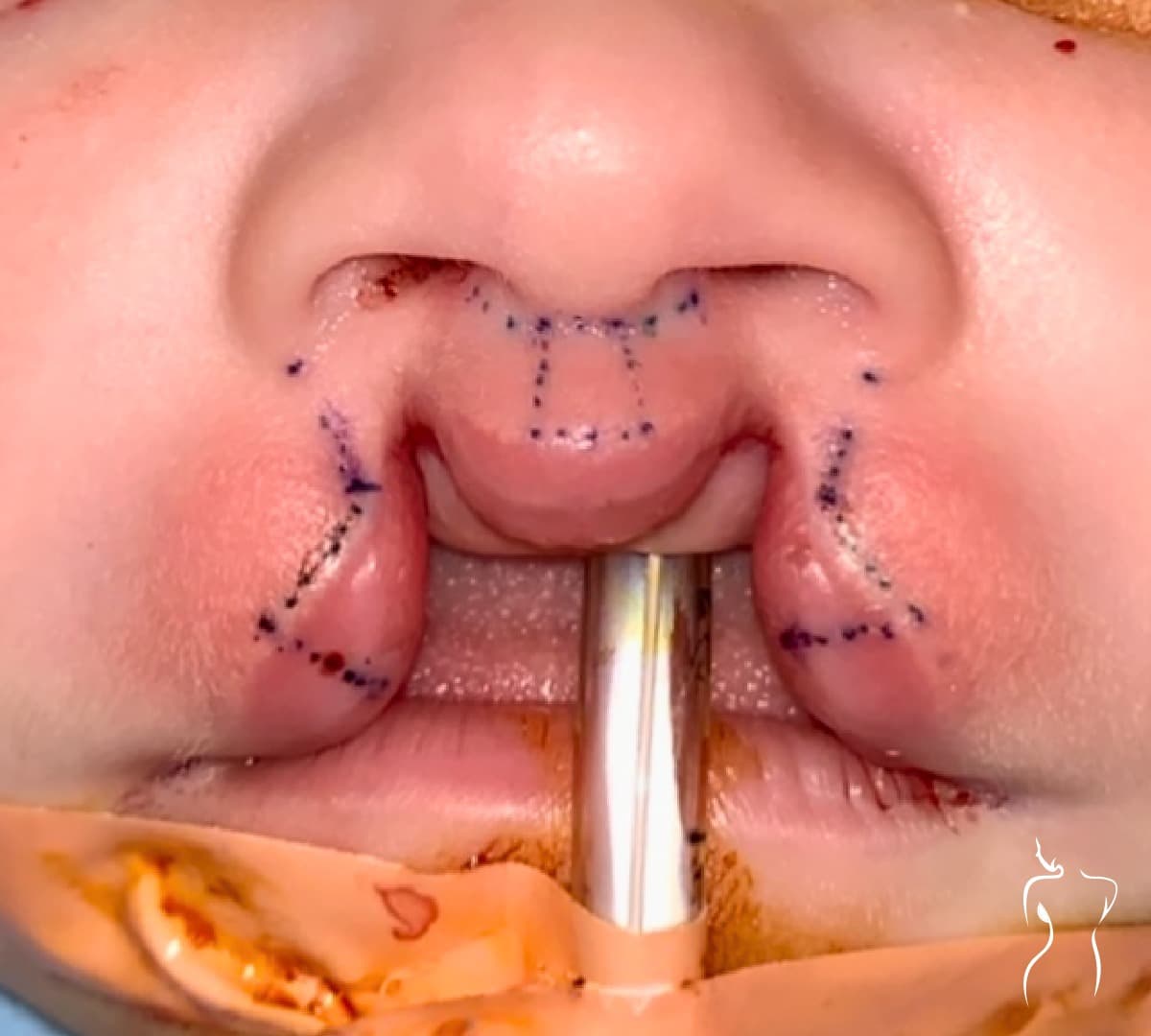
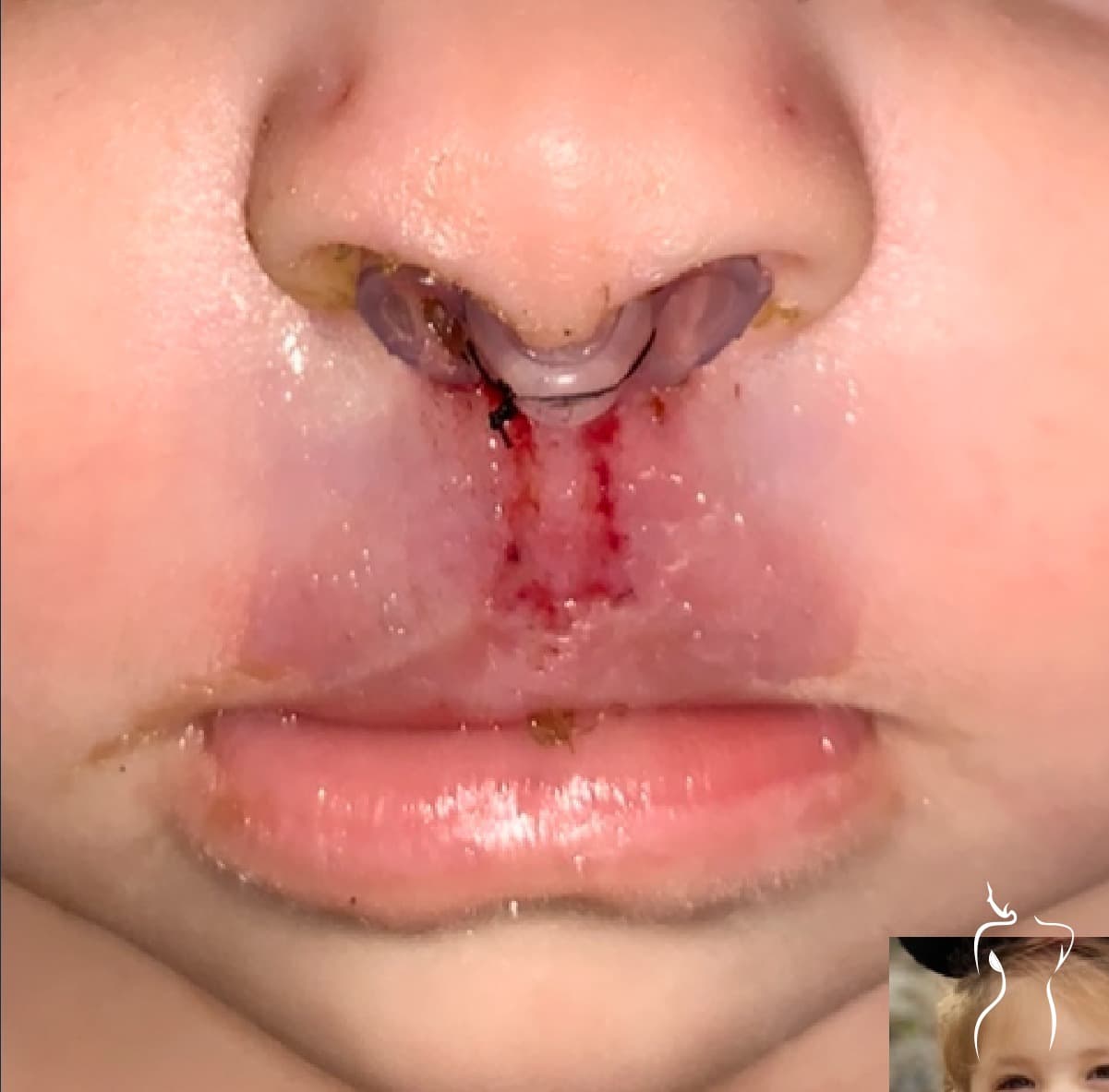

Results vary from person to person. The right comparison starts with your anatomy and your goals, in consultation.
See results like these in person. Plan a consultation with Dr. Day.
The work
Every consultation — and every operation — is with Dr. Day.
Reconstructive craniofacial practice spans facial trauma — fractures of the jaw, cheek, orbit, and skull rebuilt with titanium precision — congenital differences, skull and brow-bone contouring, and reconstruction after tumor surgery. Much of it arrives by referral from emergency departments, dermatologists, and other surgeons.
The same skeleton knowledge pays a dividend in aesthetic surgery: a surgeon who rebuilds facial bone for a living operates on noses, chins, and jaws with a three-dimensional understanding that skin-level training does not provide.
What craniofacial fellowship actually adds, concretely: training in the facial skeleton as a system — how the orbit, midface, and jaw relate, how bone heals under fixation, how growth and prior injury change what is possible. It is the training that makes rebuilding a fractured orbit and refining a nose the same body of knowledge applied at different scales.
Referrals arrive from emergency departments, dermatologists, oral surgeons, and other plastic surgeons. If you were sent here by another physician, the operative report and imaging come with you and are reviewed before the consultation, so the visit starts from where your care already is rather than from the beginning.
Where the training shows
Four lines of work built on the same foundation.
Facial trauma
Fracture reconstruction of the jaw, cheekbone, orbit, and forehead, restoring both function and the face you had.
Skull & brow contouring
Reshaping of the forehead, brow bone, and skull for congenital, post-traumatic, and gender-affirming indications.
Cleft & pediatric
Fellowship-level cleft and pediatric craniofacial care — the work Dr. Day also carries abroad as a certified Operation Smile surgeon and Regan Fellowship recipient.
Post-cancer reconstruction
Rebuilding after skin cancer and tumor surgery, in coordination with the treating specialists.
Who comes here
Referred patients after trauma or cancer surgery, adults with congenital or post-traumatic contour concerns, families seeking pediatric craniofacial expertise, and patients whose revision cases benefit from bone-level judgment.
Most reconstructive craniofacial work is medically indicated and insurance-covered; the office verifies benefits and handles authorization before surgery is scheduled.
Recovery
Timelines follow the operation — a fracture repair, a contouring procedure, and a staged reconstruction each run their own course, mapped for you explicitly at consultation.
What stays constant is the follow-through: direct access to the clinical team, and follow-ups that continue until the result is fully mature.
How the weeks before and after surgery fit together is covered in the practice's recovery guide.
Plan a consultation with Dr. Day.
Patient Voices
Individual results vary. Quotes are verbatim excerpts from reviews published by patients.
“The care you have given my daughter has been outstanding! You answered any and every question we had, even drawing out pictures to make sure we knew what you were talking about, you took the time to make sure everything was perfect, and you treated her like family and not just a number. People don't usually know that she is a cleft baby until I bring it up!”
Questions, answered
The rest belong in a conversation. Consultations are unhurried by design.
What is a craniofacial fellowship?
Subspecialty training undertaken after a full plastic surgery education, devoted to the bones of the face and skull — congenital differences, trauma, and reconstruction. It is the highest-level formal training that exists for the facial skeleton.
Why does it matter for cosmetic surgery?
Because the face's shape is set by its skeleton. Rhinoplasty, chin and jaw surgery, and facial feminization all change bone and cartilage, and a surgeon trained to rebuild those structures plans them in three dimensions rather than at the surface.
Does Dr. Day treat children?
His fellowship at Dell Children's Medical Center was specifically craniofacial and pediatric, and pediatric cases — otoplasty among them — remain part of the practice. Complex pediatric craniofacial care is coordinated with the region's children's hospitals.
What is his academic standing in the field?
Thirty-plus peer-reviewed publications, editorial-board service for the Journal of Craniofacial Surgery and the Cleft Palate-Craniofacial Journal, and national teaching as AO Craniomaxillofacial faculty. He previously directed craniofacial surgery at Marshall University.
Is reconstructive surgery covered by insurance?
Usually — trauma, congenital, and post-cancer reconstruction are medically indicated. The office verifies your benefits and manages authorization before anything is scheduled.
Do I need a referral?
No. Many patients arrive by referral from other physicians, but you can schedule a consultation directly.