Breast Reduction in Bellevue
Breast reduction removes weight and volume while reshaping and lifting what remains. For many patients it is as much about daily comfort as appearance: the neck, shoulder, and back strain go with the weight.
A reduction is essentially a breast lift with additional tissue removal, so the result is smaller, lighter, and repositioned in one operation.
It consistently ranks among the most appreciated procedures in plastic surgery, and the reasons are practical.





Your surgeon
Dr. Kristopher Day is certified by the American Board of Plastic Surgery and the American Board of Surgery, fellowship-trained in craniofacial surgery, and a member of the American Society of Maxillofacial Surgeons.
Meet Dr. Day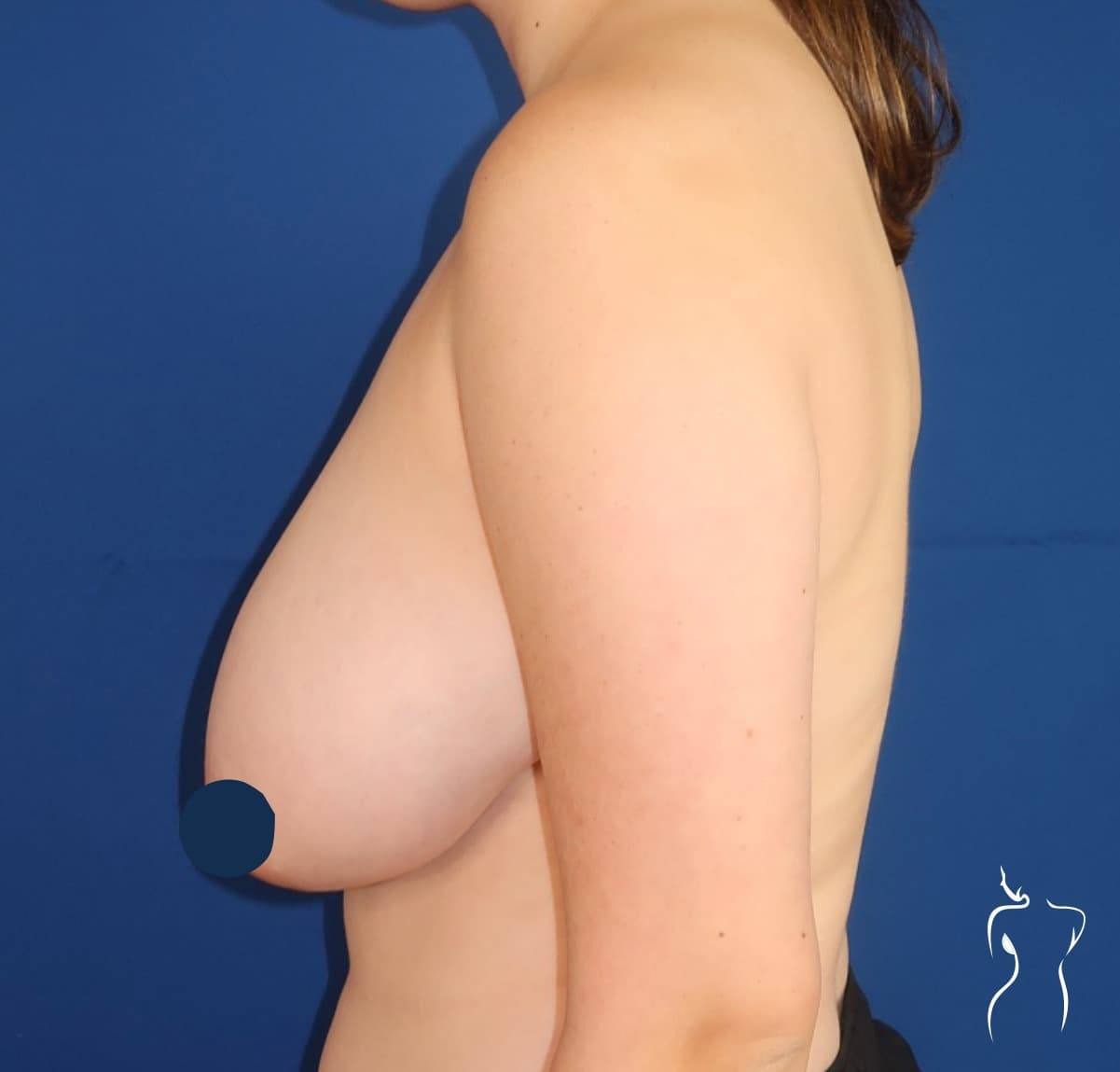
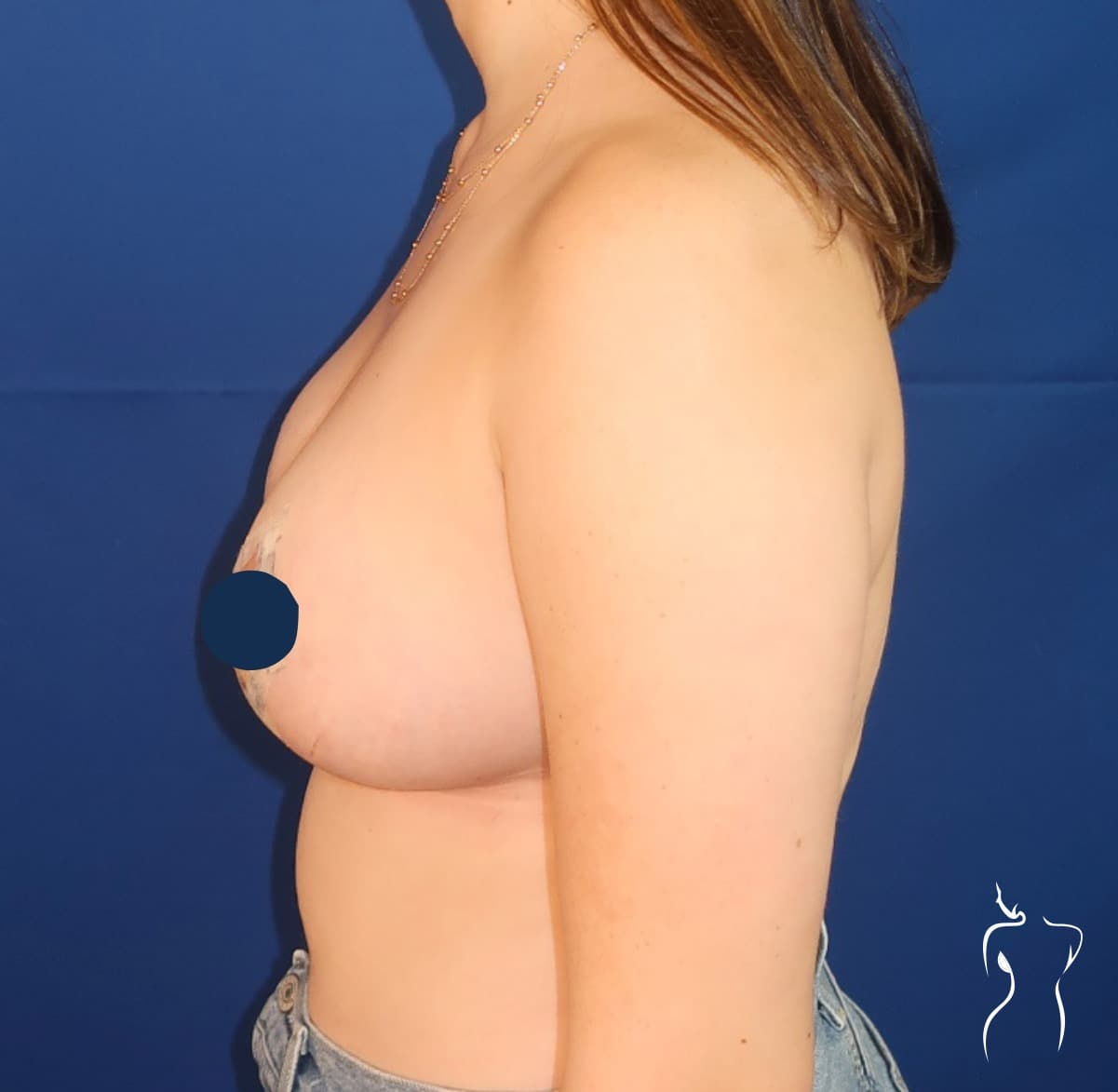
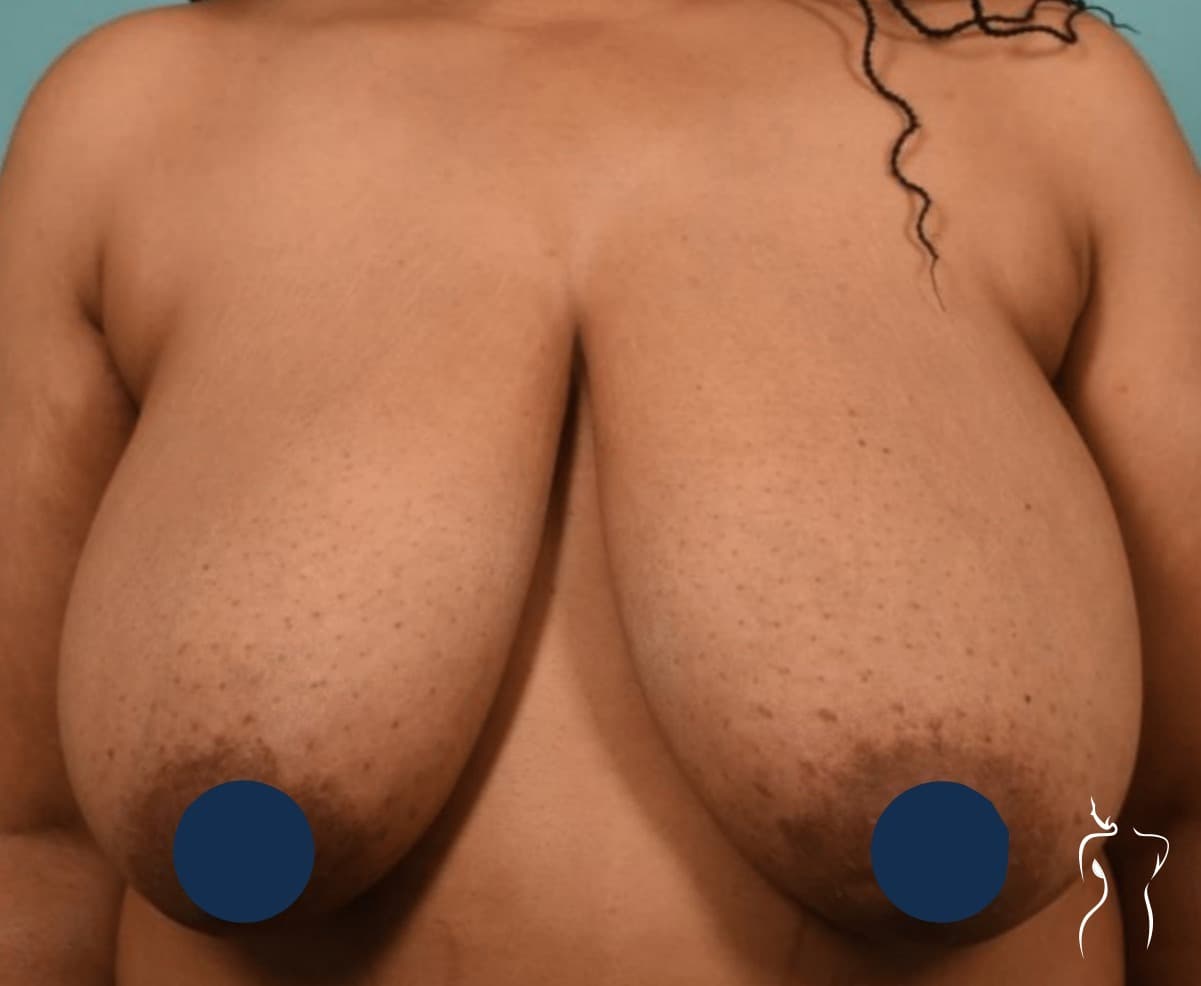
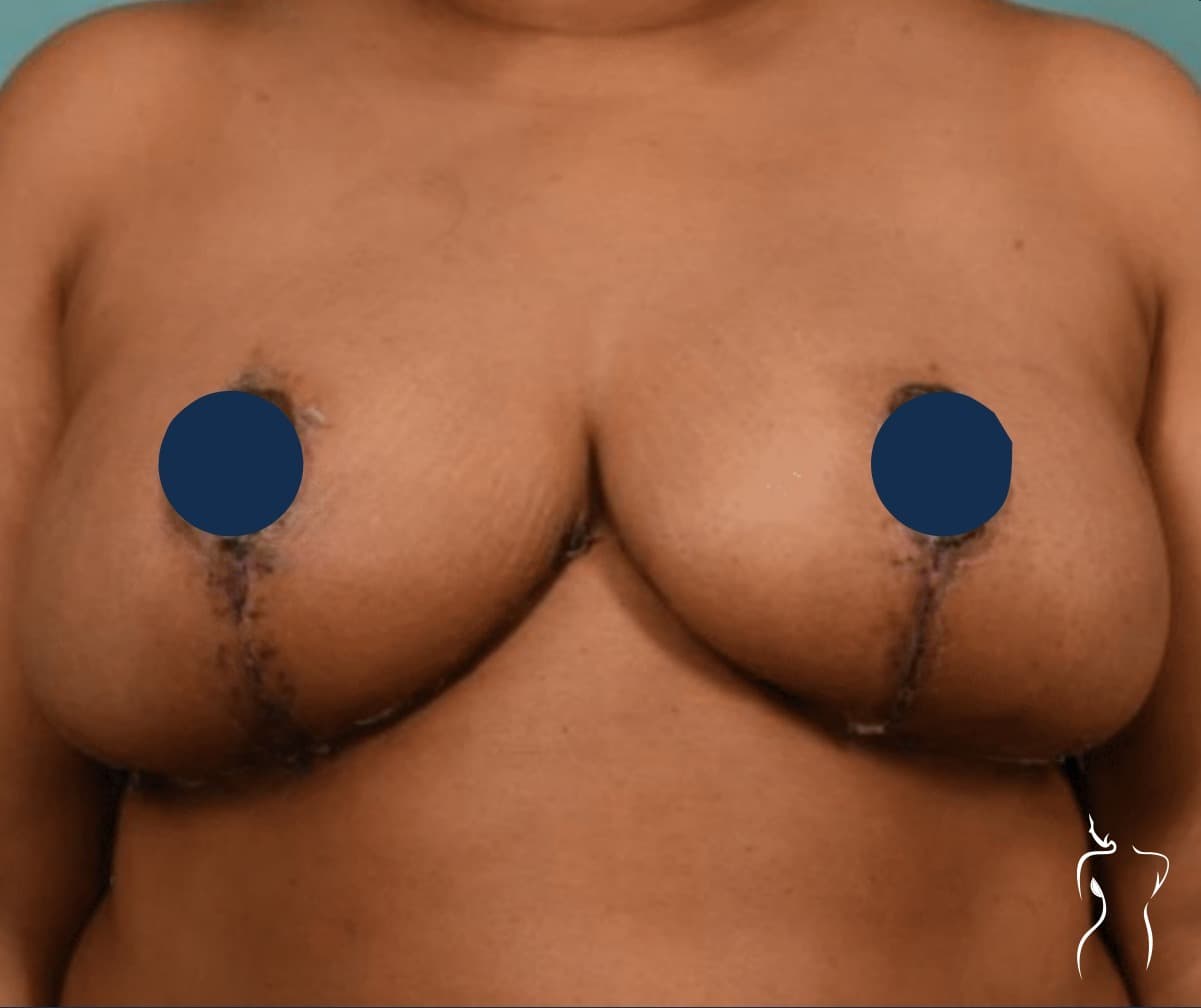
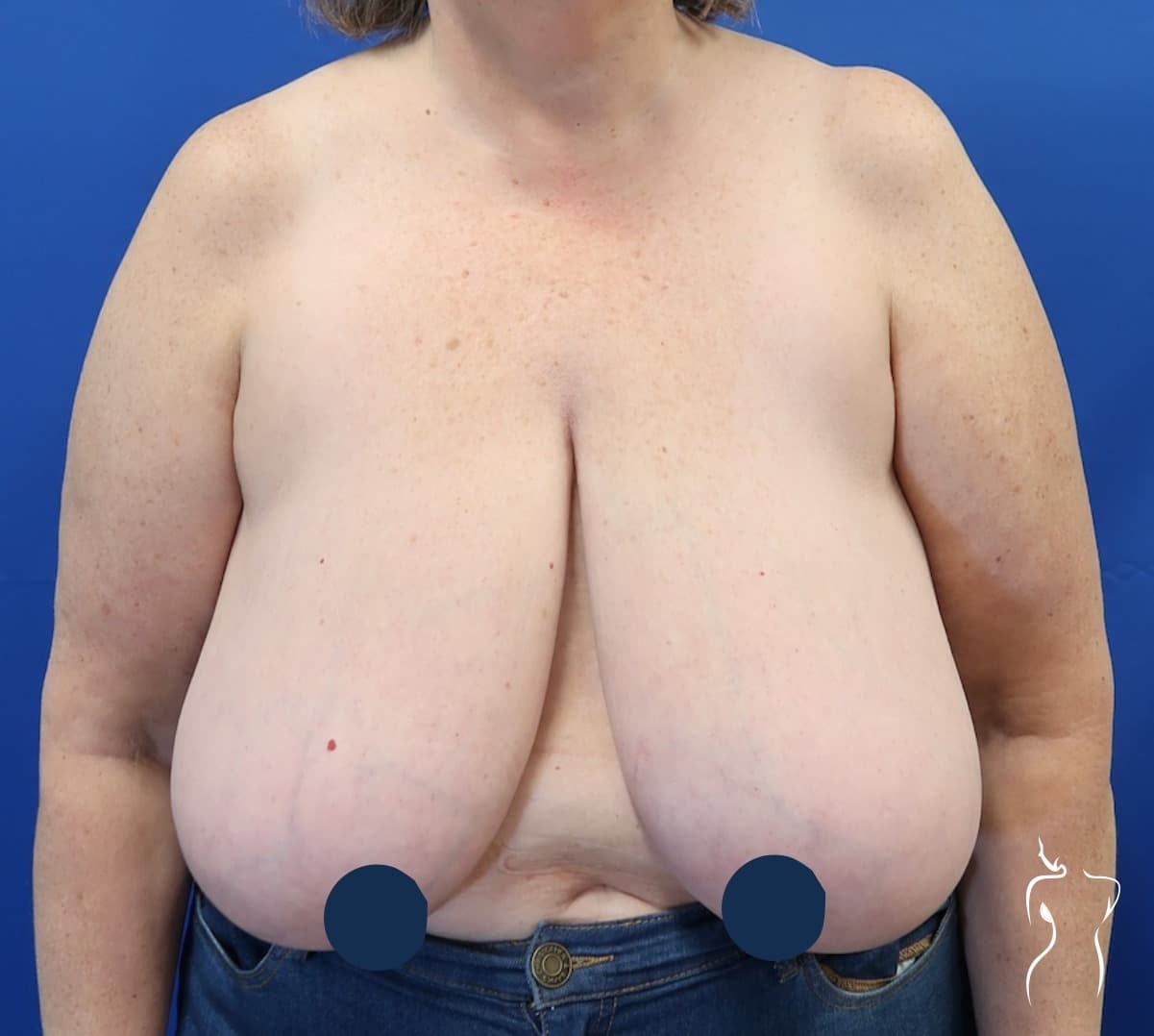
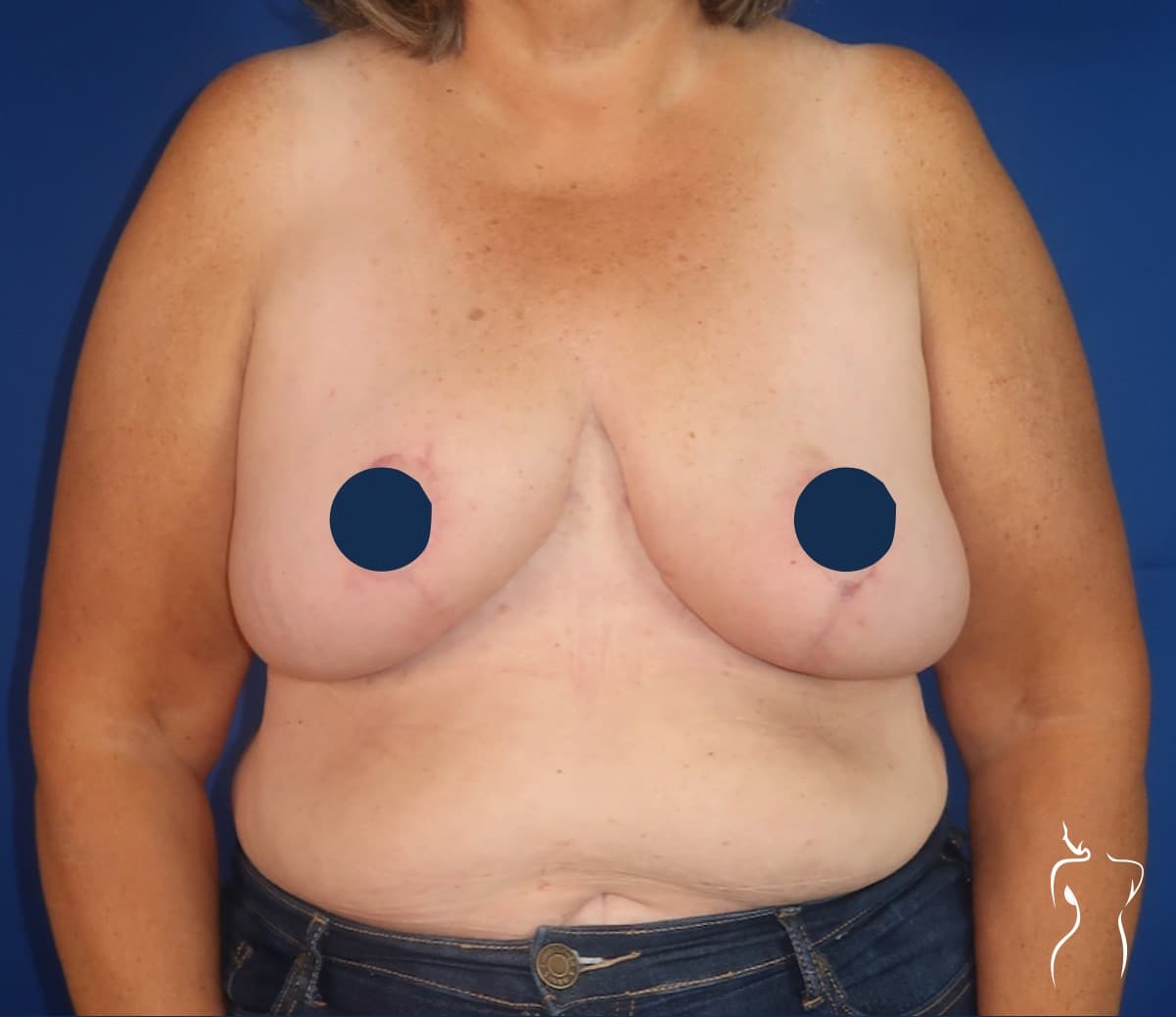
Show all 5 resultsShow fewer
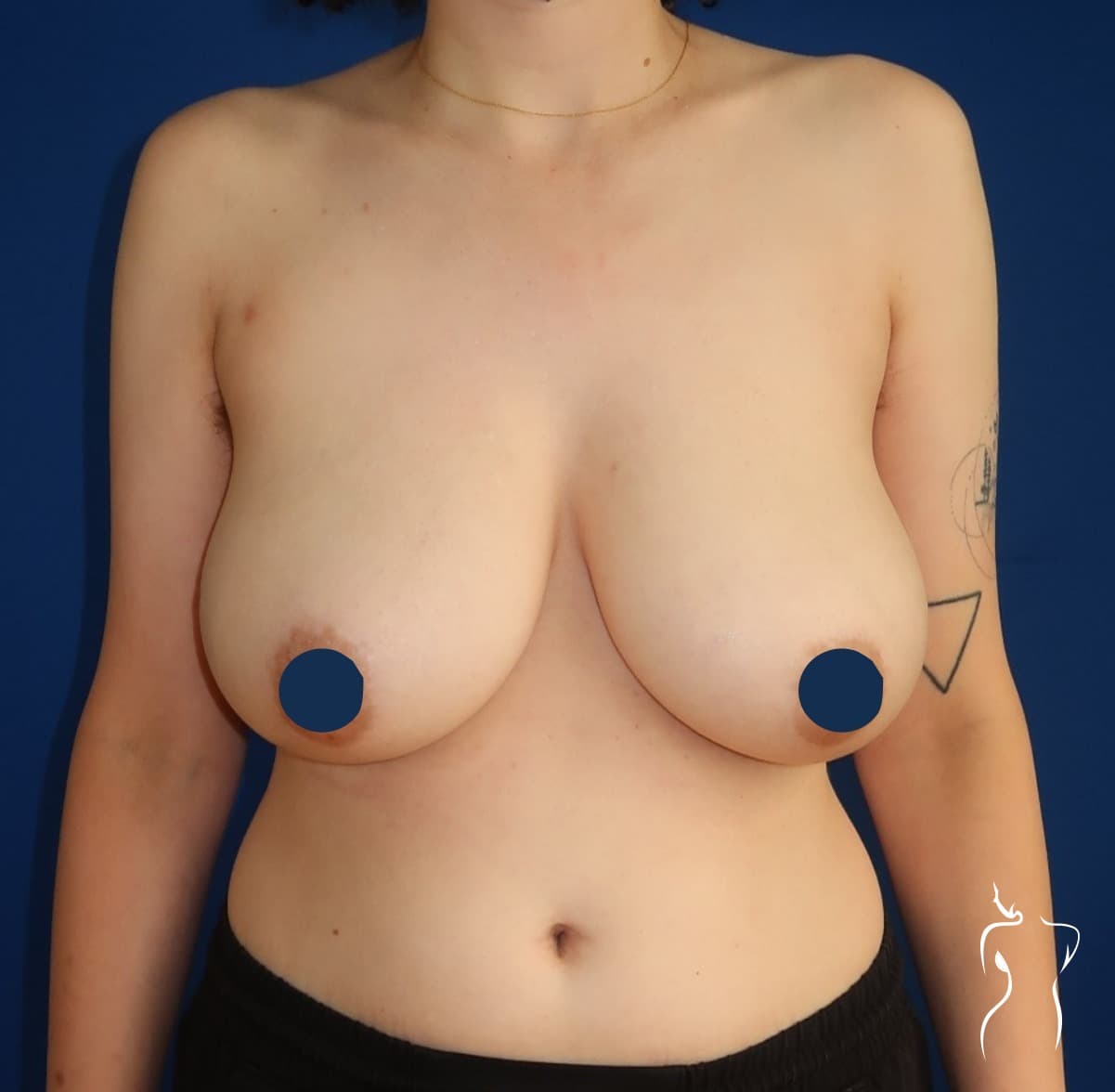
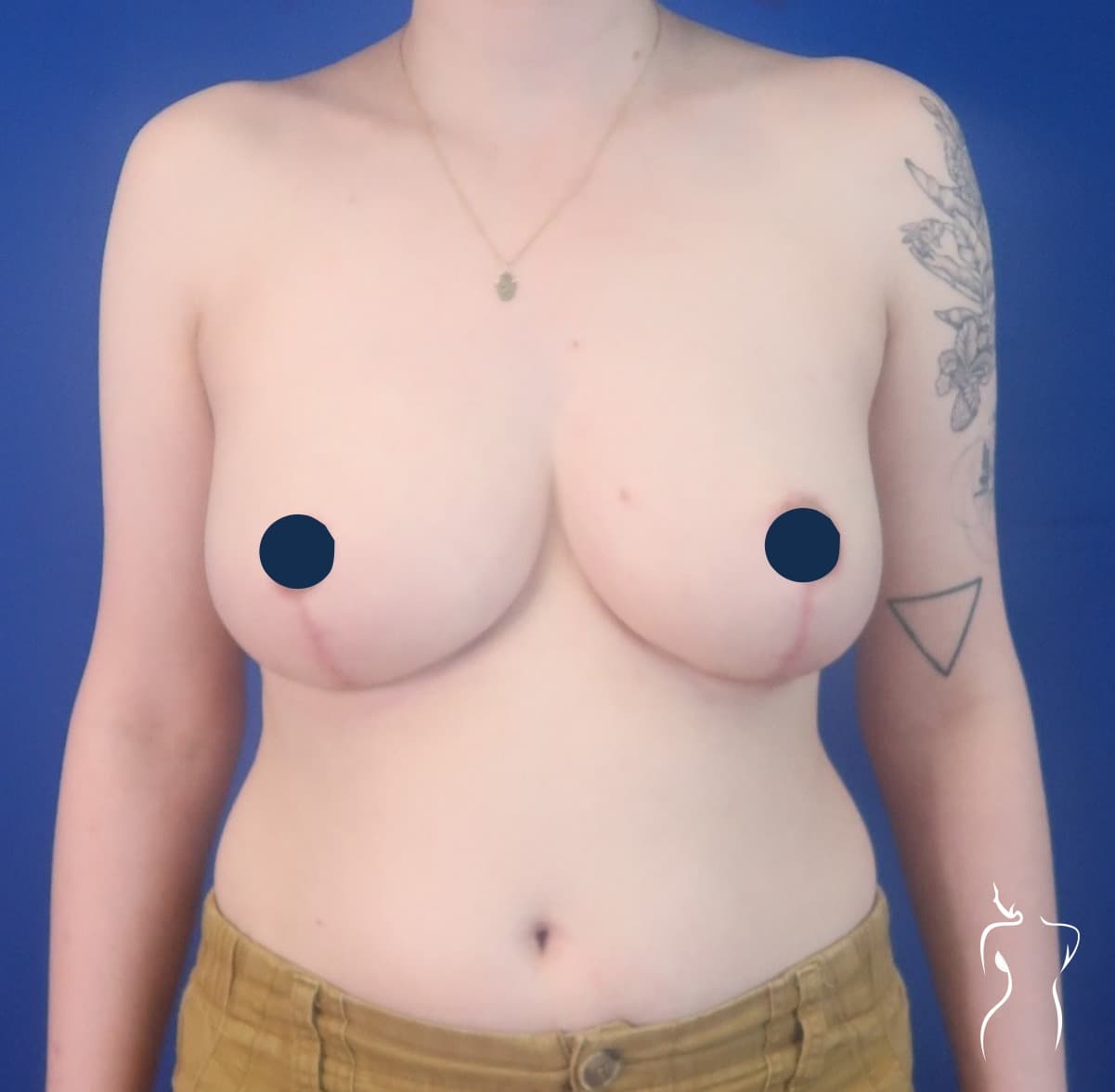
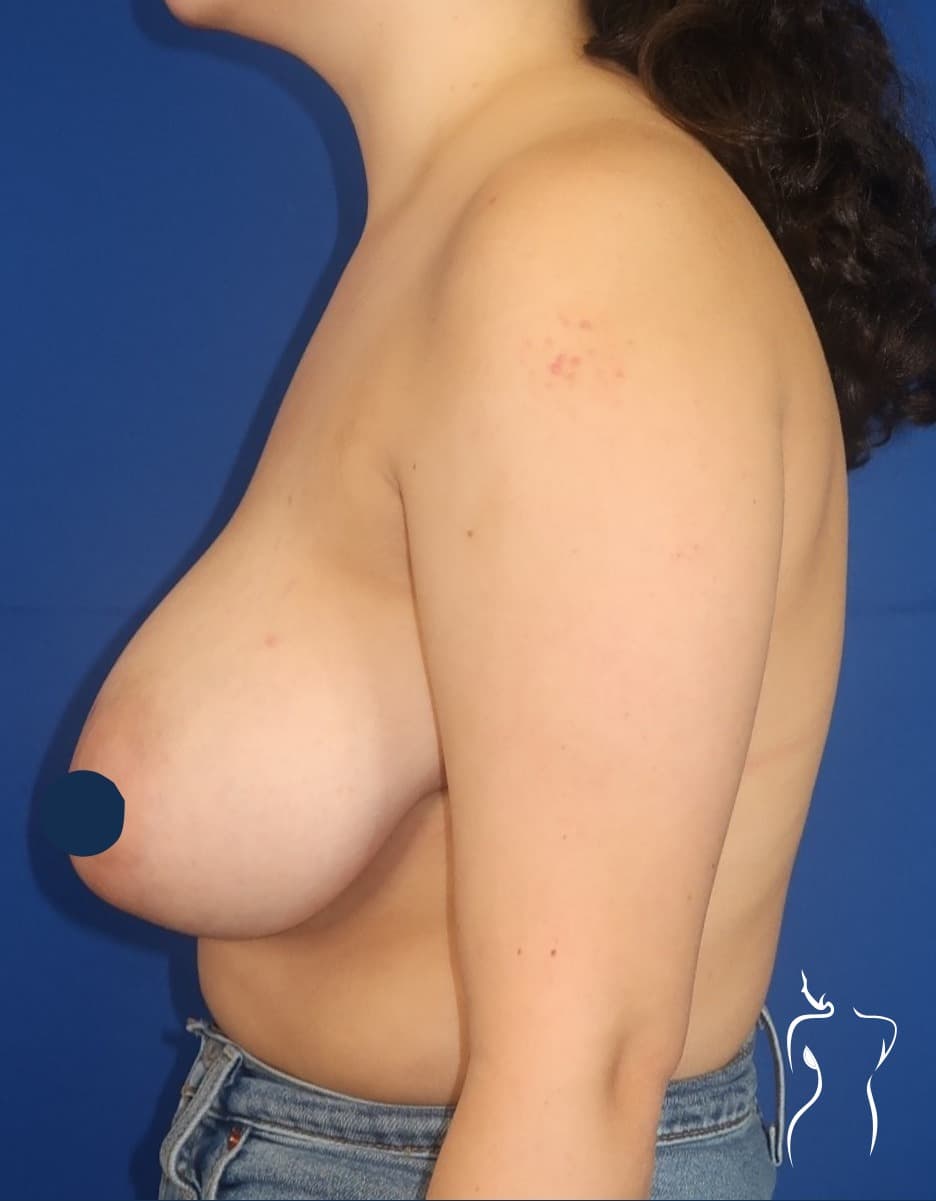
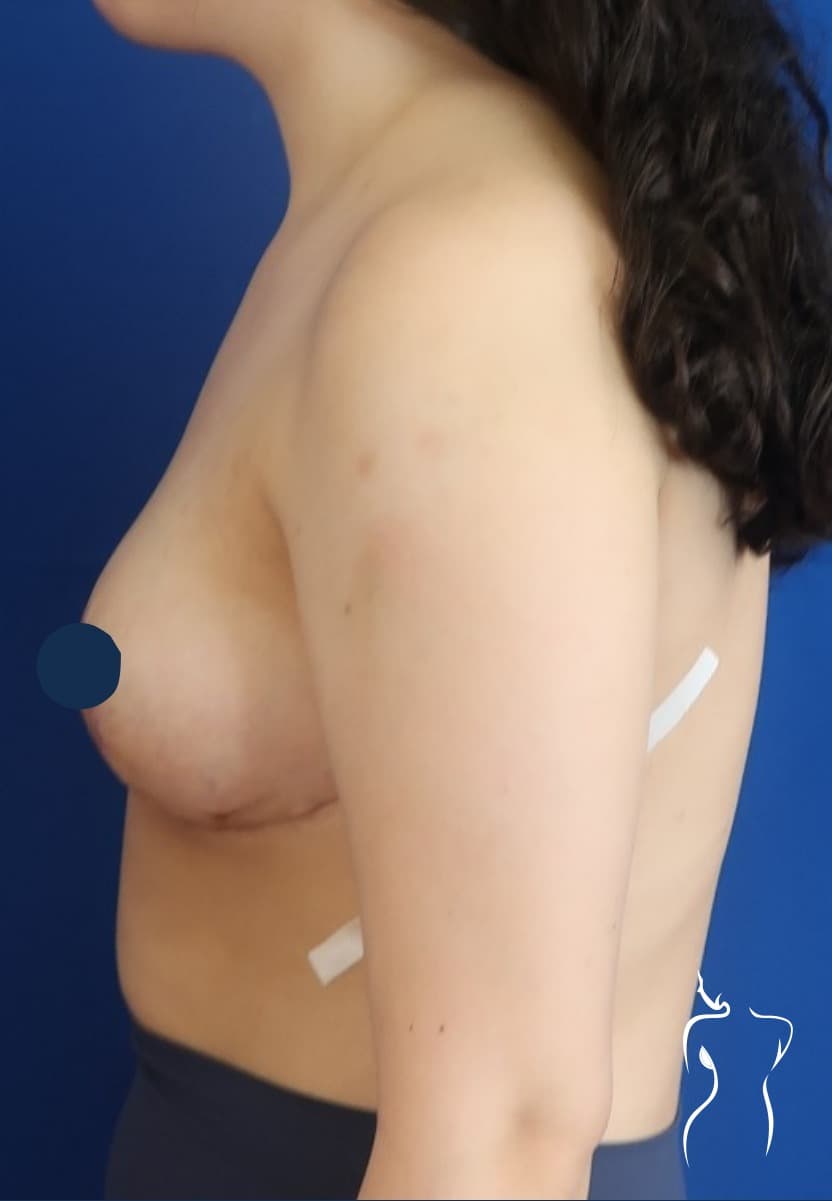
Results vary from person to person. The right comparison starts with your anatomy and your goals, in consultation.
See results like these in person. Plan a consultation with Dr. Day.
The operation
Every consultation — and every operation — is with Dr. Day.
Dr. Day uses the anchor (inverted-T) pattern where the most reshaping control is needed, or a vertical lollipop pattern for more moderate reductions. The nipple and areola are repositioned to suit the new shape, and the areola can be reduced at the same time.
Surgery runs two to four hours under general anesthesia at an accredited facility, and you go home the same day. Excess tissue and fat come out, the breast mound is reshaped rather than simply emptied, and the compression garment goes on before you leave the operating room.
The plan is drawn around your proportions and the weight you want gone, discussed candidly at consultation, including what symmetry surgery can and cannot promise. On that point, plainly: a specific bra size cannot be promised, and small differences between sides are normal both before and after. The working description is sisters, not twins.
Two incision patterns
Both remove tissue and lift; they differ in how much reshaping control they give and how much scar they leave.
Anchor (inverted-T)
The workhorse for larger reductions: scars around the areola, vertically down to the fold, and along the fold itself. It offers the most control over shape and the most tissue removal.
Vertical (lollipop)
Around the areola and vertically to the fold, with no scar along the fold. Suited to moderate reductions with good skin quality — less scar, somewhat less reshaping control.
Insurance, honestly navigated
Washington insurers may cover reduction when documented symptoms and removed tissue meet their criteria, commonly assessed with the Schnur scale, which relates removal weight to body surface area.
What insurers typically want documented: chronic neck, back, or shoulder pain; grooving where bra straps sit; rashes or irritation in the fold beneath the breast; and postural strain — along with what conservative measures you have already tried. The more of that history exists in your own medical records before you start, the shorter the process tends to be.
The practice navigates pre-authorization with you, including plans like Premera and Regence, and tells you honestly whether your case is likely to qualify before you commit to the paperwork. Coverage is never guaranteed, and you will hear a realistic read rather than an optimistic one.
The full published scale, with a body surface area calculator, is on the practice's Schnur scale reference.
Recovery
Home the same day, walking the day after, desk work during the first week. A compression garment follows the 23-and-3 rule: worn around the clock for at least three weeks, and up to three months for the best contour.
Follow-ups at one week, three weeks, six weeks, and three months track the result. Exercise builds from week two at half effort, full clearance comes at four to six weeks, and the final shape settles over nine to twelve months as swelling fully resolves.
One thing worth knowing in advance: the symptom relief and the aesthetic result arrive on different clocks. The weight is gone the day of surgery, and many patients notice the neck and shoulder strain easing within the first days as swelling settles. The shape, meanwhile, keeps refining for months, and scars mature over twelve to eighteen. Judging the result early tends to understate it.
How the weeks before and after surgery fit together is covered in the practice's recovery guide.
Plan a consultation with Dr. Day.
Patient Voices
Individual results vary. Quotes are verbatim excerpts from reviews published by patients.
“During the consultation, we were able to have a very straight forward conversation about what I was looking for and what he was able to achieve for me. There wasn't any false promises and we were able to openly talk about the challenges of my case without feeling discouraged.”
“I was a DDD + some and now I'm a comfortable B to small C, which is exactly what I wanted. No more under wire bras for me!!”
“Coming into my first appointment with no prior knowledge of breast reduction surgery, I was put at ease that my dream of getting a reduction will come true. I was able to plan out my surgery and recovery with a supportive team and all questions answered.”
Questions, answered
The rest belong in a conversation. Consultations are unhurried by design.
Will insurance cover my reduction in Washington?
Sometimes. Coverage typically depends on documented symptoms and a minimum removal weight relative to your body size (the Schnur scale). The practice handles the pre-authorization process with you and gives you an honest read on your case before you start it.
How much tissue will be removed?
Enough to reach the size and relief you want, planned in grams at consultation. Where insurance is involved, the removal weight also has to meet the insurer's threshold, and that is part of the plan.
What is the difference between a reduction and a lift?
A reduction is a lift with additional tissue removal. Both reshape and reposition; the reduction also takes weight. If relief from heaviness is part of your goal, a reduction is the operation.
Can I breastfeed after a reduction?
Many patients can, and technique matters to the odds. If future breastfeeding is important to you, say so at consultation — it genuinely influences the surgical plan.
Which incision pattern will I need?
Breast size, skin quality, and how much tissue is coming out decide it. The anchor pattern gives the most reshaping control and suits larger reductions; the vertical lollipop leaves less scar and suits moderate ones. The exam gives you a specific answer rather than a preference.
Can it be combined with other procedures?
Often. Liposuction of the lateral chest or underarm refines the contour beyond what the reduction itself reaches, and reduction pairs with a tummy tuck in a mommy makeover for appropriate candidates. What is safe to combine depends on your health and total operating time, and you will get a straight answer on it.
What about scars?
The anchor or lollipop pattern leaves scars along the areola, vertically to the fold, and — in the anchor pattern — along the fold itself. They mature and fade over twelve to eighteen months, and scar care is part of follow-up.
What is recovery like?
Walking the next day, desk work in week one, exercise building from week two at half effort, and full clearance at four to six weeks. The compression garment does quiet, important work for at least three weeks.
How much does a breast reduction cost in Bellevue?
Self-pay reduction starts from $8,000, and insurance may cover qualifying cases. Either way you get a written breakdown at consultation, with CareCredit and Alphaeon financing available.
Financing Options