Lower Body Lift in Bellevue
A lower body lift treats the full circumference — abdomen, flanks, lower back, outer thighs, and buttocks — in one operation. For patients who have lost major weight, it is the most comprehensive single procedure in body contouring.
The formal name is belt lipectomy: a continuous excision running the beltline, lifting everything below it and flattening everything above.
Massive weight loss is the usual road here, whether by bariatric surgery, GLP-1 medications, or sustained effort, and this practice's protocol covers the medical details those roads add — nutrition labs, weight stability, and medication timing.




Your surgeon
Dr. Kristopher Day is certified by the American Board of Plastic Surgery and the American Board of Surgery, fellowship-trained in craniofacial surgery, and a member of the American Society of Maxillofacial Surgeons.
Meet Dr. DayBody Lift
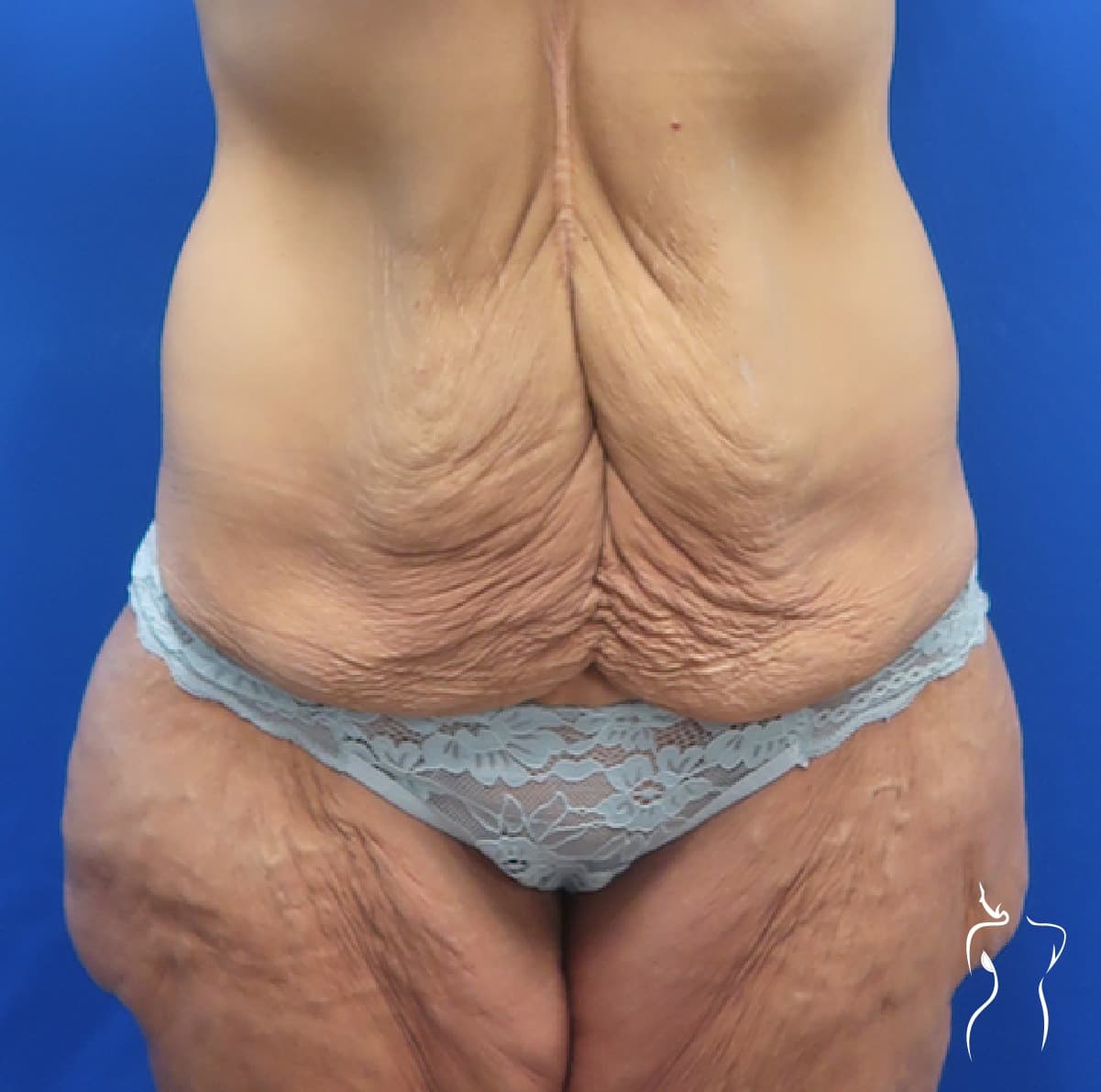
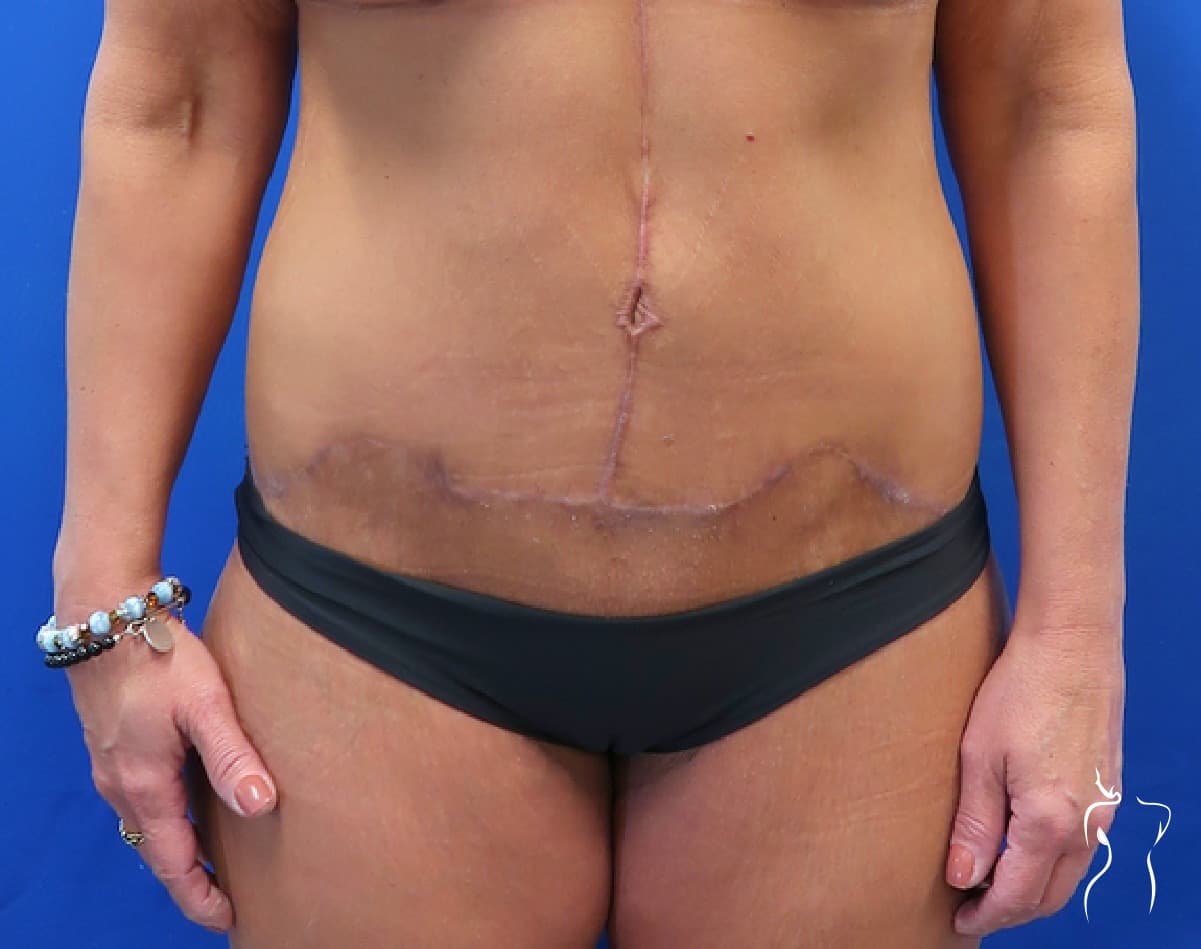
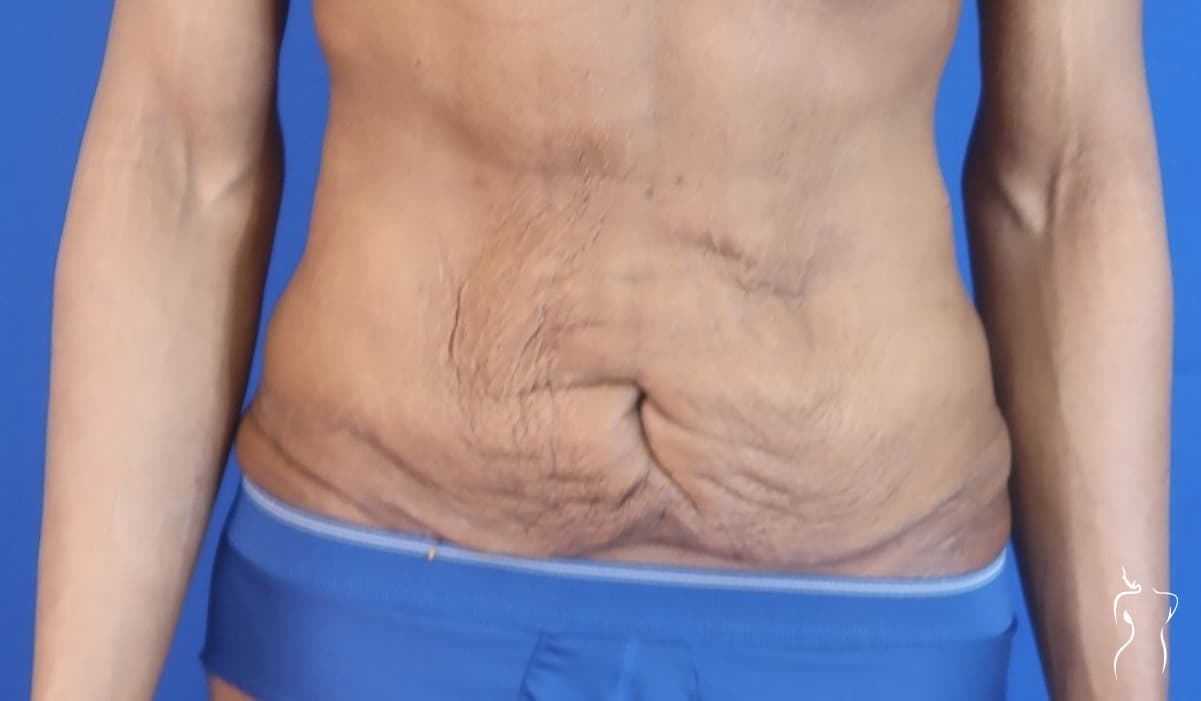
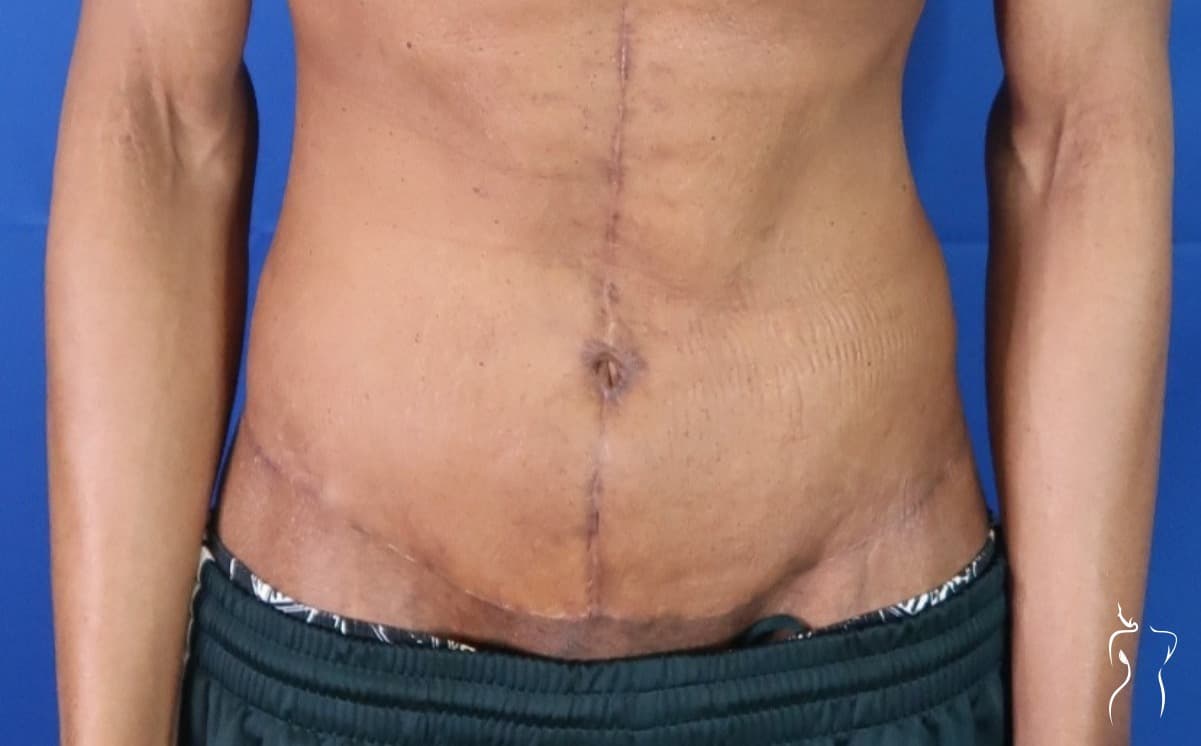
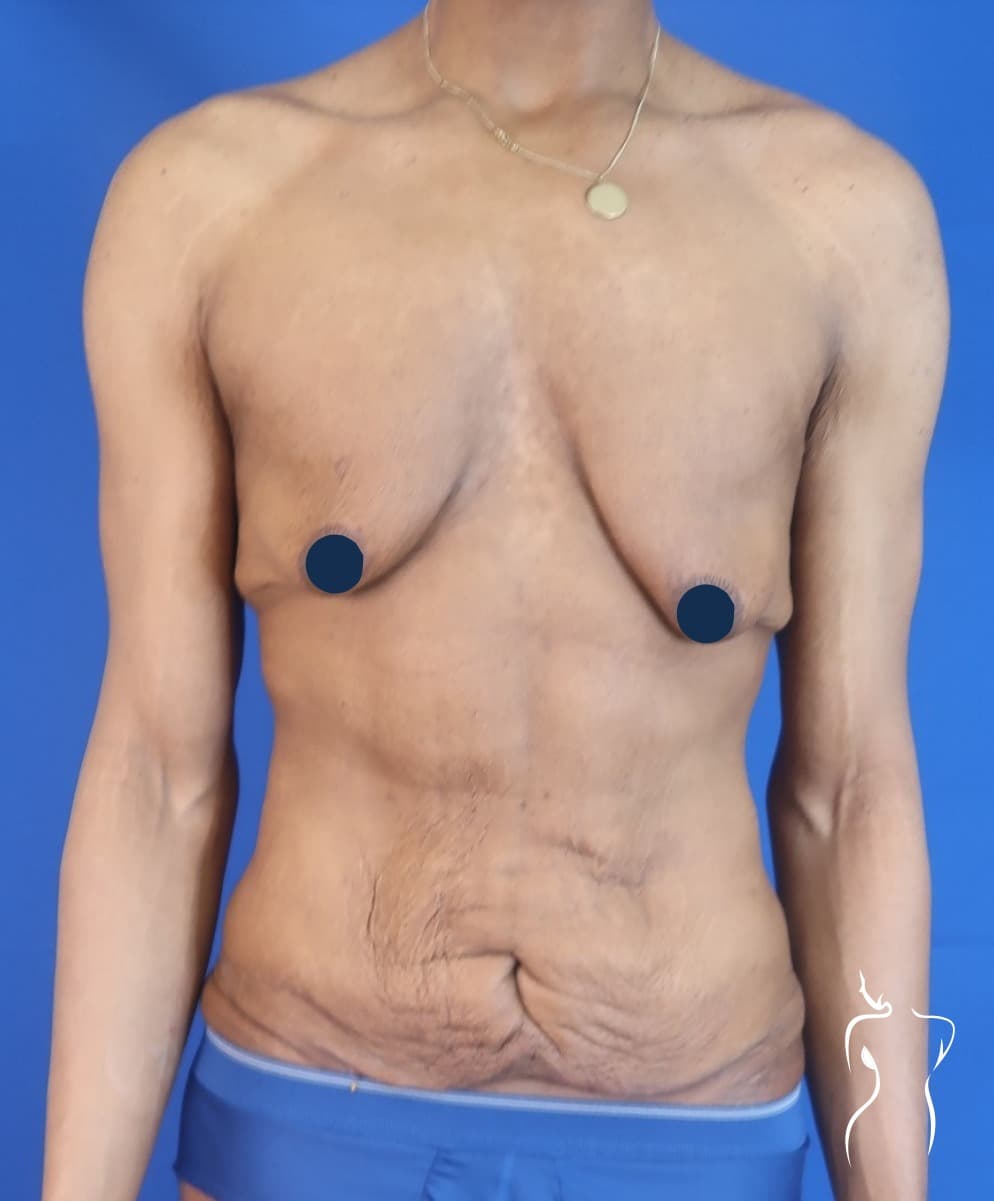
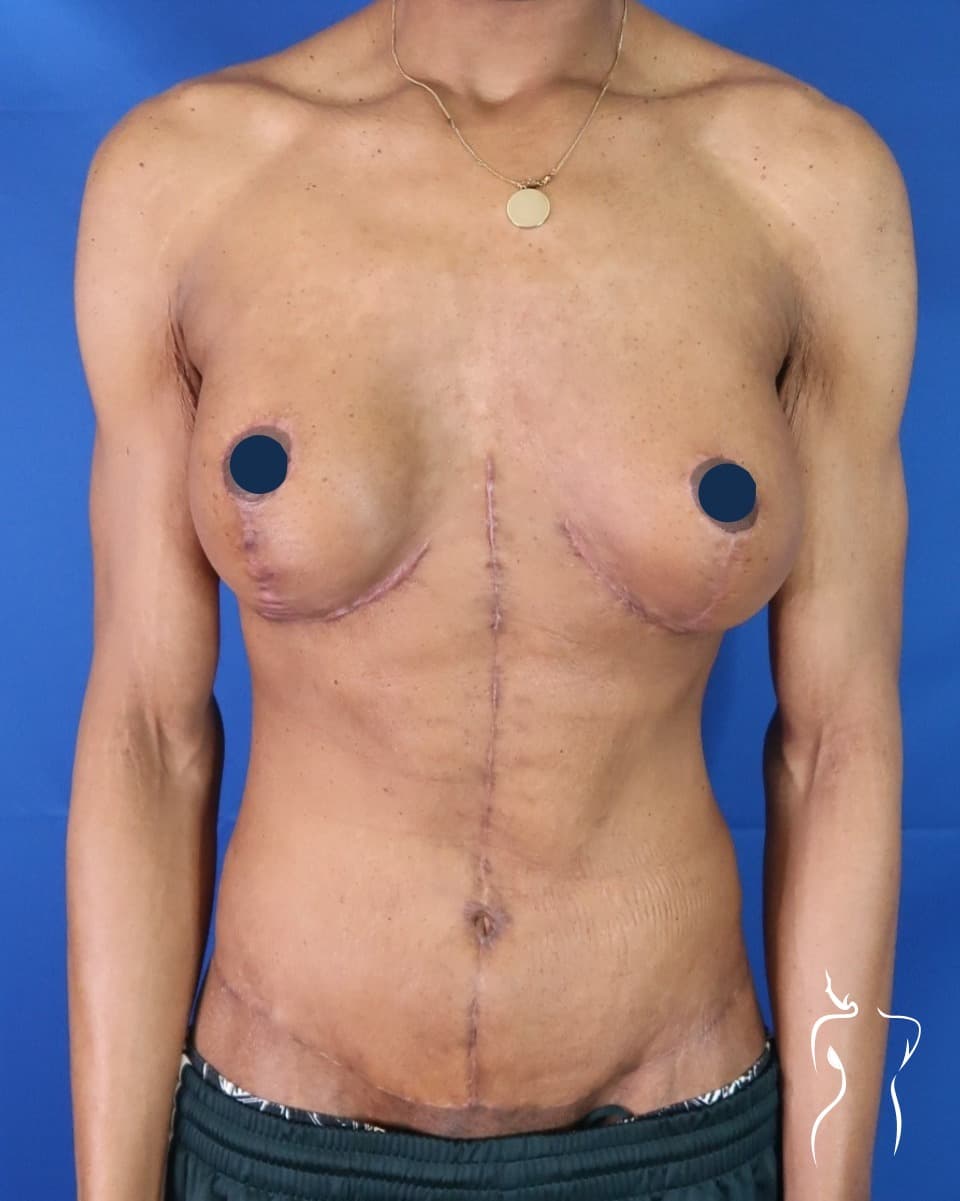
Results vary from person to person. The right comparison starts with your anatomy and your goals, in consultation.
See results like these in person. Plan a consultation with Dr. Day.
The operation
Every consultation — and every operation — is with Dr. Day.
A lower body lift is performed under general anesthesia at an accredited surgical facility and typically runs four to six hours depending on how much tissue comes off. Dr. Day operates at four: Swedish Medical Center, Virginia Mason Franciscan Health, Carillon Point Surgery Center, and Sound Plastic Surgery Center.
The incision runs circumferentially at the bikini line, placed to hide under clothing. Working around the full circle, Dr. Day removes the loose apron of skin, lifts the outer thighs and buttocks, and flattens the abdomen — a 360-degree correction impossible to achieve from the front alone. The remaining skin is re-draped rather than simply pulled tight, which is what keeps the result reading as a shape instead of a repair.
The planning session earns its length. Photographs, measurements, and a written surgical plan naming which zones are addressed and in what order are all produced at the consultation, not improvised later.
For bariatric and major-weight-loss patients, nutritional labs are reviewed before surgery. Healing a circumferential incision demands protein and micronutrient reserves, and bariatric procedures can deplete exactly those. Confirming them first is part of doing this operation responsibly.
How far around the correction goes
The question this page really answers is whether your laxity stops at the hips. Here is the ladder, from least to most.
Tummy tuck
The front only: skin removed, muscle wall repaired, navel repositioned. Enough when the looseness stops before your sides.
Extended abdominoplasty
Carries the correction around the flanks — roughly 270 degrees — for laxity that continues past the hips but leaves the back and buttocks alone.
Lower body lift
The full circle. Abdomen, flanks, lower back, outer thighs, and buttocks lifted in one continuous excision at the beltline. The formal name is belt lipectomy.
Staged upper-body work
Arms, breast, and inner thighs are not part of the belt. They complete the plan in a second session, usually three to six months later.
Is it right for you
Candidates have circumferential skin laxity after major weight loss, with weight stable for at least six months and within roughly twenty pounds of goal. A BMI under 35 keeps the operation in its safest range.
For patients who lost weight on GLP-1 medications, the protocol is explicit: weight stable for six months or more, healthy nutrition labs, and the medication paused at least two weeks before surgery in line with anesthesia-society guidance, resuming two to four weeks after.
What the operation does not do is add volume. It lifts and tightens what is already there. Buttocks that deflated during weight loss will sit higher and read smoother afterward, and they will not be fuller. If loss of projection rather than sag is your main complaint, say so at consultation — that is a different conversation and it changes the plan.
This is among the most demanding operations in body contouring, and the honest counterpart to that is a real recovery. It is not a longer tummy tuck. Patients who plan for it — help at home, time off booked properly, expectations set — do markedly better than patients who treat it as an errand.
Recovery
Walking starts the day after surgery and matters more here than after any other body procedure. Desk work resumes at one to two weeks, physical and exertional work at three to four with a gradual build, and a compression garment is worn for several weeks.
The part patients say nobody prepared them for is positioning. There is an incision on every surface, so the first week is spent finding ways to sit, sleep, and turn that do not load the closure. It eases quickly and it is the reason the first days need a helper.
By weeks three to six most of the acute swelling has gone and the shape becomes clearly visible: the buttocks lifted, the outer thighs smoother, the lower back and flanks defined. Most patients describe this as the point where clothes they had written off start working again.
The contour is dramatic early and refines over three to six months once swelling fully resolves; the circumferential scar continues to mature for up to eighteen. Follow-ups run the practice's standard cadence, and you reach Dr. Day's clinical team directly between visits rather than a call centre.
How the weeks before and after surgery fit together is covered in the practice's recovery guide.
Plan a consultation with Dr. Day.
Patient Voices
Individual results vary. Quotes are verbatim excerpts from reviews published by patients.
“Dr. Day's knowledge, compassion, and attention to detail made all the difference in my recovery process.”
“He took the time to listen to my concerns and desires, ensuring I had a clear understanding of the procedure, expected outcome and healing process. … I think he's a very skilled and precise surgeon.”
“I have always gotten the realistic results I hope for.”
Questions, answered
The rest belong in a conversation. Consultations are unhurried by design.
What is the difference between a body lift and a tummy tuck?
A tummy tuck treats the front; a lower body lift treats the full circle — abdomen, flanks, lower back, outer thighs, and buttocks. If your laxity stops before your sides, a tummy tuck may be all you need. If it wraps around you, which is common after major weight loss, the belt excision is the operation that reaches all of it.
How is recovery different from a tummy tuck?
It is more involved, and that is a direct consequence of the circumferential incision and the amount of tissue that has to be mobilized to close it. Walking still starts the day after, but desk work sits at one to two weeks rather than one, exertion at three to four, and the first week takes real help at home.
Can I have a body lift after losing weight on GLP-1 medication?
Yes — it is increasingly the reason patients arrive. The requirements: weight stable for at least six months, BMI under 35, healthy nutrition labs, and the GLP-1 medication paused at least two weeks before surgery per anesthesia-society guidance, resuming two to four weeks after once you are eating normally. Your prescriber stays in the loop.
Why do you check nutritional labs first?
Because a circumferential incision is a large healing demand, and the routes that produce this much weight loss — bariatric surgery in particular — can leave protein and micronutrient stores low. Checking before surgery is straightforward. Discovering it afterward is not.
How much weight should I lose first?
Within roughly twenty pounds of your goal, held stable for six months. Surgery removes skin, and doing it on a settled weight is what makes the result last. Continued loss afterward creates new laxity; gain works against the closure.
Will my buttocks look fuller?
Higher and smoother, not fuller. The lift repositions the tissue you have; it does not add volume. Patients whose main complaint is deflation rather than sag should raise it at consultation, because it changes what the right plan looks like.
How much does a lower body lift cost in Bellevue?
Lower body lifts at Pacific Sound Plastic Surgery start from $14,500, reflecting the four-to-six-hour operative scope. The total moves with the extent of tissue removal, the facility, and anesthesia time. Your consultation includes a complete written breakdown, with CareCredit and Alphaeon financing available.
Financing OptionsWill insurance cover any of it?
Cosmetic contouring is not covered, but documented medical problems under the skin folds — recurring rashes, infections, or wounds — can support partial coverage for the excisional component. The office helps assemble that documentation honestly, and will tell you when a case is not worth submitting.
Can other procedures be combined?
Arm lifts, thigh lifts, and breast surgery commonly complete the post-weight-loss plan. Given the body lift's scope, they are usually staged as a second session rather than added to it, because safe total operating time is a real limit rather than a preference. The sequencing is mapped with you at consultation.
What will the scar look like?
A continuous line at the bikini line, placed to hide beneath underwear and swimwear. It fades substantially over twelve to eighteen months. It is a long scar, and the honest framing is that it is the price of a correction nothing else achieves.